

Antique Hanging Lantern
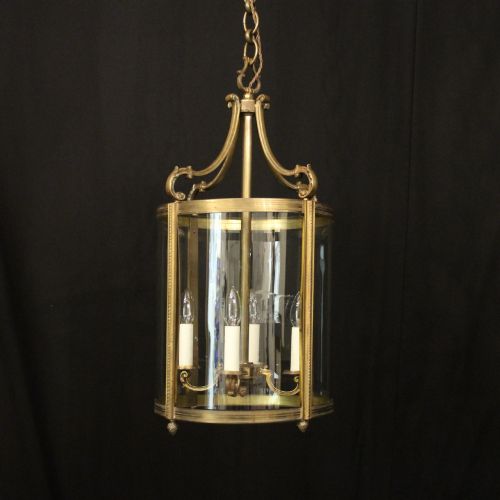
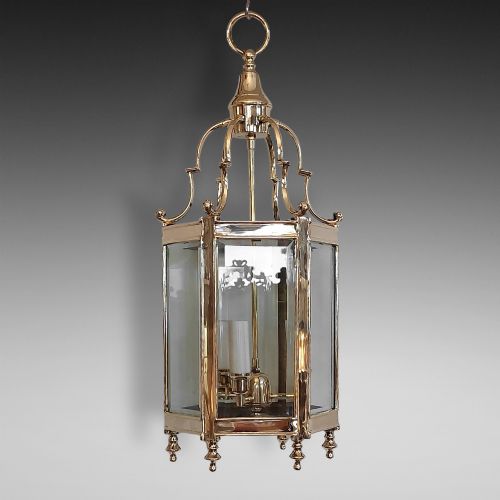
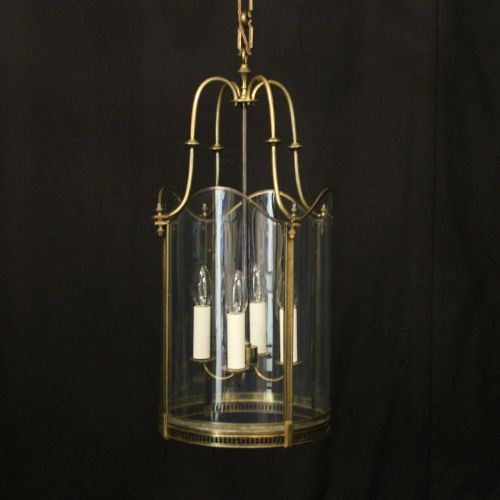
An antique hanging lantern brings warm downward illumination and distinct period character to high-ceilinged hallways, porches and stairwells.

What an antique hanging lantern is
When buyers search for an antique hanging lantern, they seek overhead lighting fixtures designed to suspend from ceilings and illuminate passage spaces. These pieces combine functional illumination with architectural presence.
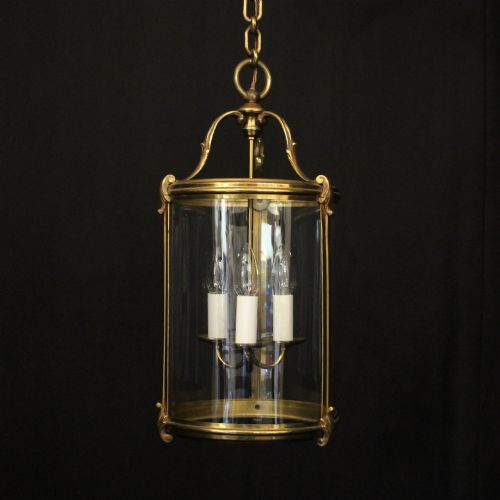
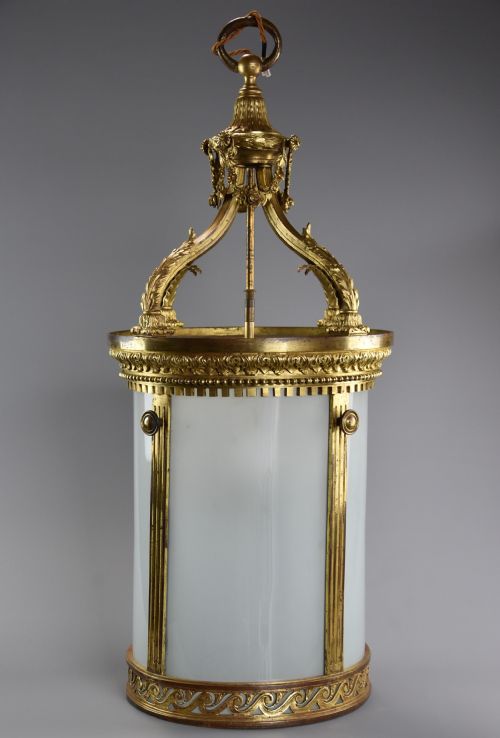
The selections span the nineteenth and early twentieth centuries, encompassing Victorian, Edwardian and early twentieth-century examples. Forms range from simple glass and metal hall fixtures to substantial gilt bronze and carved giltwood designs.
Origins include English workshops and continental European styles such as French chateau and Florentine baroque. Buyers encounter both utilitarian railway and porch lights alongside decorative interior hall lanterns.
Materials and construction
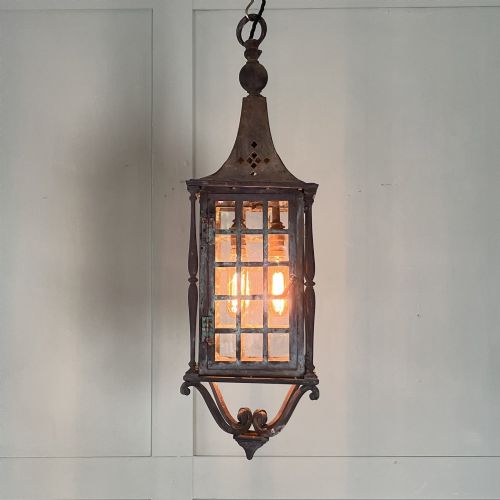
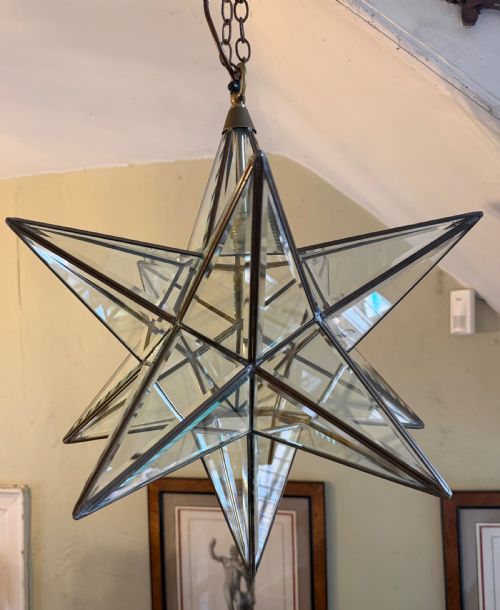
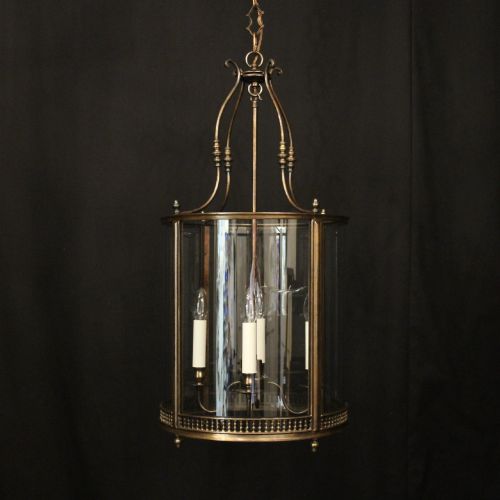
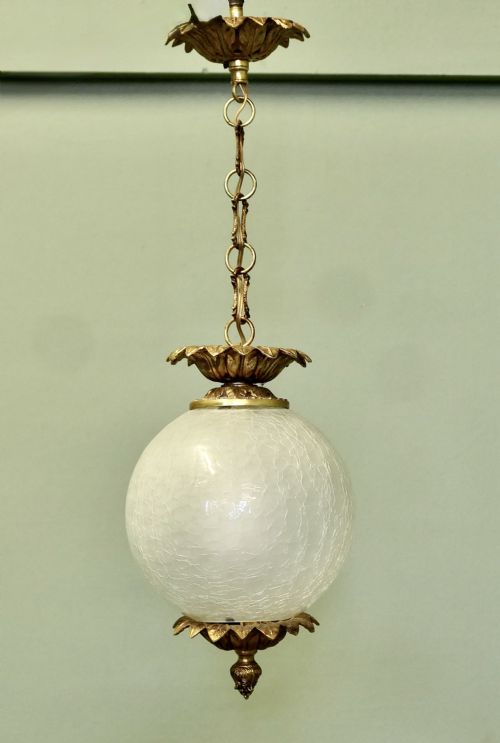
Construction relies heavily on metals such as brass, copper, bronze, gilt bronze, tin, wrought iron and cast brass. These metals are frequently paired with transparent, leaded or textured glass panes to enclose the light source.
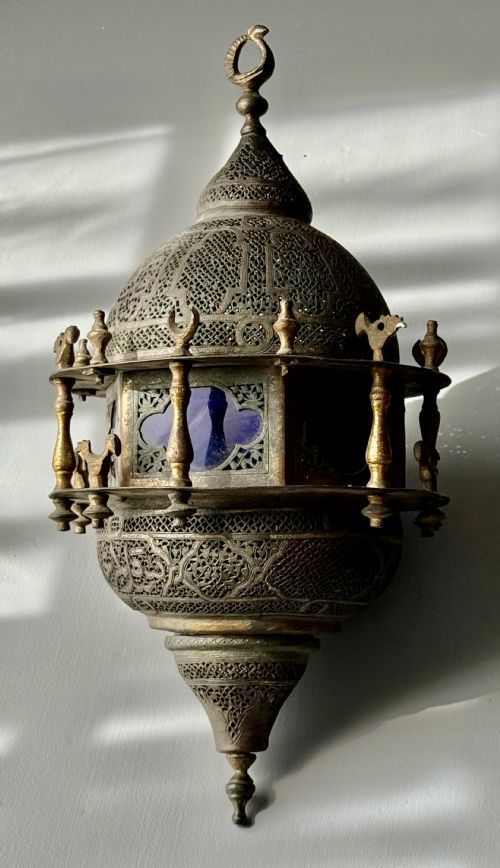
Details involve decorative casting, piercing, hand-carving in giltwood, and the integration of specialised elements like mother of pearl or convex glass. Fixtures often incorporate hinged doors for access and suspension chains for hanging.
Retail Price Guide 2026
Typical UK retail prices for hanging lantern, calculated from the Sellingantiques database of over a million retail prices indexed since 2003. This retail price guide relies exclusively on Sellingantiques data; no external sources or auction records are used, so the figures do not describe the wider market.
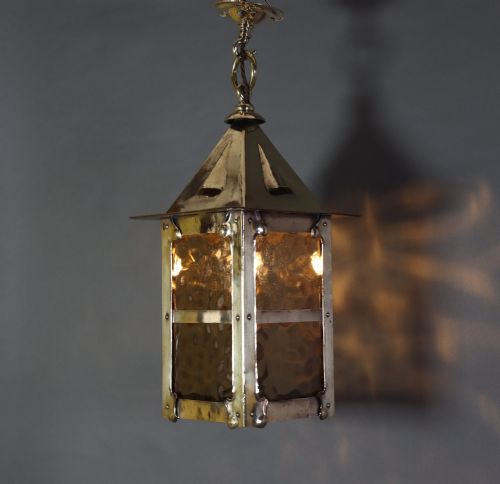
Green Man copper lanterns bring a touch of woodland folklore right into your hallway.
Distinctions in quality
Quality differentiates through the weight and substance of the primary metalwork, ranging from heavy cast bronze and substantial copper to lighter sheet tin. Finer examples display crisp casting details, hand-carved elements, or complex piercing work rather than plain construction.
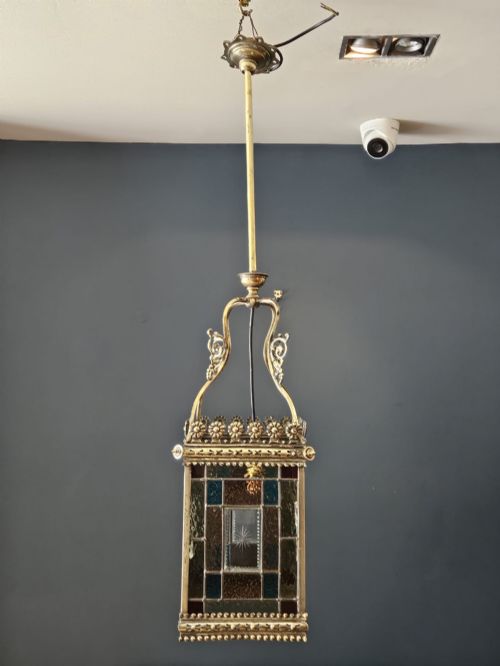
The choice of secondary materials marks variation, as seen in the inclusion of leaded glass panels, convex glass lenses or mother of pearl inlays. Superior pieces also maintain proportional harmony between the lantern body, hanging chains and ceiling fittings.
REVO Tipton
The Antique Hanging Lantern Glossary
- Hall lantern
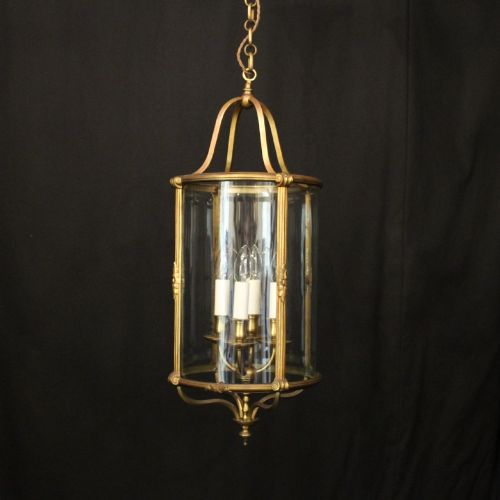
- A compact hanging lighting fixture traditionally used to illuminate entrance halls and corridors. These pieces typically feature glass panels enclosed in a metal frame.
- Gilt bronze
- An alloy of copper and zinc coated with a fine layer of gold, providing a rich metallic sheen. This material resists tarnishing and was favoured for decorative nineteenth-century light fittings.
- Leaded glass
- Individual pieces of glass joined together by lead cames to form a patterned window pane. This technique allows for geometric or decorative designs within the lantern walls.
- Convex glass
- Glass formed with a rounded, outward-curving surface that disperses light differently than flat panes. It adds depth and optical distortion to the interior light source.
Frequently Asked Questions
Where should an antique hanging lantern be hung?
These lanterns suit high-ceilinged entrance halls, stairwells, landings and covered porches where their vertical proportions can be fully appreciated. They provide focused overhead light in transitional spaces.
Ensure the ceiling height allows adequate clearance beneath the lowest point of the hanging chain and lantern body for safe passage.
How do I date an antique hanging lantern?
Dating relies on identifying the prevailing material choices, manufacturing techniques and stylistic influences recorded in the piece. Victorian examples often feature heavy cast brass or copper, while Edwardian pieces may incorporate leaded glass or crystal.
Examining construction methods like hand-piercing or casting marks helps narrow the period of production alongside any accompanying hardware.
Can these lanterns be rewired for modern use?
Many surviving fixtures have been adapted with modern electrical fittings to comply with current safety standards while retaining their historic exterior appearance. Rewiring allows these decorative objects to function as primary lighting.
Consult a qualified electrician to inspect and adapt the internal wiring before installation in a domestic setting.
What styles are common in hanging lanterns?
Common styles include Gothic Revival, French chateau, Edwardian, Florentine baroque and Victorian industrial designs. These aesthetics dictate the ornamentation, from carved giltwood to utilitarian metal brackets.
Selecting a style involves matching the decorative intensity of the lantern to the architectural character of the room.