




Antique Ceiling Pendant
An antique ceiling pendant brings period illumination directly overhead, offering historic character and decorative metalwork that transforms a room.
Antique Ceiling Pendant
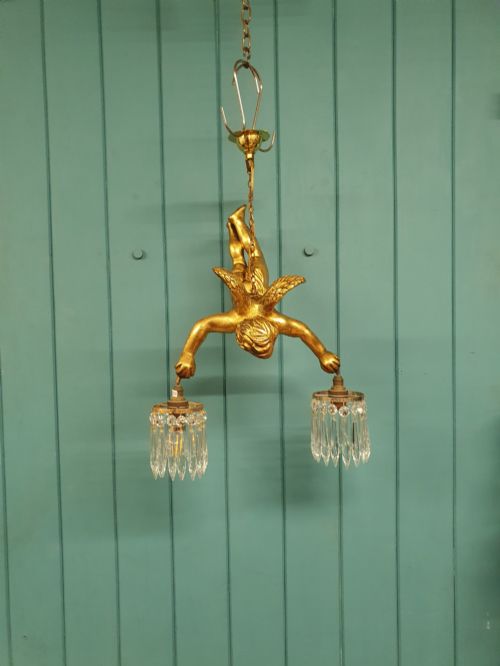
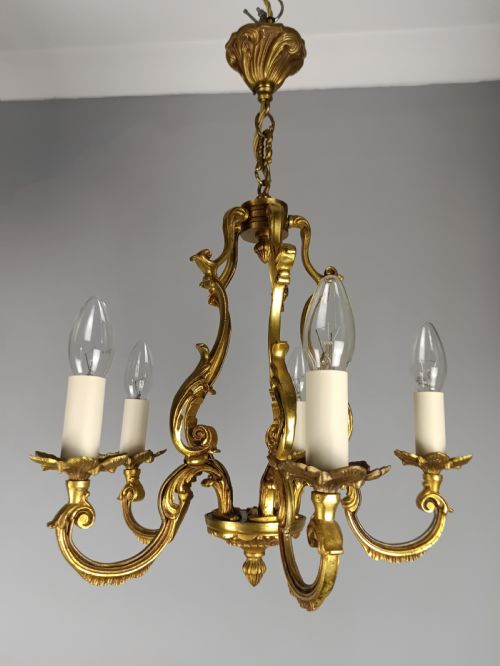
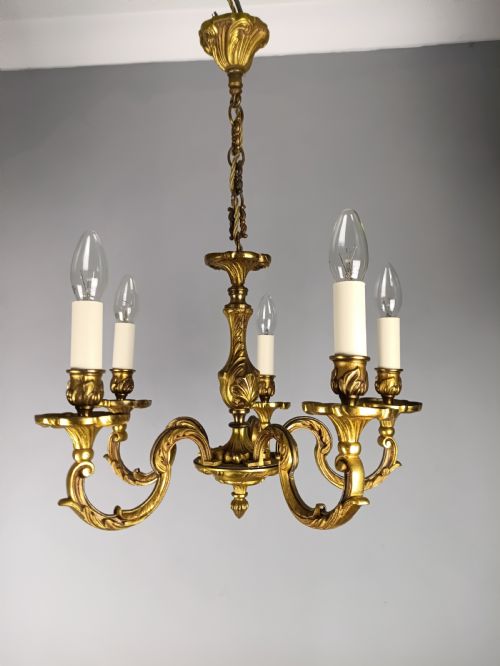
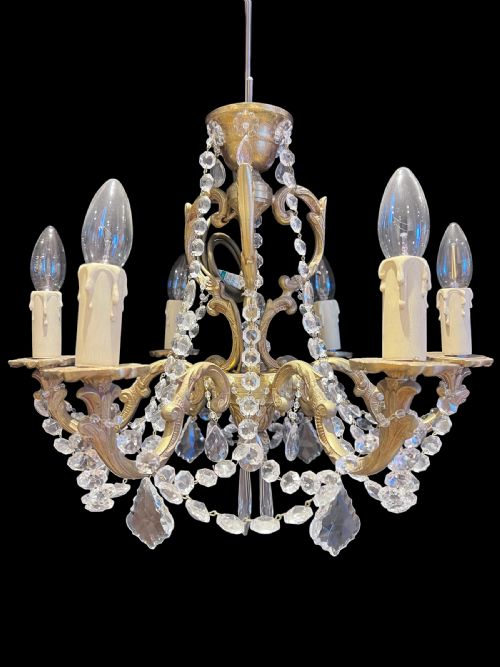
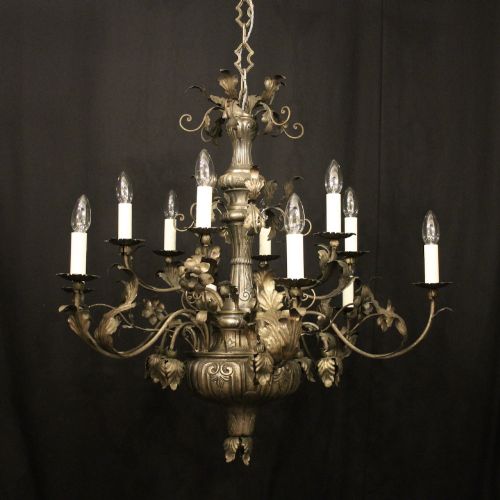
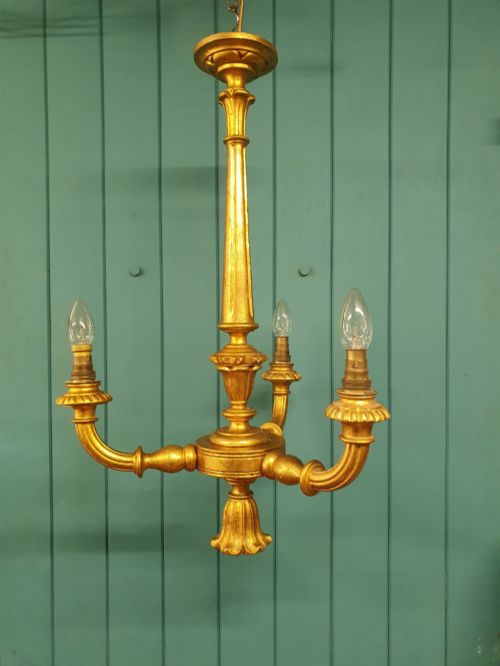
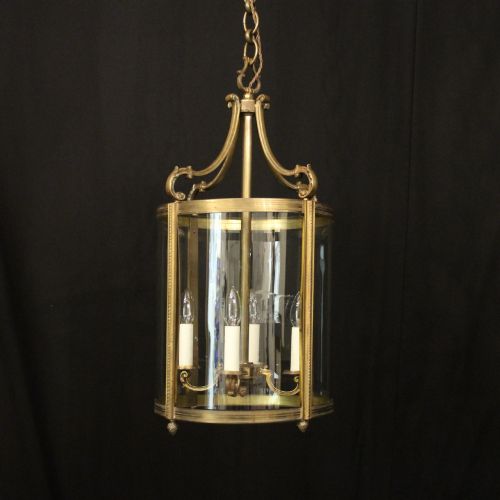
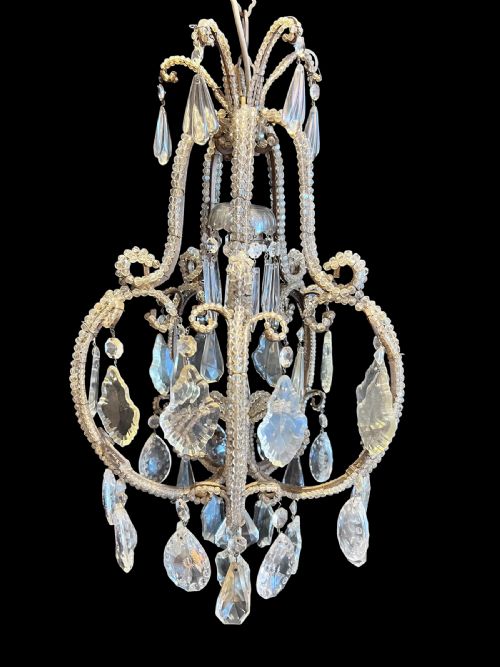
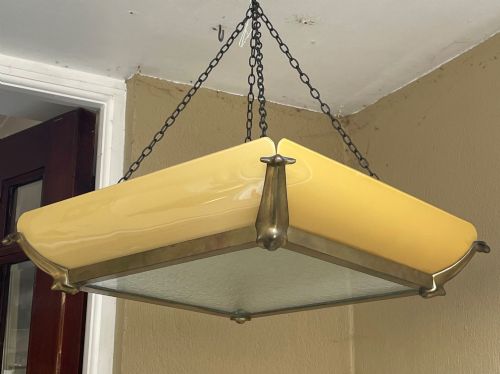
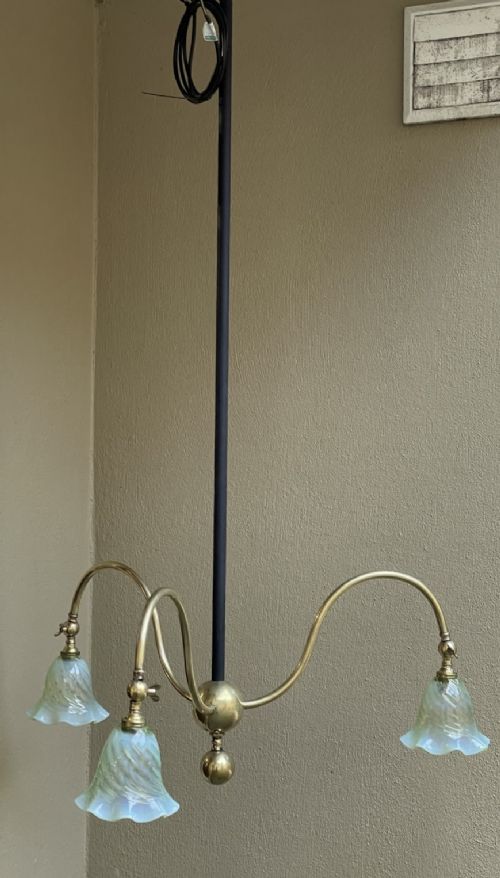
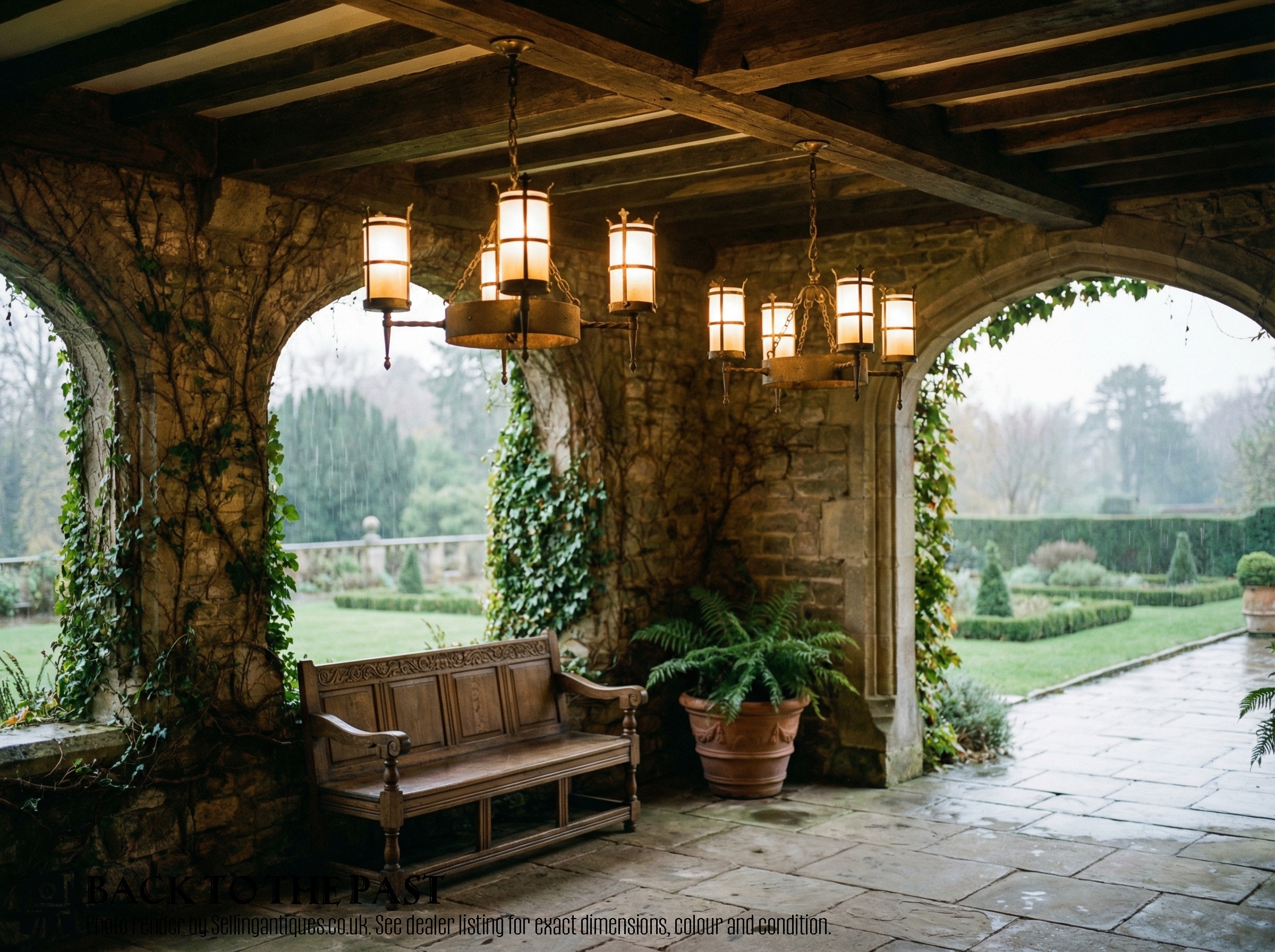
When searching for an antique ceiling pendant, buyers encounter a diverse range of hanging light fittings spanning the Victorian, Edwardian, and early twentieth-century periods. These fixtures appear primarily as elaborate multi-light chandeliers, hall lanterns, and single-bulb pendant lights designed to drop from overhead mounting points.
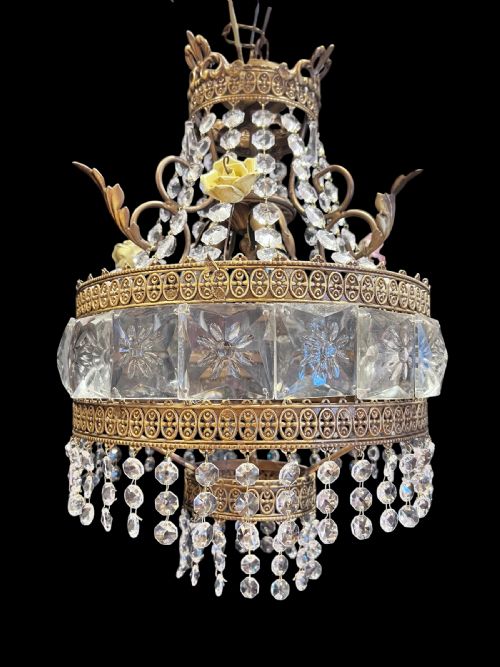
The pieces on this page range from robust Arts and Crafts brass frames to delicate Italian creations adorned with porcelain flowers or cut glass beads. Buyers will find that the physical form dictates both the scale of the room it suits and the quality of light it casts downward.
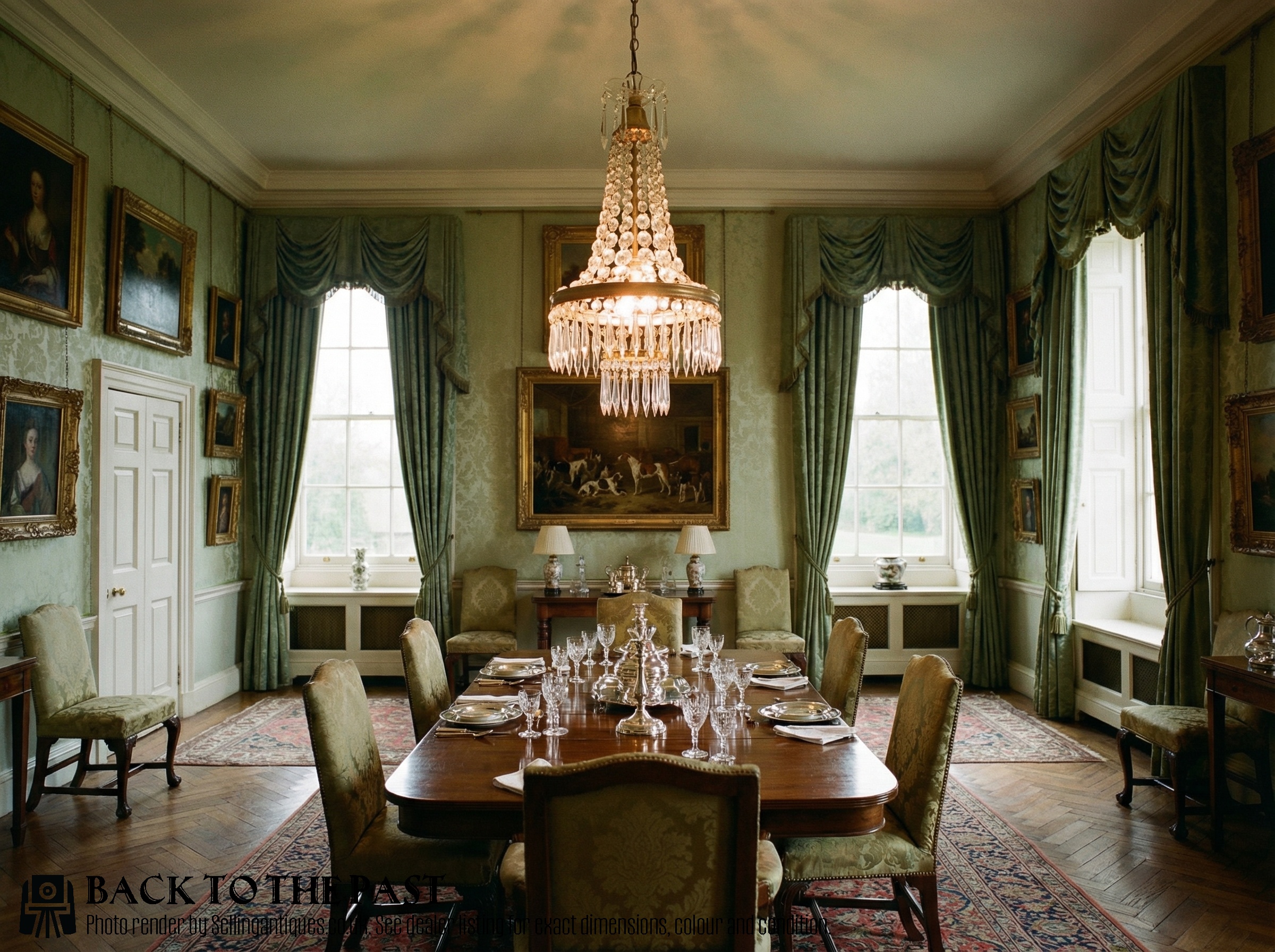
Materials and construction methods
Makers constructed these ceiling pendants primarily using metals such as brass, gilt bronze, copper, and cast iron, often combining them with hand-cut crystal, moulded glass, or opalescent shades. Metal components were cast, hammered, or spun before receiving gilt, patinated, or polished surface treatments.
Glass elements, ranging from prismatic Holophane shades to bevelled panes in hexagonal lanterns, were specifically shaped to refract and diffuse light efficiently from gas burners or early electric bulbs. Crystal lustres and drops were individually wired and hung from metal frameworks to enhance the overall luminosity and visual weight of the fixture.
Antique Ceiling Pendant Retail Price Guide 2026
Typical asking prices for ceiling pendant among the pieces listed under this phrase on Sellingantiques today, from the lower quarter to the upper quarter. They describe what is for sale here now, not the wider market.
Listings feature pieces from the Victorian, Edwardian, and 1930s periods, constructed from brass, crystal, and gilt bronze.
Assessing quality in hanging fixtures
Quality in an antique ceiling pendant rests upon the crispness of the metal casting, the clarity and weight of the glass or crystal components, and the integrity of the original structural framework. Finer examples display deeply chased gilt bronze, securely pinned crystal drops, and substantial gauge brass rather than thin, pressed sheet metal.
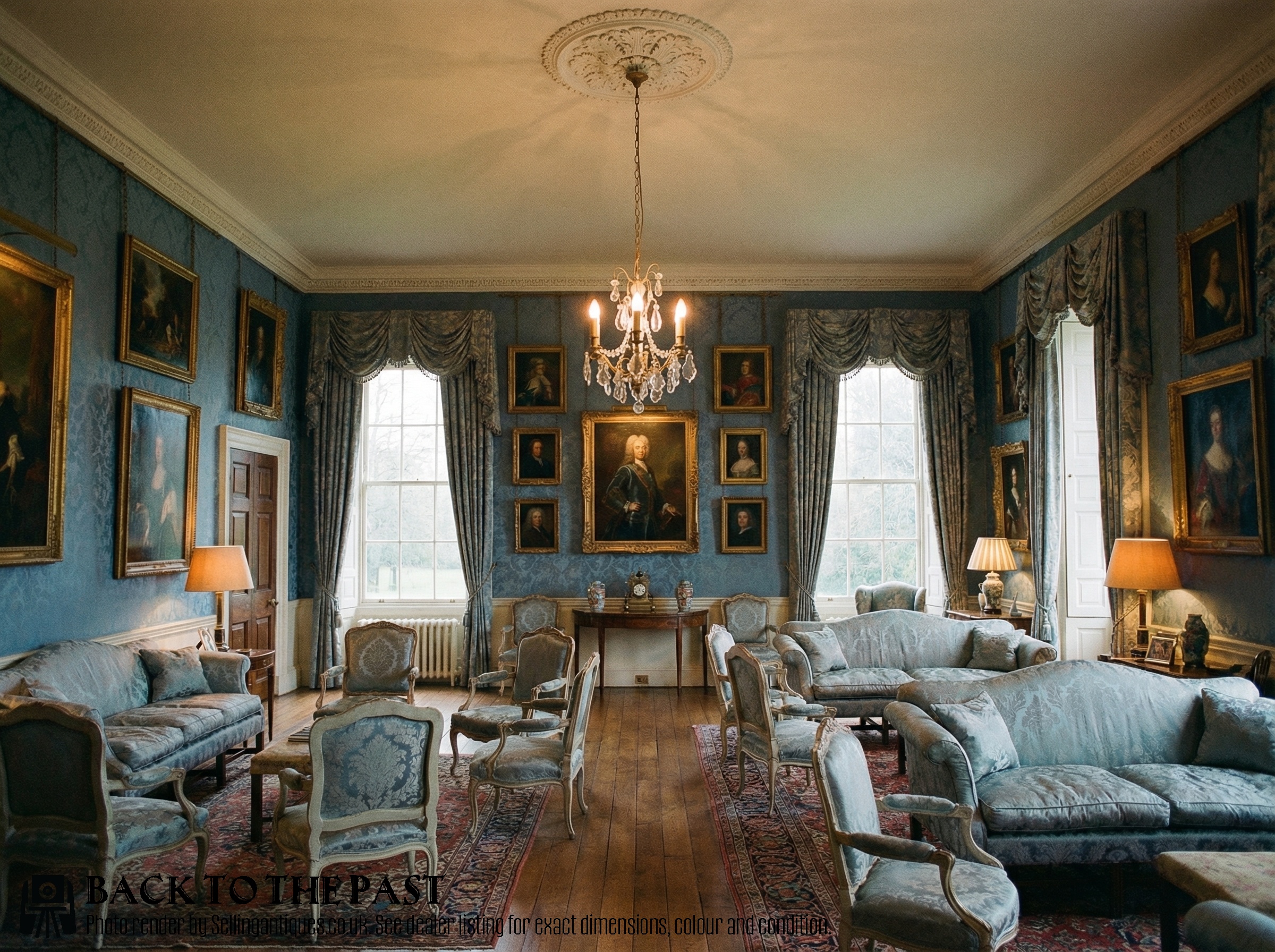
Émile-Jacques Ruhlmann
The Antique Ceiling Pendant Glossary
- Chandelier
- A branched ceiling-mounted lighting fixture designed to hold multiple light sources. These fixtures often feature elaborate ornamentation using crystal, glass, or metal arms.
- Hall lantern
- An enclosed hanging light fixture typically suspended in entryways or corridors. They generally feature glazed panels set within a brass or bronze frame.
- Holophane
- A brand of scientific glass shade characterised by prismatic ribs designed to direct light effectively while reducing glare. These shades are prized for their industrial yet refined aesthetic.
- Gasolier
- A historic lighting fixture originally designed to burn coal gas before being converted to electricity. They retain distinct structural valves and heavier gas-rated metal tubing.
- Lustre
- A cut crystal pendant or drop suspended from a chandelier to reflect and multiply the light. They are traditionally pinned to the metal corona or arms using small brass wires.
Antique Ceiling Pendant: Frequently Asked Questions
How do I choose the right size pendant?
Consider the floor area and ceiling height of your room before selecting a hanging light fixture. Larger multi-light chandeliers require substantial clearance and proportional space to avoid overwhelming the interior.
Smaller single-bulb pendants and hall lanterns suit compact hallways or specific task areas where massive spread is unnecessary.
Can these antique lights be rewired for modern use?
Most vintage and antique light fixtures accept modern electrical wiring and standard bulb holders safely. Professional electricians can usually adapt the internal channels without altering the visible historic exterior.
It remains essential to check that the hanging chain and ceiling rose can support the physical weight of heavy bronze or crystal bodies.
What is the difference between a lantern and a chandelier?
A chandelier relies on open branches or tiers radiating from a central stem to support multiple exposed or shaded bulbs. The framework is typically designed to showcase metalwork and dangling crystals.
Conversely, a lantern encloses the light source entirely within glazed panels, offering a more contained silhouette traditionally used in transitional spaces.
How do I date an antique ceiling light?
Dating relies on identifying the prevailing design style, such as Art Deco geometric lines or Victorian Gothic Revival ornamentation. Material choices, manufacturing techniques, and original mounting hardware provide additional chronological clues.
Historical context from documented makers or specific provenance records further clarifies the precise era of manufacture.