
French Style Chandelier
A french style chandelier brings dramatic illumination and continental elegance to a room, offering ornate metalwork and cascading crystal drops.
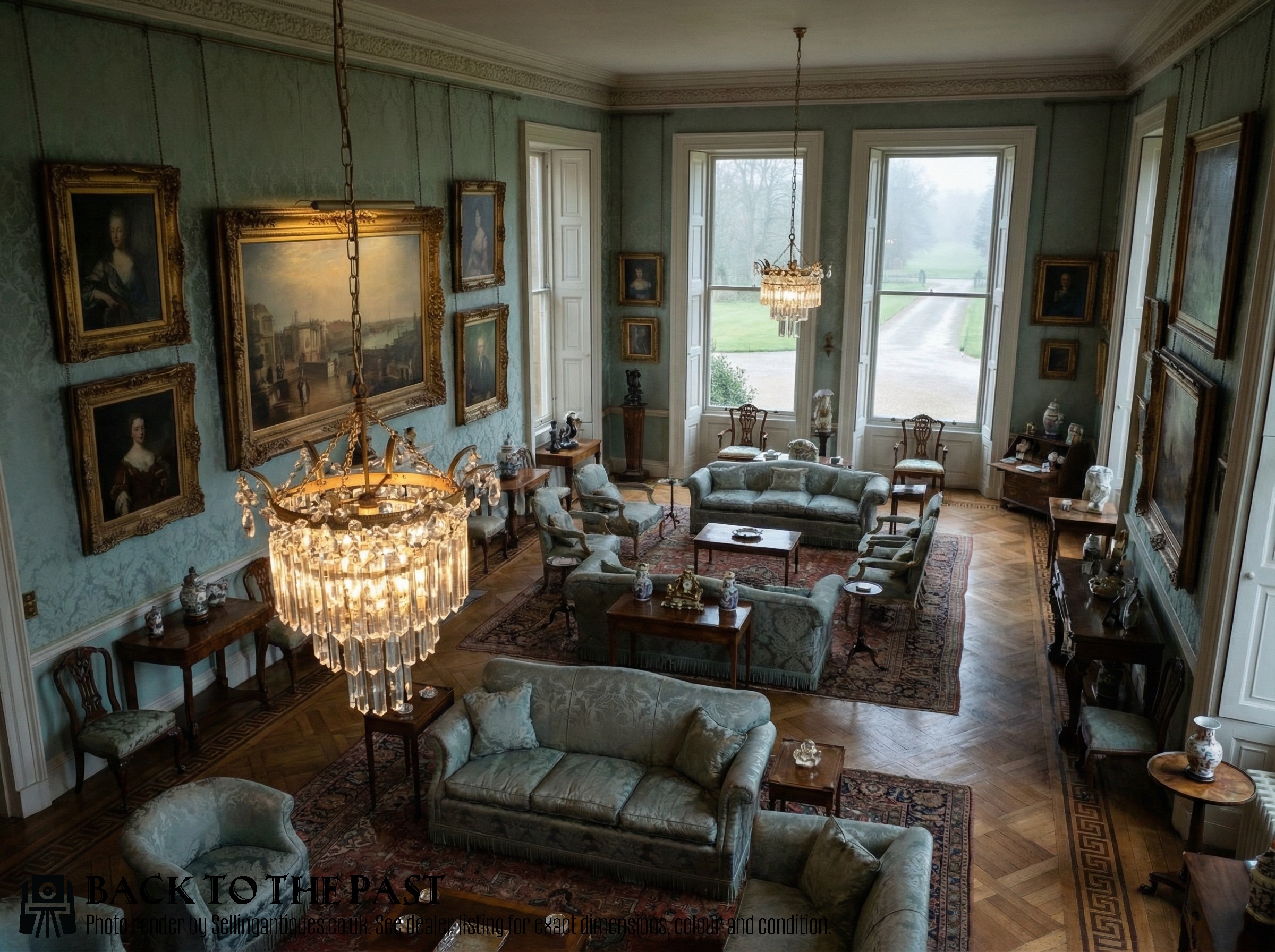
French Style Chandelier
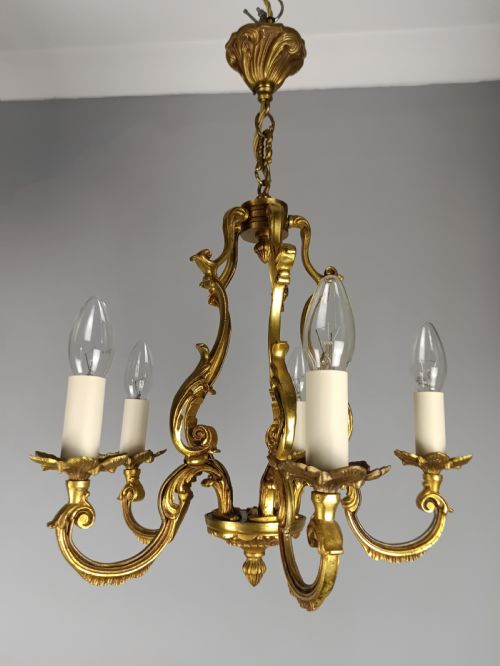
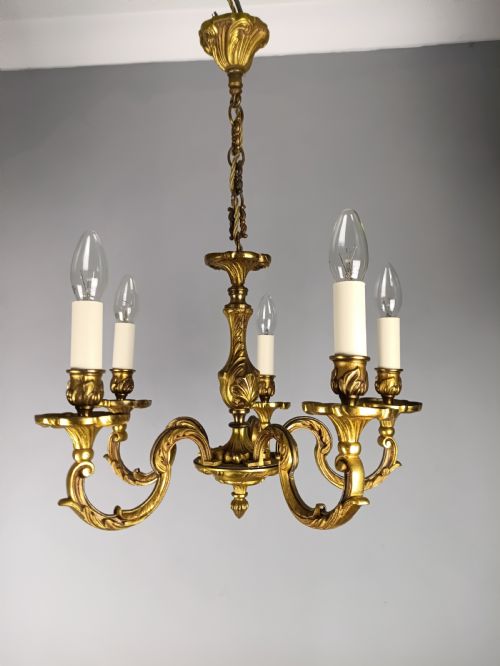
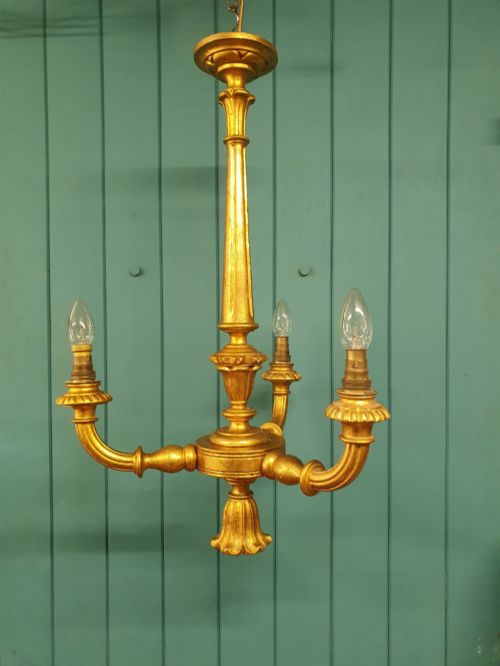
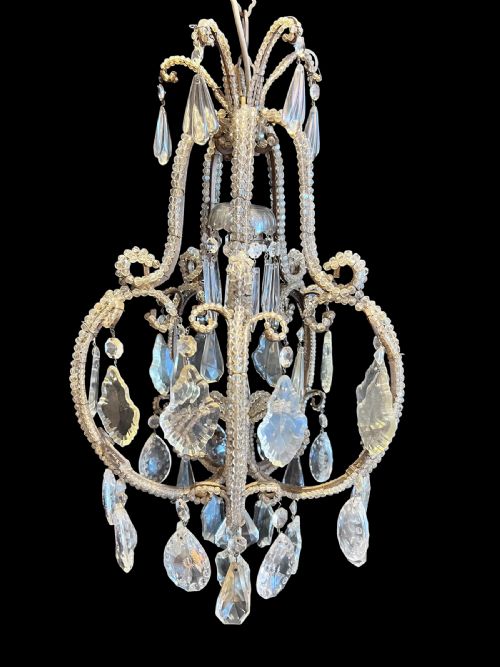
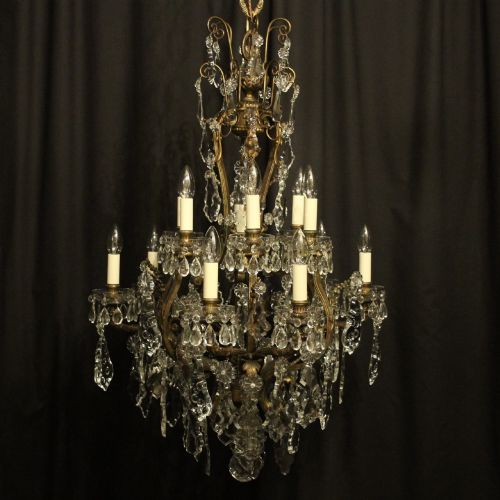
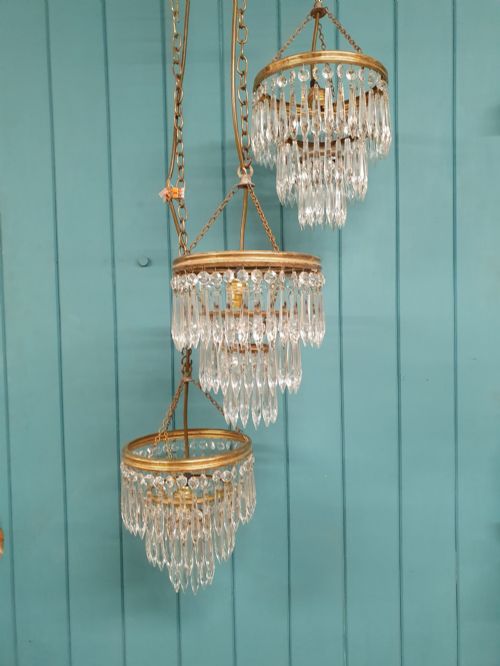
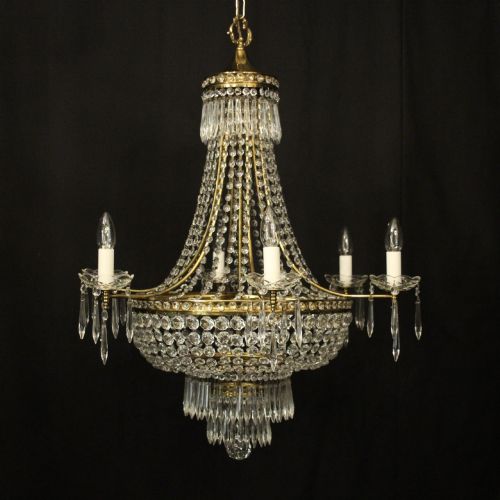
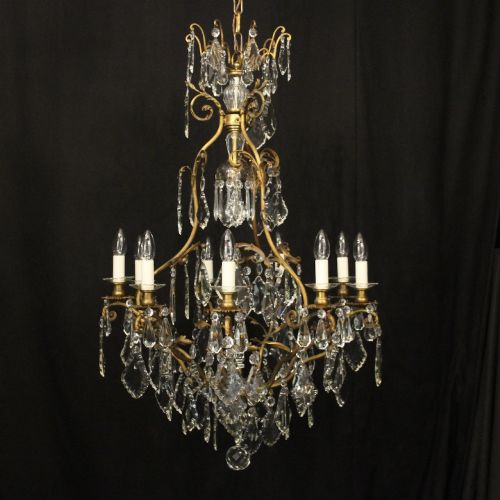
A french style chandelier encompasses elaborate ceiling illumination inspired by historical periods such as the nineteenth century, Edwardian era, and the nineteen-twenties. These pieces range from grand tent and waterfall configurations to intimate birdcage and basket designs.
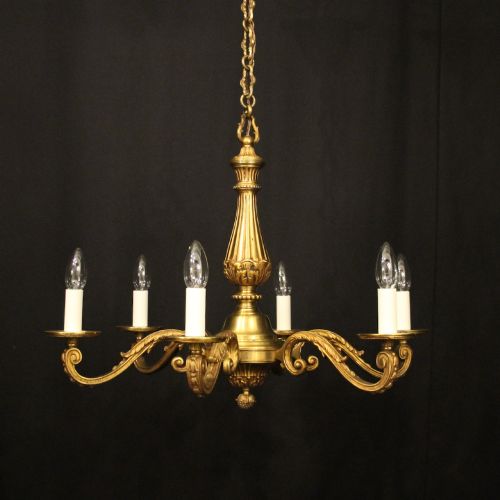
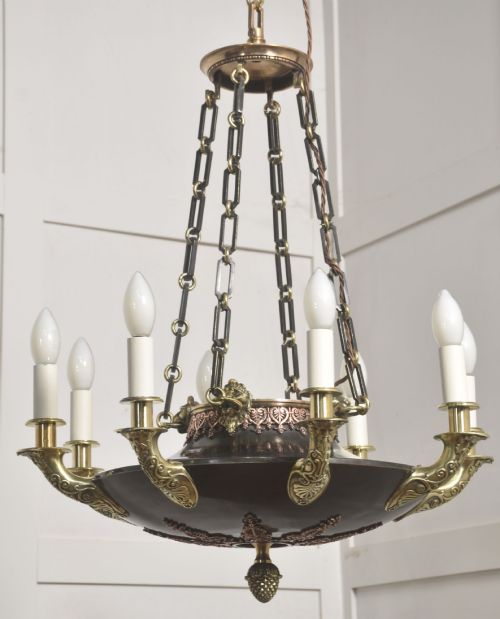
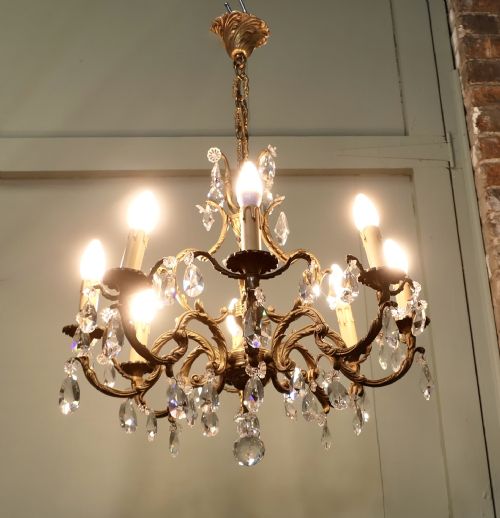
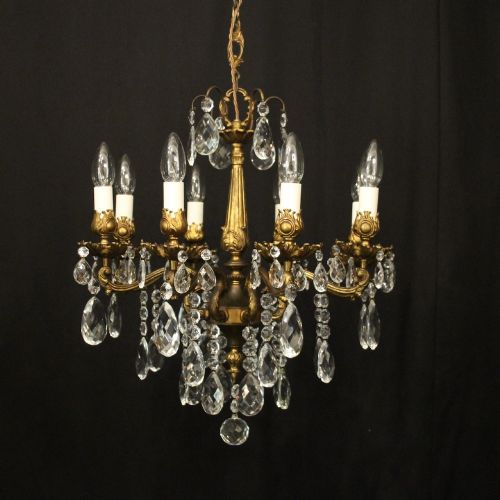
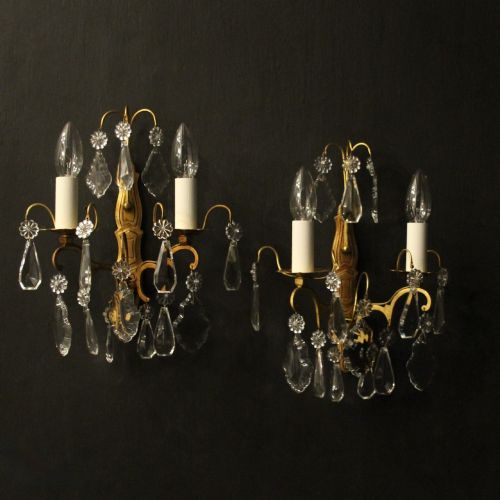
Buyers frequently encounter brass, bronze, and gilt frames paired with extensive cut glass and crystal embellishments. Examples span distinct aesthetic movements including Empire, Rococo, and Neoclassical designs originating from French and Italian workshops.
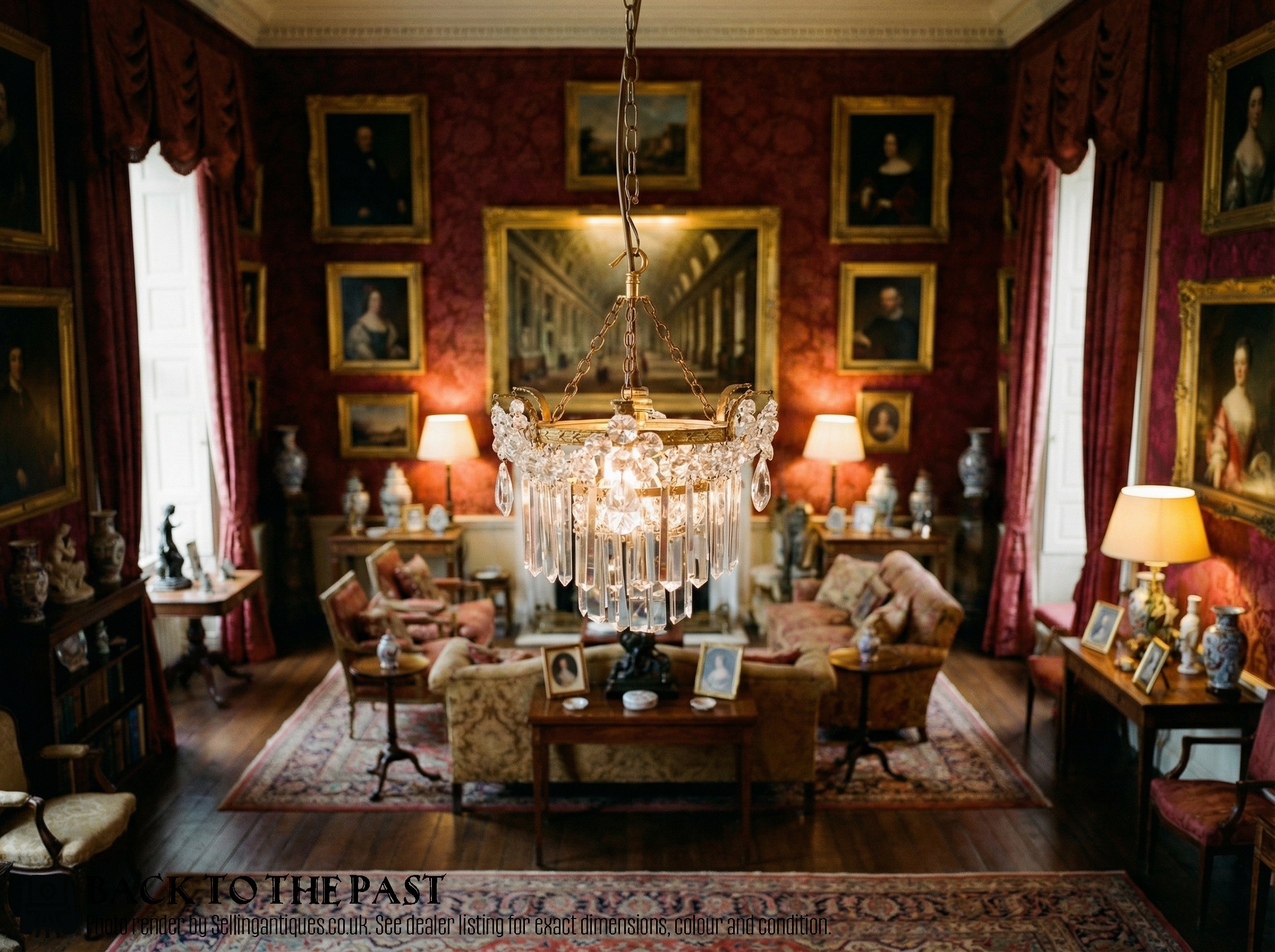
Materials and construction methods
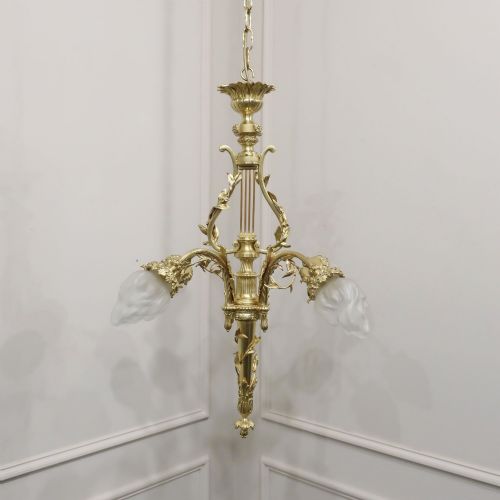
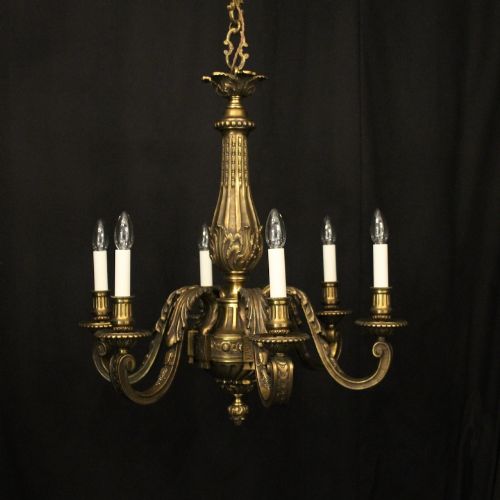
Foundational frames are constructed from cast brass, bronze, and gilt bronze, providing a sturdy armature for numerous light branches. Metal components often receive applied gilding, silvering, or dark patination to achieve specific decorative effects.
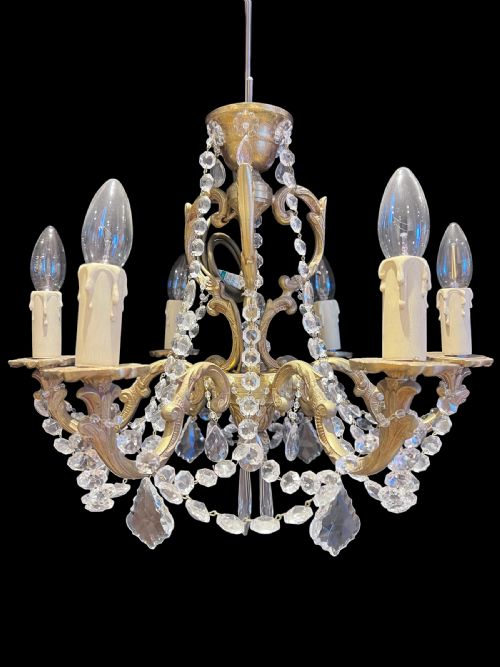
Pendants, beads, and lustres are shaped from cut glass and crystal, wired or pinned to the metal frame to refract light. Elaborate configurations utilise cascading tent and waterfall arrangements alongside intricate glass drops.
French Style Chandelier Retail Price Guide 2026
Typical asking prices for french style chandelier among the pieces listed under this phrase on Sellingantiques today, from the lower quarter to the upper quarter. They describe what is for sale here now, not the wider market.
Several chandeliers incorporate winged cherubs and cupids perched among the metalwork to watch over the room.
Distinctions in craftsmanship
Quality rests upon the weight and fineness of the metal casting, where heavy gilt bronze displays crisper ornamentation than lighter stamped brass. Superior examples feature meticulously hand-chased details on arms, nozzles, and central stems.
The grade of crystal influences optical brilliance, with hand-cut glass pendants producing sharper light refraction than moulded alternatives. Completeness and uniformity of the crystal drops, lustres, and bead chains further determine the integrity of the piece.
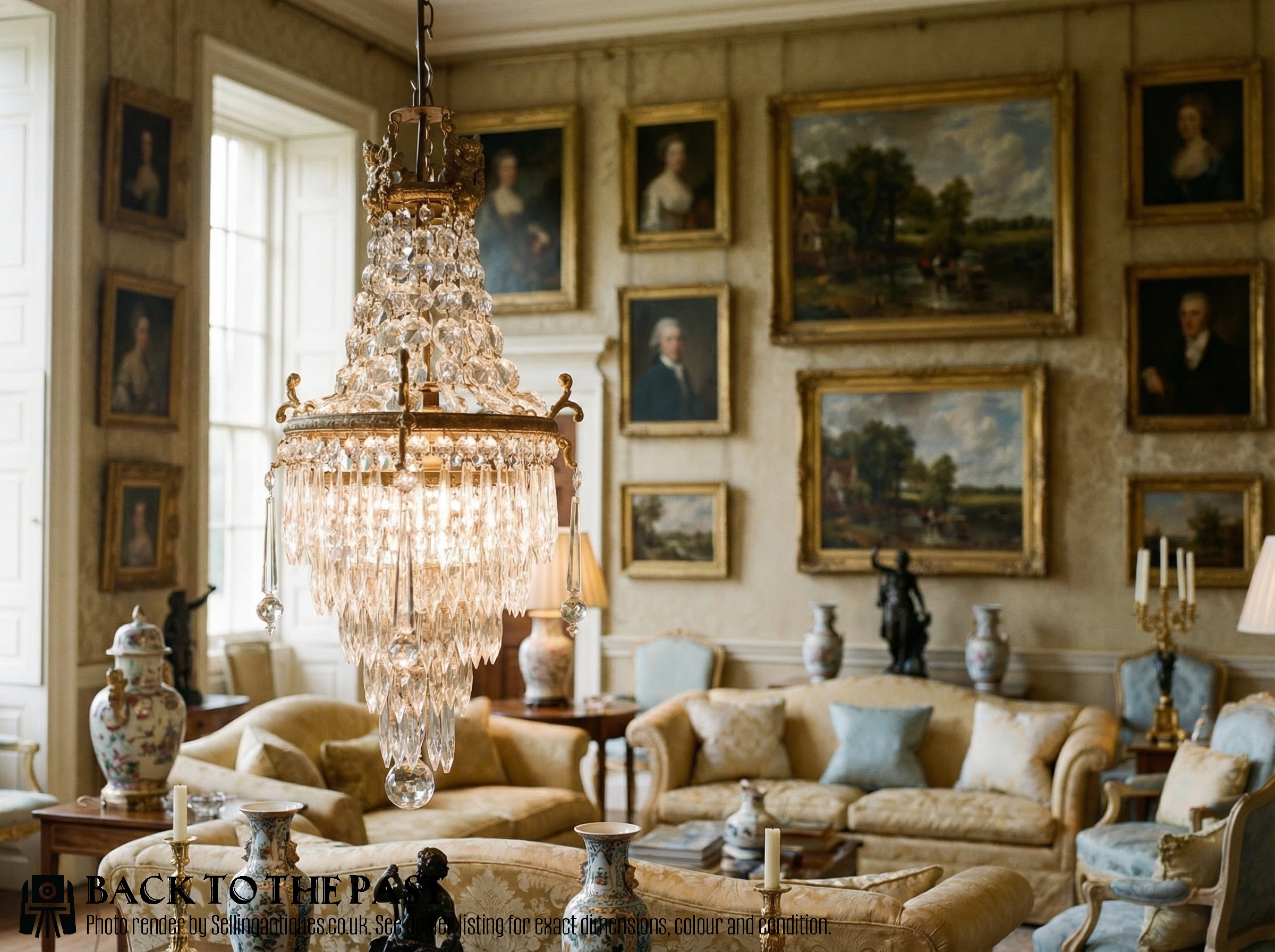
G.E.C
The French Style Chandelier Glossary
- Gilt Bronze
- Metal alloy coated with a thin layer of gold, providing a durable and decorative metallic finish. This material is frequently found on nineteenth-century and early twentieth-century fixtures.
- Tent and Waterfall
- A lighting configuration where strings of crystal beads form an upper conical tent above a cascading array of drops. This design maximises light reflection across large spaces.
- Lyre Chandelier
- A light fitting featuring a central frame shaped like an ancient stringed musical instrument, typical of Neoclassical design. These pieces often incorporate gilt bronze and candle-style arms.
- Lustre
- A cut glass or crystal pendant suspended from the arms or crown of a light fixture. Lustres amplify illumination by catching and scattering light from the bulbs or candles.
French Style Chandelier: Frequently Asked Questions
What defines a french style chandelier?
These fixtures are characterised by ornate cast metal frames of brass or gilt bronze combined with extensive crystal drop ornamentation. They draw upon historical design movements such as Empire, Rococo, and Neoclassical styles.
Such pieces range from multi-arm candle style chandeliers to intimate hall lanterns and basket configurations produced across the nineteenth and early twentieth centuries.
How were these chandeliers used originally?
Originally designed to hold candles before the widespread adoption of electricity, these fittings illuminated grand reception rooms, ballrooms, and hallways. The arrangement of glass drops and polished metal served to maximise the limited candlelight available.
Many surviving pieces have been subsequently converted for electrical use while retaining their historical appearance and decorative function.
How do I choose the right size?
Selecting the correct proportion depends on the dimensions of the room and the height of the ceiling. Large multi-tier tent and waterfall configurations suit expansive spaces, whereas petite basket designs or single-light lanterns fit narrower halls or lower rooms.
Consider both the diameter across the arms and the overall drop from the ceiling rose to ensure balanced placement within the interior.
How do I distinguish between periods?
Dating relies on observing stylistic markers, construction techniques, and material choices. Pieces from the nineteenth century often feature heavy gilt bronze castings and elaborate Rococo or Empire ornamentation, whilst Edwardian and nineteen-twenties examples can incorporate lighter brass frames and distinct revival forms.
Examining the fixings, wiring channels, and glass-cutting styles helps clarify the era of manufacture.