

Waterfall Crystal Light
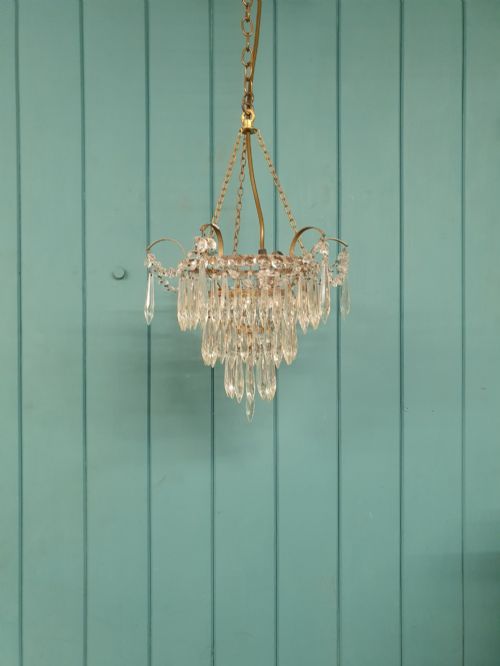
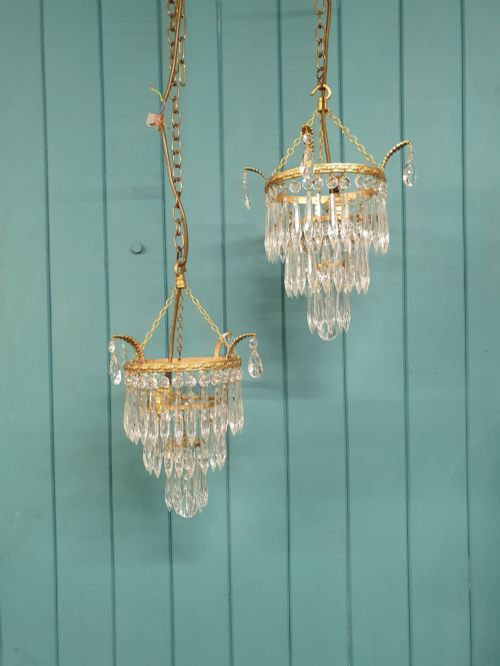
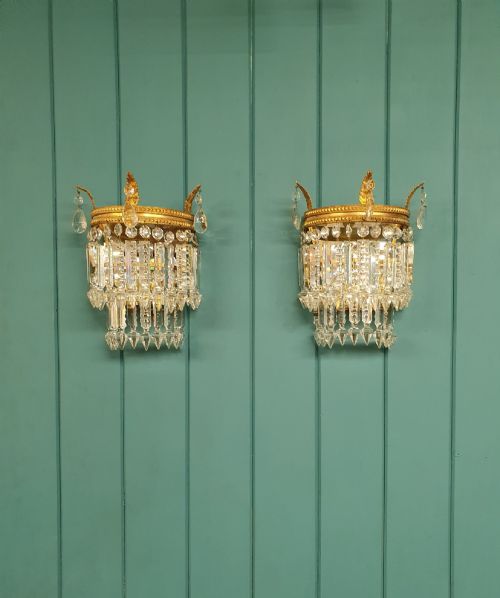
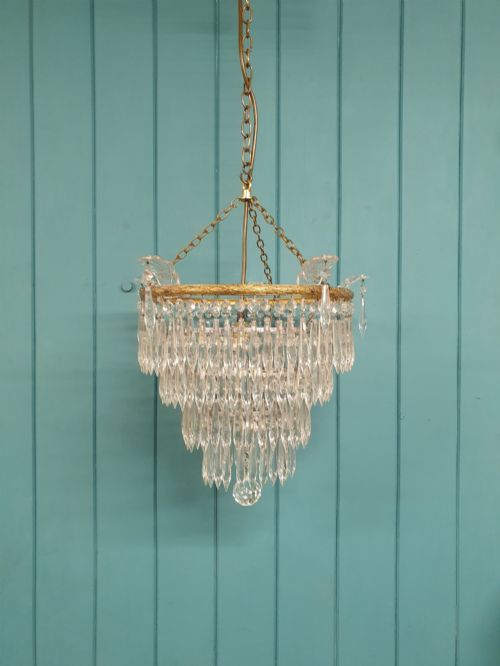
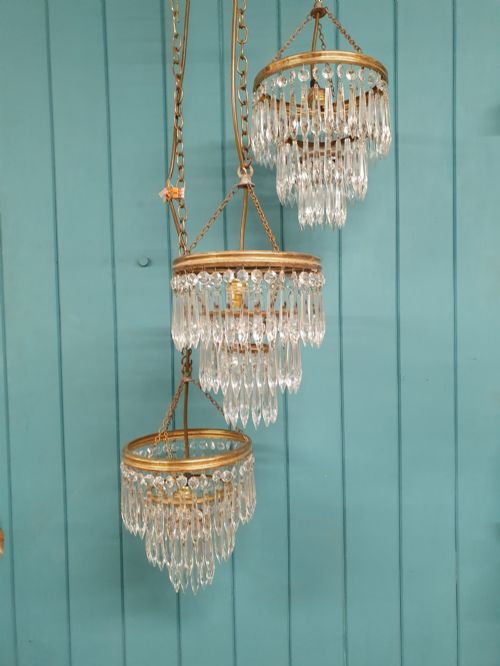
These waterfall crystal light fixtures are suspension and wall-mounted pieces designed to catch and refract light through cascading tiers of glass.
Waterfall Crystal Light
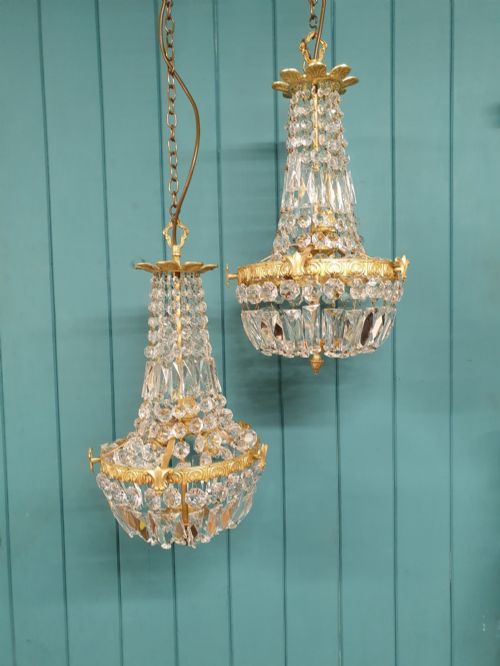
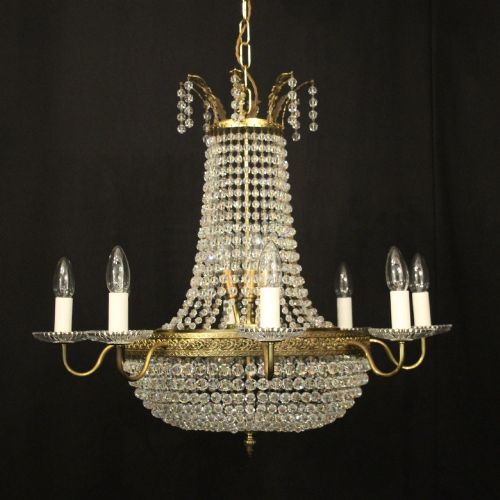
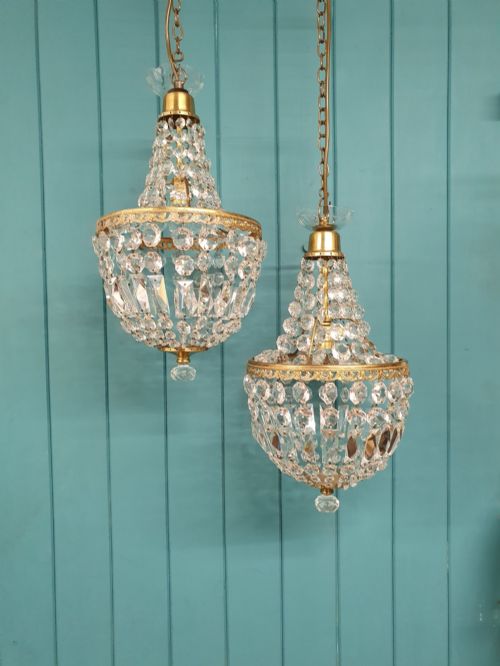
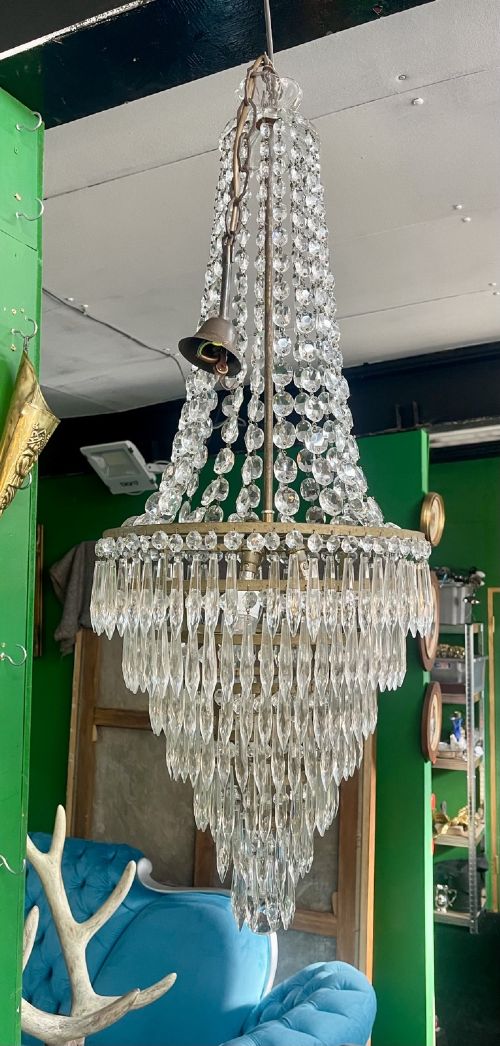
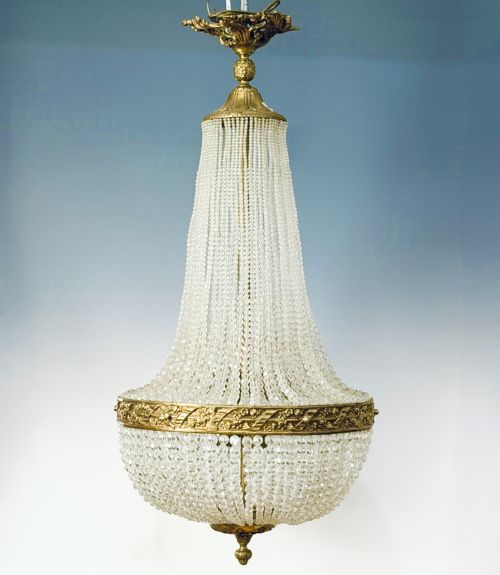
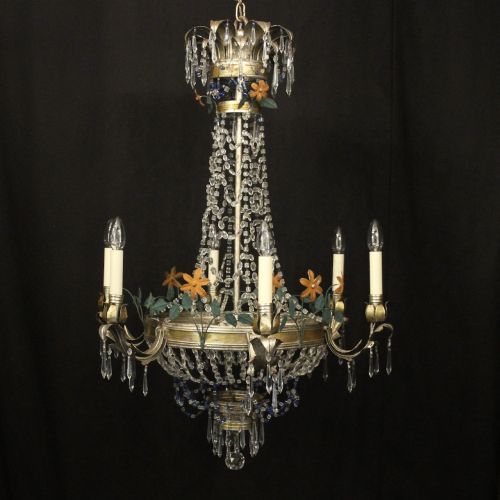
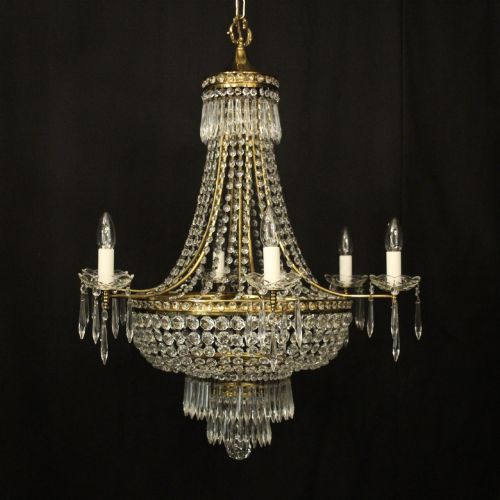
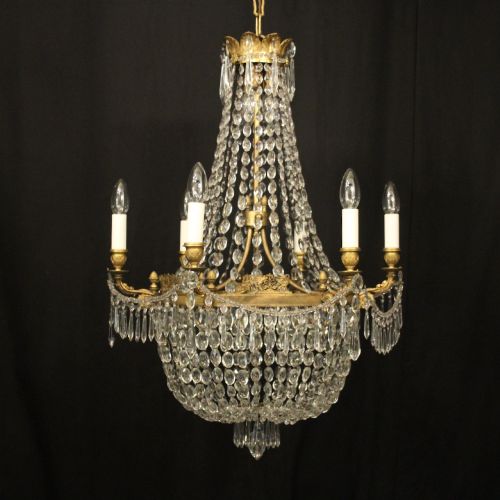
A waterfall crystal light brings together brass frames and suspended glass elements in forms ranging from compact wall sconces to multi-branch chandeliers. Buyers seeking a waterfall crystal light will most frequently encounter French Empire styles, Edwardian bag chandeliers, and tent-and-cascade arrangements originating between the late nineteenth century and the nineteen-thirties.
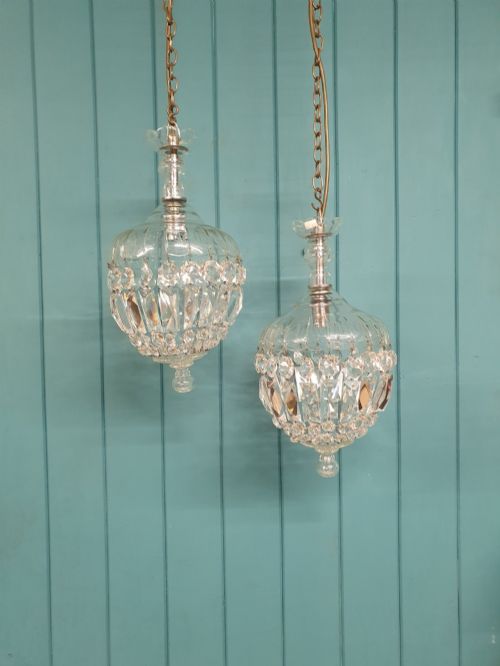
The selection encompasses diverse configurations including single-light plafonieres, small dome-topped fixtures, and large ballroom chandeliers with numerous branches. Pieces trace periods from the nineteenth century through the Edwardian era and into the nineteen-twenties and thirties, spanning French, English, and Swedish workshops.
Materials and Construction
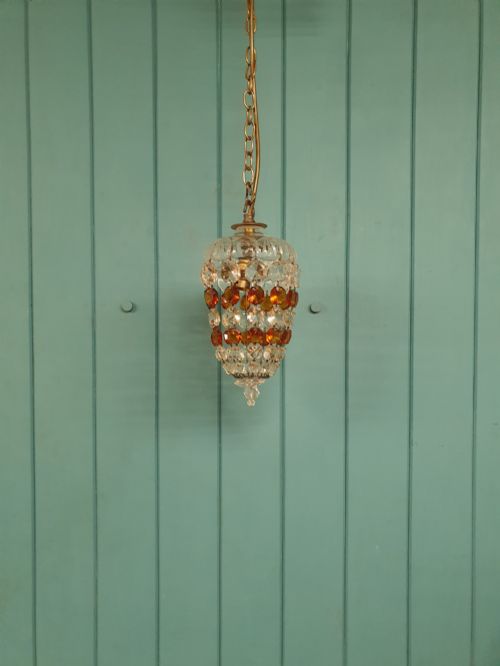
Makers constructed these fixtures using brass, gilt brass, and metal frames to support intricate arrangements of cut glass, crystal, and lustre drops. Individual glass components are pinned together by hand using wire links, forming tents, cascades, and bag shapes that drape over the metallic armature.
Mounts and structural branches receive decorative treatments such as leaf motifs or cast brass detailing. The combination of reflective metal finishes with cut crystal prisms creates the characteristic luminance when illuminated.
Waterfall Crystal Light Retail Price Guide 2026
Typical asking prices for waterfall crystal light among the pieces listed under this phrase on Sellingantiques today, from the lower quarter to the upper quarter. They describe what is for sale here now, not the wider market.
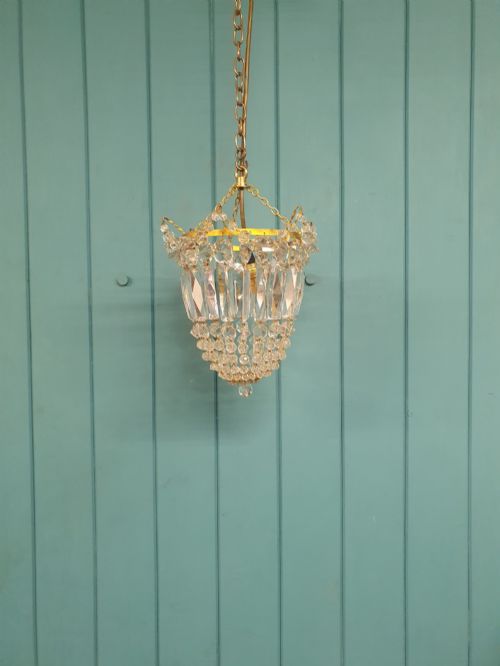
Some Edwardian variants are affectionately termed prison bag lights due to their distinct enclosing wire and crystal mesh.
Gradations in Execution
Quality rests upon the precision of the glass cutting and the density of the prismatic drops that form the cascade. Finer examples display crisp facets on every crystal and heavier brass or gilt mounts that maintain structural integrity across large tent configurations.
Simpler fixtures rely on pressed glass elements and lighter wire frames, whereas superior pieces integrate cast brass detailing, balanced proportions, and substantial branch counts to support complex multi-tier compositions.
The Waterfall Crystal Light Glossary
- Tent and waterfall
- A lighting configuration where an upper crown of glass drops slopes outward into a tent shape above a lower cascading waterfall of crystals.
- Bag chandelier
- A fixture style featuring a flattened or rounded base filled closely with strung crystal octagons, resembling a small hanging bag.
- Spike chandelier
- A vertical lighting form tapering downward into a distinct central drop or terminal spike.
- Plafoinere
- A ceiling-mounted light fixture set flush or close to the surface, holding glass crystals within a shallow frame.
- Lustre
- A glass pendant or drop suspended from the arms or frame of a lighting fixture to refract illumination.
Waterfall Crystal Light: Frequently Asked Questions
How do I hang a heavy crystal chandelier?
Suspension requires securing the fixture directly into a ceiling joist or structural beam using an appropriate metal hook and rated electrical box. Heavier multi-branch arrangements demand professional installation to support the combined weight of brass frames and glass tiers safely.
Electrical wiring must be checked to ensure the internal components match modern safety standards before connecting the fixture to the mains supply.
What is a tent and waterfall chandelier?
This design style utilises an upper triangular section of strung crystals that drapes outward, transitioning into a cascading lower tier resembling falling water. The structure relies on a metal frame to hold the graduated rows of glass drops in place.
Such fixtures became popular across various periods, particularly in French Empire and Edwardian lighting design.
How do I clean crystal light fixtures?
Cleaning involves wiping individual glass drops with a mild solution of warm water and a gentle detergent while the pieces remain on the frame or after careful removal. A soft cloth prevents scratching the cut surfaces and preserves the clarity of the glass.
Wiring and metal mounts must be kept dry during the process to protect antique brass finishes and electrical components.
Are these lights electrified for modern use?
Most surviving pieces have been adapted over time to accept standard bulb fittings for contemporary domestic electrical systems. Inspection of the internal wiring is recommended upon acquisition to confirm compliance with current regulations.
Single-light and multi-branch configurations accommodate various low-wattage bulbs designed to illuminate the cut glass effectively.