


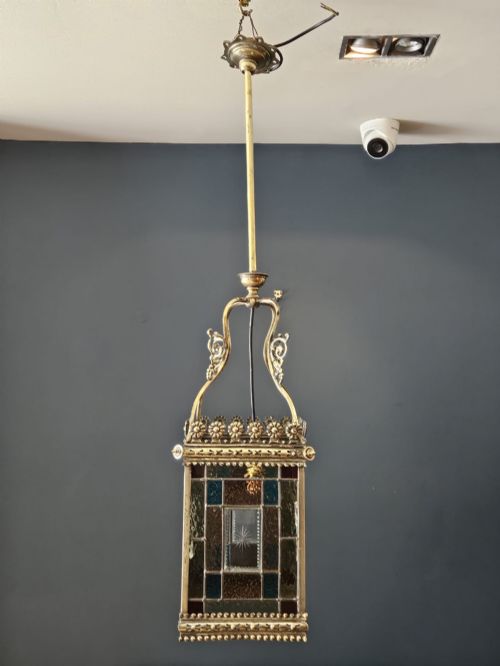
Antique Glass Pendant
An antique glass pendant brings focused illumination and tactile history to a room through varied period forms.

Antique Glass Pendant
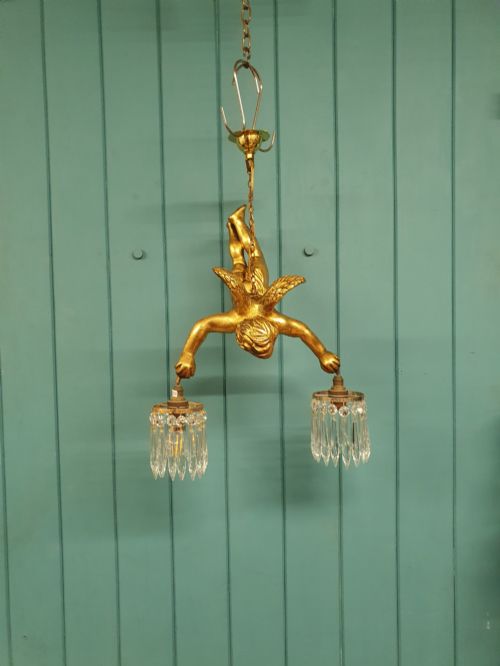
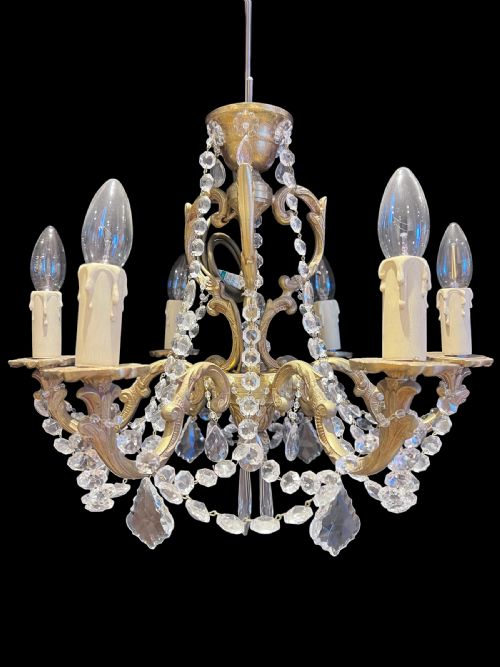
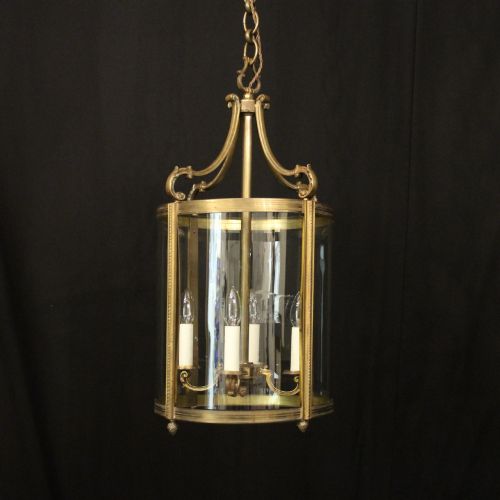
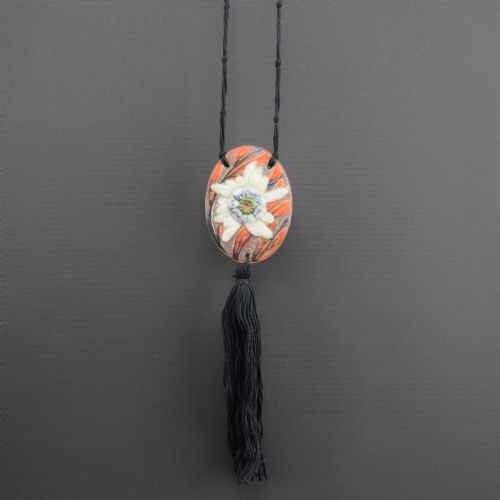
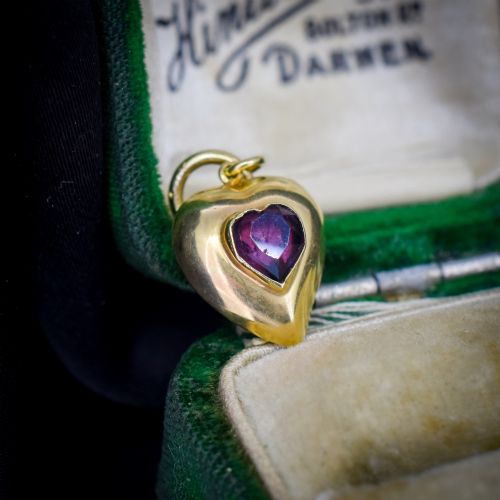
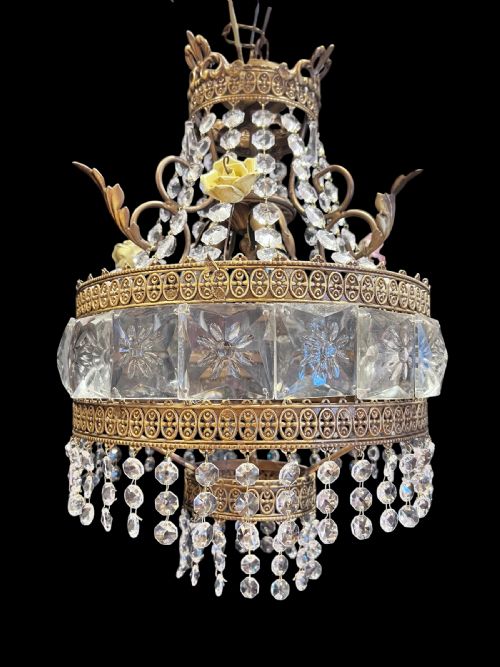
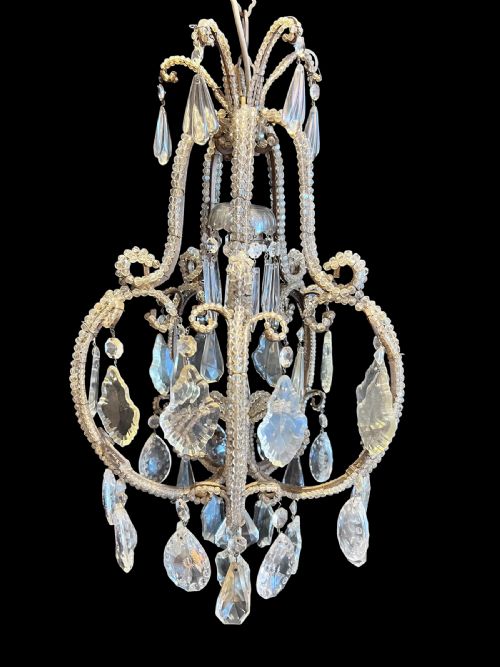
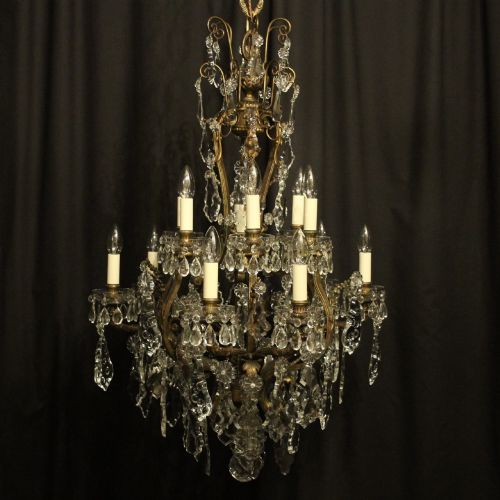
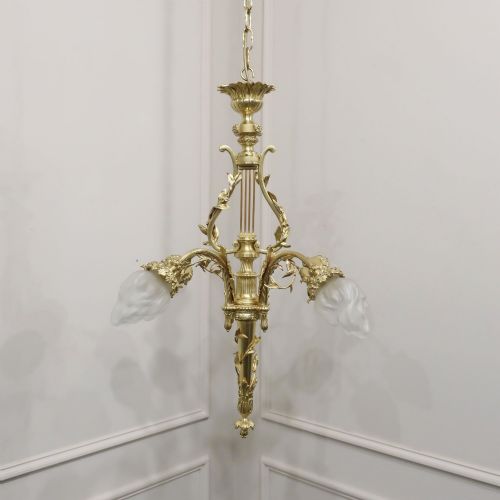
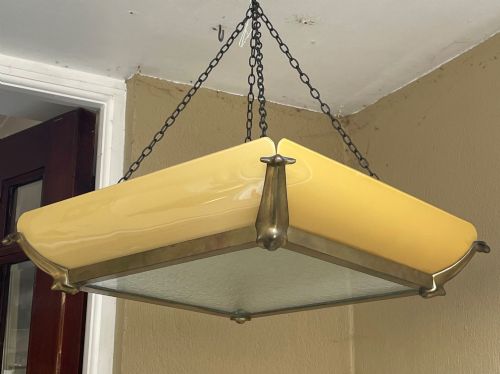
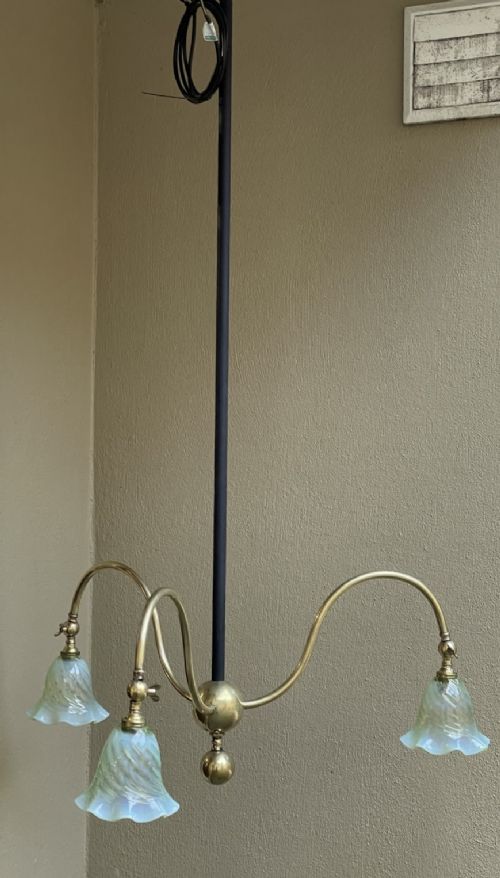
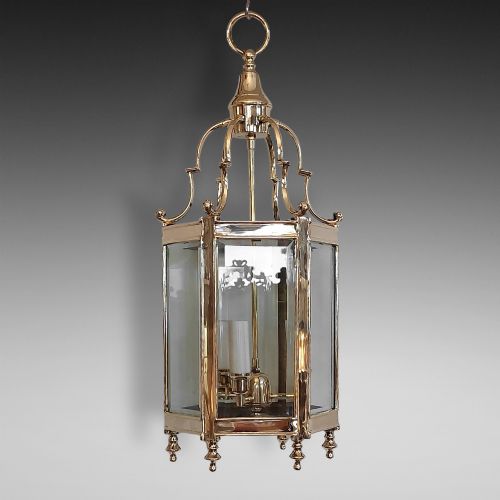
When you search for antique glass pendant pieces, you encounter a diverse range of items spanning domestic lighting and personal jewellery. The selections include single ceiling suspended shades, hall lanterns, and small wearable charms or necklaces incorporating glass elements.
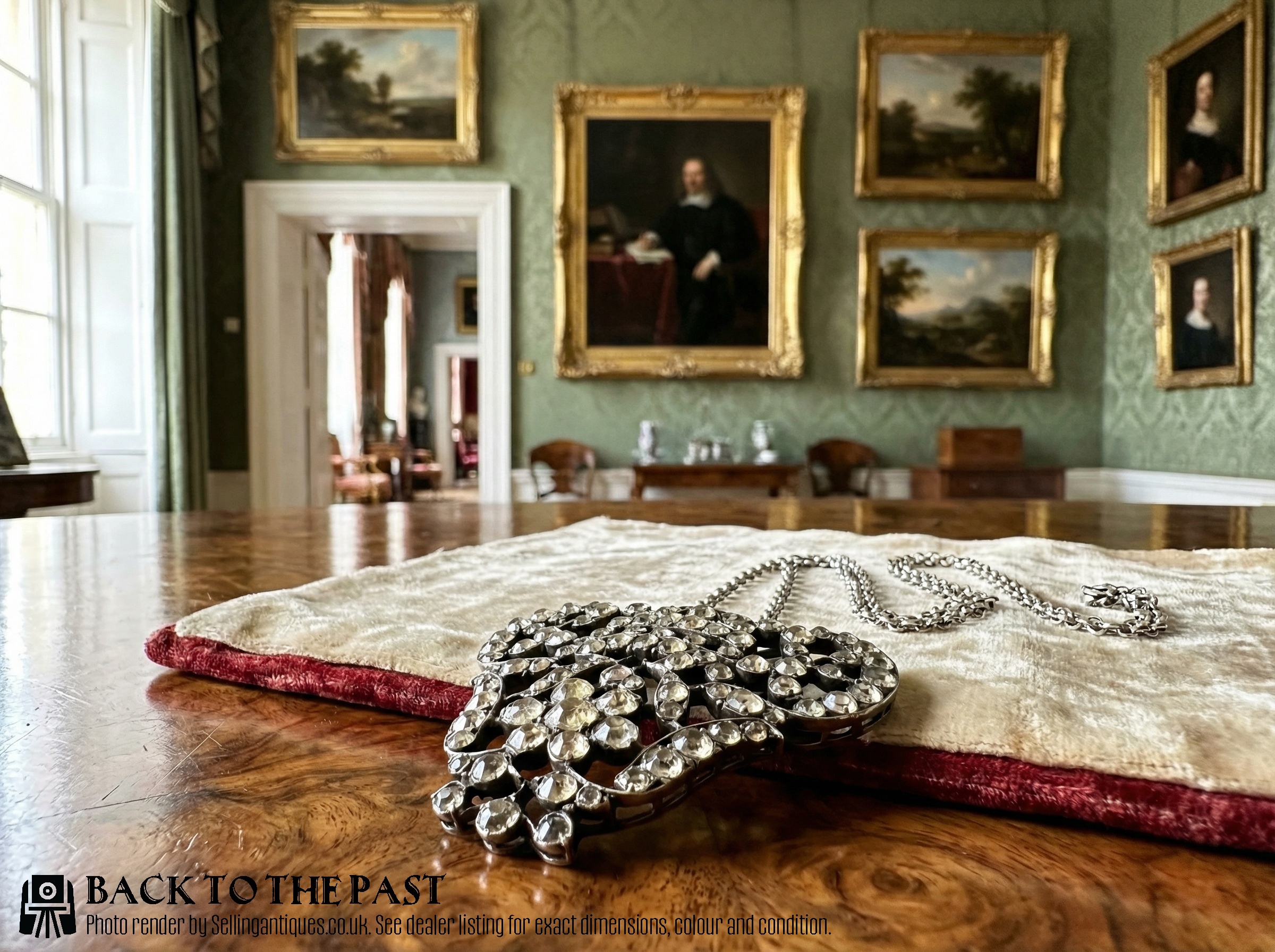
The domestic lighting examples range from utilitarian opaline and milk glass ceiling fixtures to ornate cut crystal fixtures and brass framed lanterns. Concurrently, the jewellery category offers paste glass hearts and intricate glass drops set in silver or gold.
Pieces originating from the Victorian, Edwardian, and Art Deco periods dominate the selection, showing distinct shifts from heavy brass frameworks toward streamlined glass forms. These items served functional roles in homes or functioned as personal adornment, reflecting the prevailing design ethos of their respective decades.
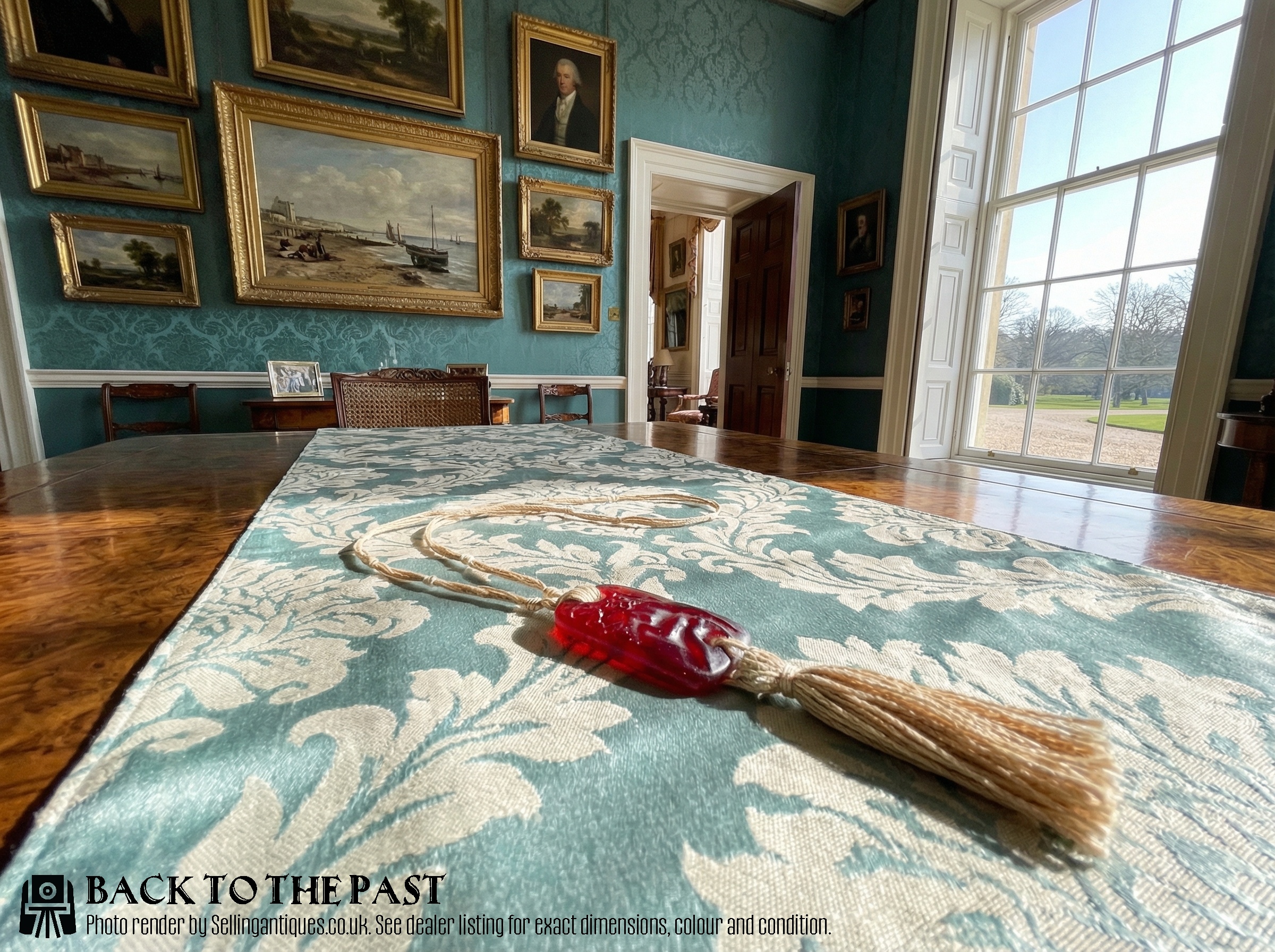
Materials and construction techniques
Makers utilised molten glass, blown or moulded into specific shapes, combined with structural metals like brass, copper, and gilt bronze. Metal galleries and frames secure the glass shades, often utilising lead or soldered joints to hold bevelled and coloured panels together.
Surface decoration involved cutting, polishing, and acid-etching the glass to manipulate light dispersion within chandeliers and pendant lamps. Jewellers employed paste glass alongside precious metals to mimic gemstones in smaller pendant charms and necklaces.
Antique Glass Pendant Retail Price Guide 2026
Typical asking prices for glass pendant among the pieces listed under this phrase on Sellingantiques today, from the lower quarter to the upper quarter. They describe what is for sale here now, not the wider market.
The selection includes ceiling-mounted pendant lights, hall lanterns, and small wearable charms forged in the nineteenth and early twentieth centuries.
Assessing craftsmanship and physical integrity
Quality rests in the precision of the glass cutting, the clarity of the material, and the sturdiness of the metal mounts. Finer examples display hand-cut facets that catch light cleanly, free from cloudiness or bubbles unless intentionally stylistic.
The assembly of the frame dictates durability, where substantial brass galleries and secure fixings separate superior fixtures from lighter, mass-produced alternatives. Original metal patina and intact glass components without replacement sections elevate the integrity of the piece.
Argy Rousseau·Émile-Jacques Ruhlmann
The Antique Glass Pendant Glossary
- Opaline glass
- A type of semi-translucent glass that has a milky appearance, often tinted in shades of white, pink, or blue. It diffuses light softly and was widely utilised for Victorian and Edwardian ceiling shades.
- Paste glass
- Hand-cut glass used to imitate precious gemstones in antique jewellery. It is backed with foil or metal to enhance reflectivity within charms and necklaces.
- Gallery
- The metal collar or rim that grips the top of a glass pendant shade to suspend it from a ceiling chain or bracket. Galleries often feature decorative piercing or matching metal finishes.
- Holophane
- A brand of scientific glass shade designed with prismatic ribs to direct and diffuse light efficiently. These industrial fixtures appear frequently in early twentieth-century interiors.
- Cut glass
- Glass decorated by grinding facets or patterns into the surface using a wheel. This technique maximises sparkle and refraction in heavier pendant lights and chandeliers.
Antique Glass Pendant: Frequently Asked Questions
How do I clean an antique glass pendant?
Remove the glass shade from its metal gallery if possible, then wash it gently in warm soapy water using a soft cloth. Avoid harsh chemical cleaners that might damage aged metal fittings or delicate surface finishes.
Dry the components thoroughly before reassembling them. For fixed metal frames, dust lightly with a dry brush to preserve the natural patina.
What is the difference between opaline and milk glass?
Opaline glass possesses a subtle translucency and often exhibits a fire-polished glow when held to the light. It was frequently produced in delicate pastel colours during the nineteenth century.
Milk glass is typically opaque white and heavier in appearance. It gained popularity for durable domestic lighting and decorative tableware.
How do I date an antique glass pendant?
Examine the construction methods of the metal gallery, the type of screws used, and the style of the glass moulding. Victorian pieces often feature heavy brass and hand-blown shades, while Art Deco items display geometric symmetry and chrome finishes.
Look for registration marks or maker stamps on the metal components to narrow down the decade of production.