


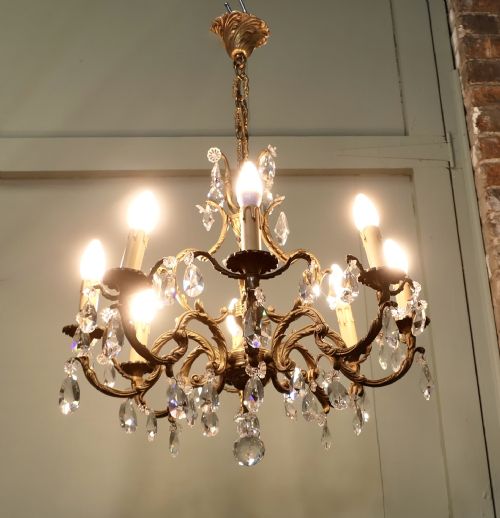
Brass and Glass Pendant
When you search for a brass and glass pendant, you find hanging lights that combine metal frames with clear, cut, frosted, or opalescent panels to illuminate interior spaces.
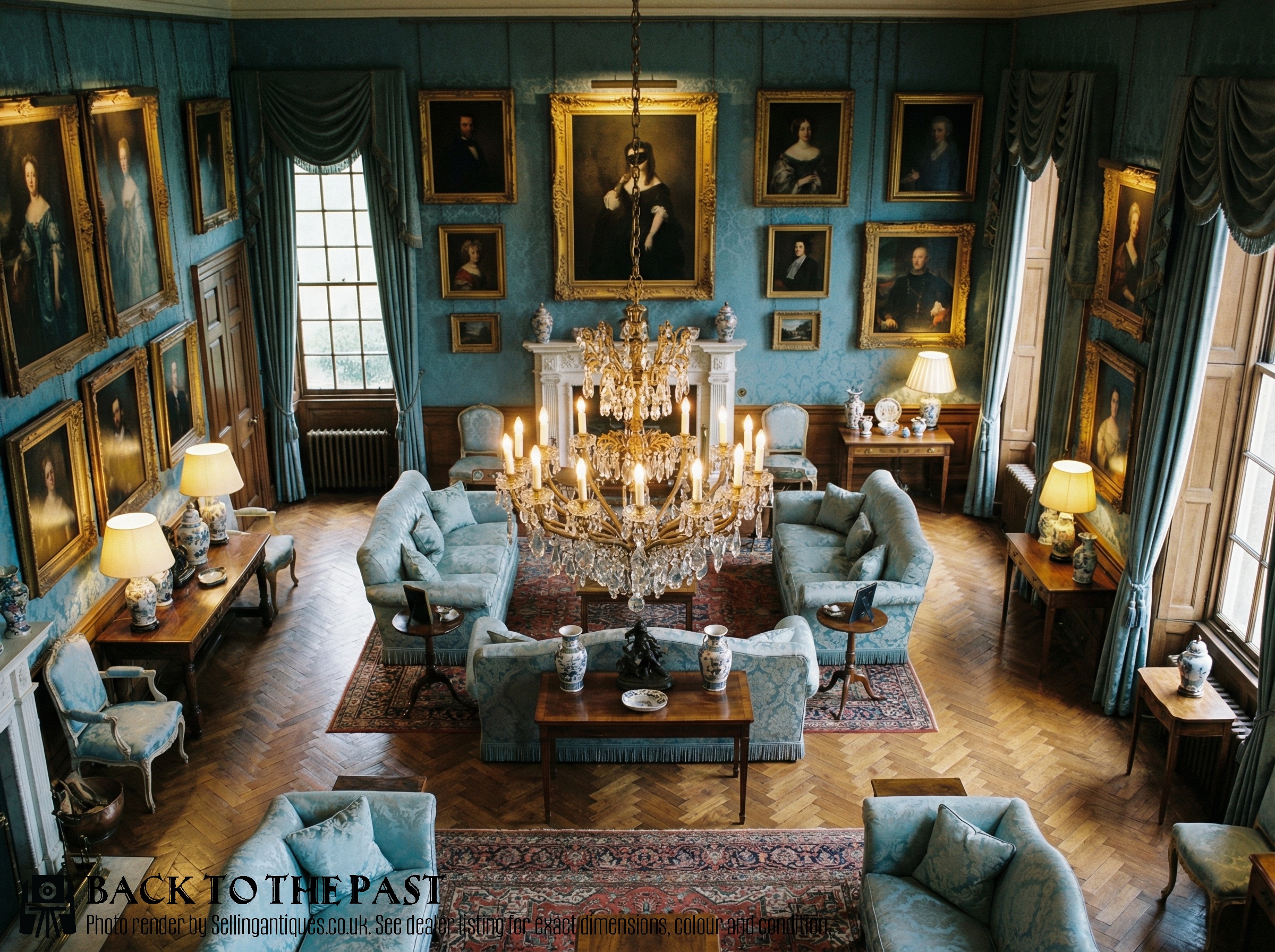
Brass and Glass Pendant
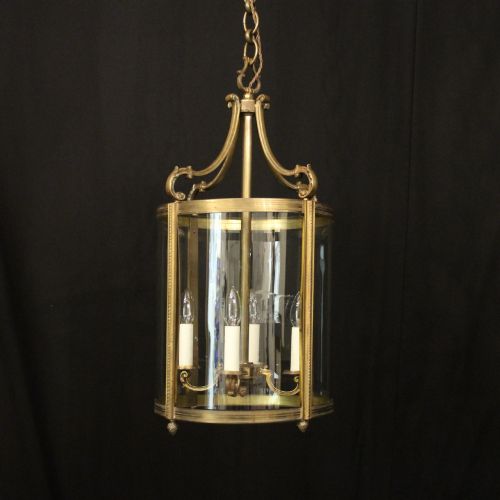
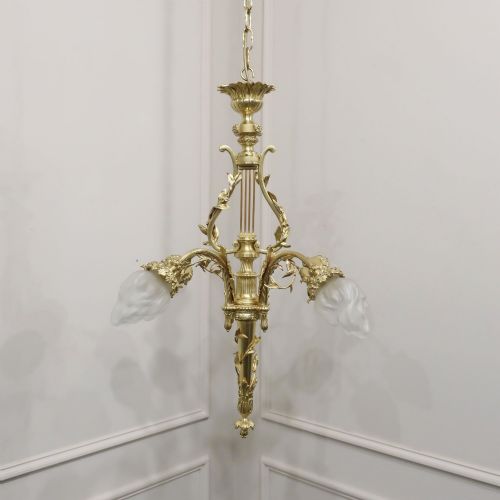
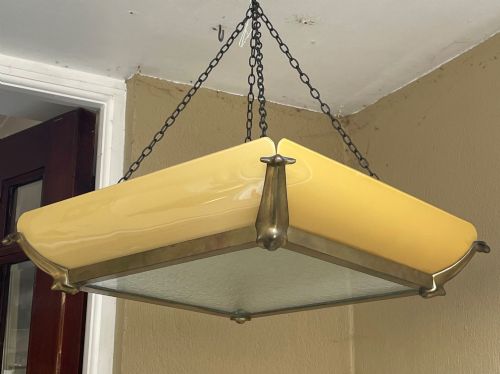
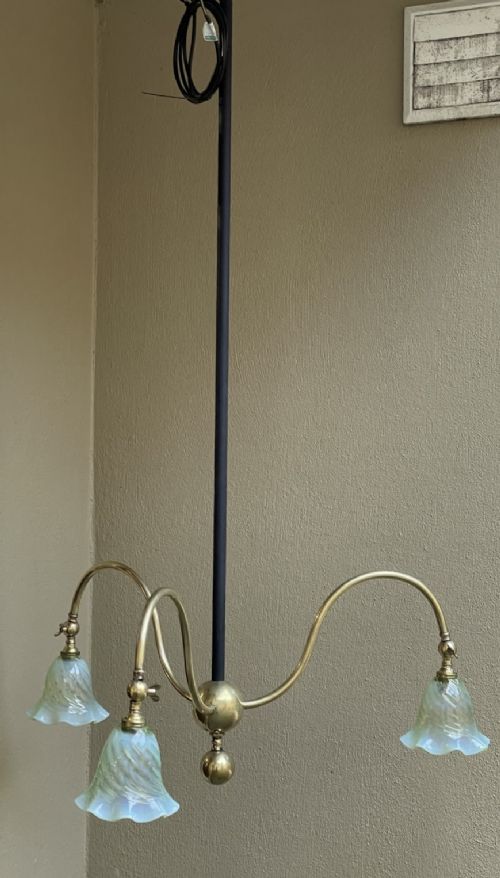
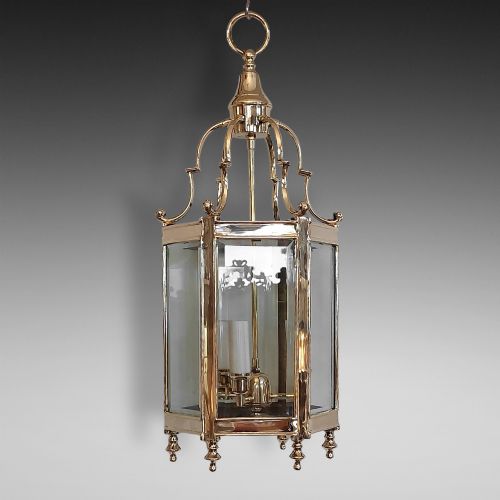
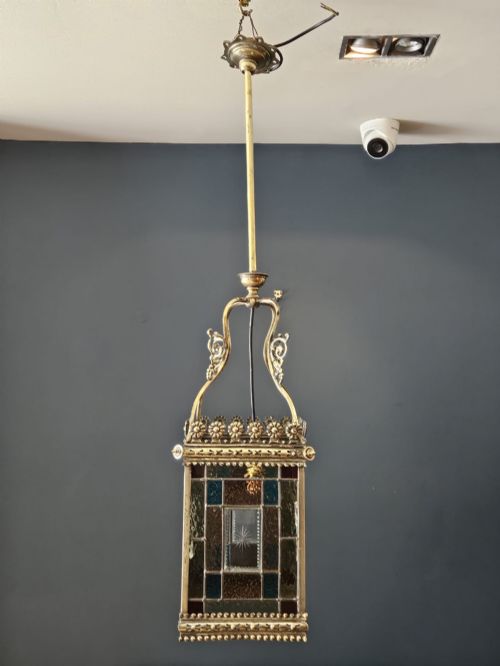
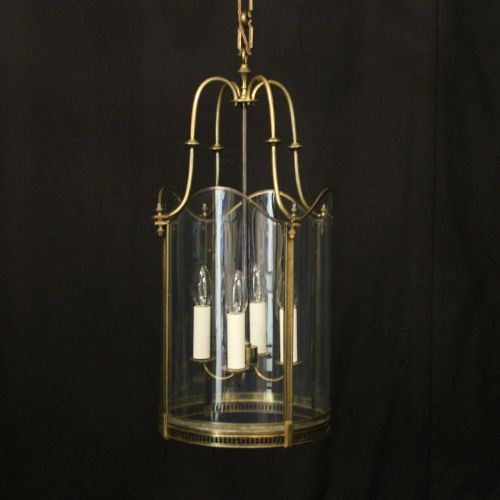
A brass and glass pendant is a suspended ceiling fixture that uses metal framing to support transparent or translucent panes, globes, and shades. These items appear across periods spanning the Victorian era through the Art Deco epoch, taking forms such as hexagonal lanterns, convex hall lights, and simple suspended shades.
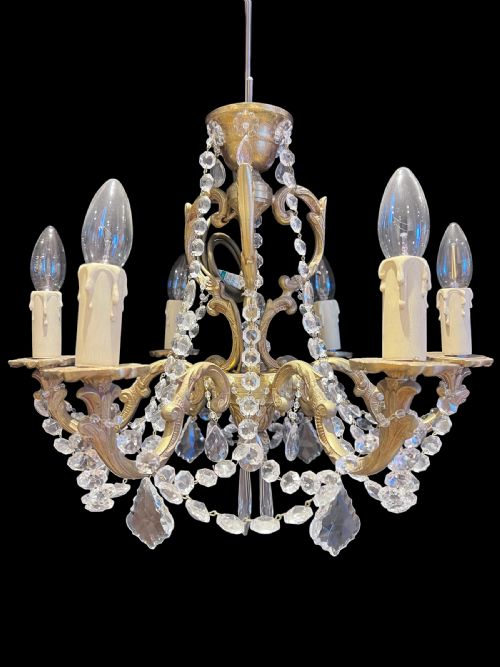
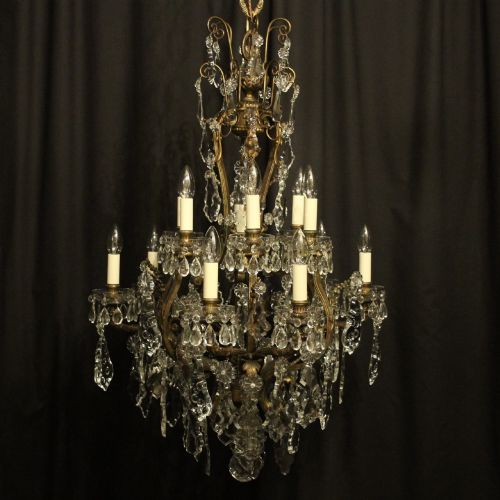
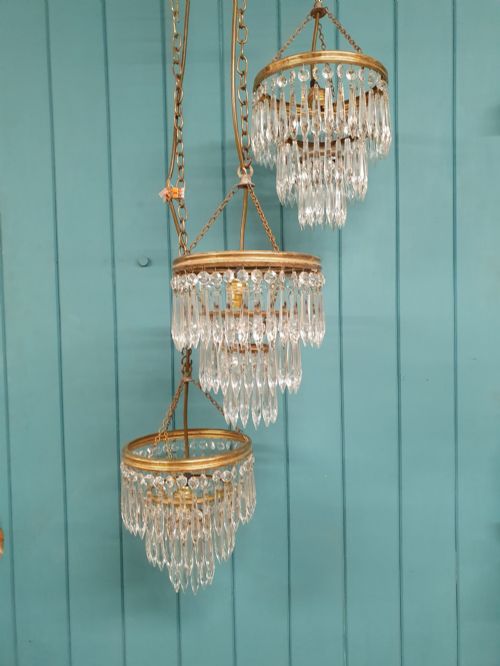
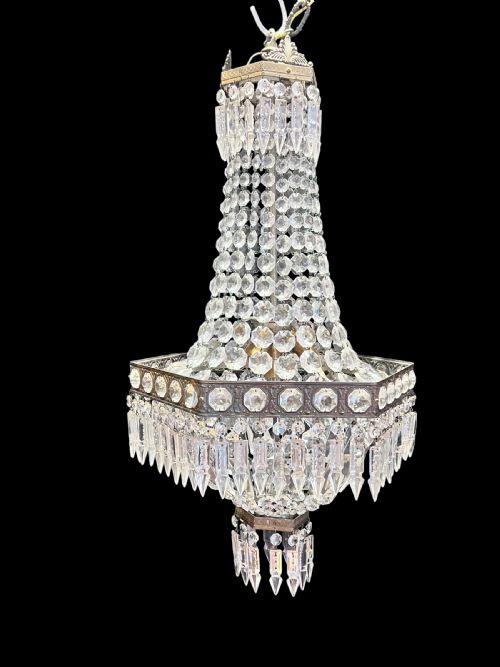
Buyers seeking this phrase frequently encounter Edwardian and early twentieth century examples alongside nineteenth century iterations. French designs strongly populate the selection, often rendered in gilded bronze or brass with crystal lustres and tent-and-waterfall configurations.
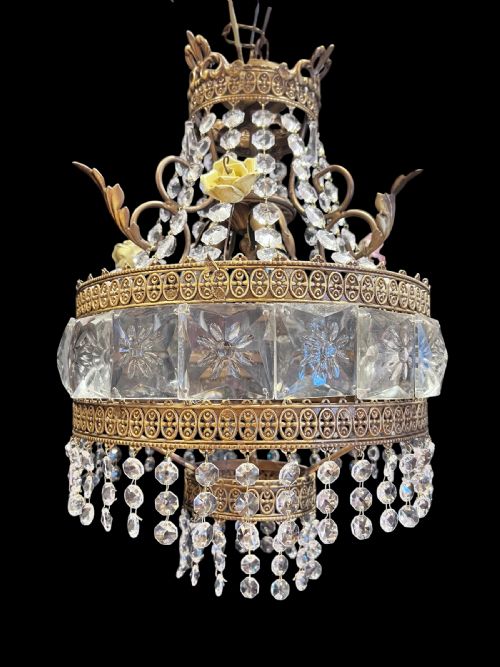
Beyond French chateau and empire styles, the inventory includes Arts and Crafts pieces and Moorish pierced metalwork. These fixtures serve primarily as overhead illumination in hallways, stairwells, and principal rooms.
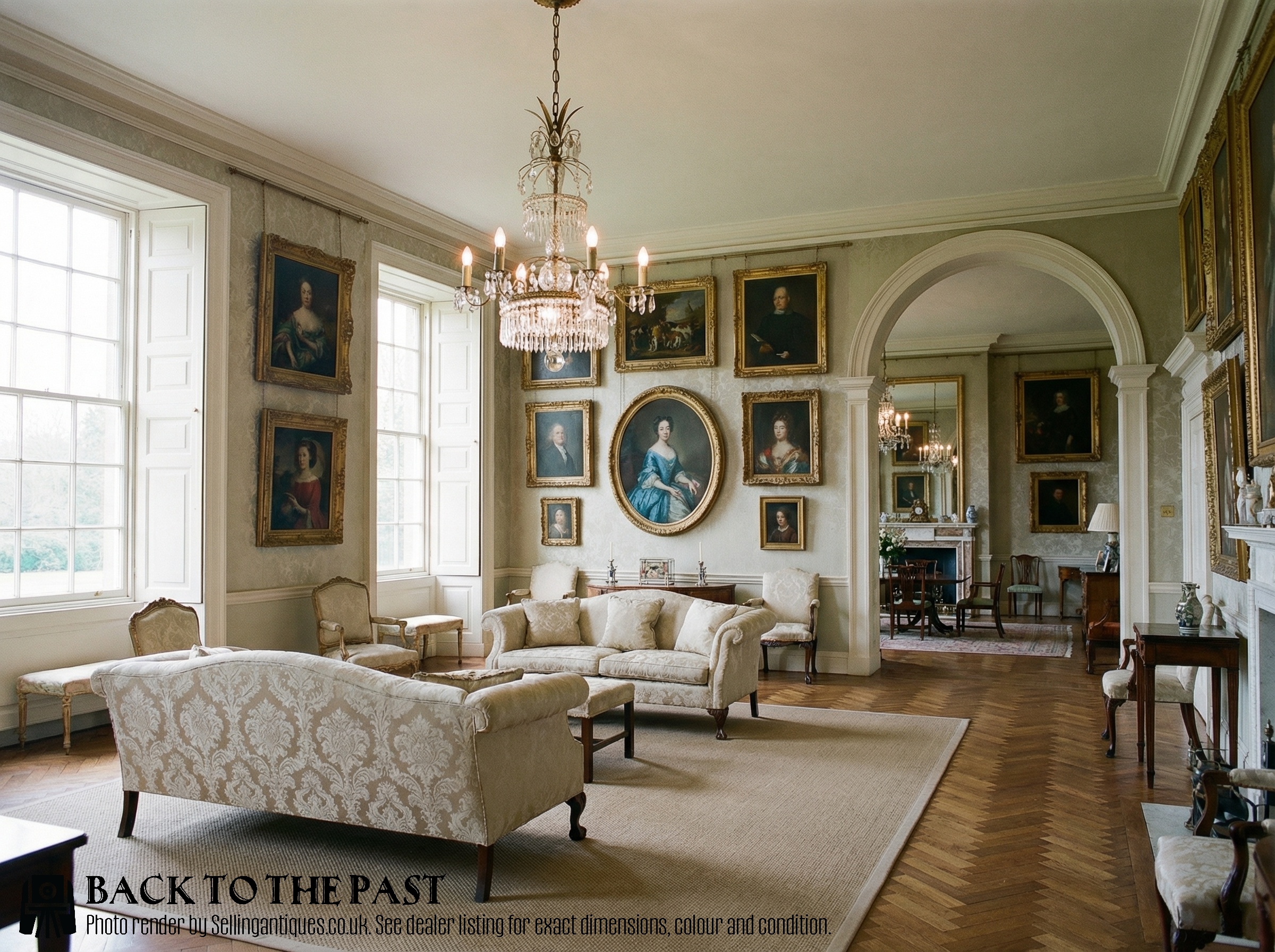
Materials and Construction
Makers constructed the primary framework using solid brass, gilded brass, or gilt bronze, sometimes forming complex geometric cages or cast decorative mounts. Glass components varied widely from simple milk glass and opalescent shades to heavily bevelled panes, moulded bowls, and intricate cut crystal lustres.
Assembly often involved leaded joints, pierced metal panels, or brass galleries securing glass shades and globes. Workshops utilised traditional casting, hand-cutting of crystal, and soldering to build structures durable enough to support heavy glass and multiple bulb branches.
Brass and Glass Pendant Retail Price Guide 2026
Typical asking prices for brass and glass pendant among the pieces listed under this phrase on Sellingantiques today, from the lower quarter to the upper quarter. They describe what is for sale here now, not the wider market.
Listings feature brass and glass pendants spanning the Victorian period, Edwardian era, and the 1920s to 1930s Art Deco movement.
Quality Variations
The distinction between standard and superior pieces rests on the weight of the cast brass frame and the clarity of the glass. Heavier gilt bronze mounts and hand-cut crystal elements indicate higher workshop standards than pressed metal and plain glass.
Design complexity also separates pieces, as seen in elaborate Moorish pierced brasswork or multi-tiered empire tent structures compared to simple utilitarian pendants. The crispness of chased details on bronze frames and the original integrity of the glass panels determine the standing of each fixture.
The Brass and Glass Pendant Glossary
- Plafonnier
- A ceiling light fixture that sits flush or close to the ceiling rather than hanging on a long chain. These often feature bowl-shaped glass secured in a metal mount.
- Lustre
- A cut glass pendant drop hung from a chandelier or lantern to refract light. They appear frequently on French multi-light fixtures.
- Gallery
- A metal ring or mount designed to hold a glass lampshade in place. They are typical components of early twentieth century pendant lights.
- Tent and waterfall
- A chandelier configuration where strings of crystal beads form an upper triangular tent above a cascading waterfall of further crystal drops. This style is heavily represented in French nineteenth and twentieth century pieces.
- Slip shade
- A type of glass shade that slips directly into a metal frame or spider mount without traditional screws. They are characteristic of Art Deco lighting designs.
Brass and Glass Pendant: Frequently Asked Questions
How do I hang a pendant?
These fixtures suspend from ceilings using chains, cords, or rigid rods attached to a ceiling plate. Proper installation requires securing the weight to a ceiling joist and connecting the electrical wiring.
Ceiling height dictates the drop length, particularly for hallway lanterns and stairwell fixtures where clearance is necessary. Professional electrical installation ensures safe operation.
Where do these lights work best?
Hall lanterns and compact pendants suit narrow corridors and entryways by providing direct downward illumination without obstructing movement. Larger multi-light fixtures anchor dining tables and principal reception rooms.
Matching the scale of the room to the dimensions of the brass frame prevents the fixture from overwhelming the space. Lower ceiling heights benefit from flush plafonniers.
How do I clean brass and glass?
Maintenance involves dusting glass panels regularly with a soft cloth and using mild soapy water for accumulated grime. Harsh chemical cleaners can strip gilt finishes from brass frames.
Preserving the original metal patina often requires avoiding aggressive polishing compounds. Crystal drops can sometimes be washed individually and re-hung once dry.
How are periods told apart?
Victorian and Edwardian pieces frequently feature heavier cast brass, leaded glass panels, or gasolier adaptations. Art Deco examples introduce slip shades, opaline glass, and geometric symmetry.
French chateau and empire pieces rely on gilt bronze, elaborate casting, and extensive crystal drapery. Examining the wiring, gallery fixings, and glass moulding techniques helps confirm the era of manufacture.