

Antique Bronze Light Fitting
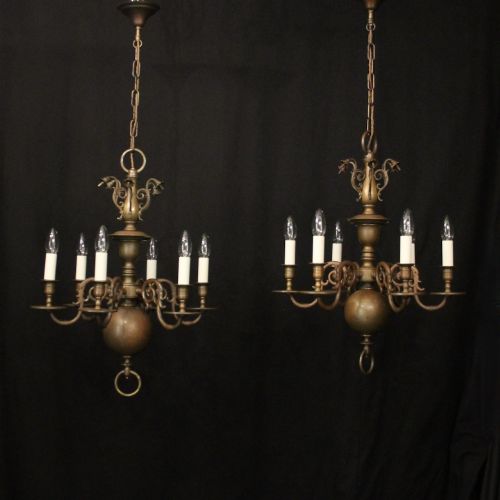
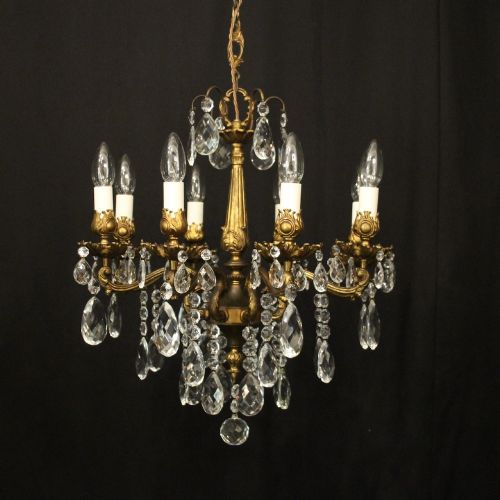
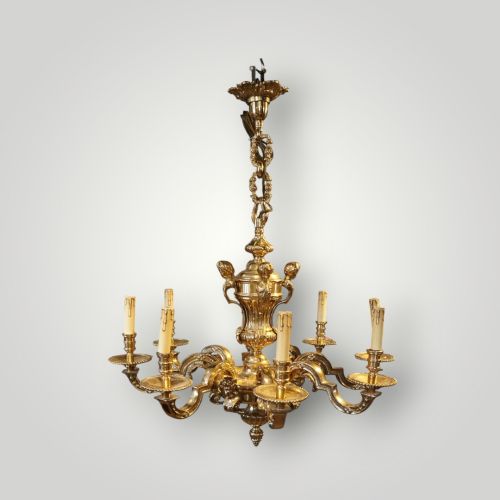
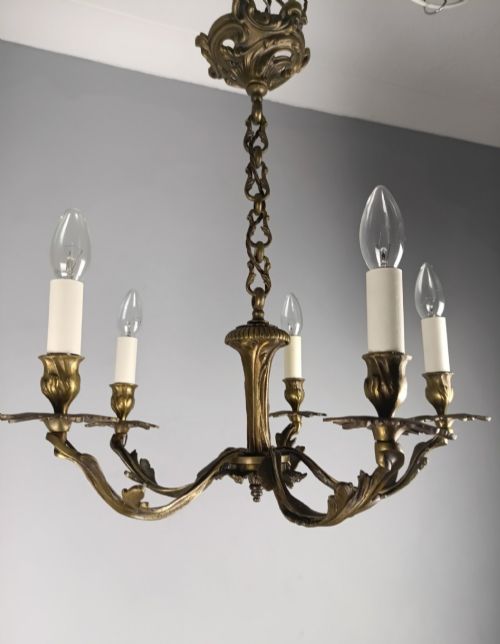
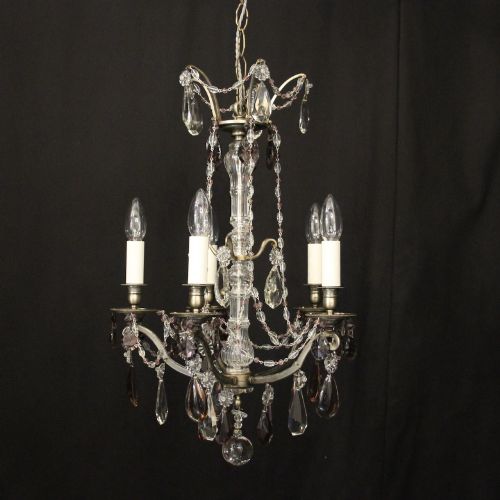
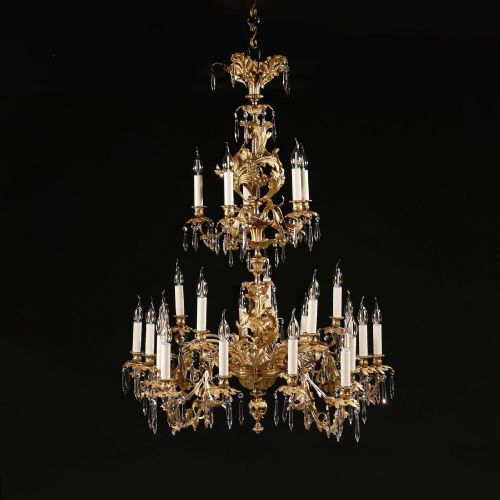
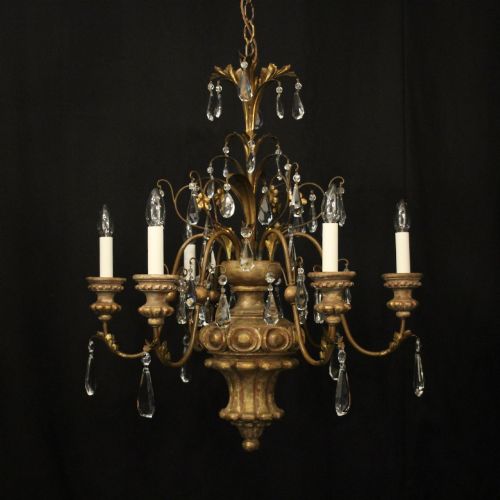
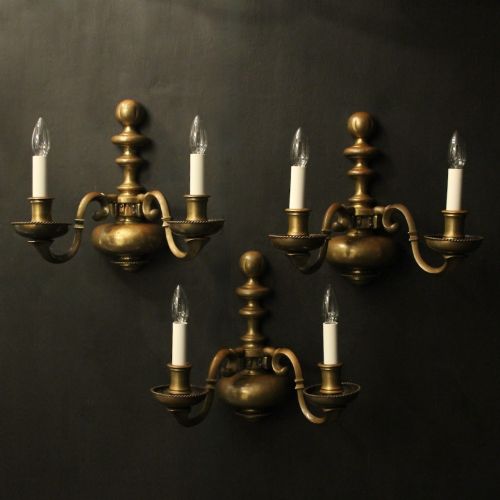
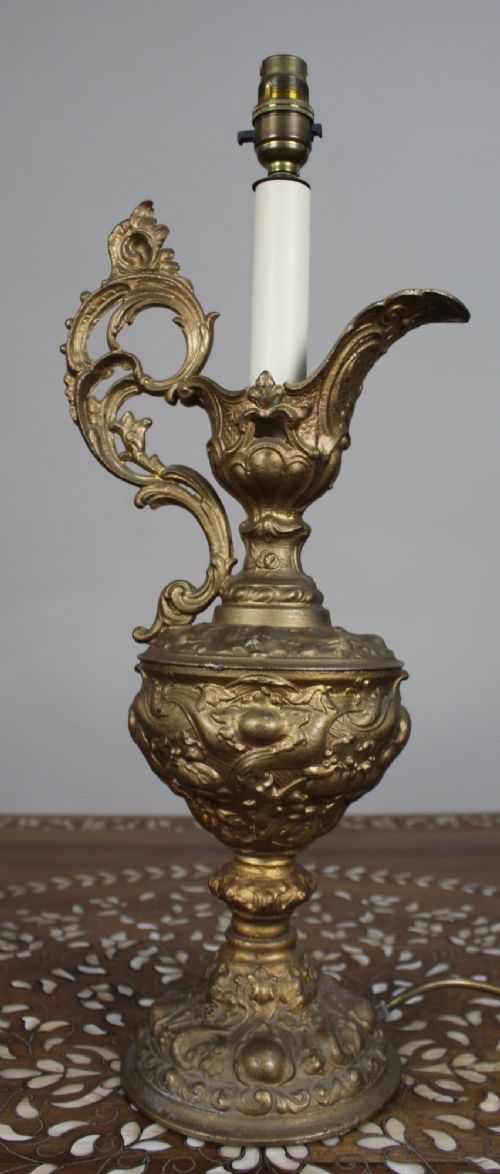
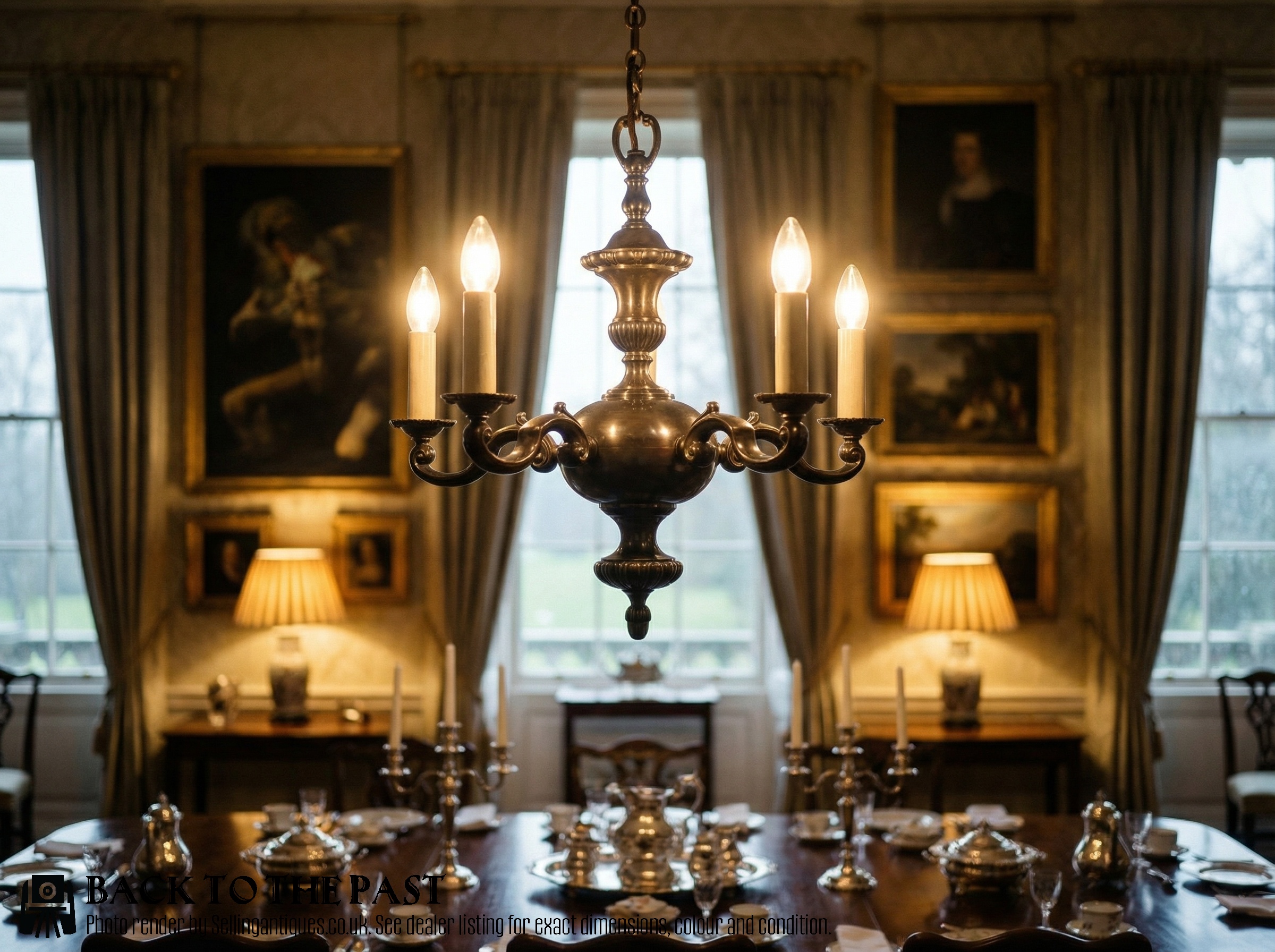
An antique bronze light fitting brings weight and historical form to a room through cast metal and crystal.
Antique Bronze Light Fitting
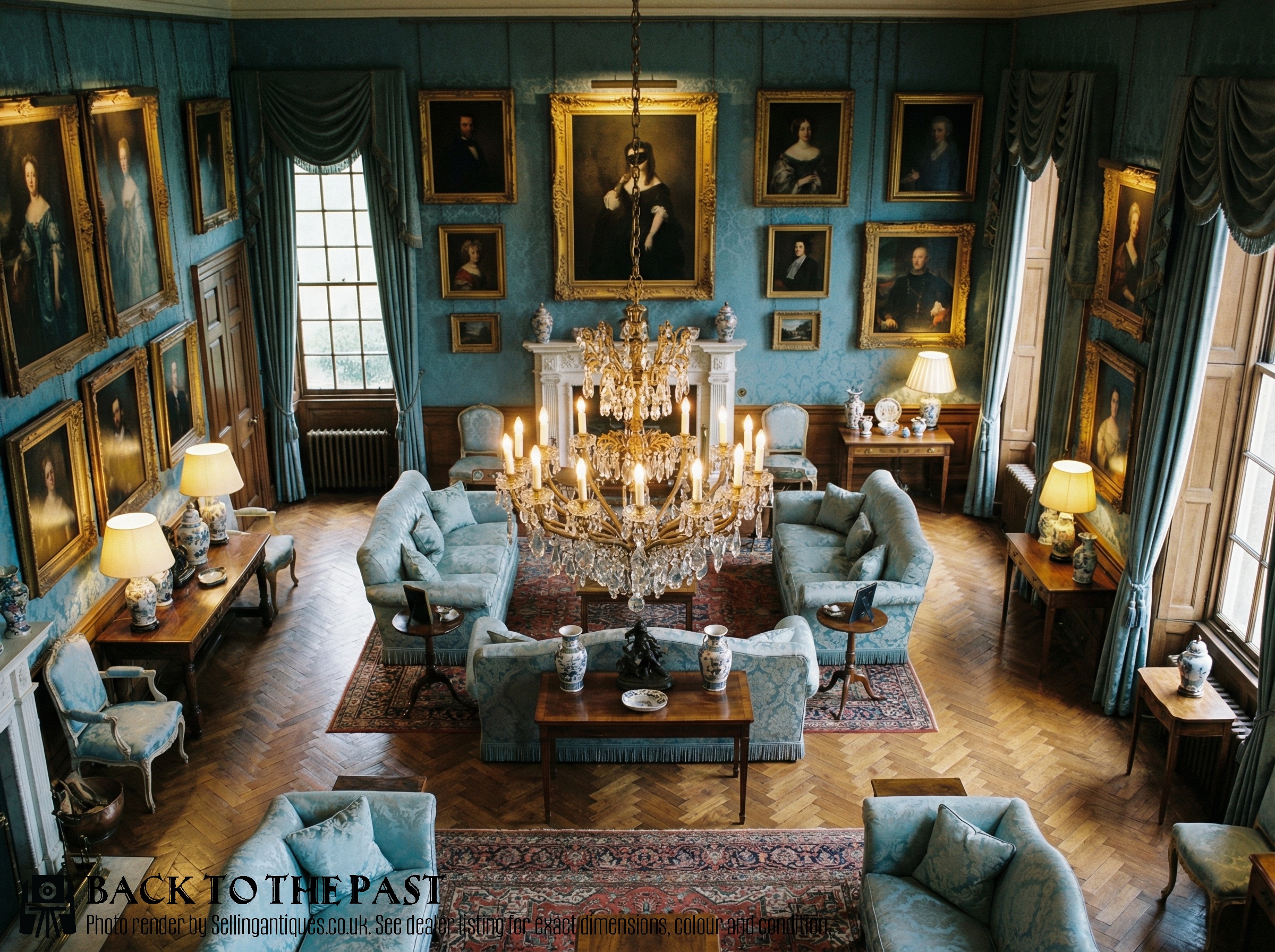
When you search for an antique bronze light fitting, you encounter a variety of ceiling lights, wall lights, and chandeliers originating primarily from the nineteenth and early twentieth centuries. The evidence shows heavy representation of French designs, alongside English and Italian examples.
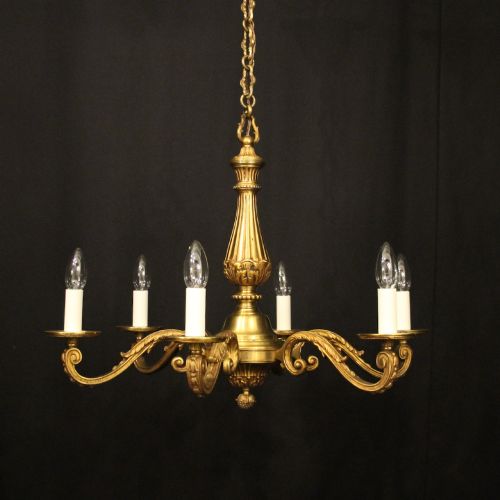
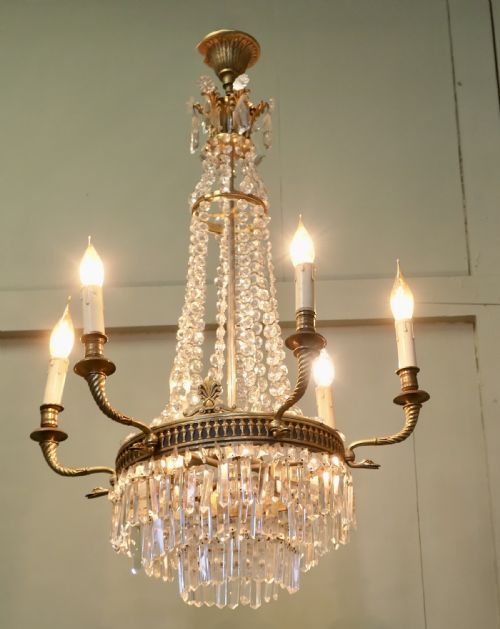
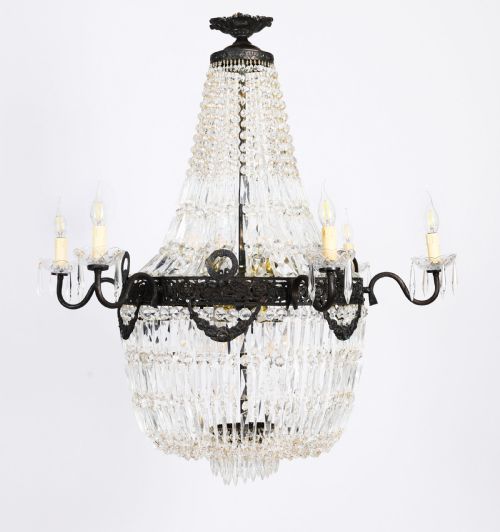
Chandeliers and ceiling lights dominate the selection, often featuring multiple branches for lights. Wall lights and table lamps also appear, spanning forms from French Empire tent and waterfall configurations to simpler dark bronze designs.
What varies in quality
The distinction between tiers rests upon the crispness of the metal casting and the complexity of the design. Heavier chasing on the bronze work and the integration of high-grade cut crystal distinguish finer examples from standard production.
Meticulous assembly of multiple light branches and the retention of original gilding or patination indicate superior craftsmanship across nineteenth-century and Art Deco pieces.
Antique Bronze Light Fitting Retail Price Guide 2026
Typical asking prices for bronze light fitting among the pieces listed under this phrase on Sellingantiques today, from the lower quarter to the upper quarter. They describe what is for sale here now, not the wider market.
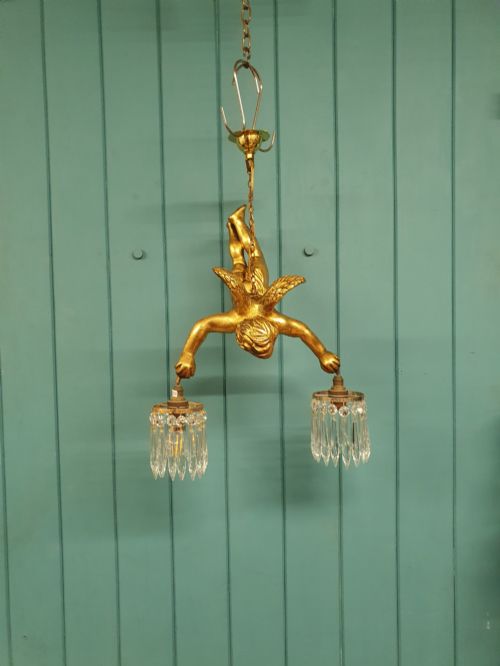
Several chandeliers include flying cherubs carved from spelter alongside crystal spikes.
G.E.C
The Antique Bronze Light Fitting Glossary
- Bronze
- A copper and tin alloy used for casting durable light fittings and decorative mounts. It takes patination well and provides a strong structural frame.
- Gilt Bronze
- Bronze that has been coated with a thin layer of gold or gold leaf. This finish creates a bright, reflective surface popular in French revival styles.
- Crystal
- High-clarity lead glass cut into faceted drops, beads, or spikes. It hangs from chandeliers to disperse light around the room.
- Tent and Waterfall
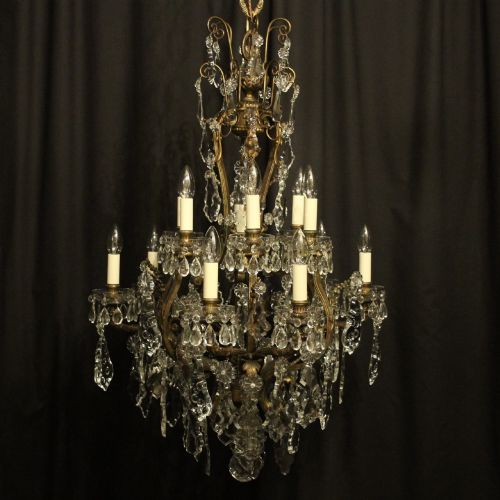
- A chandelier configuration where crystal beads form an upper tent shape above a cascading waterfall of further drops. This design creates dense visual layering.
- Ormolu
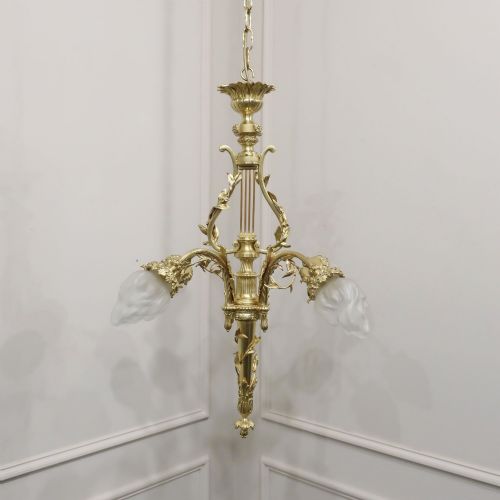
- Finely chopped or cast bronze finished with a gold mercury amalgam or modern gilding. It provides a bright golden appearance on Neoclassical pieces.
Antique Bronze Light Fitting: Frequently Asked Questions
What styles of antique bronze light fittings exist?
The available selection covers French Rococo, Empire, Neoclassical, and Art Deco aesthetics. These styles dictate the symmetry, ornamentation, and overall silhouette of each fixture.
Fittings range from ornate multi-light chandeliers with crystal drops to restrained wall lights and table lamps.
How do I identify a 19th-century bronze fitting?
Nineteenth-century pieces often display heavy cast bronze work with deep patination or hand-applied gilding. Stylistic cues point toward revived French Baroque, Rococo, or Empire motifs.
Examining the construction of the arms and the cut of the crystal helps separate these older pieces from later twentieth-century interpretations.
Were these fittings designed for candles or electricity?
Many older pieces originated during the transition eras when conversion from candles or gas to electricity occurred. Surviving chandeliers frequently show adaptations made to wiring over their lifetime.
Professional rewiring is typically required to integrate these historical fixtures safely into modern domestic electrical systems.
How do I hang a heavy bronze chandelier?
Due to the substantial weight of cast bronze, metal arms, and crystal components, secure ceiling joist anchorage is essential. A professional installer should assess the ceiling capacity before mounting.
Using a rated hanging hook and chain matching the weight of the fitting ensures structural stability.