


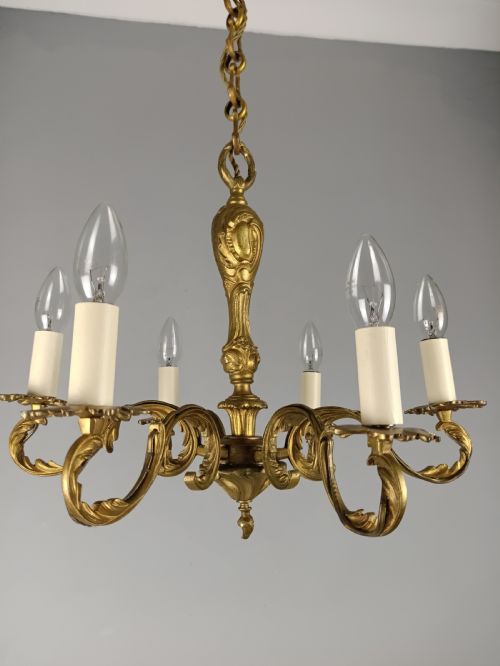

Ormolu Ceiling Light
An ormolu ceiling light brings warmth to a room through cast metal and glass, capturing centuries of French design in a single fitting.
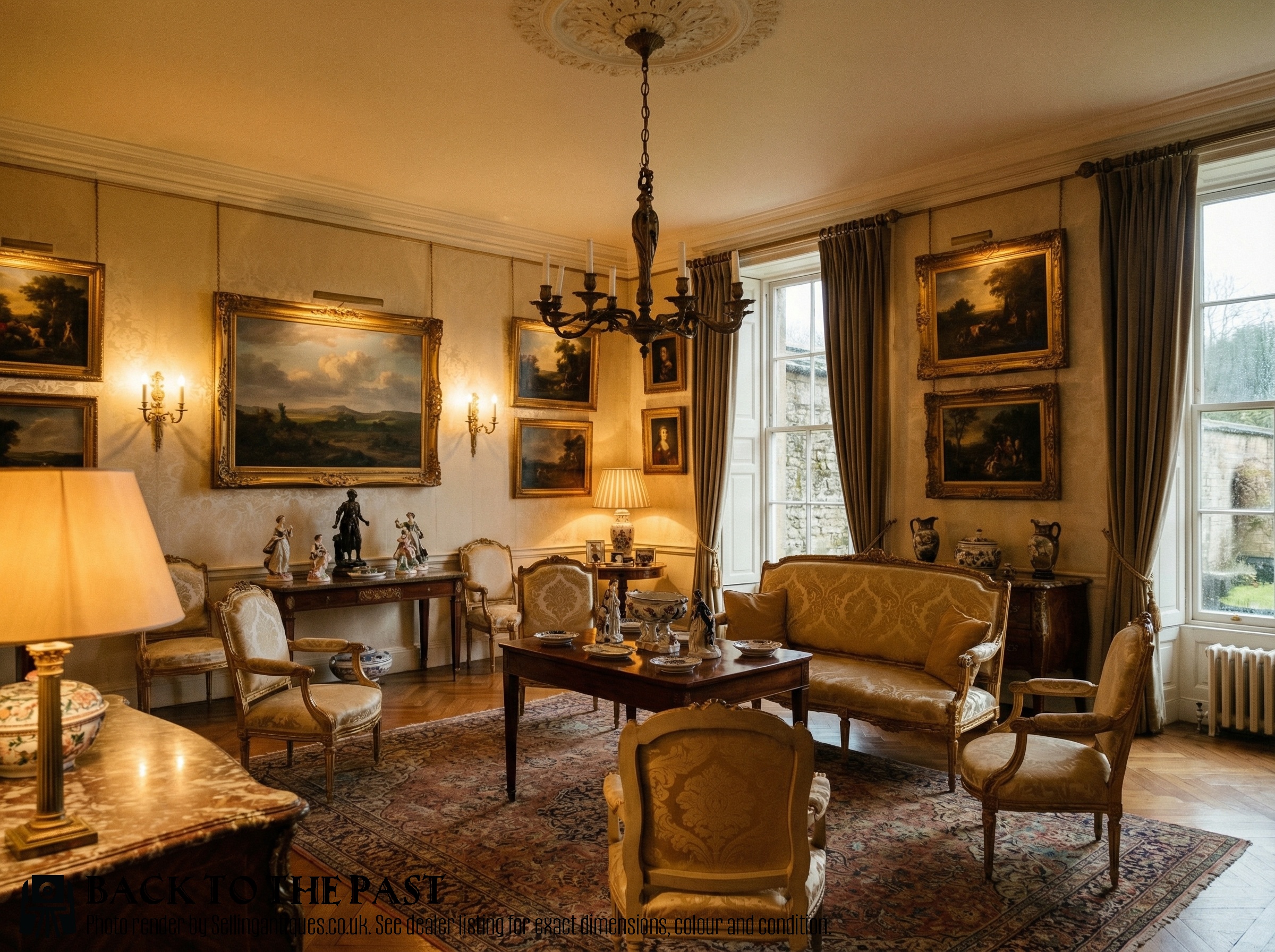
Ormolu Ceiling Light
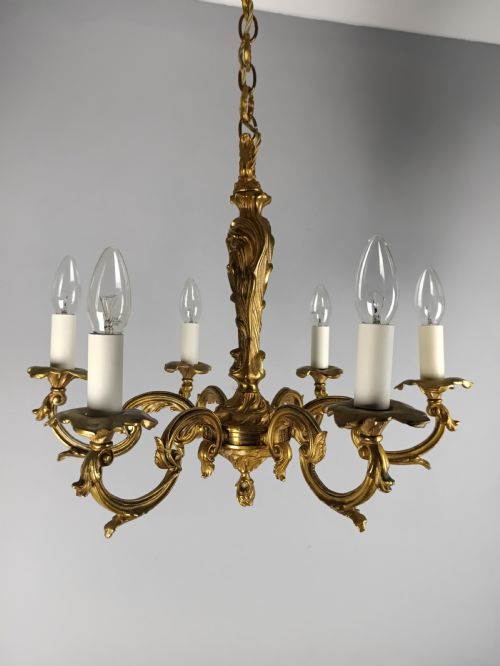
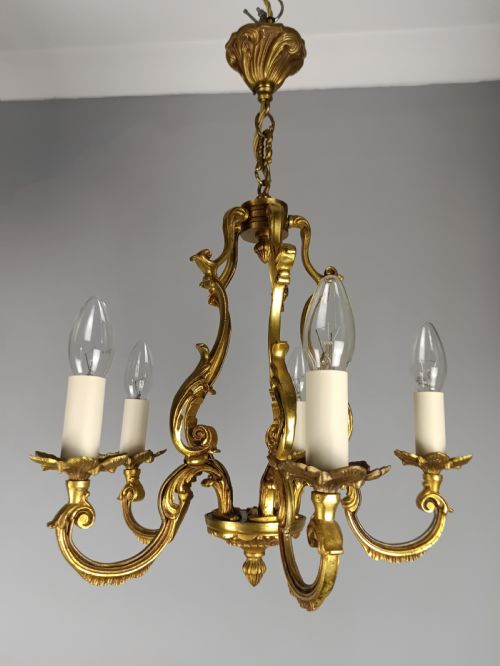
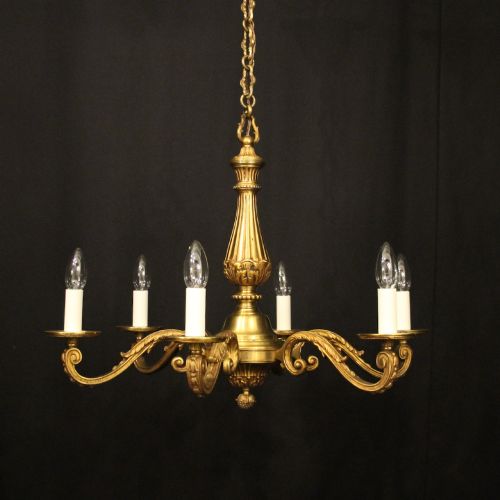
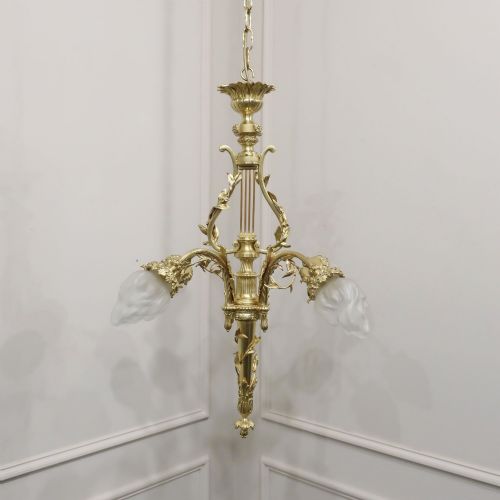
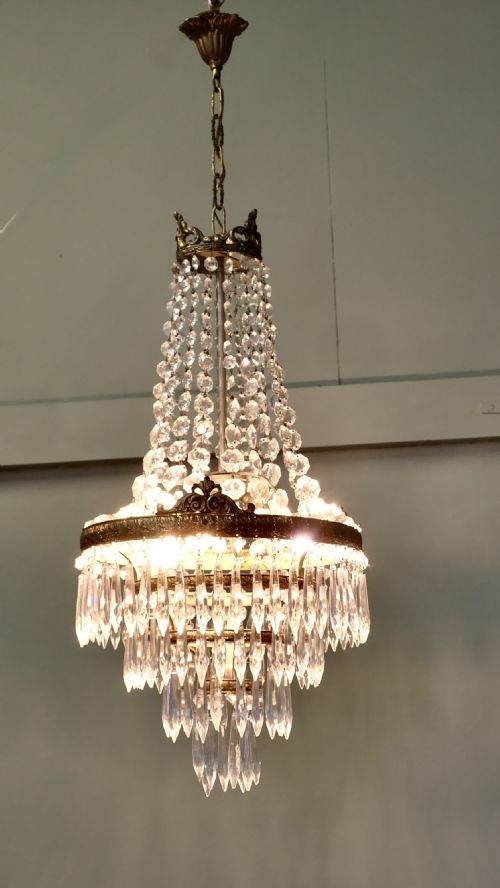
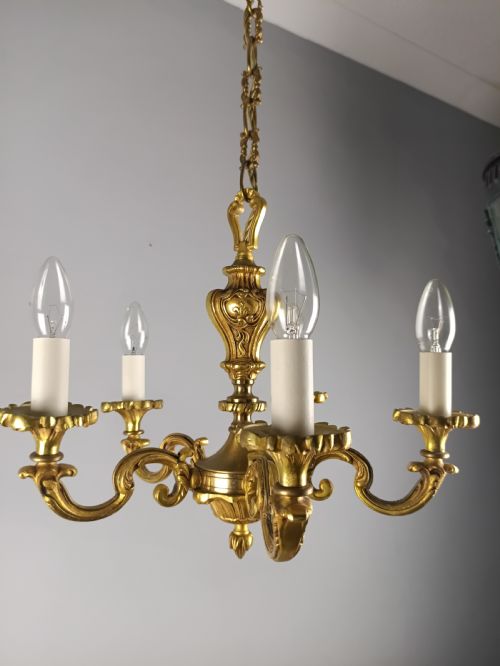
When searching for an ormolu ceiling light, buyers encounter a range of fixtures designed to illuminate rooms from above, most commonly multi-armed chandeliers and enclosed hall lanterns. The pieces seen here span the nineteenth century and the early decades of the twentieth century, originating primarily from French workshops.
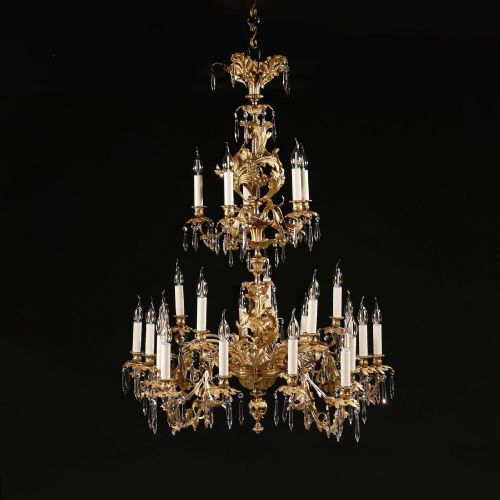
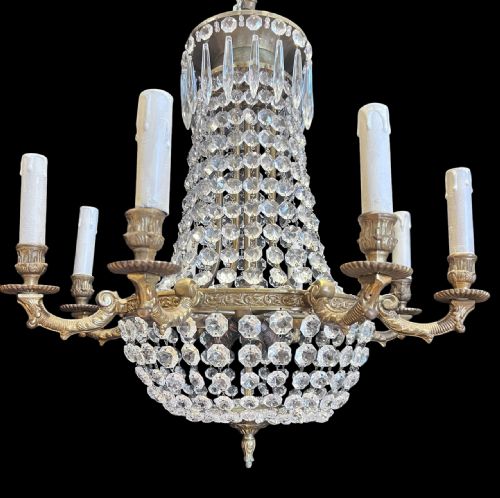
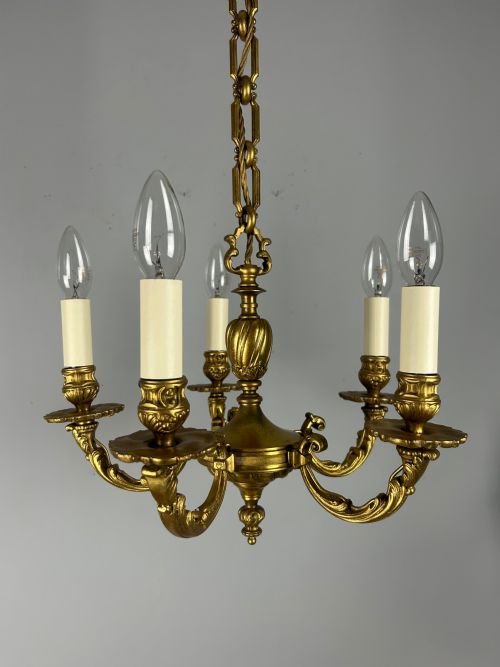
Chandeliers dominate the selection, appearing in configurations from three lights up to twenty-five lights, alongside smaller pendant lanterns and convex wall or ceiling designs. Styles lean heavily towards French Rococo, Empire, and Neoclassical designs, echoing the grandeur of French chateaus and the Palace of Versailles.
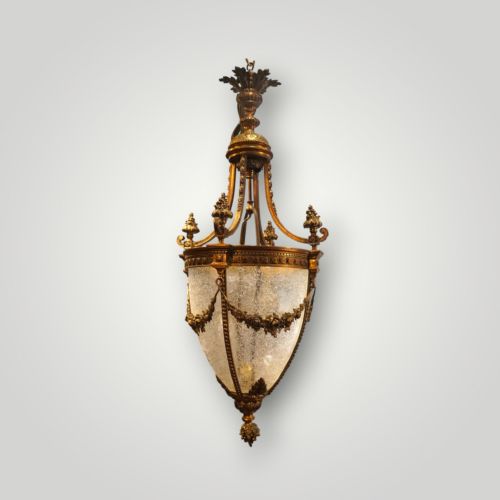
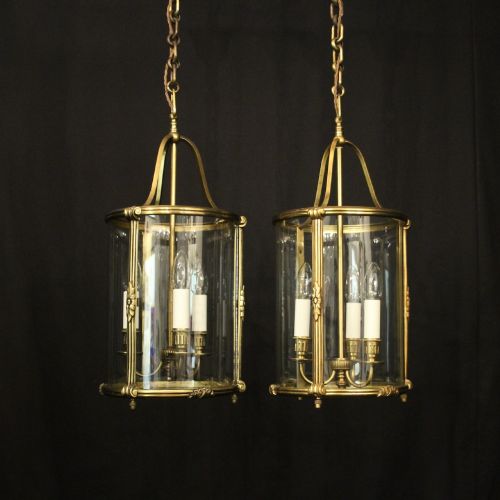
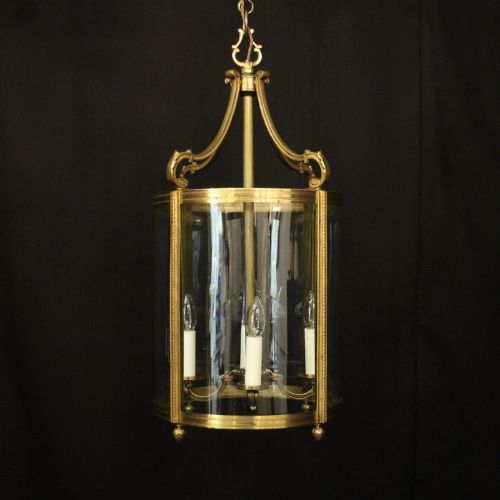
Hall lanterns provide a more contained option, often featuring bevelled glass panels or hexagonal shapes framed in gilt metal. These pieces date from the Edwardian era back through the nineteenth century, maintaining the same decorative metalwork found on larger chandeliers.
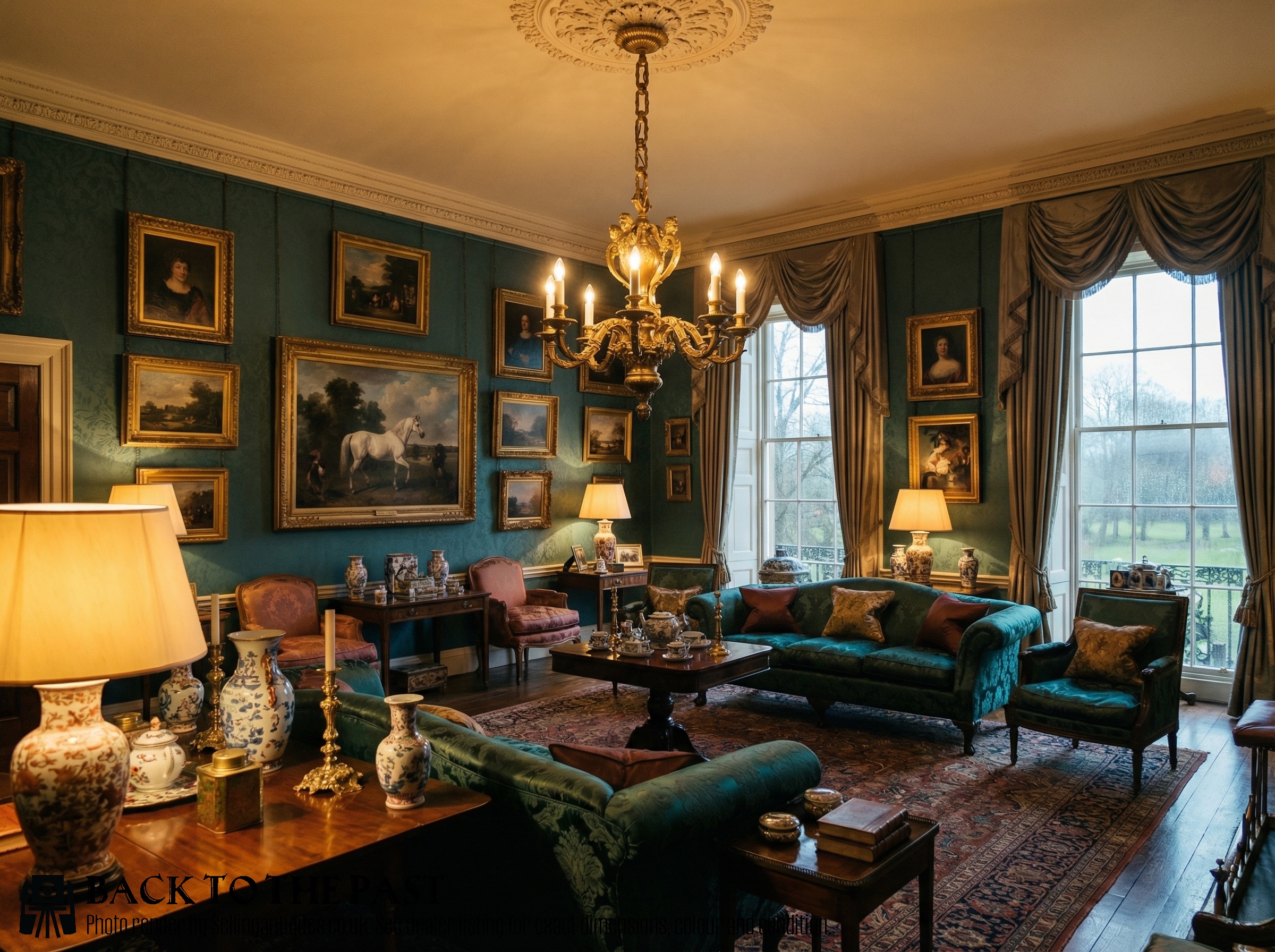
How they were made
The primary metalwork relies on bronze or brass, heavily gilded to achieve the characteristic ormolu finish that gives these lights their golden warmth. Workshops cast the metal components in sections before assembling them into intricate frameworks for chandeliers and lanterns.
Glass and crystal elements complement the gilt metal, utilising cut glass drops, tent-and-waterfall formations, and bevelled glass panels to refract light across the room. These glass components are wired or pinned directly into the bronze or brass armatures.
Ormolu Ceiling Light Retail Price Guide 2026
Typical asking prices for ormolu ceiling light among the pieces listed under this phrase on Sellingantiques today, from the lower quarter to the upper quarter. They describe what is for sale here now, not the wider market.
Some lanterns carry the echoes of palace corridors, styled precisely after the lighting in Versailles.
What varies in quality
Quality rests in the crispness of the bronze casting and the depth of the gilding applied to the metal framework. Finer examples display sharp relief work on acanthus leaves, scrollwork, and neoclassical motifs, whereas simpler pieces show softer details from worn moulds.
The integration of glass also marks a difference in grade, separating standard pressed glass drops from hand-cut crystal prisms that catch and disperse light with greater brilliance. The structural integrity of multi-tiered frames and the weight of the cast components complete the distinction between standard and superior fittings.
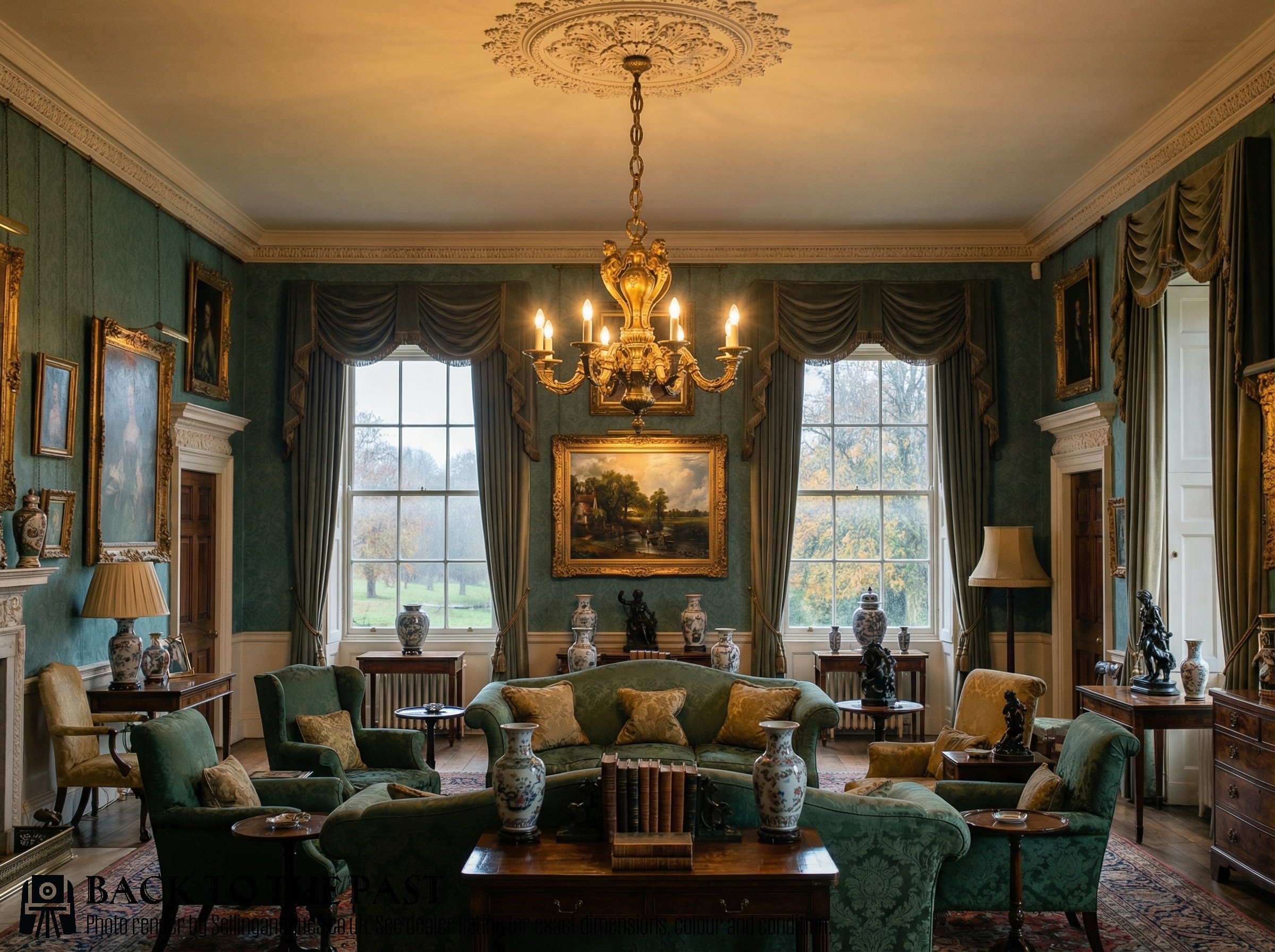
The Ormolu Ceiling Light Glossary
- Ormolu
- Gilded bronze, where a layer of gold is applied to a bronze base, producing a rich golden surface that does not tarnish easily. This technique was widely employed in French decorative arts from the eighteenth century onward.
- Chandelier
- A branched ceiling-mounted lighting fixture designed to hold multiple bulbs or candles. They often incorporate crystal drops to amplify illumination.
- Hall Lantern
- An enclosed hanging light, frequently hexagonal or cylindrical, designed specifically for corridors and entrance halls. They protect the light source behind glass panels set within a metal frame.
- Cut Glass
- Glass shaped and faceted by grinding and polishing wheels to create sharp edges that refract light. It is commonly hung in drops or used for bowls on chandeliers.
- Neoclassical
- A style drawing inspiration from classical antiquity, featuring symmetrical lines, urn motifs, and restrained ornamentation. It contrasts with the more asymmetrical curves of the Rococo style.
Ormolu Ceiling Light: Frequently Asked Questions
How do I hang a heavy chandelier safely?
Heavy chandeliers require structural support directly from the ceiling joists rather than relying on standard plaster or electrical boxes alone. A professional electrician should install a steel mounting bracket rated for the specific weight of the fixture.
The height of the fitting depends on the room usage, ensuring adequate clearance underneath while positioning the piece as a central focal point in the space.
Can these lights be wired for modern electricity?
Most antique fixtures have been previously adapted for modern electrical wiring, replacing original candle sockets with wired fittings. It is advisable to have an electrician inspect the internal wiring to ensure it meets current safety standards.
Rewiring allows the integration of modern LED bulbs that mimic the warm glow of traditional lighting without generating excessive heat near the dry metal and glass components.
How do I clean gilt bronze and crystal?
Dusting regularly with a soft, dry microfibre cloth prevents the accumulation of grime on the gilt bronze surface. Avoid harsh chemical cleaners that can strip the gold finish from the metal.
Crystal drops can be gently washed in warm water with mild soap while still attached, or removed individually for a more thorough clean before being re-hung on the brass pins.
What is the difference between Empire and Rococo styles?
Empire style fixtures reflect the neoclassical tastes of the early nineteenth century, featuring military motifs, stars, laurel wreaths, and symmetrical tent-and-waterfall crystal arrangements. They project a sense of formal grandeur.
Rococo style pieces embrace asymmetry, C-scrolls, naturalistic foliage, and flamboyant curves popularised during the reign of Louis XV. These designs feel more organic and ornate.