

Gilded Brass Light Fitting
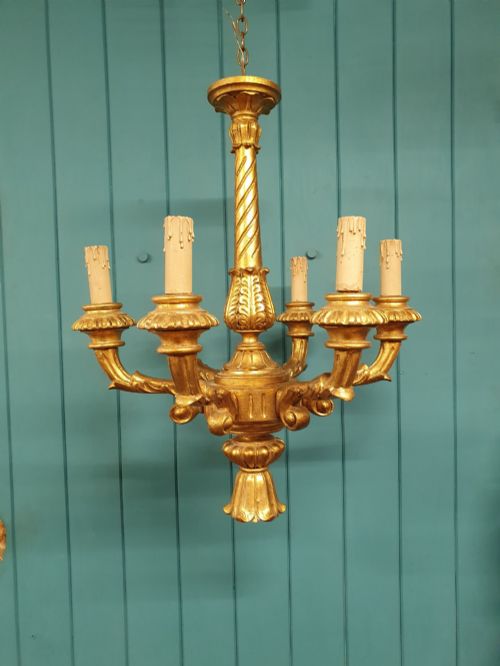
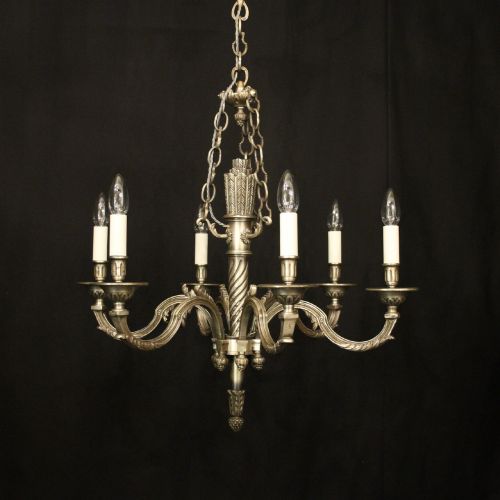
A gilded brass light fitting brings warmth and historic illumination to a room, spanning grand chandeliers and restrained wall lanterns.
Gilded Brass Light Fitting
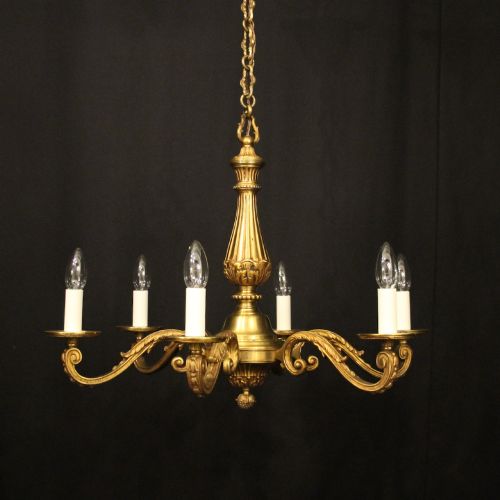
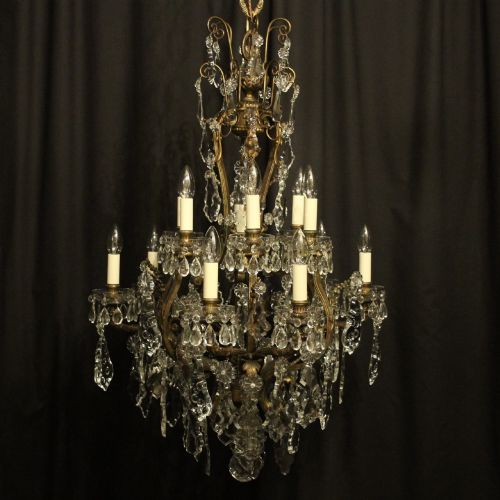
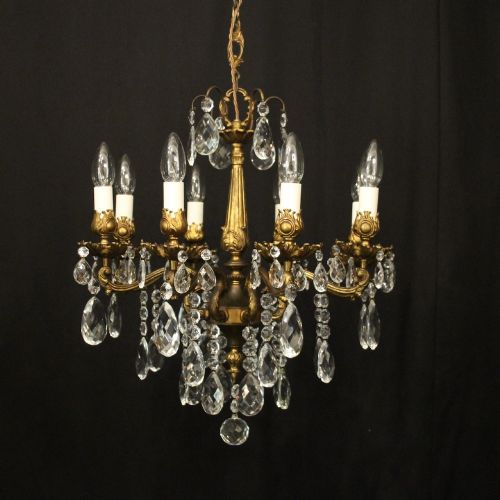
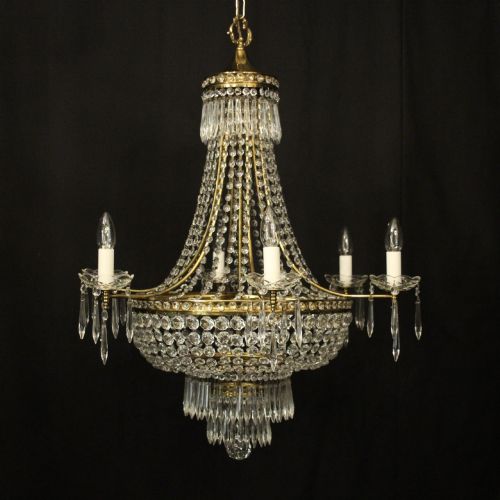
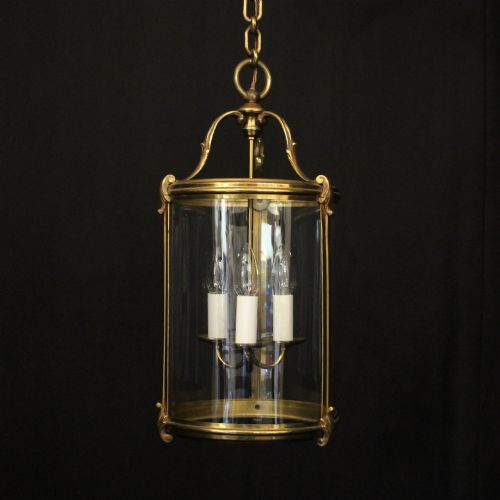
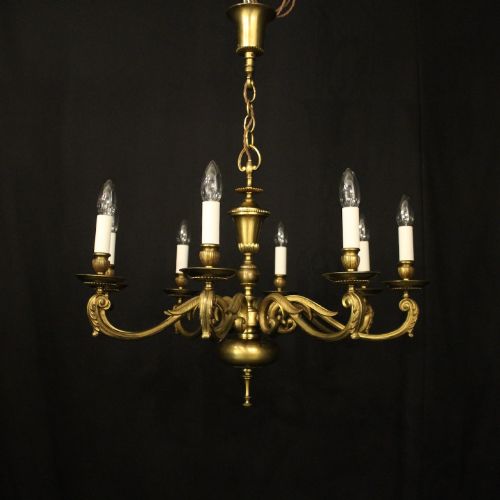
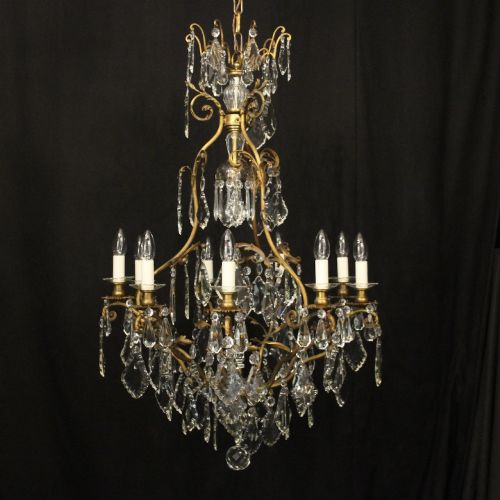
A gilded brass light fitting encompasses a variety of antique illuminating fixtures designed to hang from ceilings or mount directly onto walls. When exploring a gilded brass light fitting on this page, the selection leans heavily toward French chandeliers, hall lanterns, and wall sconces originating from the nineteenth and early twentieth centuries.
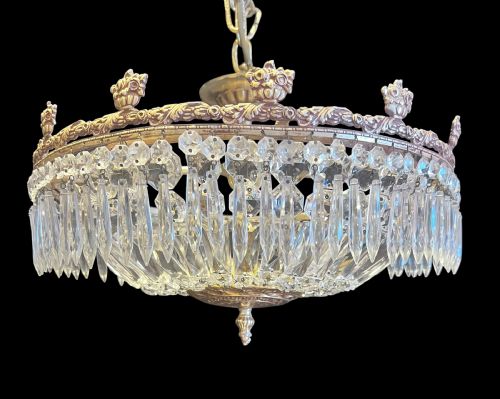
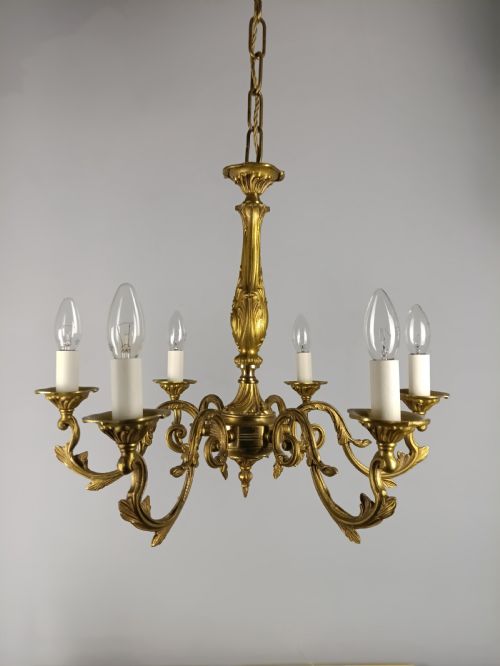
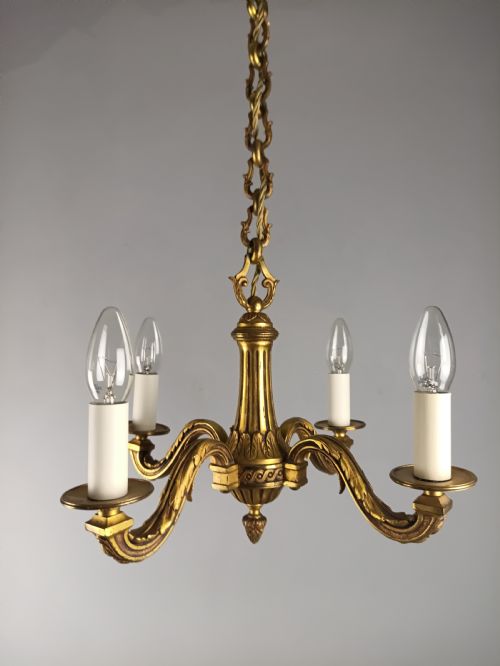
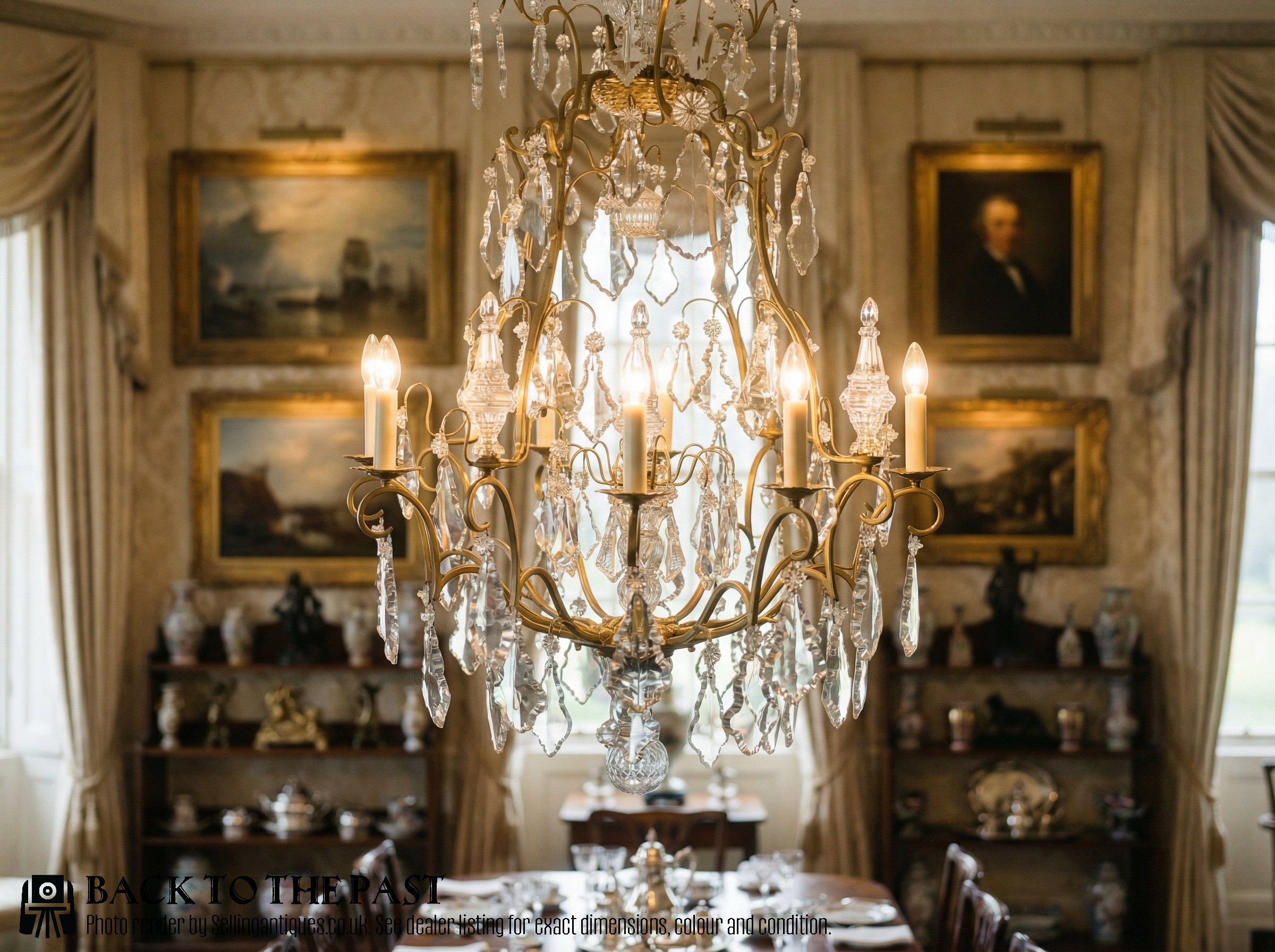
The assortment includes multi-arm chandeliers decorated with crystal drops, plafonieres, and convex hall lanterns from the nineteen-twenties and nineteen-thirties. Pieces often showcase regional aesthetic influences such as French Chateau, Rococo Revival, and English Neoclassical designs.
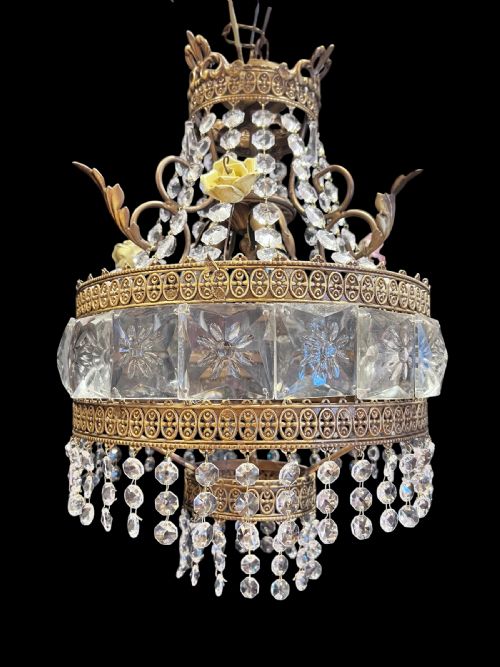
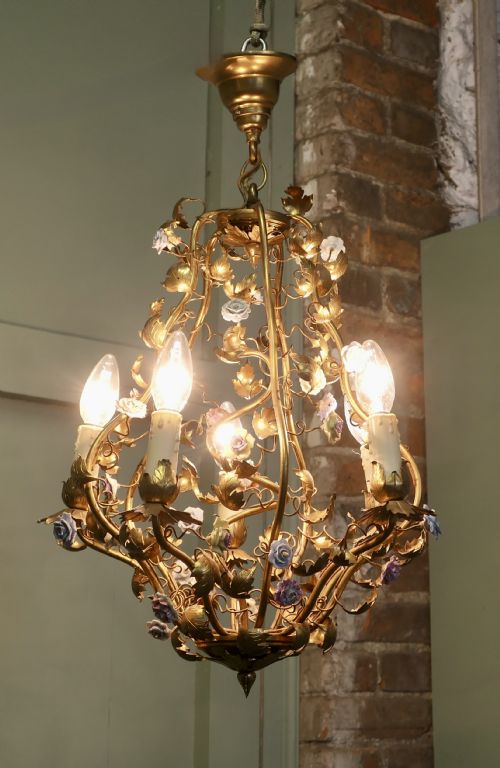
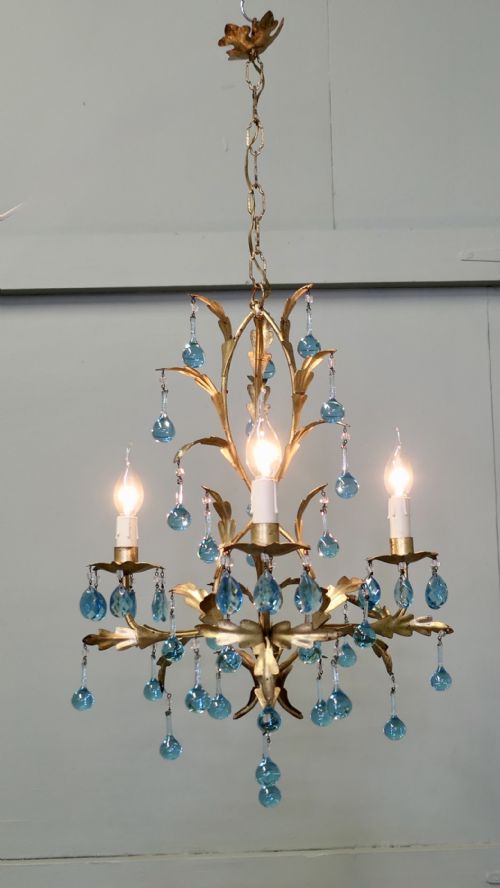
Buyers encounter works featuring specialised additions like porcelain flowers, tolewear, or coloured crystals alongside straightforward brass and crystal configurations. These fixtures served both functional and decorative purposes in period interiors, illuminating hallways, reception rooms, and grand staircases.
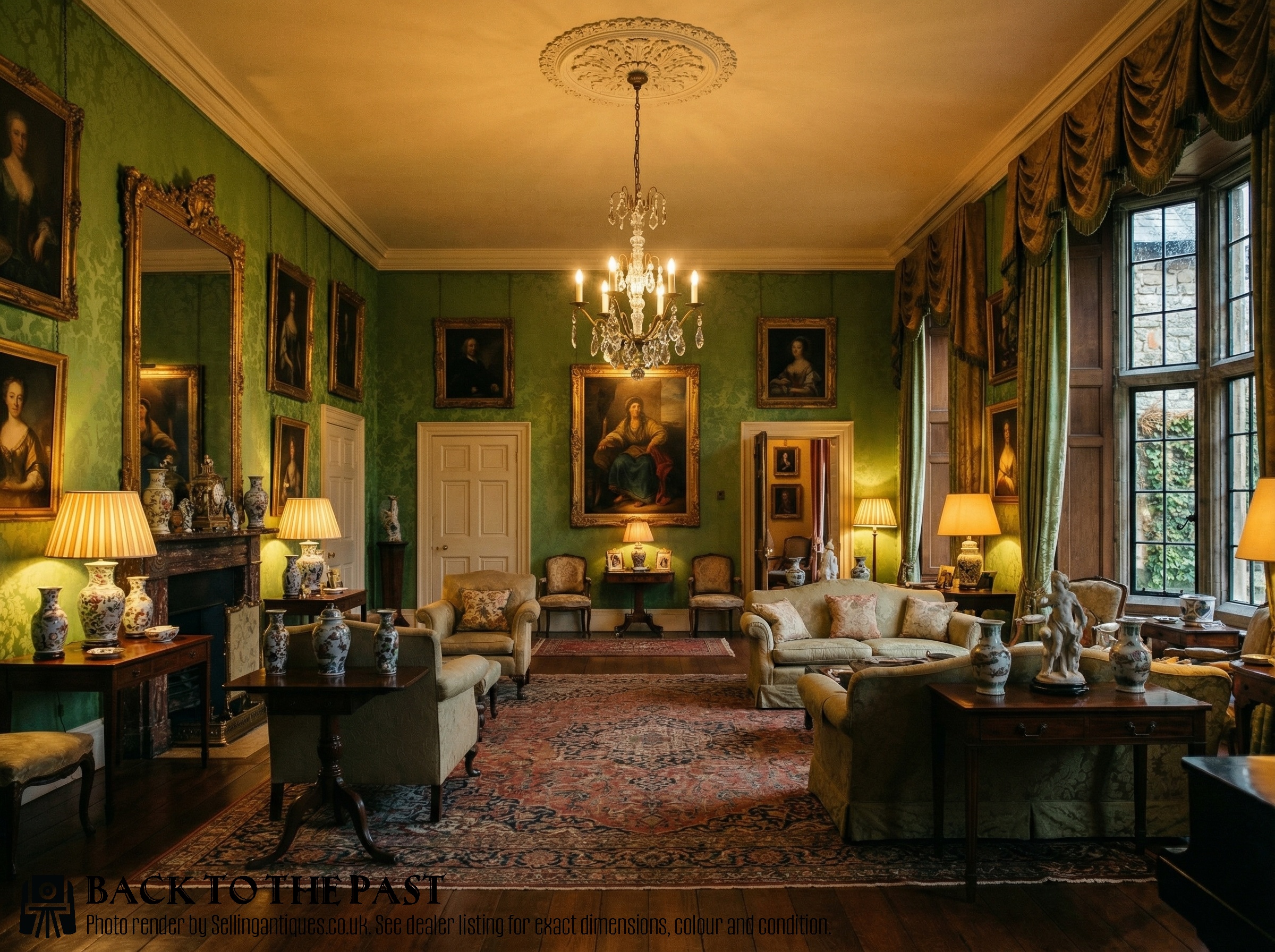
How they were made
Constructed primarily from brass, bronze, and gilt metal, these fixtures rely on metal casting, chasing, and hand-gilding techniques. Manufacturers utilised gilt bronze, or ormolu, alongside standard brass substrates to achieve a durable golden surface finish.
Glass elements such as crystal drops, tent and waterfall strands, and cut glass bowls were hand-cut and wired or pinned into place using metal connections. Many designs integrate structural elements like gesso, ceramic floral components, and lacquer work to augment the primary metal armature.
Gilded Brass Light Fitting Retail Price Guide 2026
Typical asking prices for gilded brass light fitting among the pieces listed under this phrase on Sellingantiques today, from the lower quarter to the upper quarter. They describe what is for sale here now, not the wider market.
Listings feature items from the Edwardian era, nineteen-hundred, and nineteen-twenties alongside nineteenth-century pieces.
What varies in quality
The sophistication of the casting and hand-chasing separates standard production pieces from finer works, particularly visible in the crispness of leaf motifs and ornamental mounts. Heavier gauge brass and rich gilt bronze or ormolu finishes indicate superior initial manufacturing standards.
The integration and completeness of the crystal elements, whether faceted drops or specialised coloured glass, determine the overall coherence of the fixture. Original wiring configurations give way to modern safety standards, but the preservation of authentic structural mounts and unpolished patinas dictates long-term character.
The Gilded Brass Light Fitting Glossary
- Ormolu
- Gilded bronze applied to decorative hardware and furniture mounts. This technique involves coating a bronze base with a finely ground gold-mercury amalgam and heating it.
- Plafoniere
- A ceiling light fitted flush or very close to the ceiling surface. These fixtures often feature moulded glass bowls held in metal frames.
- Tent and waterfall
- A chandelier style characterised by strings of small crystal beads forming a tent shape at the top that cascade outward. This arrangement maximises light refraction.
- Tolewear
- Painted sheet metal objects used for decorative and functional items. It frequently appears in floral or coloured accents on period light fittings.
Gilded Brass Light Fitting: Frequently Asked Questions
How do I clean an antique chandelier?
Dust the fixture gently with a soft brush or microfibre cloth to remove loose particles. Avoid harsh chemical cleaners that might strip the historic gilt surface from the brass.
For crystal elements, wipe each drop individually with a mild soapy solution while supported by hand. Ensure the power remains disconnected during any maintenance work.
Are these fittings wired for modern electricity?
Most surviving fixtures require professional rewiring to meet current electrical standards and regulations. Original wiring is generally replaced for safety during installation.
Consult a qualified electrician who understands antique lighting preservation before mounting or connecting these pieces to a mains supply.
What rooms suit a hall lantern?
Hall lanterns work well in entranceways, corridors, and high-ceilinged landings where vertical space allows. Their enclosed design protects the internal burners or bulbs from drafts.
These fixtures provide focused downward illumination while serving as a decorative focal point upon entering a home.
How do I determine the period of a fixture?
Examine the casting quality, fastening methods, and material combinations used in the construction. Pieces from the nineteenth century often display heavier bronze castings and hand-cut crystal drops.
Twentieth-century examples from the nineteen-twenties and thirties frequently incorporate machine-finished brass components alongside neoclassical revival styling.