
French Chateau Chandelier
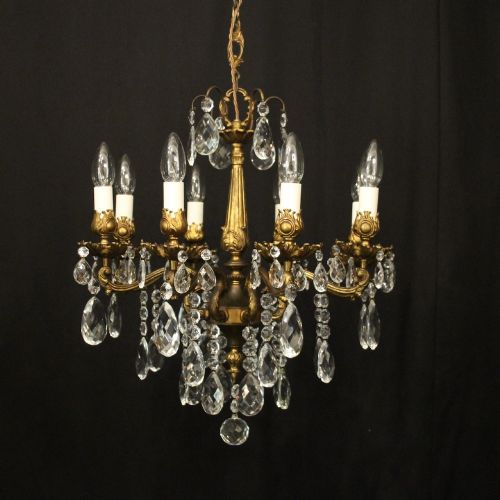
These french chateau chandelier examples bring grand architectural presence and luminous sparkle to a room, drawing the eye upwards with period detail.
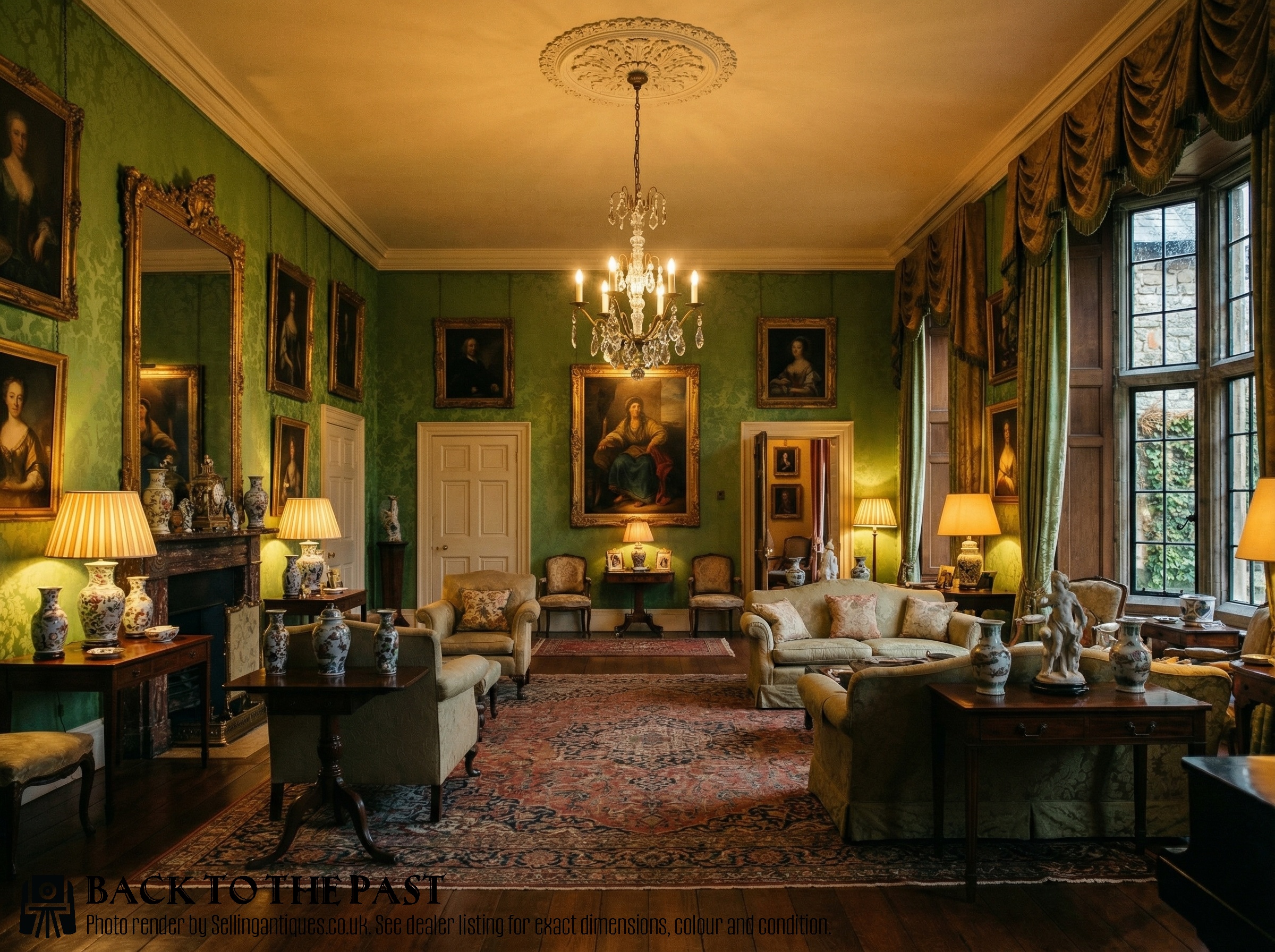
French Chateau Chandelier
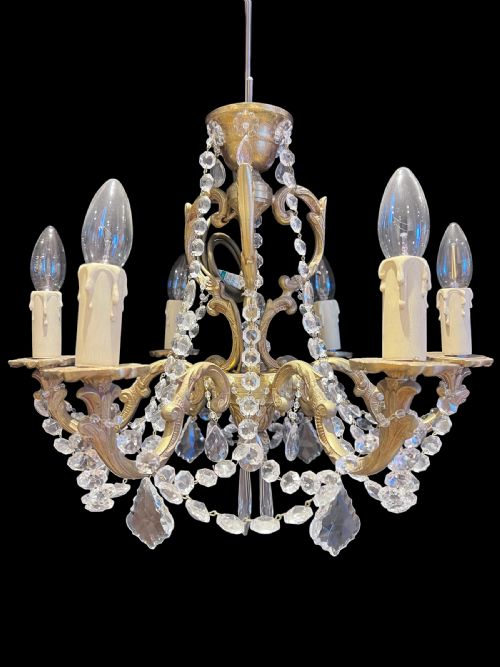
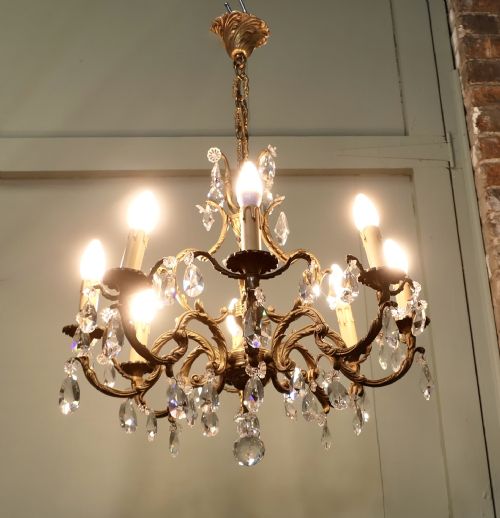
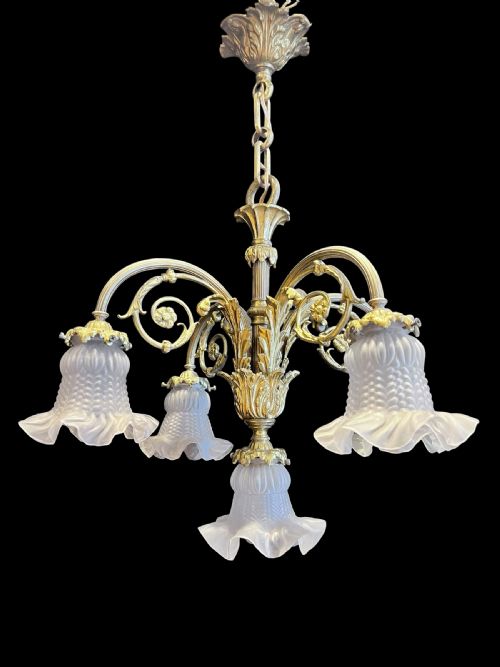
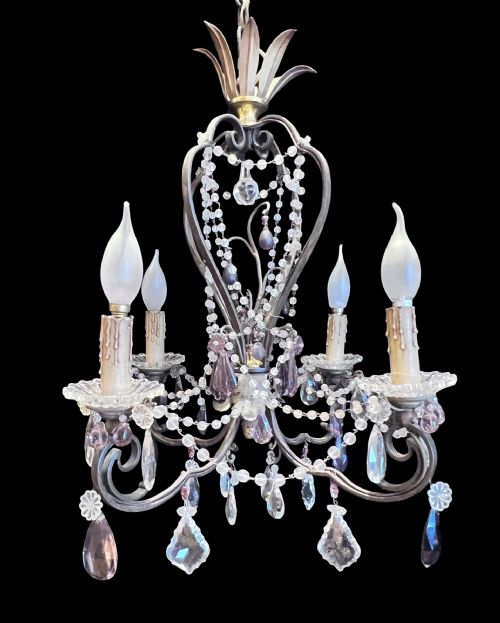
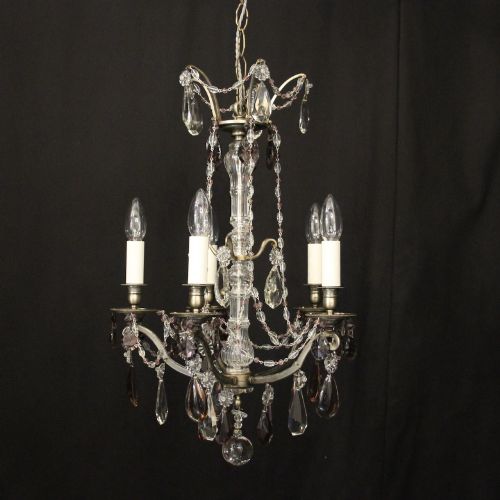
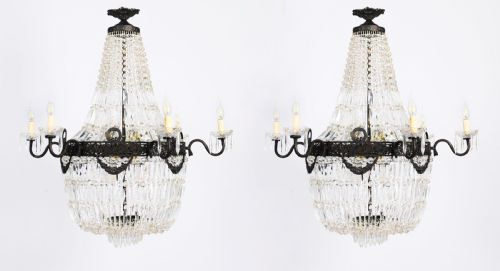
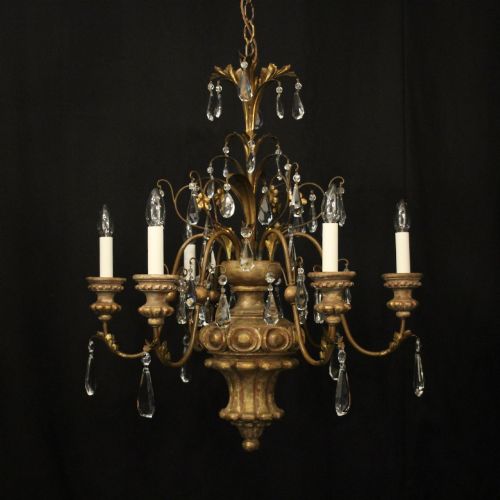
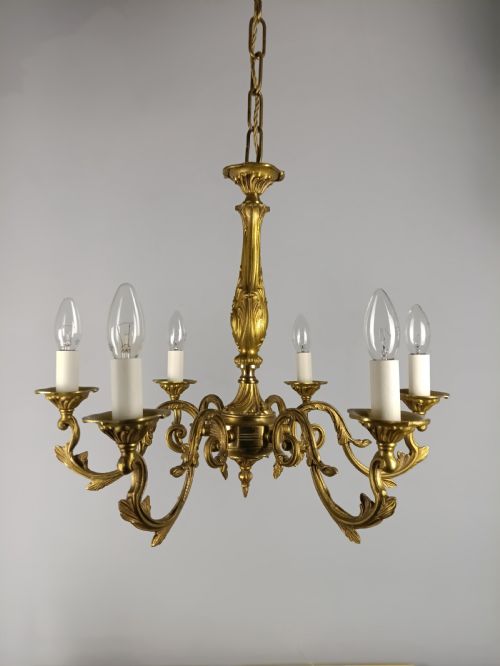
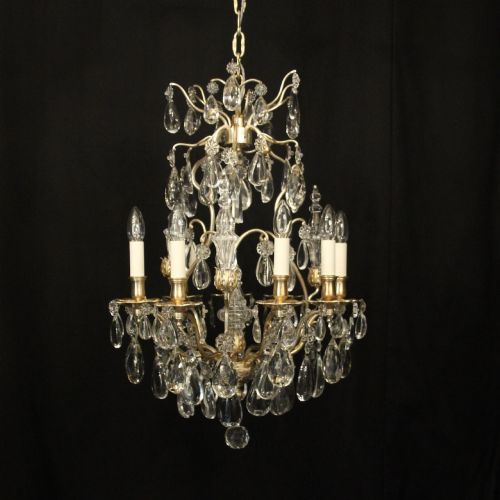
When you search for a french chateau chandelier, you encounter substantial ceiling lighting designed to dominate a formal interior. The selections available here span from the late nineteenth century through to the 1930s, encompassing styles such as French Rococo, Louis Revival, and Neoclassical alongside Italian Florentine interpretations.
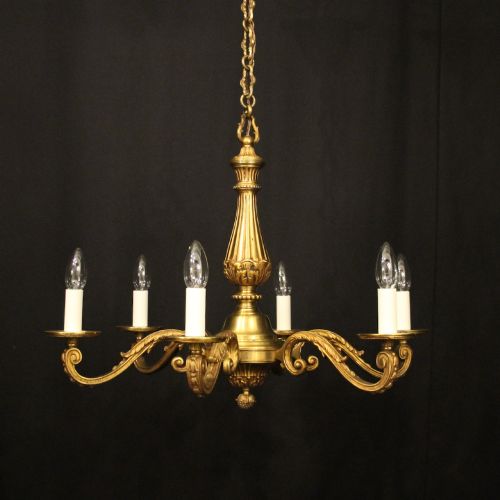
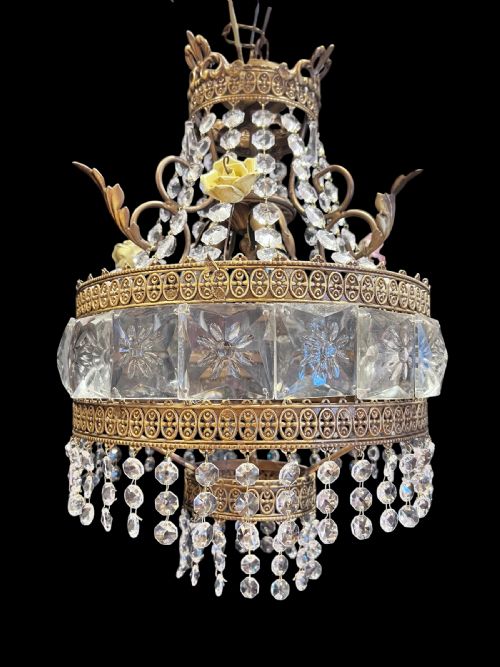
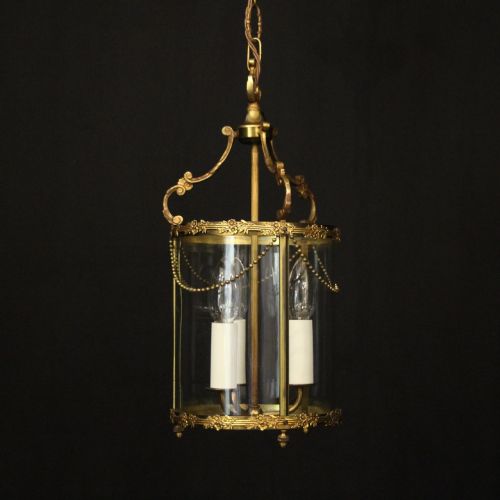
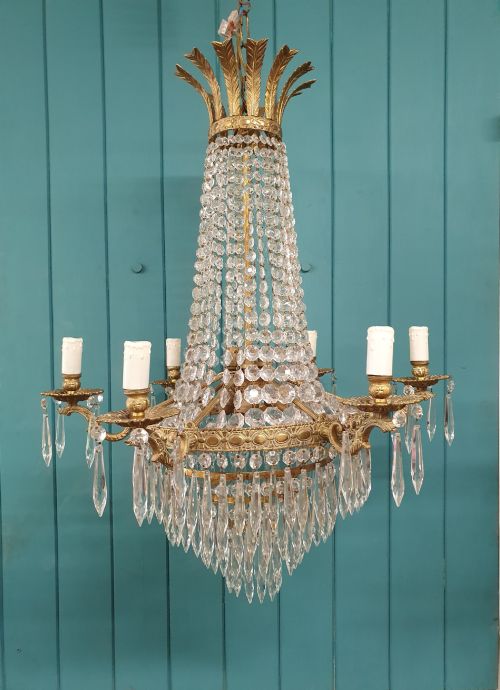
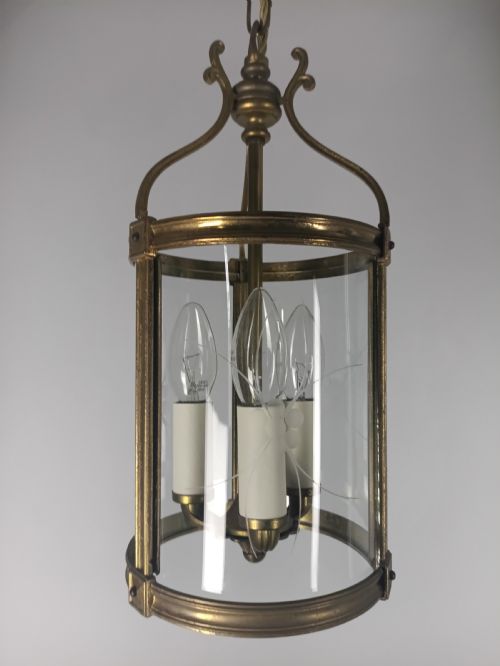
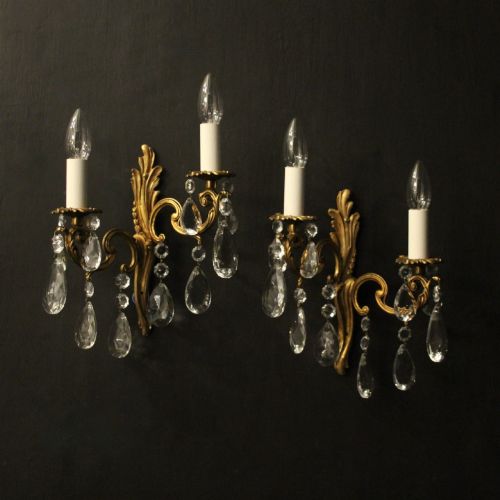
The primary forms you meet are multi-armed chandeliers holding anywhere from three to fourteen lights, supplemented by hall lanterns, pendant lights, and wall lights. Many pieces utilise brass, gilt bronze, or silver gilded frames ornamented with cut crystal lustres, glass drops, and occasionally porcelain flowers or coloured crystals.
The dominant aesthetic draws upon historic French design vocabularies, employing leafy decorations, tent structures, and convex glass panels. These fixtures suit high ceilings and substantial reception rooms where their scale and reflective qualities can operate to full effect.
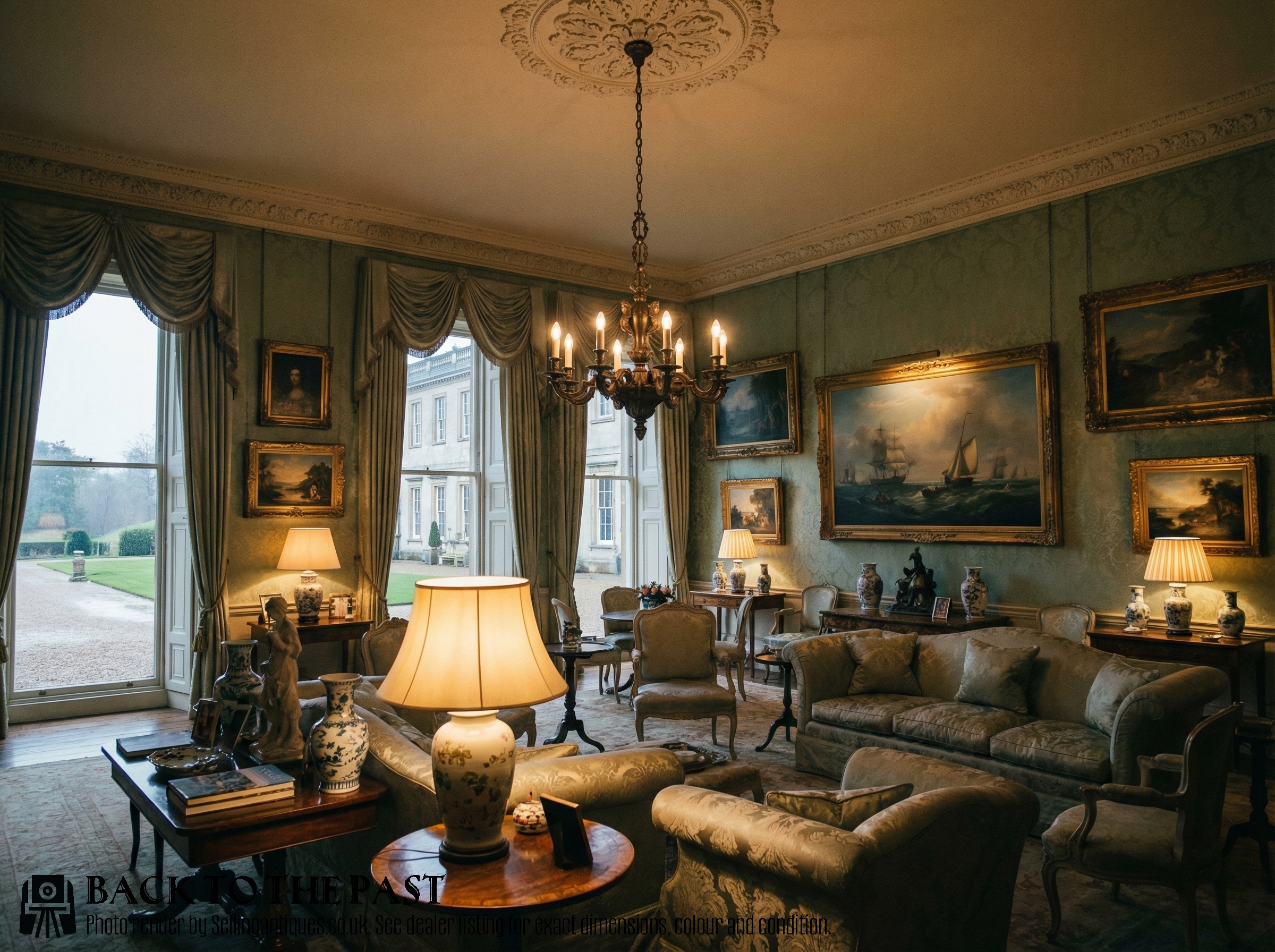
Materials and Construction
Makers constructed the structural frames of these fixtures from cast and wrought metals, predominantly brass, bronze, and gilt brass, frequently applying a silver or gold gilt finish to catch the ambient light. Frames range from simple structural rings to elaborate scrollwork and leafy toleware components.
Illumination and sparkle rely heavily on glass and crystal elements suspended from the metal armature, including cut crystal lustres, tent drops, and etched glass convex panels. Assembly involved meticulous wiring of multi-arm configurations, ranging from compact three-light pendants to grand fourteen-light ballroom fixtures.
French Chateau Chandelier Retail Price Guide 2026
Typical asking prices for french chateau chandelier among the pieces listed under this phrase on Sellingantiques today, from the lower quarter to the upper quarter. They describe what is for sale here now, not the wider market.
The selection here spans production dates from the nineteenth century through the 1900s, 1920s, and 1930s, utilising brass, bronze, crystal, and glass.
Distinctions in Quality
The division between standard and superior pieces rests on the depth of the casting work and the richness of the metal finishing. Heavier bronze or brass frames with crisper leaf and scroll detailing demonstrate a higher grade of craftsmanship than simpler pressed metal structures.
The quality of the glass and crystal components creates another clear distinction, where heavy, hand-cut crystal lustres provide greater refractive brilliance than moulded glass pendants. Furthermore, the completeness of the original drops and the finesse of the gilding separate standard decorative lighting from exceptional collector pieces.
The French Chateau Chandelier Glossary
- Tent chandelier
- A lighting fixture featuring a cascading canopy of crystals drawn upward into a tent-like cone above the main tier of lights. This configuration was favoured in grand nineteenth and early twentieth-century ballrooms.
- Lustre
- A cut glass or crystal pendant hung from the arms or crown of a fixture to refract light. They catch and scatter illumination across the ceiling and walls.
- Toleware
- Painted or lacquered sheet metal used in decorative elements and floral components on specific lighting designs. It introduces a pop of colour or a softer matte texture alongside polished metal and crystal.
- Hall lantern
- An enclosed ceiling-hung light, frequently featuring convex glass panels set within a brass or gilt frame. These fixtures were traditionally positioned in entrance halls and corridors.
- Gilt bronze
- Bronze metal treated with a thin layer of gold or gold-coloured alloy to produce a rich, warm metallic sheen. Also known as ormolu, this surface treatment resists tarnishing over decades.
French Chateau Chandelier: Frequently Asked Questions
How do I clean a crystal chandelier?
Maintenance involves gentle hand wiping of each crystal drop and metal arm using a mild cleaning solution and a soft cloth, supporting each pendant from beneath to prevent strain on the wire pins.
Avoid spraying liquids directly onto the fixture to protect the internal electrical components and the surrounding ceiling.
Will these antique lights work with modern wiring?
Most antique fixtures require professional rewiring to meet current safety standards before installation in a modern domestic setting.
A qualified electrician can adapt the internal fittings to accept standard modern lamp holders while preserving the exterior historic appearance.
How do I determine the right size chandelier?
Scale depends primarily on room dimensions and ceiling height, ensuring the fixture hangs with adequate clearance for passage below while remaining visually balanced within the space.
Larger multi-arm chandeliers require substantial ceiling roses and reinforced structural hooks to support their considerable weight.
How do I tell a 19th-century piece from a 1930s reproduction?
Examination of the metal casting techniques, screw threads, and the specific composition of the glass crystals helps indicate the manufacturing era.
Earlier pieces often display hand-finished bronze work and heavier lead crystal, whereas later twentieth-century revivals utilise slightly more standardised components.