
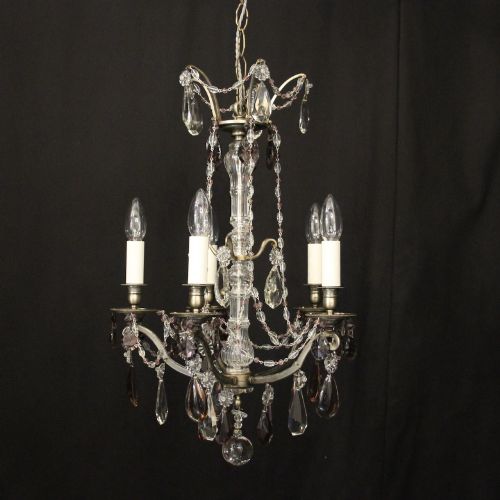
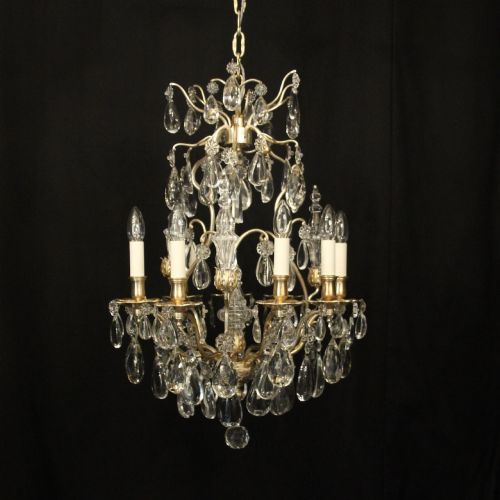
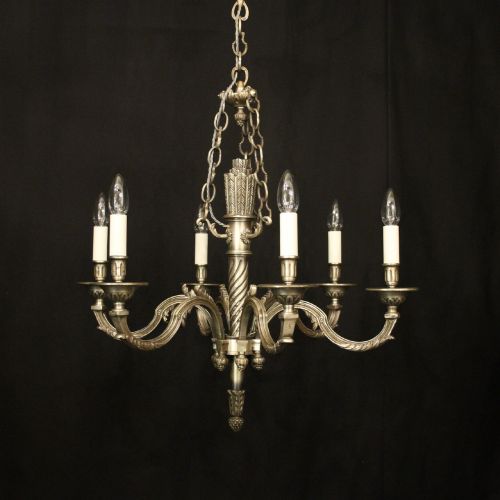


Silvered Bronze Chandelier
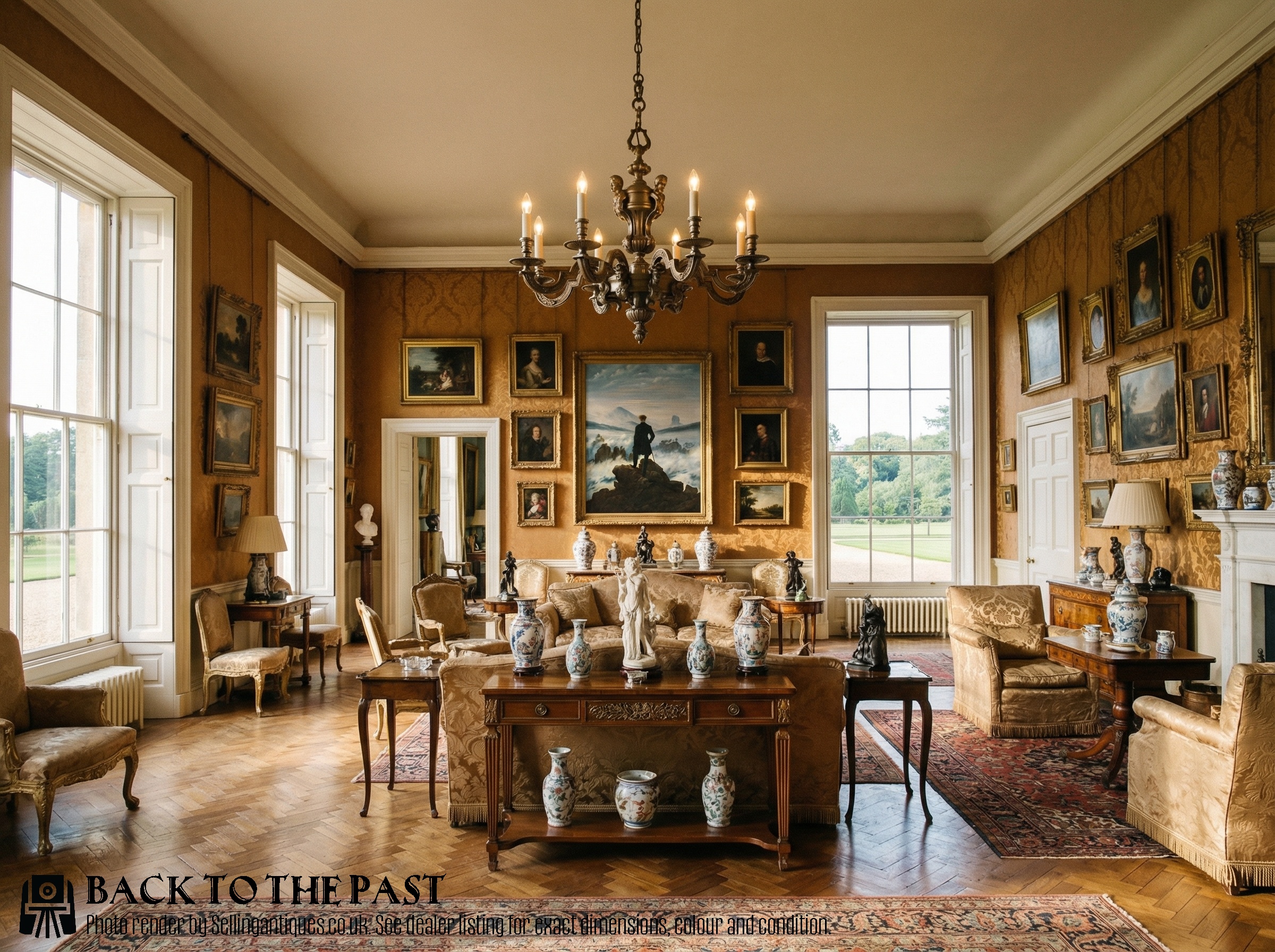
A silvered bronze chandelier brings unmistakable French and English candlelit grandeur to high-ceilinged rooms.
What these pieces are
A silvered bronze chandelier is a hanging multi-light fixture designed to illuminate large interiors with reflective brilliance. The selections presented here span the nineteenth century, nineteen-twenty, and nineteen-thirty, with French examples dominating the grouping.
Buyers will find fixtures ranging from five-light configurations up to substantial fifteen-light chandeliers. These pieces incorporate diverse branch counts and varying levels of crystal ornamentation across both French and English origins.
French Chateau, French Neoclassical, French Rococo, and Grand Regency styles define the visual language of these pieces. They frequently combine metallic structures with hanging glass and crystal drops to maximise light diffusion.
How they were made
The primary structural framework relies on cast bronze or metal that has undergone silvering or silver gilding. Artisans combined these metallic elements with brass and solid bronze components to build rigid, multi-armed chandelier skeletons.
Hanging elements of cut crystal and glass are integrated throughout the designs, suspended from the metallic frames to catch and scatter ambient light. The construction methods reflect traditional nineteenth and early twentieth-century metalworking and glass-hanging techniques.
Retail Price Guide 2026
Typical UK retail prices for silvered bronze chandelier, calculated from the Sellingantiques database of over a million retail prices indexed since 2003. This retail price guide relies exclusively on Sellingantiques data; no external sources or auction records are used, so the figures do not describe the wider market.
Listings span three specific eras: the nineteenth century, 1920, and 1930.
What varies in quality
The sophistication of the stylistic execution separates standard production from the finest examples, particularly across French Rococo, Neoclassical, and Grand Regency designs. Finer pieces demonstrate superior casting detail in the bronze work and more harmonious proportions between the metal arms and crystal drops.
The complexity of the lighting arrangement also dictates the hierarchy, moving from simpler five-light setups up to expansive fifteen-light compositions. Furthermore, the integration of extensive crystal dressing alongside silvered bronze or silver gilded finishes creates a distinct visual tier.
The Silvered Bronze Chandelier Glossary
- Silvered bronze
- A bronze substrate treated with a silver coating to provide a bright, reflective metallic surface. This finish combines the structural strength of bronze with the luminosity of silver.
- Crystal
- High-clarity lead glass cut into faceted drops and pendeloques to refract light across a room. It forms a primary decorative element on many multi-light chandeliers.
- Chandelier
- A branched, ceiling-mounted fixture designed to hold multiple light sources. These pieces distribute illumination downward and outward from a central vertical axis.
- Grand Regency
- A decorative style characterised by bold classical motifs, symmetry, and architectural gravitas. Fixtures in this aesthetic display strong proportions and disciplined ornamentation.
Frequently Asked Questions
What periods do these chandeliers come from?
The available evidence points to the nineteenth century, nineteen-twenty, and nineteen-thirty. These periods capture late nineteenth-century craftsmanship alongside early twentieth-century production.
French and English workshops from these eras utilised traditional metalworking methods to produce durable, ornate lighting fixtures.
What materials make up a silvered bronze chandelier?
Primary construction materials include silvered bronze, silver gilded bronze, silvered metal, and brass. Many examples incorporate crystal and glass elements suspended from the main metal frame.
Combinations of these materials enhance the reflective quality of the fixtures when illuminated.
How many lights do these chandeliers typically feature?
Light configurations range from five-light models up to fifteen-light arrangements. Mid-sized options with six or eight lights also appear frequently across the selection.
Larger fifteen-light variations generally suit expansive spaces requiring substantial illumination.
Which design styles are most common?
French Chateau, French Neoclassical, French Rococo, and Grand Regency represent the predominant styles seen in these listings. French designs strongly influence the overall selection.
Each style brings distinct decorative motifs and structural silhouettes to the metal framework.