
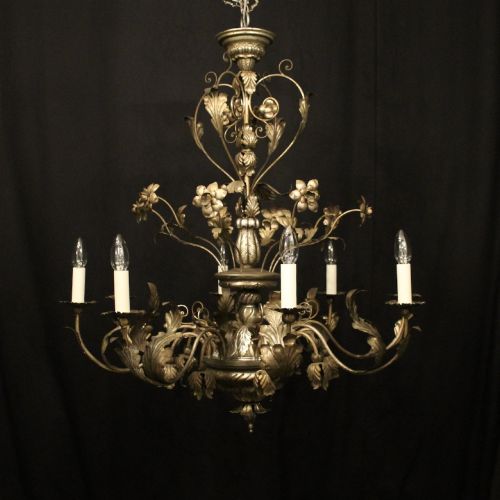
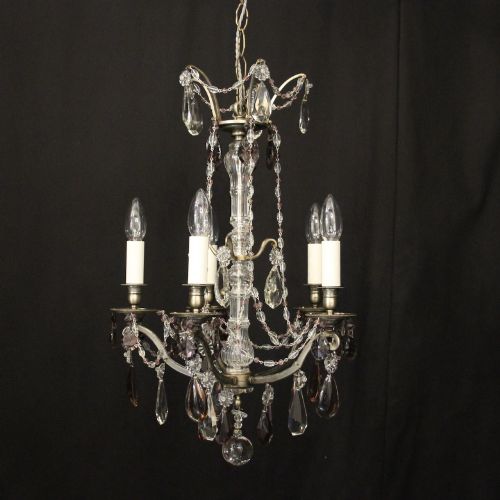
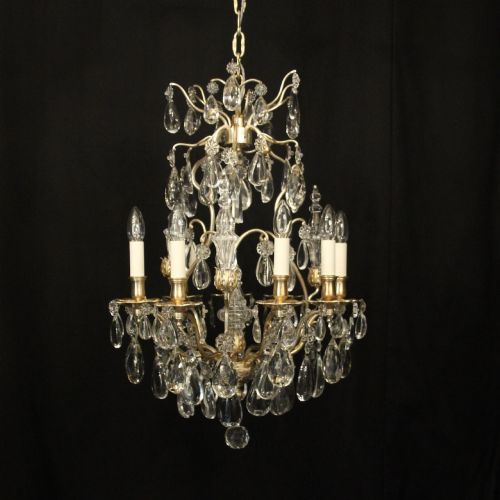
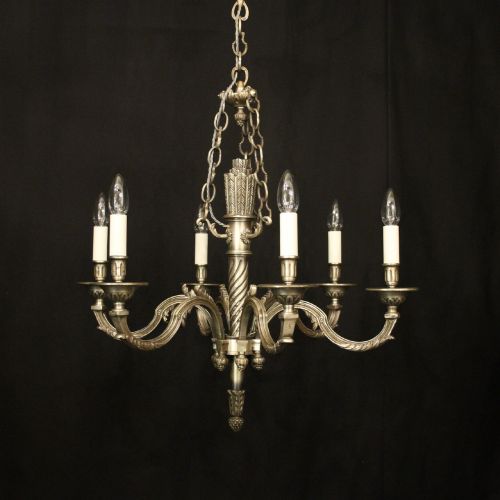
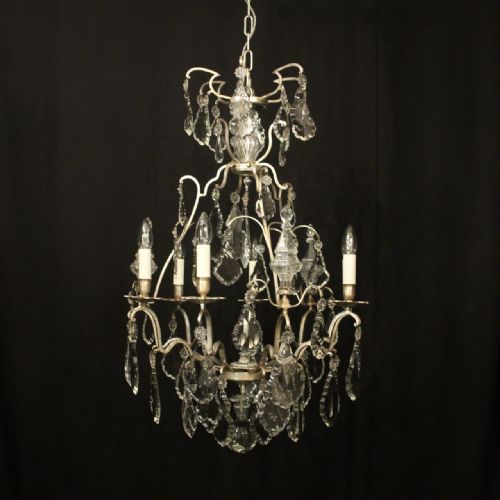


Silver Gilded Chandelier
A silver gilded chandelier brings dual-tone warmth and brilliant illumination to a room, combining the cool gleam of silver with rich gold highlights.
Silver Gilded Chandelier
A silver gilded chandelier is a hanging light fixture finished with both silver and gold treatments, creating a dual metallic surface that catches light from multiple angles. When you search for this phrase, you find pieces designed to illuminate grand spaces with a layered, reflective glow.
Most examples originate from French workshops or Italian centres, spanning the nineteenth century through the early decades of the twentieth century. French interpretations favour classical, rococo, and chateau styles, while Italian pieces often lean towards Florentine or rococo revival designs.
The standard forms include multi-light chandeliers, hanging lanterns, and pendant lights suited for high ceilings and principal rooms. You will frequently encounter fixtures holding five, six, or eight lights, alongside larger double-tiered versions.
How they were made
Makers constructed these fixtures using bronze, brass, or cast metal frames that received meticulous surface treatments. Artisans applied silver leaf or plating alongside gold gilding by hand, building a complex dual-tone finish that required considerable skill to balance.
Crystal drops, beads, and glass pendants were wired into place to refract the illumination from candle-style sockets or electric conversions. The integration of glass and crystal components adds a distinct sparkle that complements the underlying silver and gilt metalwork.
Makers occasionally added discreet birdcage frames above the central tiers, giving small songbirds a permanent place to roost amidst the crystal.
What varies in quality
Quality rests in the crispness of the casting and the depth of the dual metallic finish. Superior fixtures display sharply defined ornamentation on the bronze or brass framework rather than softened, indistinct details.
The integrity of the crystal and glass dressing also separates standard examples from exceptional ones. Heavier, hand-cut crystal drops that retain their original wiring and complete pendant arrays elevate the overall standard of the piece.
H Vian·Faraday and Son
The Silver Gilded Chandelier Glossary
- Silver gilt
- Metal coated with a thin layer of silver or silver leaf. It offers a cooler reflection than gold while retaining precious metal warmth.
- Gilded bronze
- Bronze metal treated with gold leaf or powder. This material forms the sturdy, ornate skeleton of many high-end French and Italian light fixtures.
- Tent and waterfall
- A specific configuration of crystal drops arranged in an upper triangular canopy dropping into a cascading lower bowl. It maximises light refraction across the room.
- Florentine style
- An Italian design tradition marked by ornate floral motifs and carved scrollwork. These pieces often exhibit looser, more organic curves than their French counterparts.
Silver Gilded Chandelier: Frequently Asked Questions
How do I hang a heavy bronze chandelier?
These substantial fixtures require professional installation using a ceiling joist or a heavy-duty steel hook capable of supporting the combined weight of metal and crystal.
Electrical wiring must also be assessed by a qualified person to ensure the canopy safely houses the required connections.
Can these chandeliers be converted for modern electricity?
Most surviving examples have already been rewired for modern electrical standards during their lifetime.
If an antique fixture retains older candle tubes or wiring, a specialist can rewire the arms safely while preserving the original metal components.
How do I clean silver gilded metal and crystal?
Dust the crystal drops regularly with a soft cloth and use a gentle, non-abrasive dry duster on the silver and gilt surfaces.
Avoid chemical polishes that can strip away the delicate dual-tone leaf application over time.
How do I tell French and Italian styles apart?
French chandeliers tend to follow strict neoclassical, chateau, or rococo revival symmetry with disciplined floral and architectural bronze casting.
Italian fixtures, particularly Florentine designs, often feature more whimsical, fluid leaf motifs and looser organic arrangements.