

Antique Crystal Lighting
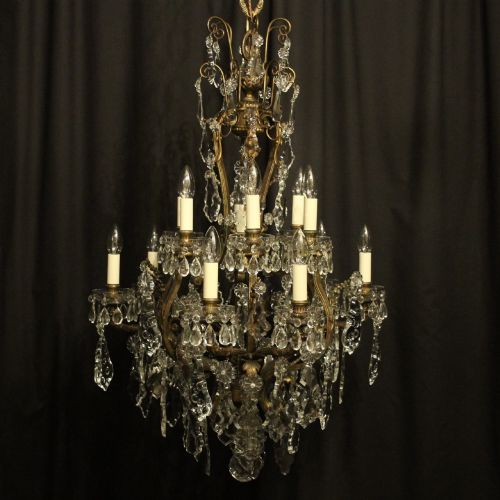
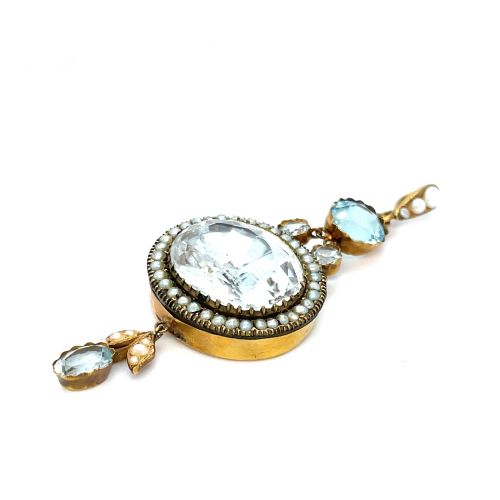
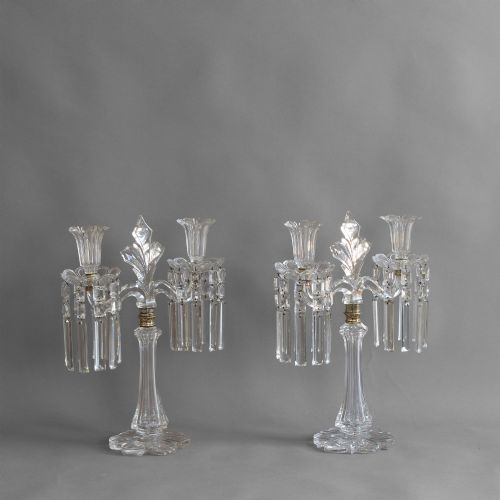
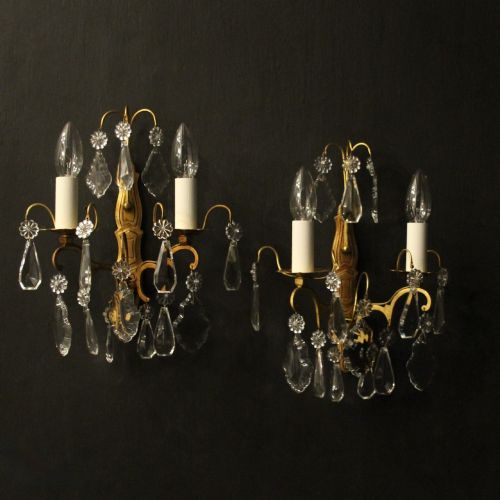
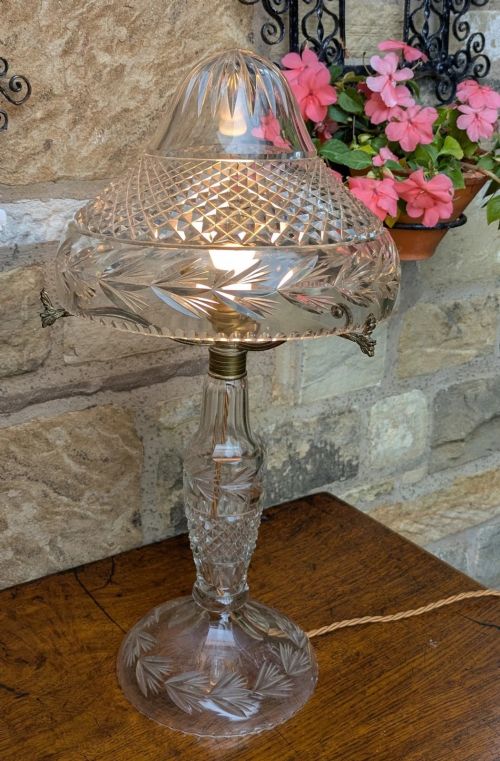
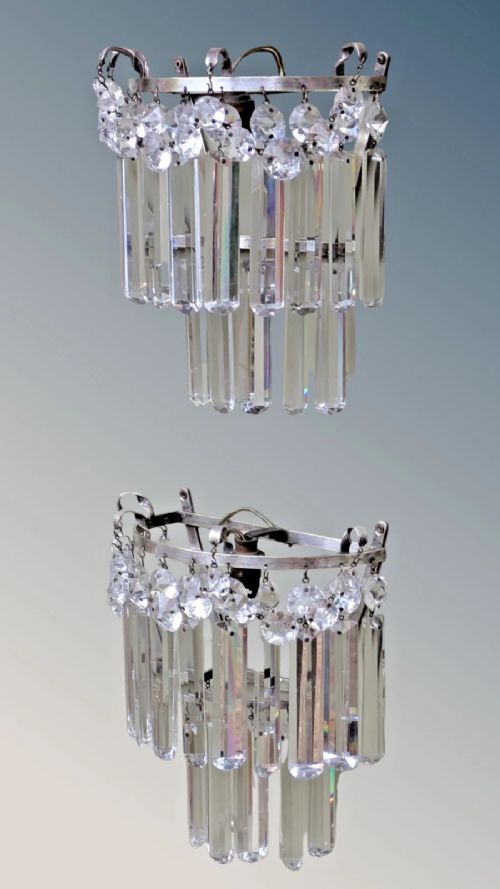
These antique crystal lighting pieces catch and scatter light through cut glass drops, brass frames and gilt bronze arms.
Antique Crystal Lighting
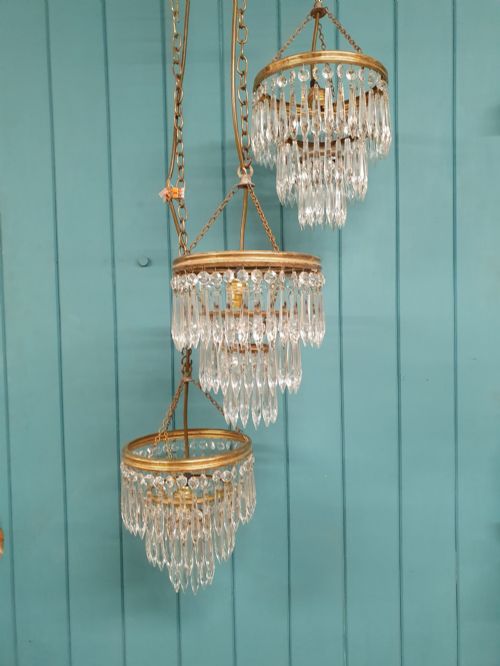
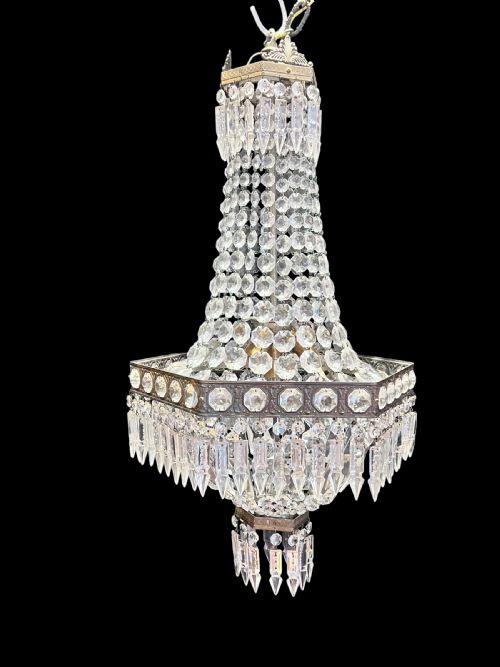
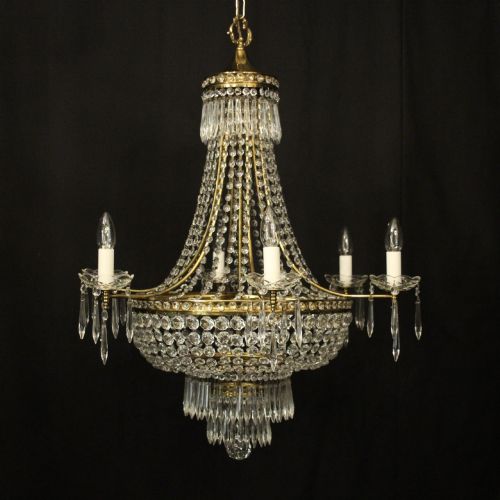
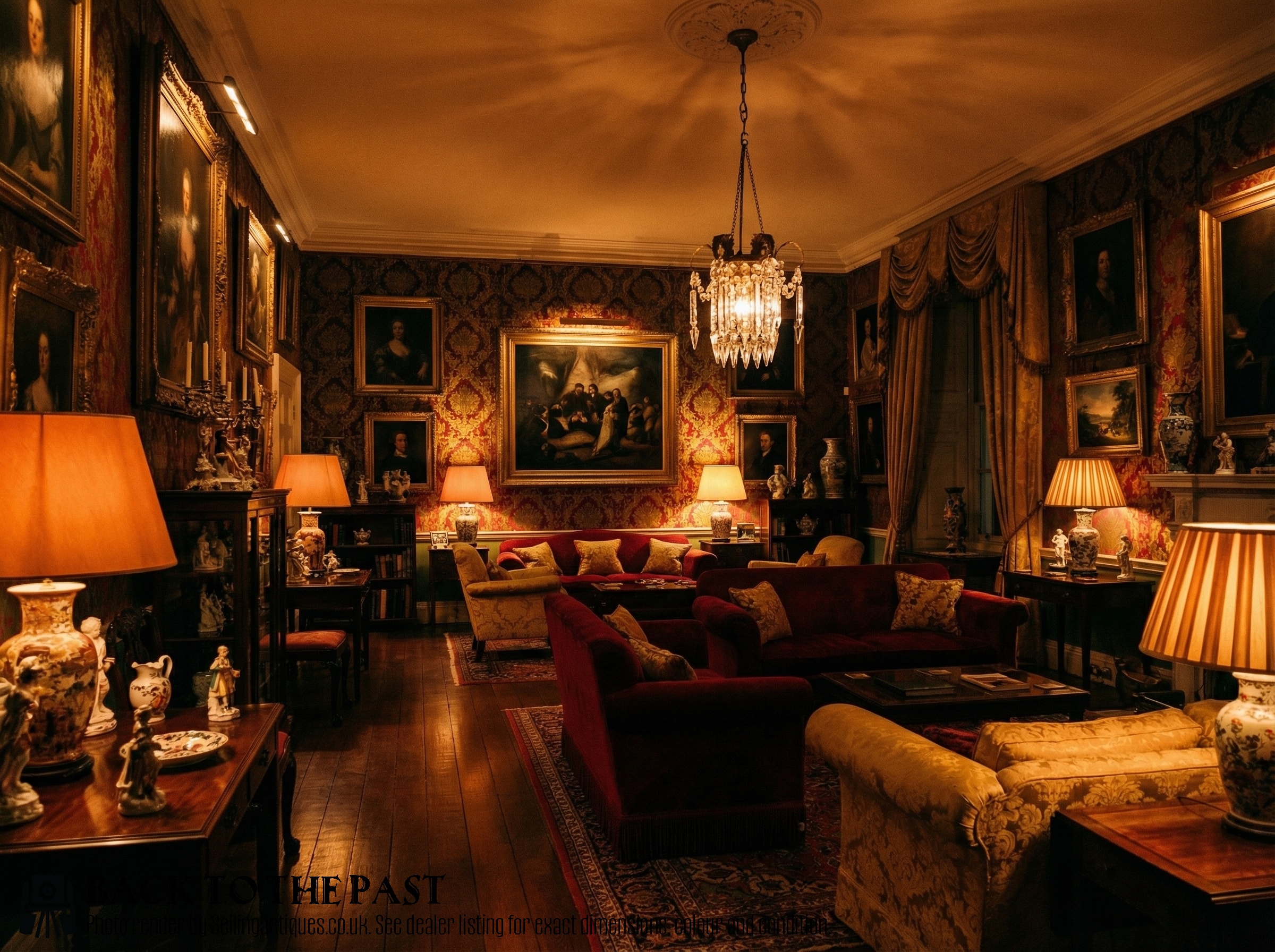
When searching for antique crystal lighting, buyers encounter chandeliers, wall lights, table lamps, and ceiling fixtures spanning the Victorian, Edwardian, and early twentieth century periods. French styles dominate the selection, ranging from tent and waterfall chandeliers to basket fixtures and gilded wall sconces.
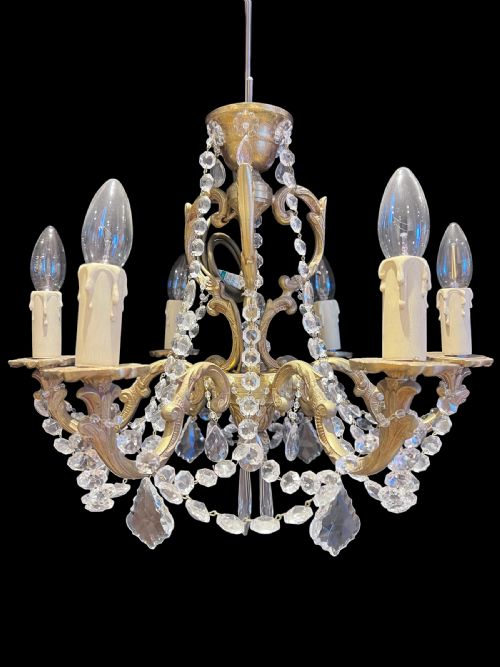
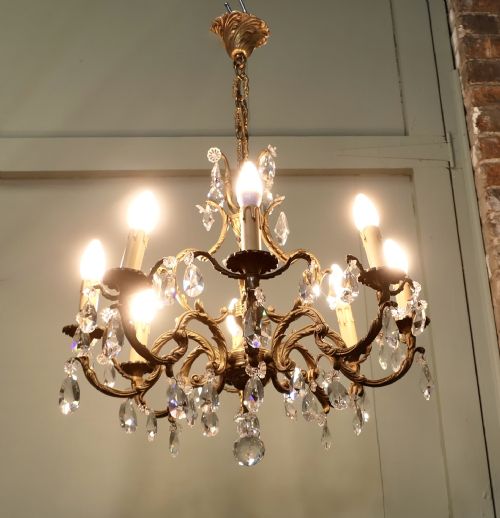
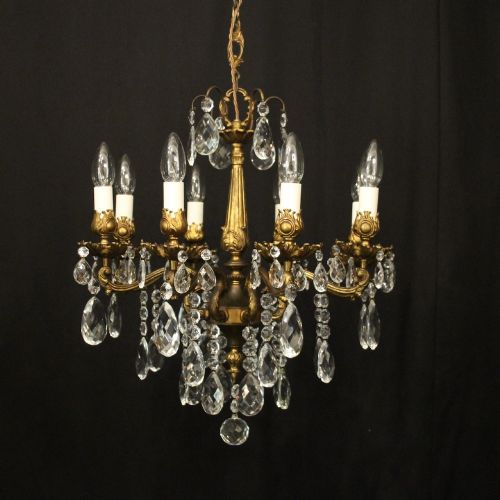
The most common items on this page are multi-light chandeliers and pairs of wall lights originating from French workshops and Italian makers. Pieces incorporate cut glass drops, crystal spikes, and brass or gilt bronze structures reflecting Rococo, Empire, and Louis Revival aesthetics.
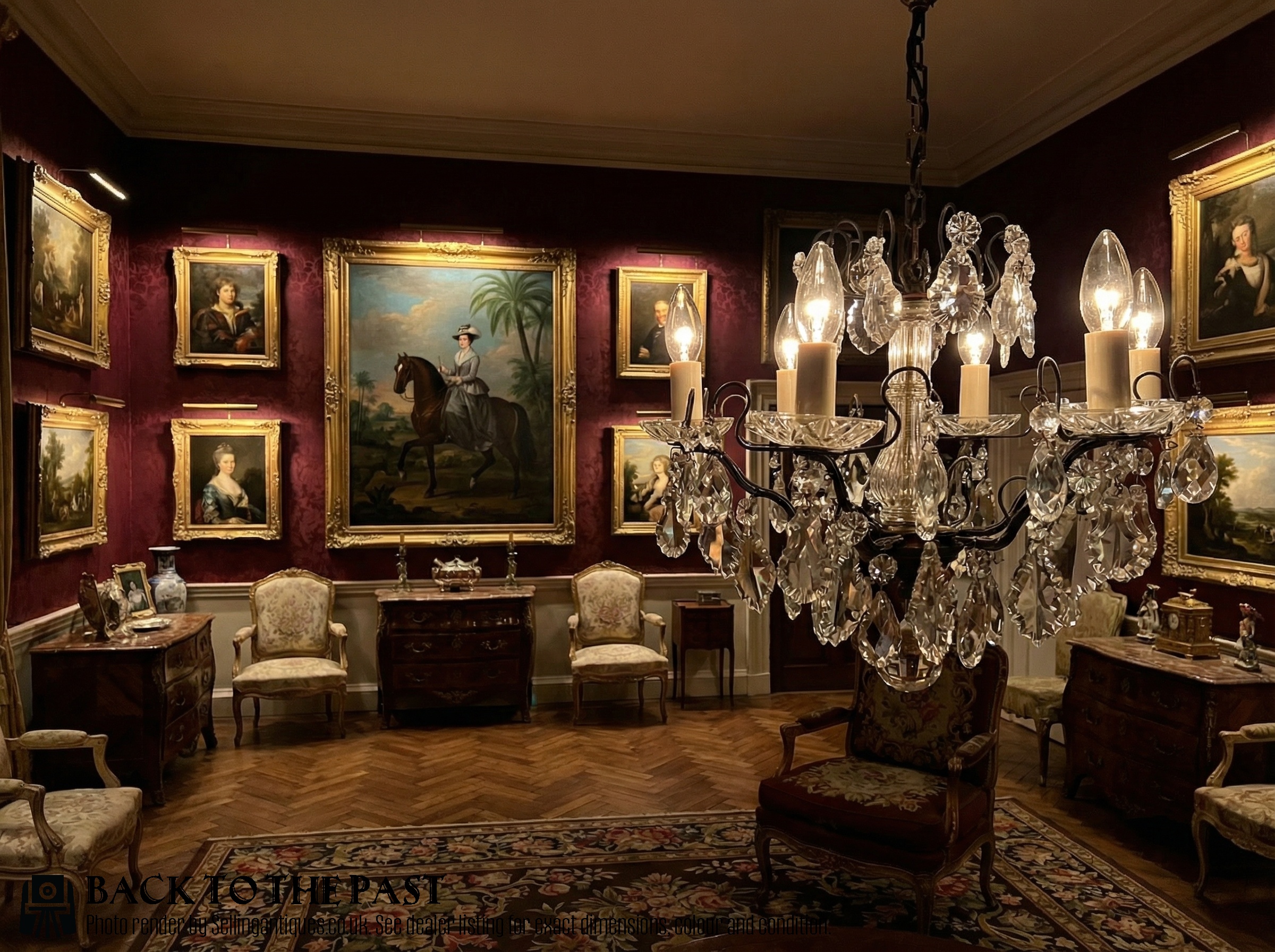
Materials and construction methods
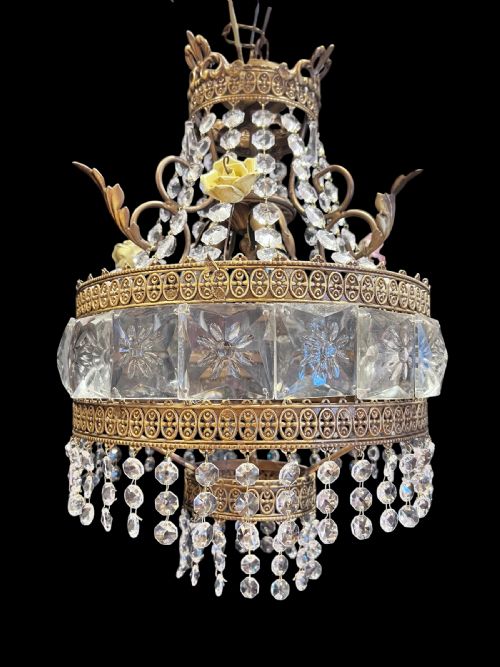
Maker workshops built frames using cast brass, gilt bronze, and gilt metal to support heavy glass components. Structural arms secure intricate arrangements of cut crystal drops, glass beads, and occasionally porcelain flowers.
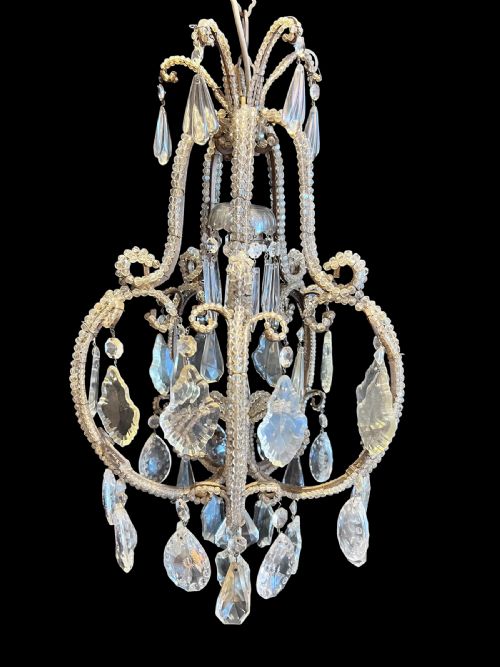
Cut glass and crystal elements were hand-cut and polished to maximise light refraction. Metal components often received a gilded finish, while specialised forms like tent and waterfall chandeliers required precise wire-work framing.
Antique Crystal Lighting Retail Price Guide 2026
Typical asking prices for crystal lighting among the pieces listed under this phrase on Sellingantiques today, from the lower quarter to the upper quarter. They describe what is for sale here now, not the wider market.
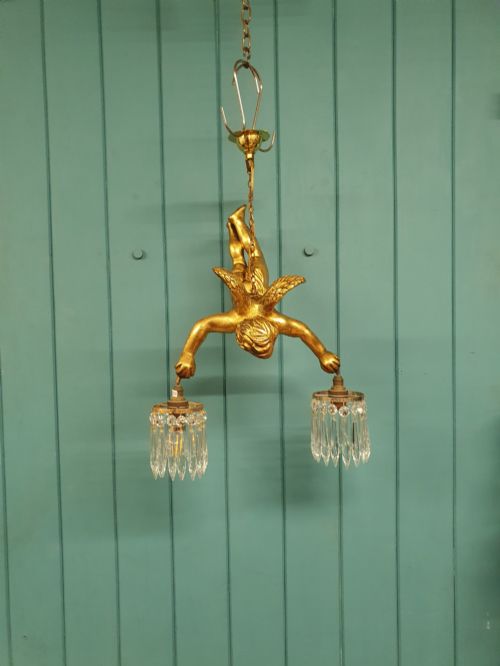
Several chandeliers enlist gilded cherubs and winged cupids to hold up the crystal spikes.
Factors that determine quality
The sophistication of the metal casting and the clarity of the crystal separate standard production from superior examples. Heavy gilt bronze mounts and deeply hand-cut crystal prisms generate sharper light dispersion than pressed glass and lighter brass frames.
Integrity of design and completeness of drop arrays dictate the status of a piece. Comprehensive assemblies of matching crystal lustres, bead strands, and spike drops demonstrate higher original craftsmanship.
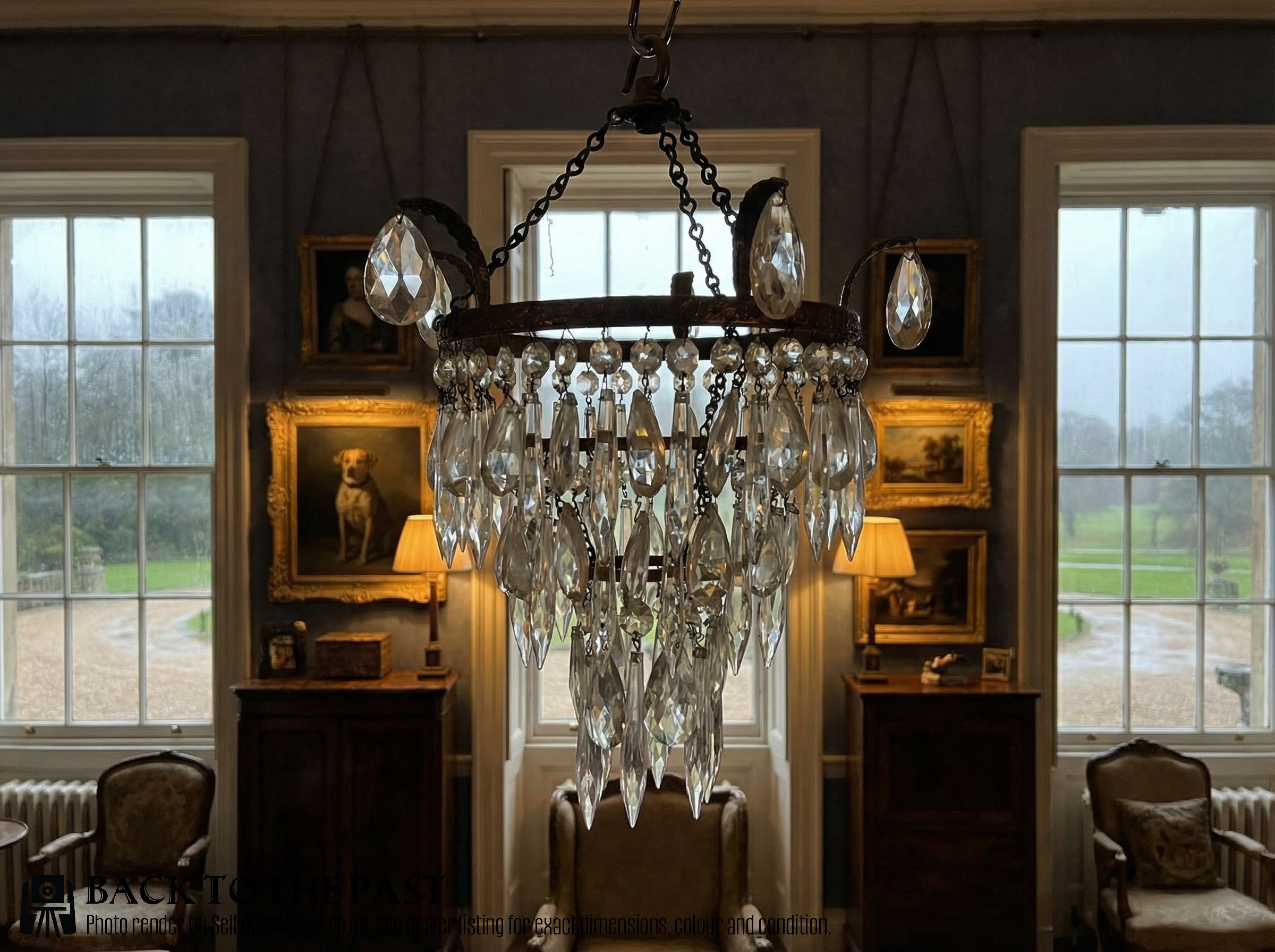
Maison Baguès
The Antique Crystal Lighting Glossary
- Chandelier
- A branched ceiling-mounted lighting fixture designed to hold multiple bulbs or candles. These fixtures rely on glass drops to multiply the illumination.
- Lustre
- A decorative glass or crystal pendant hung from a lighting fixture to refract light. They appear in various geometric and spike forms.
- Plafonnier
- A ceiling light fitting mounted flush or close to the ceiling surface. These often feature decorative cut glass bowls or panels.
- Tent and waterfall
- A chandelier style featuring an upper conical section of glass beads above a cascading shower of crystal drops. This arrangement creates a dense curtain of reflective glass.
Antique Crystal Lighting: Frequently Asked Questions
How do I clean antique crystal lighting?
Cleaning requires a soft cloth and a mild solution applied directly to each crystal drop rather than submerging the frame. Technicians often clean pieces in situ to protect fragile wire bindings and historical metal finishes.
Harsh chemical cleaners can damage gilt surfaces and degrade the vintage glass. Regular dusting maintains clarity without risking the structural integrity of old fixings.
Were these fixtures electrified originally?
Most pieces from the nineteenth and early twentieth centuries operated on gas or candles before conversion to electricity. Surviving wiring setups indicate later adaptations made for modern domestic use.
Buyers should inspect the internal lamp holders and ceiling brackets to confirm safety standards match current electrical requirements. Professional rewiring preserves the antique frame while ensuring safe operation.
How do I identify a French Empire chandelier?
French Empire style fixtures utilise classical architectural motifs, heavy gilt bronze frames, and symmetrical tent formations. These designs draw inspiration from neoclassical Rome and Napoleon's reign.
The inclusion of laurel wreaths, winged figures, and structured brass crowns helps distinguish this aesthetic from lighter Rococo revival pieces.
Where should I hang a crystal wall light?
Wall lights perform best when mounted at eye level in hallways, dining rooms, or flanking living room fireplaces. Their reflective properties amplify ambient light in compact spaces.
Pairing sconces creates visual symmetry along a wall while distributing illumination evenly across the room.