


French Neoclassical Lighting
French neoclassical lighting brings classical restraint and gilt metalwork to a room.
French Neoclassical Lighting Forms
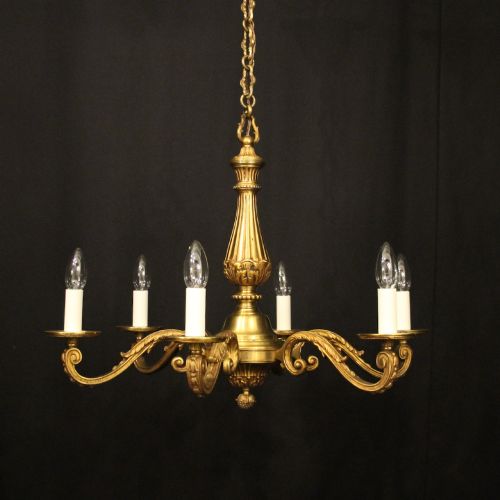
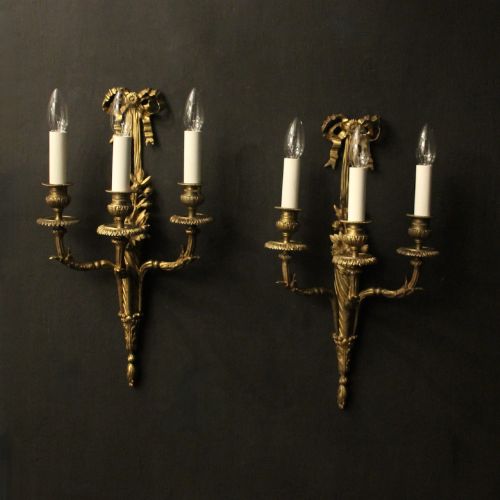
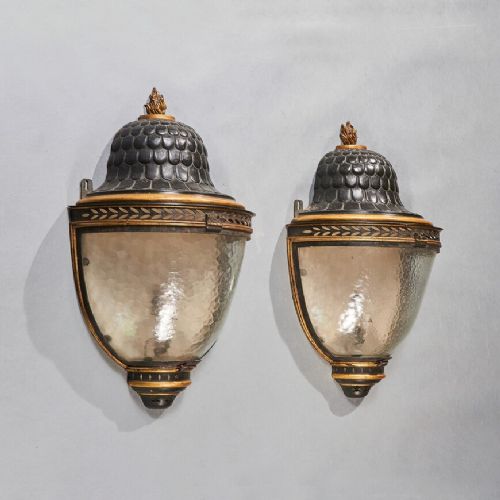
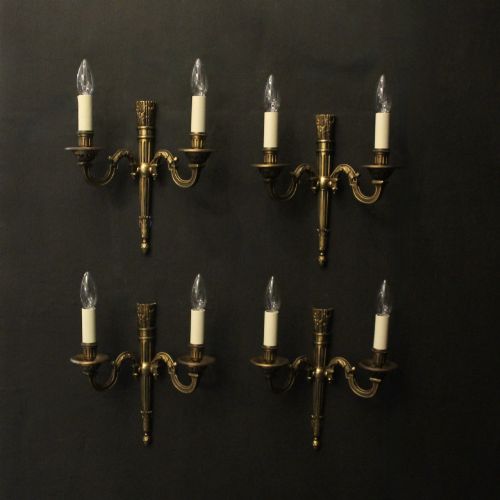
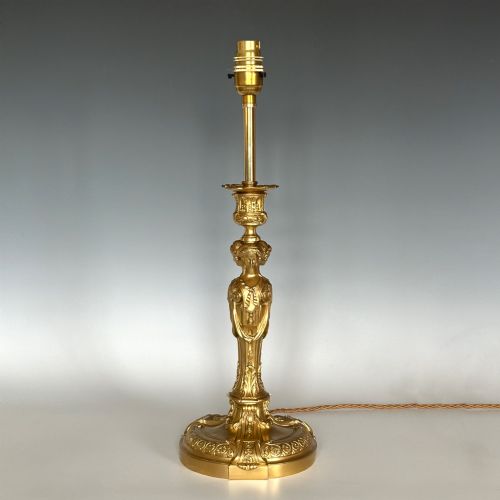
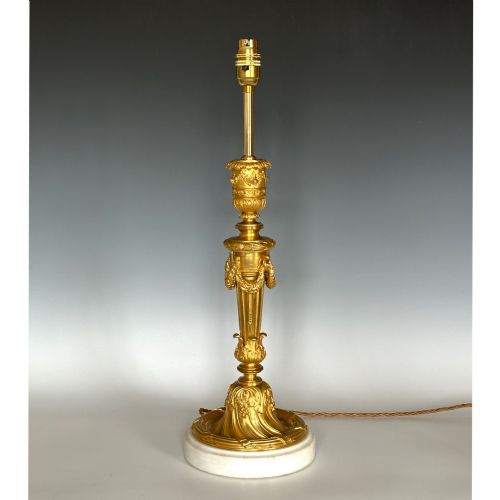
French neoclassical lighting encompasses table lamps, chandeliers, ceiling lights, and floor lamps produced across the nineteenth and early twentieth centuries. These pieces draw heavily on eighteenth-century Louis XVI design vocabulary, featuring symmetrical forms and classical motifs.
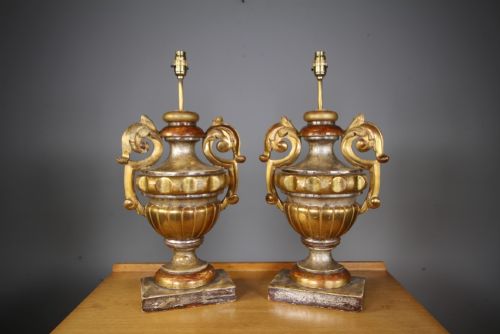
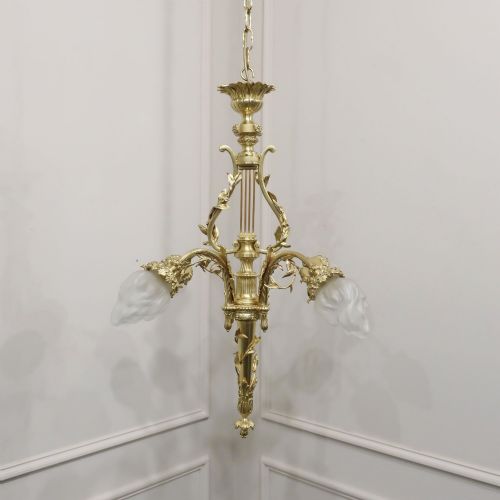
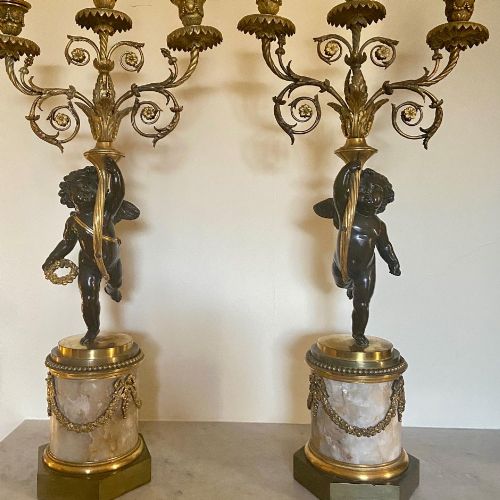
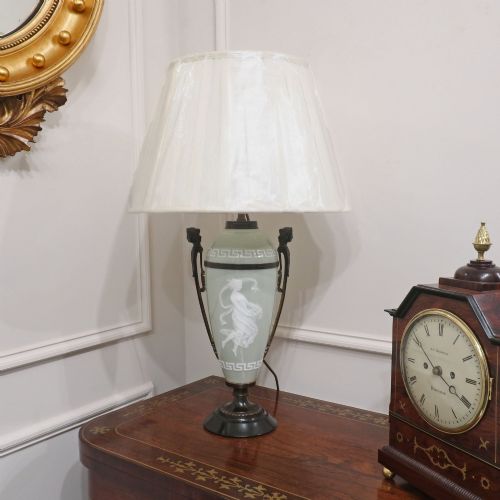
The selections on this page include gilt bronze lyre chandeliers, ormolu-mounted rouge marble lamps, and tole floor lamps. Table lamps often adapt earlier decorative vases, such as Sevres porcelain, into electrified mounts.
Materials and Construction
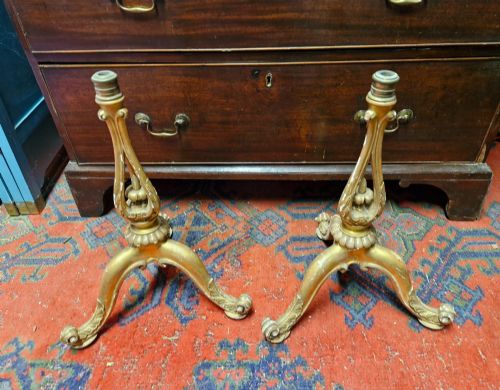
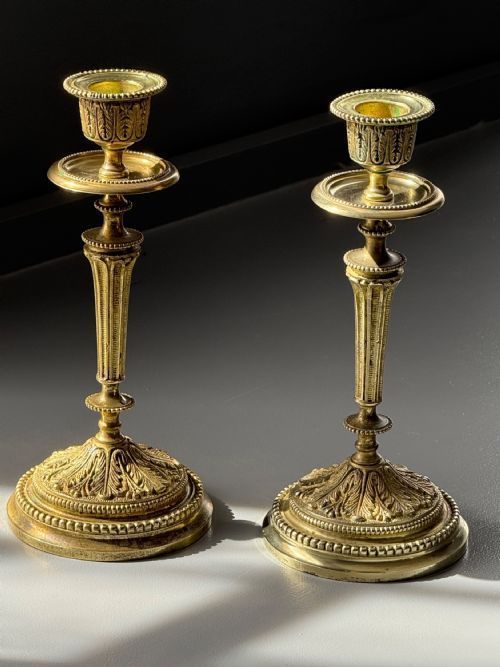
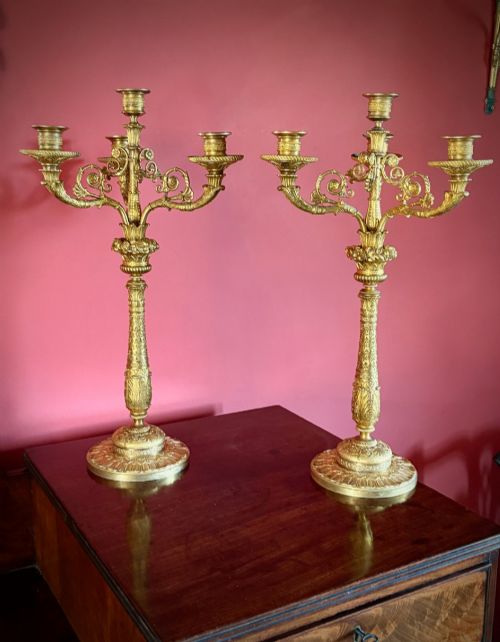
Metalwork forms the core of these items, utilising ormolu, brass, standard metal, gilt bronze, and silvered bronze. Cast and chased metal components provide structural integrity and intricate surface detail.
Makers incorporate contrasting materials such as rouge marble bases and painted tole metalwork. Glass elements appear in chandeliers and ceiling fittings to diffuse light.
Retail Price Guide 2026
Typical UK retail prices for french neoclassical lighting, calculated from the Sellingantiques database of over a million retail prices indexed since 2003. This retail price guide relies exclusively on Sellingantiques data; no external sources or auction records are used, so the figures do not describe the wider market.
Listings feature items from eighteen ninety, nineteen hundred, and nineteen twenty, alongside broader nineteenth-century dates.
Assessing Quality and Execution
Quality rests in the crispness of the bronze chasing and the weight of the cast mounts. Finer examples display deep gilding and precise assembly of structural parts.
Material selection marks the distinction between standard production and higher-end commissions, particularly where natural stone like rouge marble or hand-painted tole is integrated.
The French Neoclassical Lighting Glossary
- Ormolu
- Gilded bronze, where a gold-mercury amalgam is applied to a bronze base. This technique creates a durable, warm metallic finish seen on many fine mounts.
- Tole
- Enamelled or painted sheet metal used for lamp bodies and shades. It provides a durable surface that often mimics japanning or simple monochromatic finishes.
- Rouge Marble
- A deep red, variegated limestone quarried in France and frequently used for decorative architectural elements and lamp bases. It adds substantial weight and colour contrast to metalwork.
- Lyre
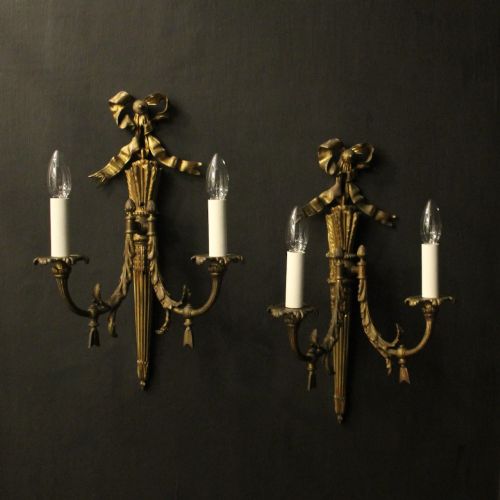
- A symmetrical, stringed musical instrument shape used as a decorative motif in neoclassical design. In lighting, it forms the openwork frame of chandeliers and wall brackets.
Frequently Asked Questions
What periods do these lights come from?
The available lighting spans from the nineteenth century through the early twentieth century, with specific pieces dated around eighteen ninety, nineteen hundred, and nineteen twenty.
Many examples explicitly emulate the eighteenth-century Louis XVI style, borrowing classical proportions and decorative motifs from that earlier era.
What materials are used in French neoclassical lighting?
Construction relies heavily on metals, including ormolu, gilt bronze, brass, standard metal, and silvered bronze. These metals provide the structural framework and ornate decorative details.
Additional materials include glass for diffusing light, painted tole for lamp bodies, and rouge marble for solid, decorative bases.
How do I identify Louis XVI style lighting?
Louis XVI style lighting relies on straight lines, symmetry, and classical architectural elements rather than the flowing curves of the preceding rococo period. Look for motifs like the lyre, urns, acanthus leaves, and fluted columns.
The use of gilt bronze and ormolu mounts paired with contrasting materials like rouge marble is another strong indicator of this aesthetic.
Where were these lamps and chandeliers made?
These items originate from France, encompassing both period pieces made in the nineteenth and early twentieth centuries and later interpretations of classic designs.
Manufacturing methods combine traditional foundry casting with decorative arts techniques developed in French workshops and factories.
Can I find floor lamps in this style?
Floor lamps do appear within this category, often constructed from painted tole and metal to provide adjustable or tall light sources.
These taller pieces maintain the same neoclassical design principles seen in the smaller table lamps and ceiling fixtures.