


Cobalt Blue Table Lamp
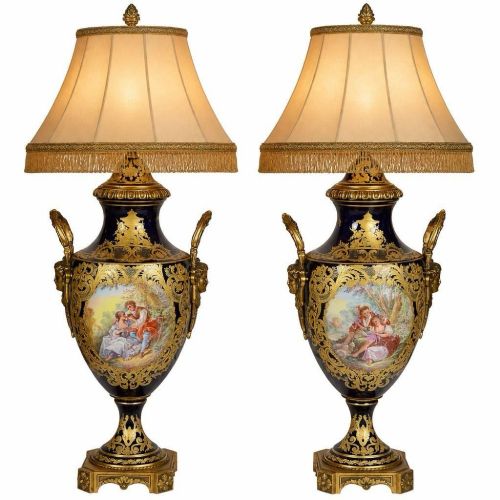
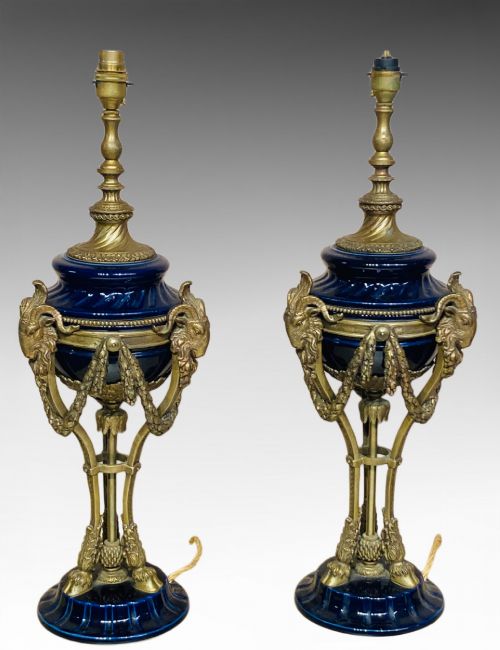
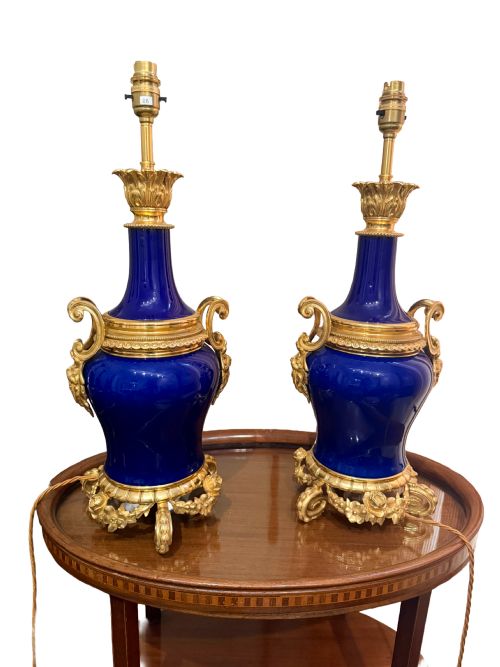
These cobalt blue table lamp pieces combine rich glazed ceramics with gilt metal mounts to bring colour and period presence to a room.
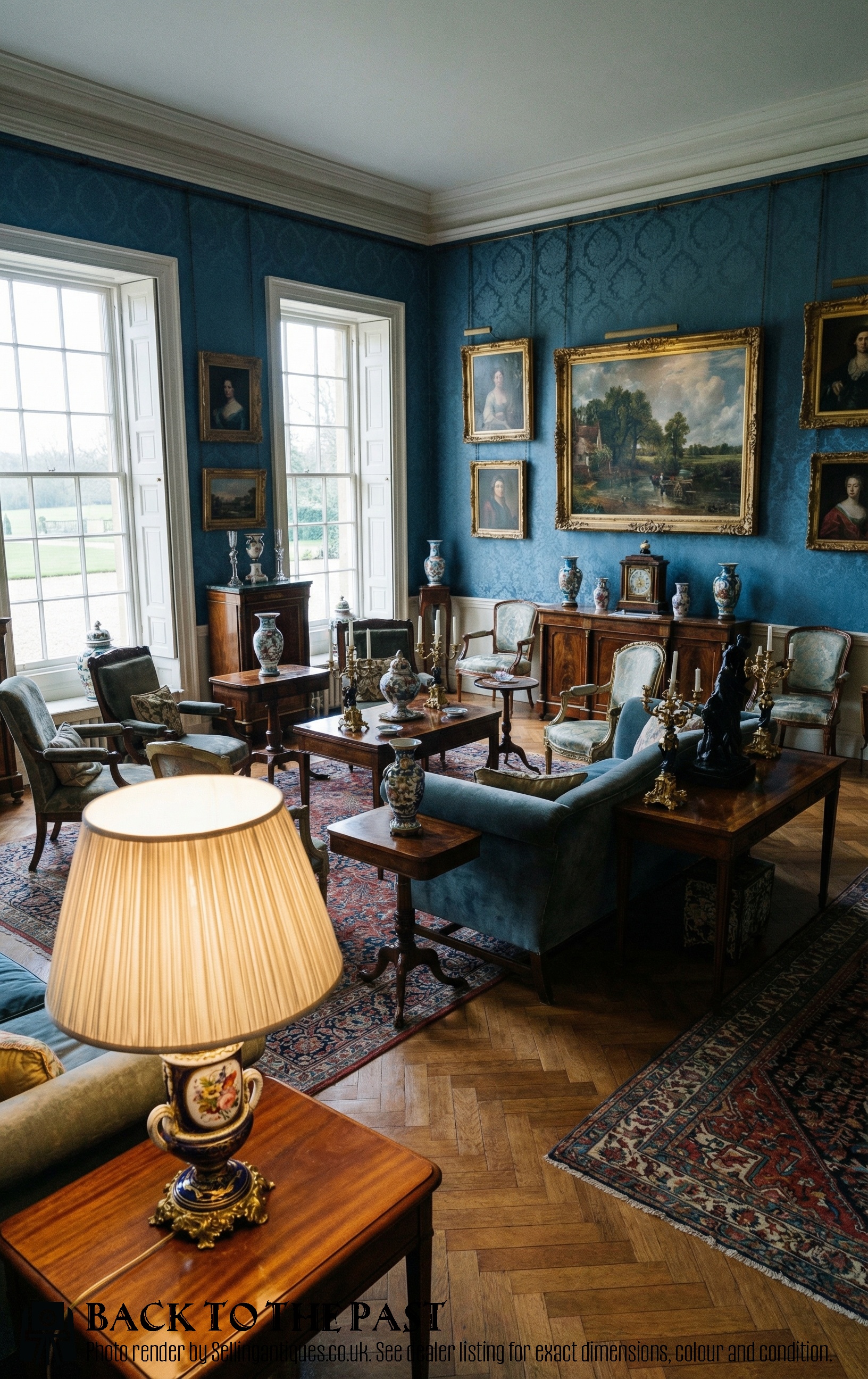
What a cobalt blue table lamp is
A cobalt blue table lamp takes a ceramic vessel from the nineteenth century and adapts it for modern illumination. These objects originate mostly from French workshops and Asian export traditions, translating earlier decorative arts into functional lighting.
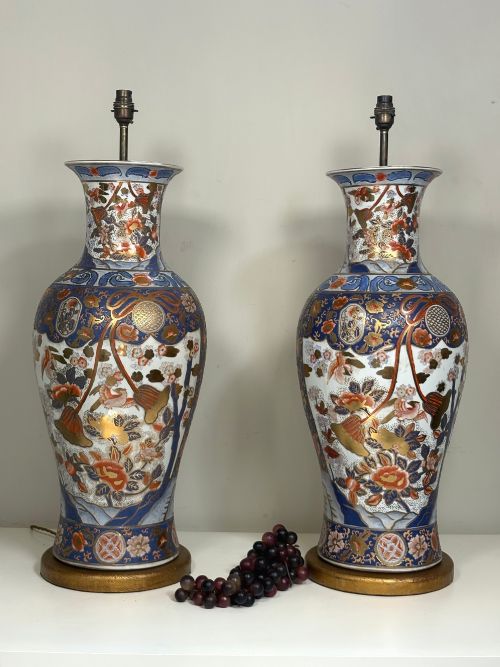
The form relies on porcelain bodies glazed in deep cobalt tones, often paired with metal mounts and fabric shades. Surviving examples reflect nineteenth century tastes for Louis XVI style, Japanese Meiji aesthetics, and Chinoiserie.
Buyers encounter pieces ranging from Sevres style porcelain vases mounted in ormolu to Japanese Imari and Chinese style Famille Verte vessels. Each configuration repurposes traditional ceramic forms into decorative lighting for the home.
How they were made
Makers shaped porcelain bodies on the potter's wheel or in moulds before applying cobalt pigments beneath a clear glaze. Firing at high temperatures set the deep blue coloration permanently into the ceramic body.
Metalworkers added ormolu, gilt bronze, and brass mounts to secure the porcelain and provide structural bases and collars. Fabric components completed the construction to diffuse light from the electrical fittings.
Retail Price Guide 2026
Typical UK retail prices for cobalt blue table lamp, calculated from the Sellingantiques database of over a million retail prices indexed since 2003. This retail price guide relies exclusively on Sellingantiques data; no external sources or auction records are used, so the figures do not describe the wider market.
A nineteenth century vase transforms into a reading light without losing its original dignity.
What varies in quality
Quality rests upon the crispness of the porcelain moulding and the depth of the cobalt glaze. Finer examples show careful control during the high-temperature firing, resulting in an even, luminous blue surface.
The integration of metalwork distinguishes superior pieces from standard production. Finely chased ormolu and gilt bronze mounts fitted precisely to the porcelain indicate skilled workshop collaboration.
The Cobalt Blue Table Lamp Glossary
- Cobalt blue
- A deep, stable metallic pigment used under the glaze on ceramics to produce rich blue decoration.
- Ormolu
- Finely ground gold applied to a bronze base through a mercury amalgamation process, creating a bright golden surface on mounts.
- Famille Verte
- A Chinese porcelain palette dominated by green enamels, often combined with cobalt blue and other colours.
- Imari
- A style of Japanese export porcelain featuring underglaze cobalt blue alongside iron red and gilt details.
Frequently Asked Questions
How are these lamps powered?
These pieces use standard electrical wiring adapted into historic ceramic bodies. Modern fittings sit securely within the original vase necks or mount assemblies.
Buyers should check the specific wiring age and consult an electrician to ensure compliance with current safety standards before regular use.
Can the fabric shades be replaced?
Fabric shades on these lights are typically detachable and chosen to complement the porcelain base. Replacing a shade allows owners to adjust the height and colour diffusion to suit their interior.
Original shades are rarely present, so contemporary replacements are standard for daily living.
How do I clean the porcelain?
Dusting with a dry, soft cloth is sufficient for regular maintenance of the glazed ceramic surfaces. Avoid harsh chemical cleaners that might affect the gilt metal mounts or the fabric elements.
Gentle care preserves both the cobalt glaze and the delicate ormolu details over decades of use.
What periods do these pieces represent?
The pieces span the late nineteenth century, specifically around eighteen ninety and the broader eighteen hundreds. They reflect historic revival styles popular during that era.
Design influences draw from French chateau aesthetics, Japanese Meiji output, and traditional Chinese export wares.