
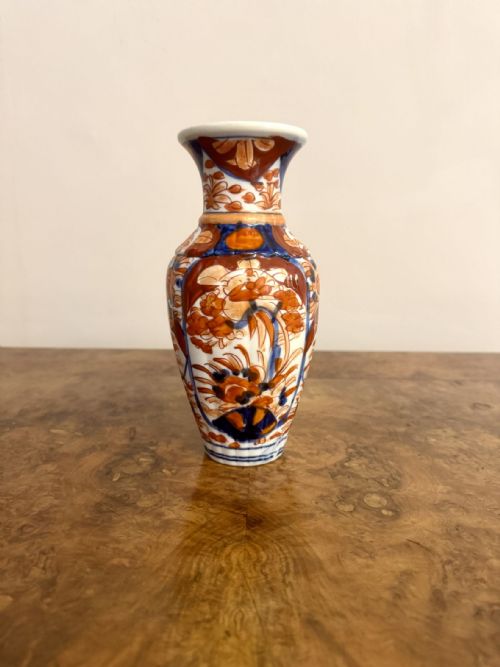
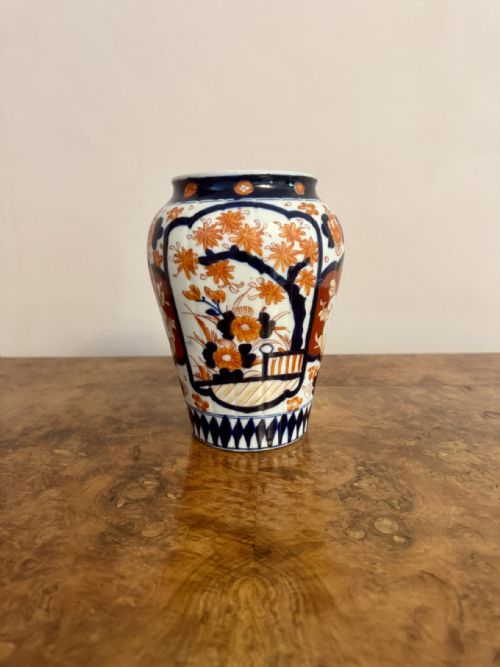
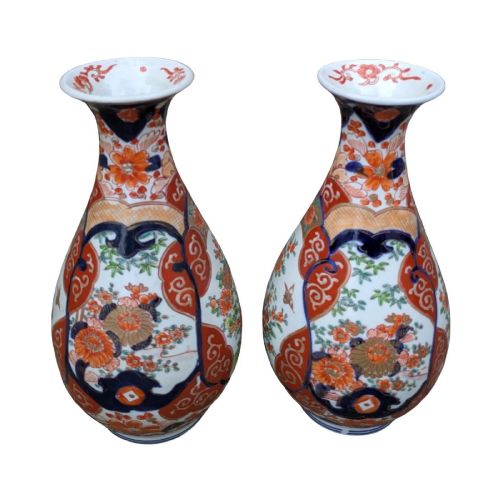
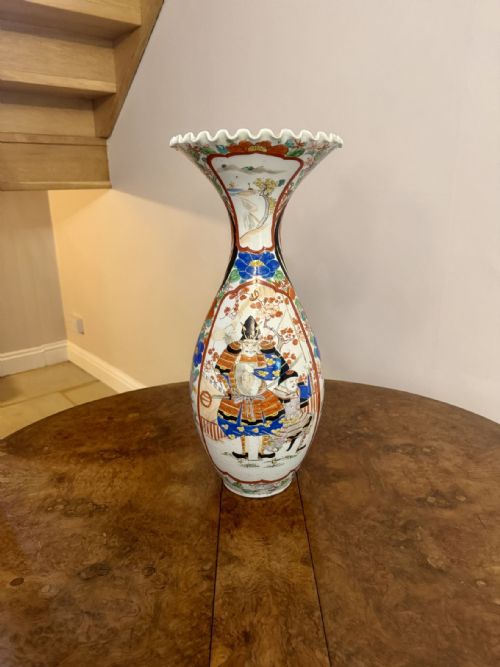


Japanese Imari Porcelain Vase
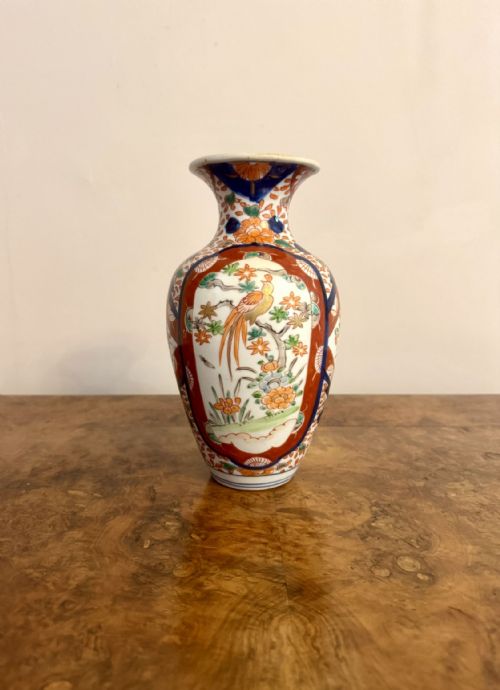
A Japanese imari porcelain vase brings centuries of rich palette and decorative form into a room.
Japanese Imari Porcelain Vase
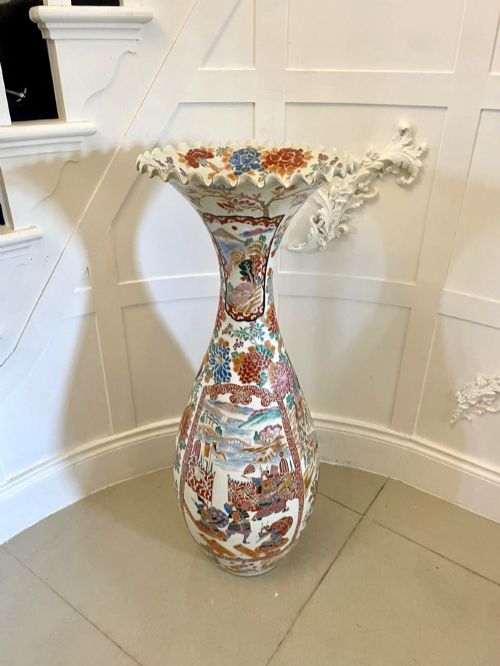
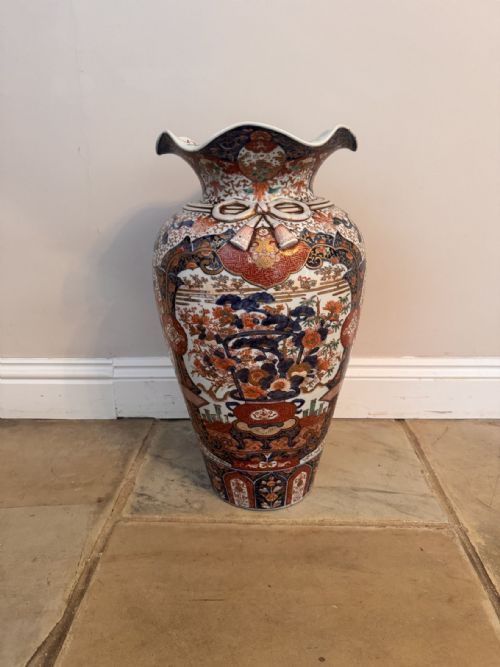
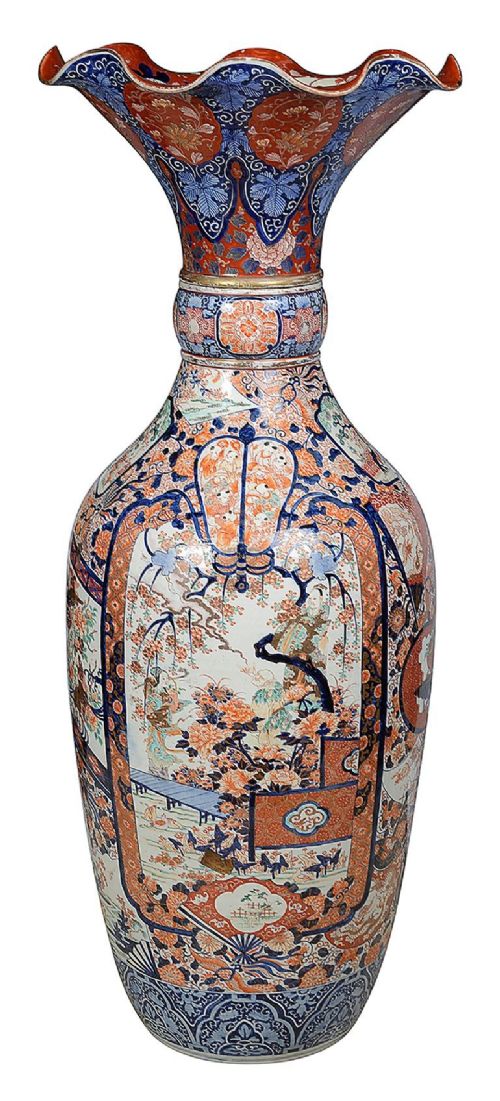
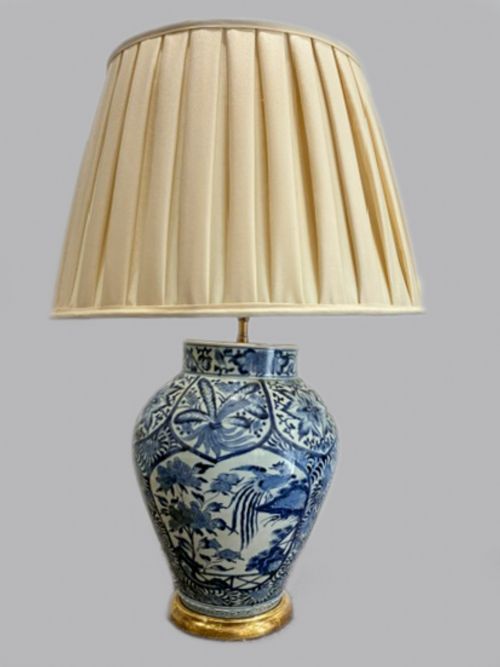
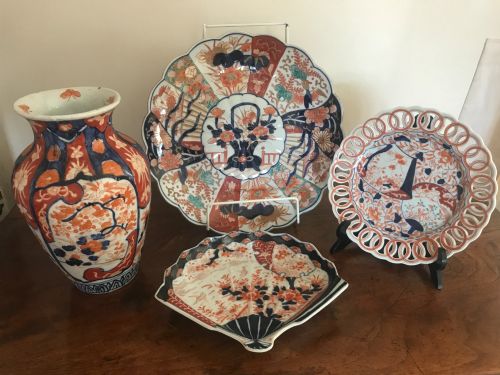
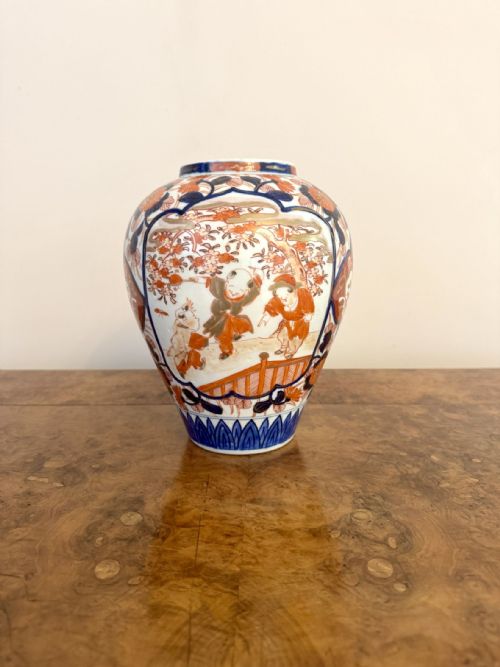
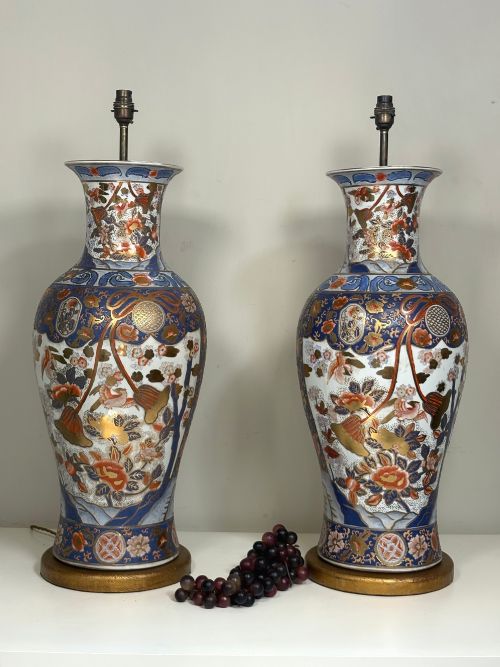
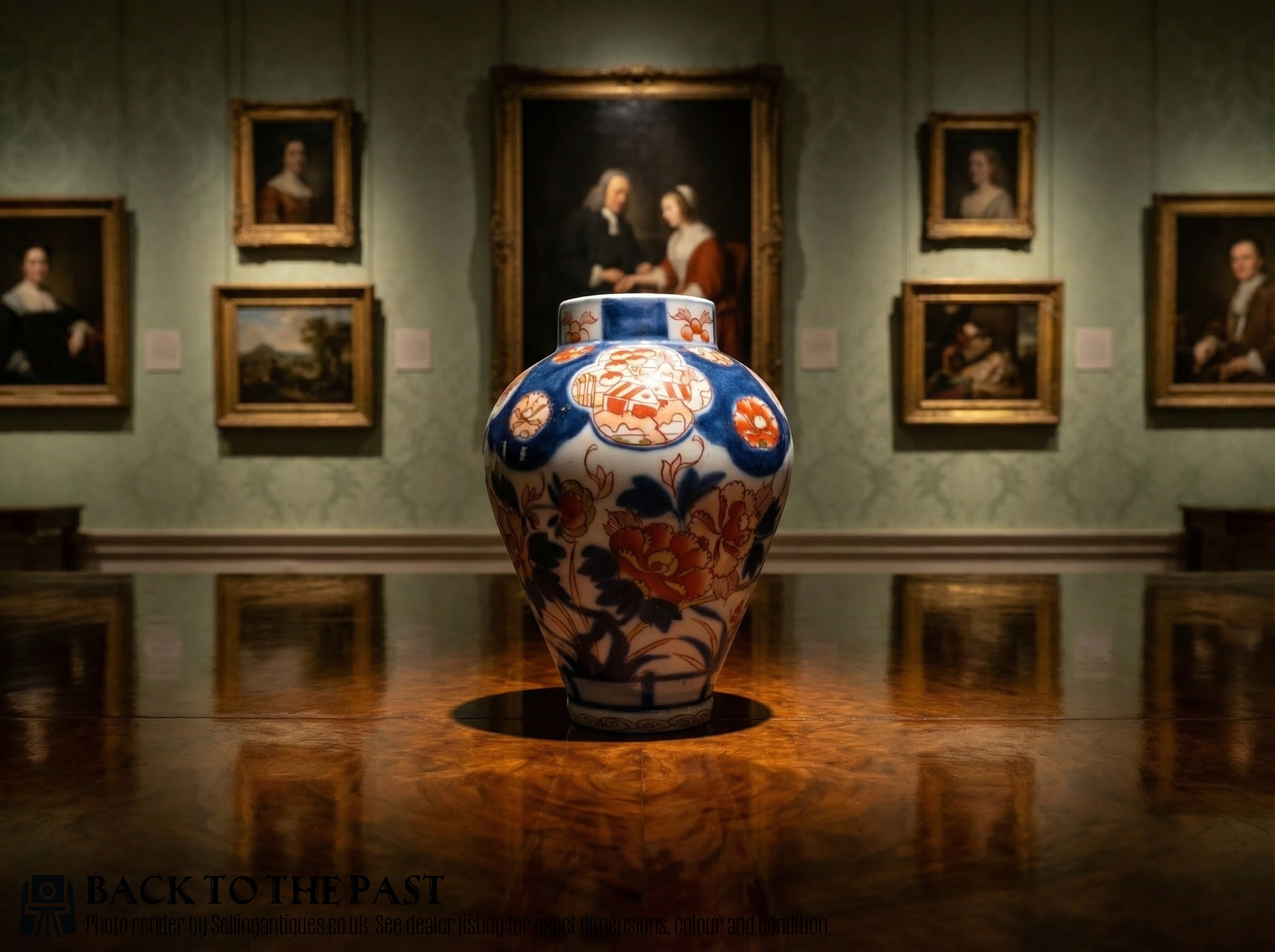
A Japanese imari porcelain vase is a ceramic vessel defined by a distinct decorative tradition originating in Japan. These pieces appear in forms ranging from standard vessels to hexagonal shapes, shaped bodies, and adapted table lamps.
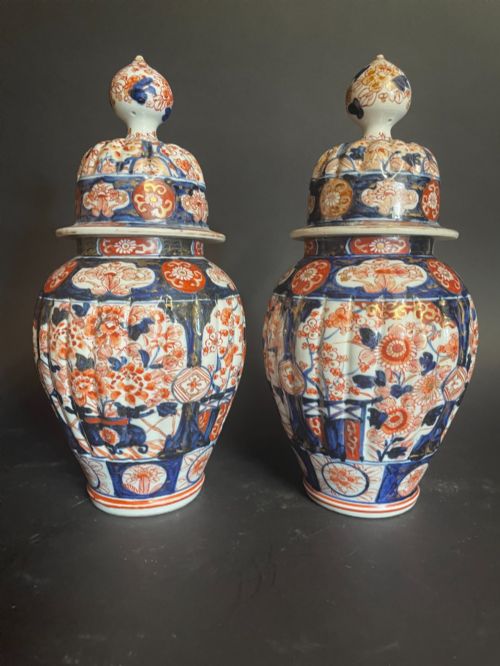
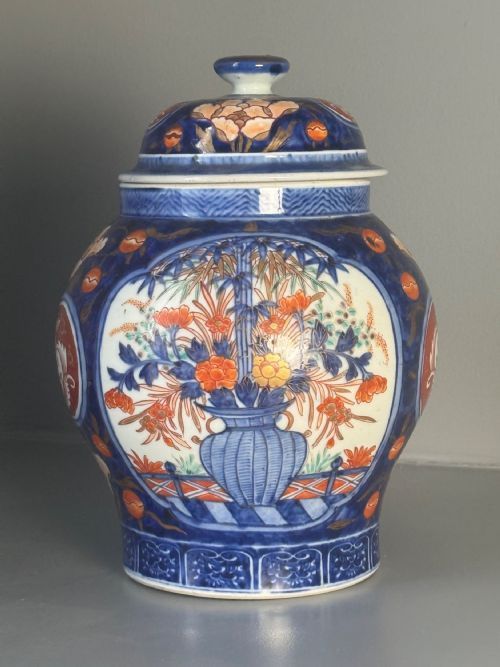
The objects span multiple periods, with many examples originating from the Meiji period and the nineteenth century, alongside earlier historical iterations. Buyers frequently encounter both standalone vases and lidded vases, sometimes mounted in brass, ormolu, or fitted with fabric elements.
Originating from production centres such as Arita, these wares incorporate stylistic interpretations that also influenced European makers like Samson of Paris. The primary appeal lies in the characteristic palette and historic production methods.
Assessing Quality
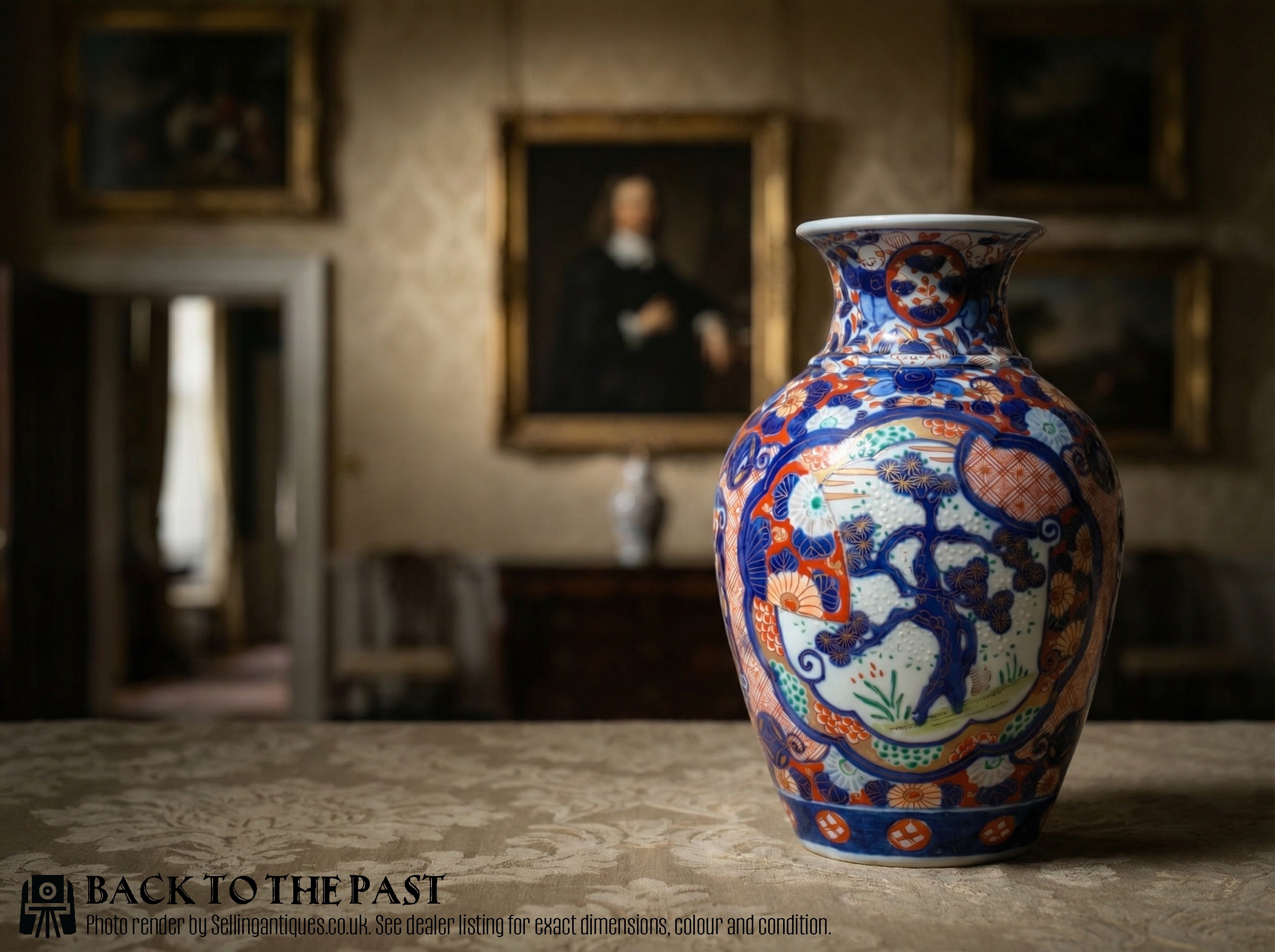
Quality rests upon the precision of the enamel work and the complexity of the painted palette. Finer examples display crisp, controlled brushwork across the entire surface of the porcelain.
The presence of supplementary elements like original covers, coordinated stands, or French ormolu mounts elevates the standing of a piece. Scale and the ambition of the original form also separate standard production from exceptional large-scale vessels.
Retail Price Guide 2026
Typical UK retail prices for japanese imari porcelain vase, calculated from the Sellingantiques database of over a million retail prices indexed since 2003. This retail price guide relies exclusively on Sellingantiques data; no external sources or auction records are used, so the figures do not describe the wider market.
Listings feature porcelain vessels utilising enamel glazes, gold leaf, and brass mounts across nineteenth-century and Meiji period dates.
Samson of Paris·Fukagawa factory of Tokyo
The Japanese Imari Porcelain Vase Glossary
- Imari palette
- A traditional decorative scheme typically combining underglaze blue with iron red and gilt on a white porcelain ground. This distinctive colour combination defines the visual character of the wares.
- Meiji
- A Japanese historical period spanning from eighteen sixty-eight to nineteen twelve. Many surviving export porcelains date from this era of increased international trade.
- Arita
- A Japanese town renowned as the birthplace of Japanese porcelain production. Kilns in this region produced the original wares that inspired the imari style.
- Ormolu
- Gilded bronze used for decorative mounts on furniture and porcelain. French makers frequently added these mounts to imported vases during the nineteenth century.
- Garniture
- A set of matching vases or vessels designed to be displayed together on a mantelpiece or cabinet. These sets often comprise three or five matching pieces.
Frequently Asked Questions
What is an imari vase?
An imari vase is a porcelain vessel decorated in a traditional palette of blue, red, and gold. These pieces were produced in Japan for both domestic use and export.
Over the centuries, the style also inspired European ceramic factories to create their own imari pattern wares.
How old are these vases?
Surviving examples span several centuries, with many available pieces dating from the nineteenth century and the Meiji period. Earlier specimens originating in the Edo period also exist in collections.
Stylistic details and mounting techniques often help indicate the approximate period of manufacture.
How were they used?
Historically, these vases served as decorative display pieces within grand interiors, often arranged in matching sets known as garnitures. Lidded versions frequently held dry goods or potpourri.
In later periods, some examples were converted into table lamps using brass or ormolu mounts.
How do I style a vase?
These vases suit placement on side tables, cabinets, or mantelpieces where their detailed enamel work and gilding can catch the light. Their strong colours make them natural focal points in a room.
Paired examples can create symmetry when placed on matching stands or furniture surfaces.