




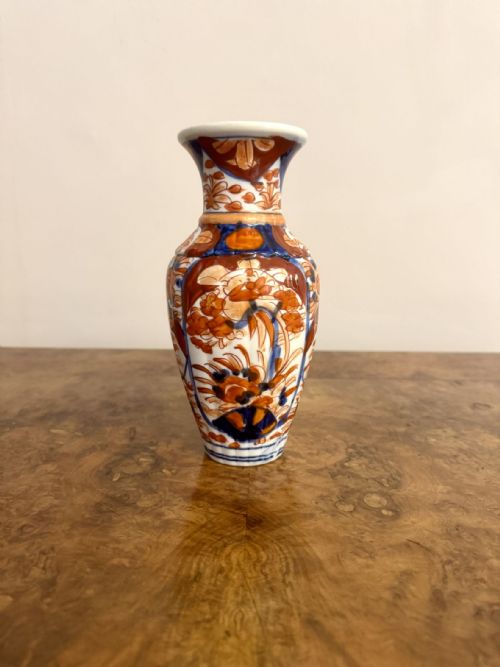
Hand Painted Imari Vase
A hand painted imari vase brings rich traditional palettes and distinct ceramic forms into a room, offering historic character for collectors.

Hand Painted Imari Vase
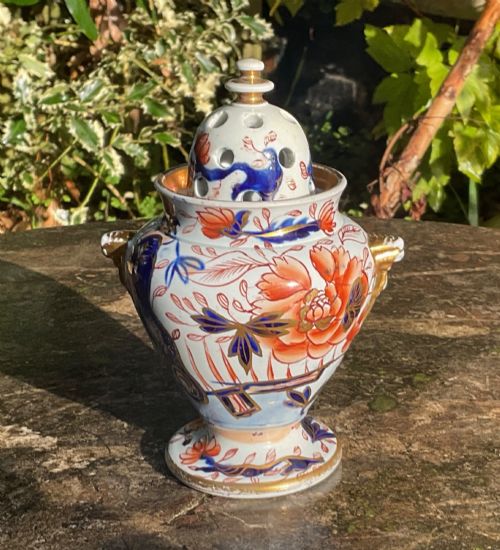
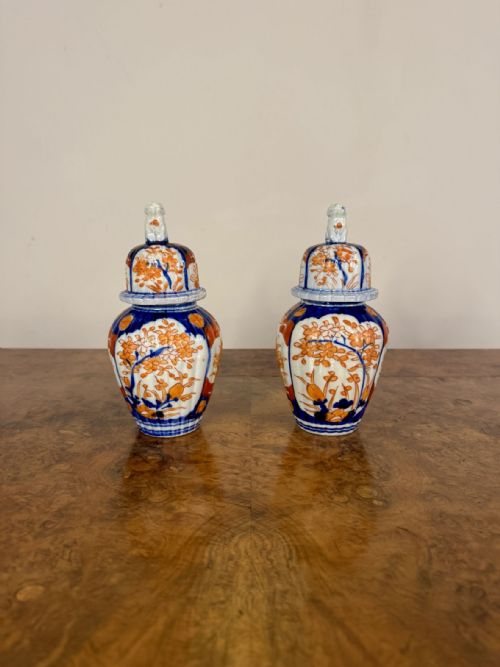
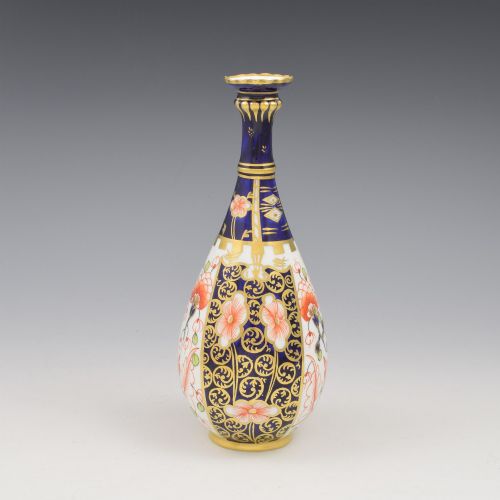
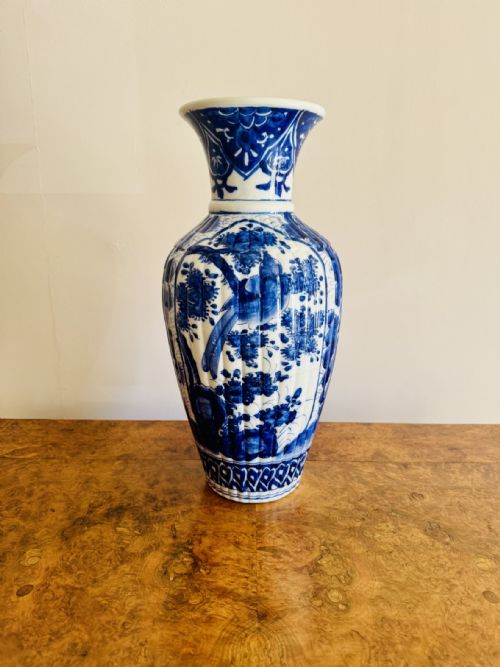
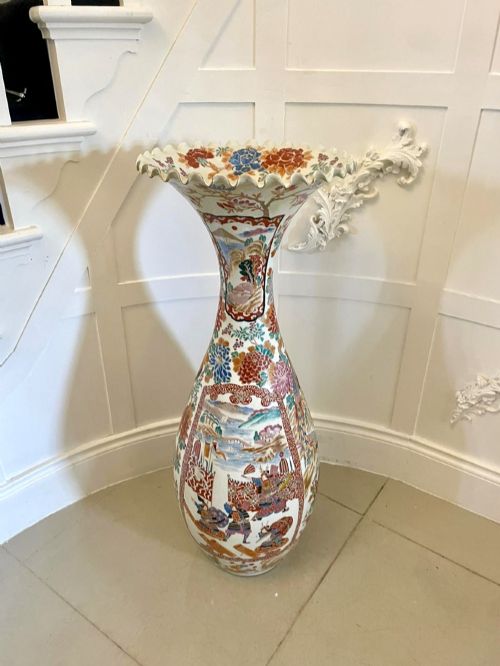
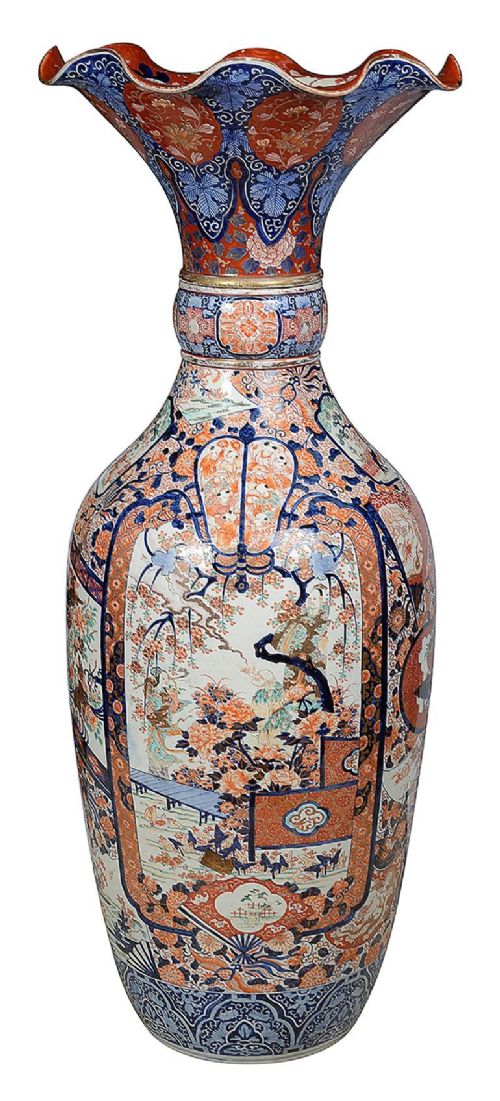
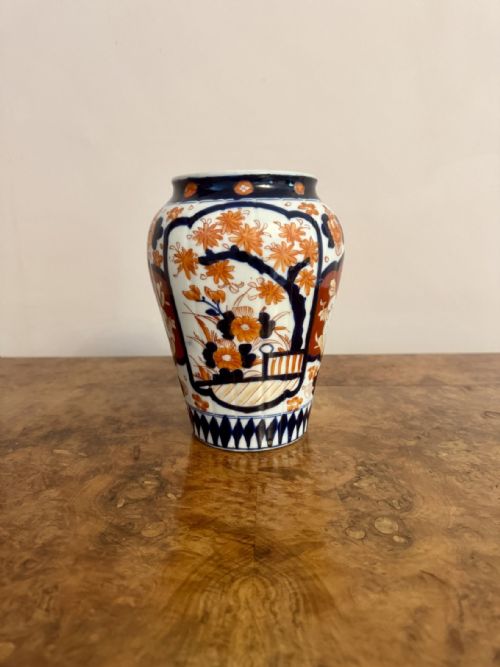
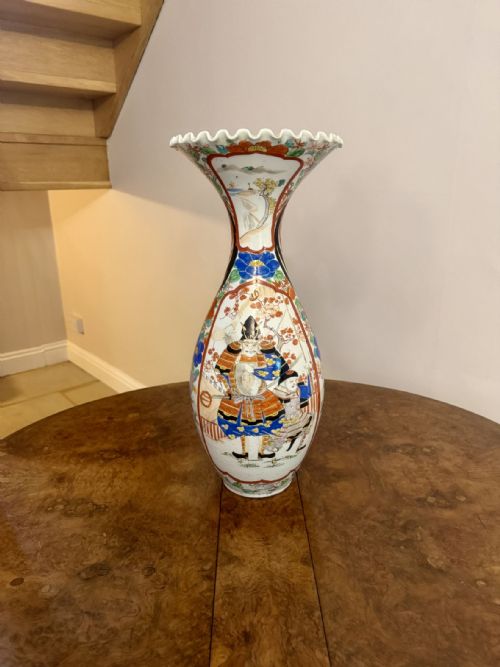
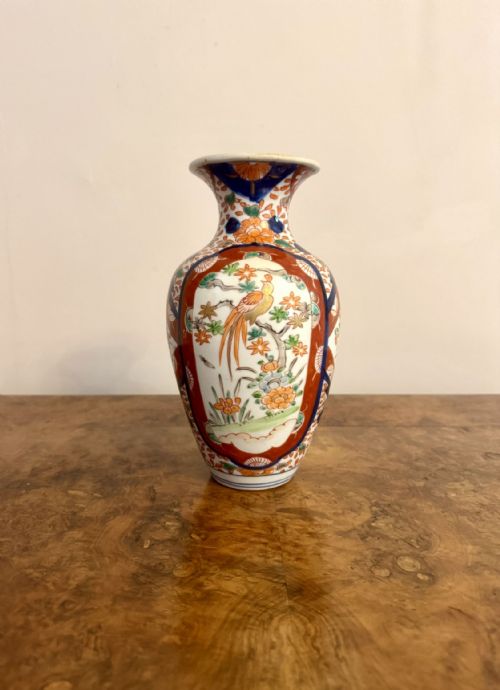
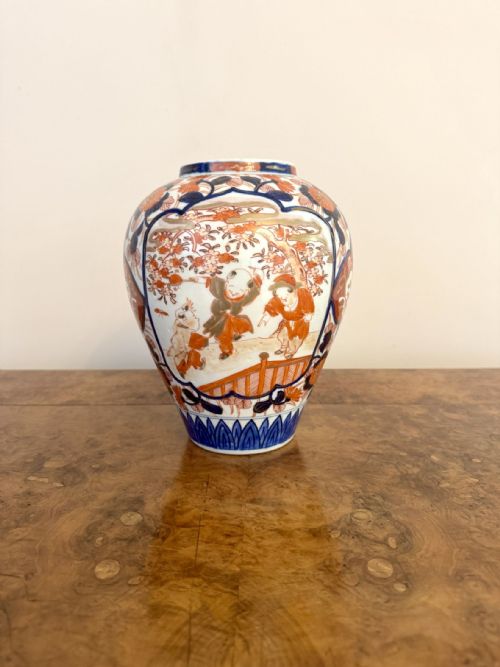
When you search for a hand painted imari vase, you encounter a distinct ceramic tradition originating in Japan and spanning periods from the seventeenth century through to the early twentieth century. These vessels appear in various forms, including floor-standing pieces, double gourde shapes, ginger jars, and slender neck vases.
The pieces you meet most frequently on this page date from the late nineteenth and early twentieth centuries, encompassing the Meiji period and the Edwardian era. Alongside Japanese examples, the selection occasionally includes European interpretations such as continental porcelain garnitures and nineteenth century English porcelain.
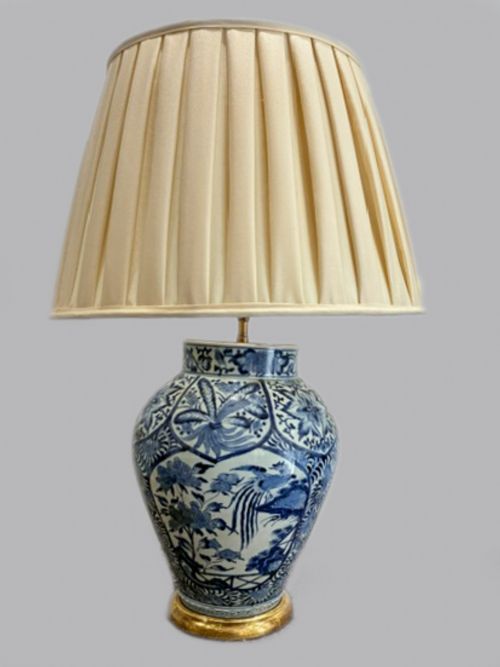
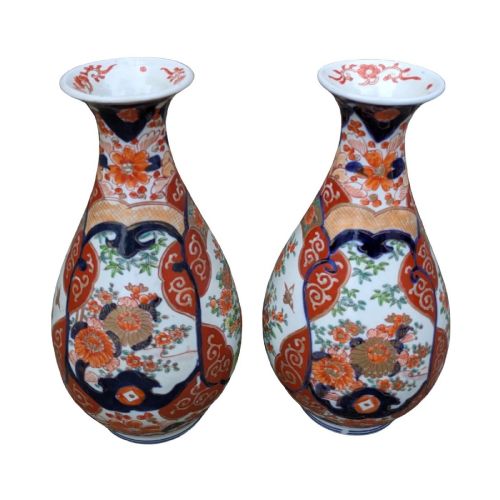
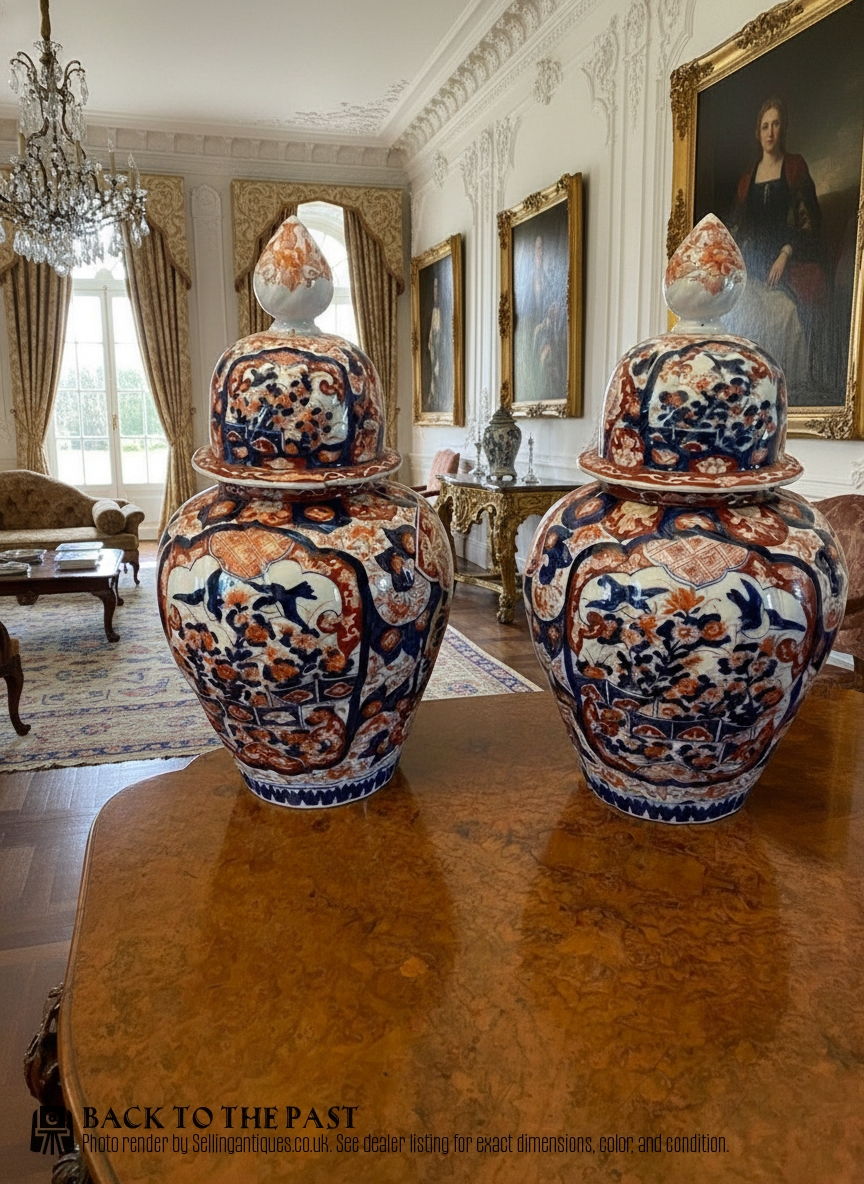
Makers and artisans produced these objects in standard decorative vessels as well as larger paired sets and garnitures. Many survive today in domestic settings, sometimes converted into table lamps while retaining their original painted surfaces.
What varies in quality
Quality rests in the crispness of the hand-painted brushwork and the complexity of the palette, where finely executed iron red and cobalt details create visual depth. Well-executed pieces display balanced symmetry in forms such as baluster, hexagonal, or double gourde silhouettes.
The preservation of original overglaze enamels and applied gold leaf dictates the standing of individual examples. Superior items maintain vibrant pigments and intact gilding across complex decorative surfaces without heavy rubbing.
Hand Painted Imari Vase Retail Price Guide 2026
Typical asking prices for hand painted imari vase among the pieces listed under this phrase on Sellingantiques today, from the lower quarter to the upper quarter. They describe what is for sale here now, not the wider market.
Listings feature porcelain vessels spanning the seventeenth century through to the Edwardian era, predominantly utilising enamel and gold leaf.
The Hand Painted Imari Vase Glossary
- Imari
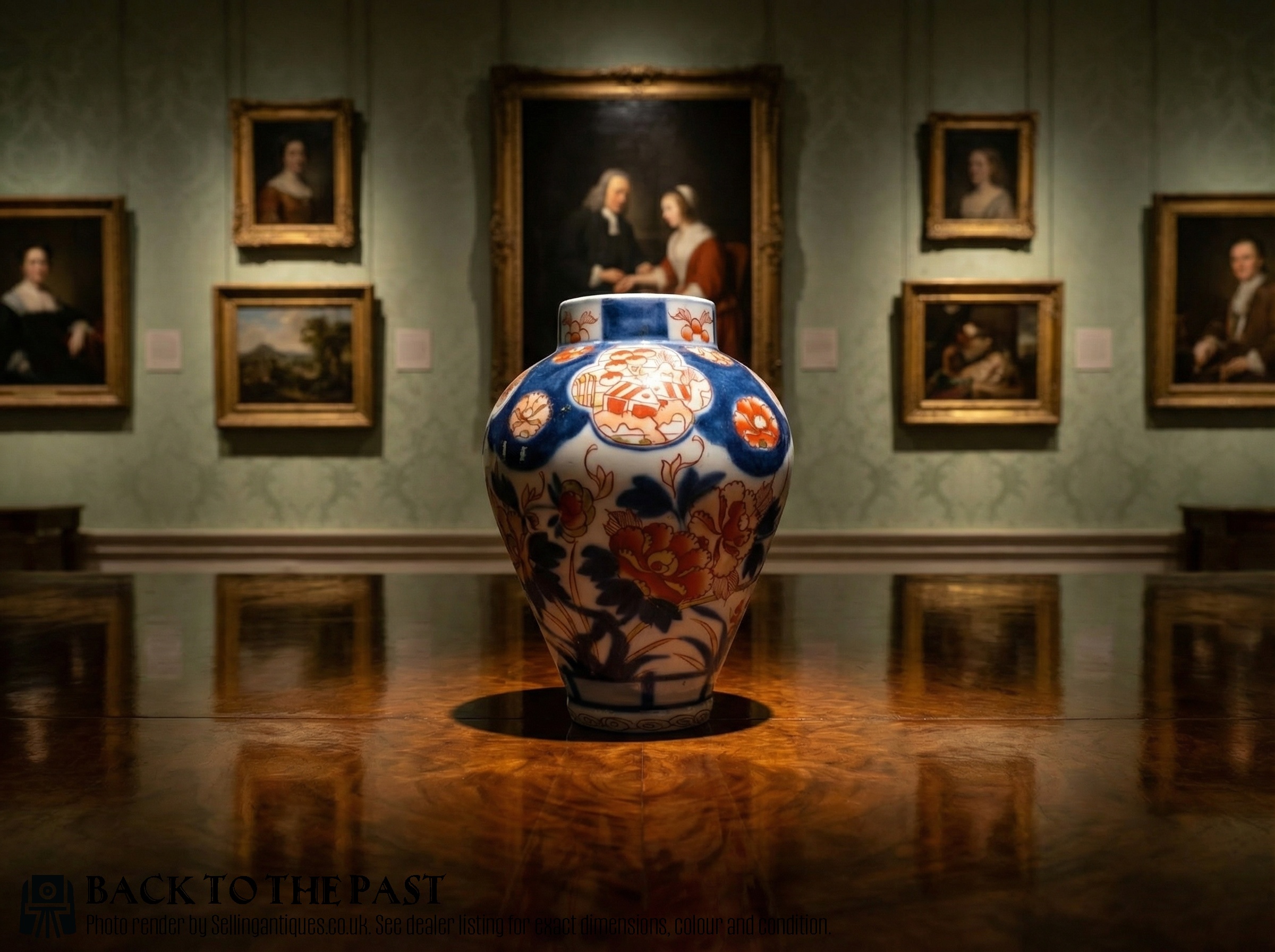
- A style of Japanese porcelain featuring a distinct palette of underglaze blue, iron red, and gilt highlights. This decorative approach originated in Arita and became widely exported to Europe.
- Meiji Period
- The era of Japanese history lasting from 1868 to 1912, characterised by extensive international trade and high output of decorative arts. Pieces from this time often show refined brushwork and varied vessel forms.
- Garniture
- A set of matching vases or jars designed to be displayed together on a mantelpiece or sideboard. These arrangements typically consist of three, four, or five coordinated vessels.
- Baluster
- A vertical ceramic form with a rounded lower body that tapers towards the neck. This silhouette provides stability and a balanced canvas for all-over surface decoration.
- Arita
- The Japanese town in Hizen province associated with the production of early porcelain wares. Kilns in this region supplied the foundational pieces decorated in the imari style.
Hand Painted Imari Vase: Frequently Asked Questions
How do I identify a Meiji period piece?
Meiji period vessels typically date between 1868 and 1912, aligning with the late nineteenth century output recorded in trade. They display refined potting techniques and intricate overglaze enamelling.
Look for detailed floral and brocade patterns executed in iron red and cobalt blue, often heightened with gold leaf. These characteristics reflect the export standards of Japanese kilns during that era.
Are these vases suitable for everyday use?
These antique ceramics function well as decorative display items in domestic interiors. Their historic porcelain bodies and delicate overglaze enamels require careful handling.
Position them away from high traffic areas to prevent accidental impact. Cleaning should be limited to gentle dusting with a soft dry cloth.
Why are some pieces converted into lamps?
Historic ceramic vessels were sometimes adapted for domestic lighting during the twentieth century to suit changing interior fashions. This conversion process involved mounting electrical fittings through or above the original porcelain body.
Such pieces combine traditional ceramic artistry with functional illumination, though purists often seek untouched examples. The conversion date varies depending on when the domestic adaptation took place.