
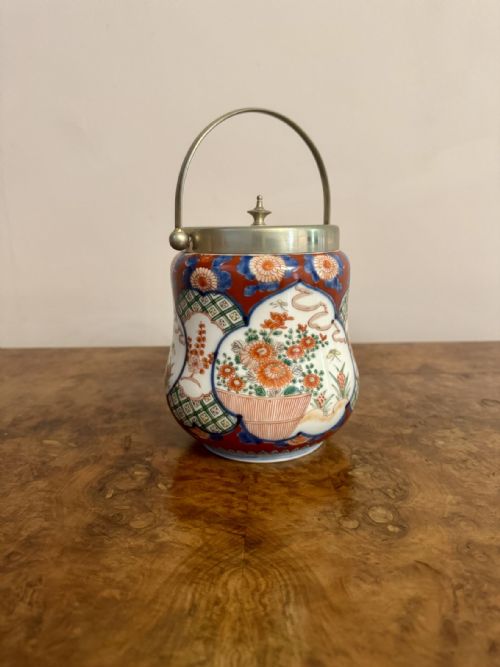
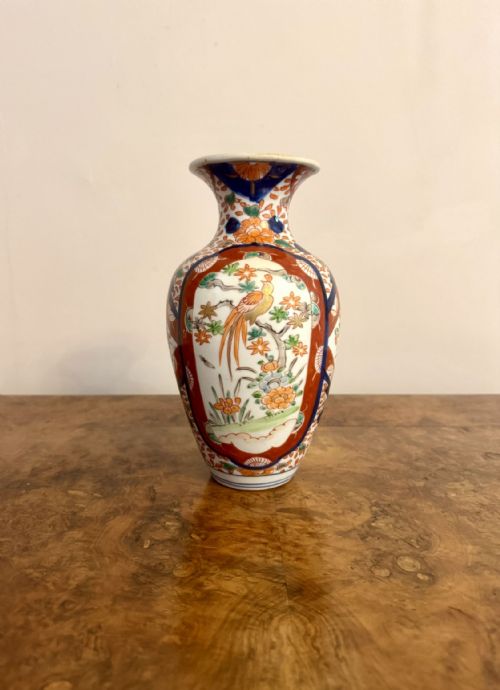
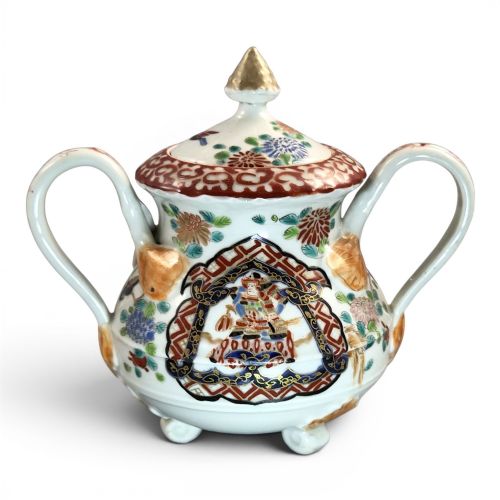


Imari Porcelain Jar
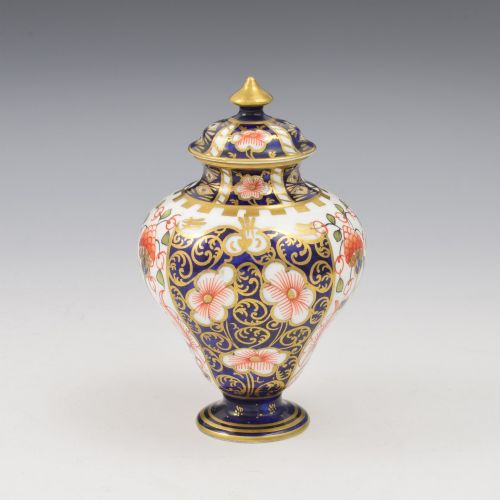
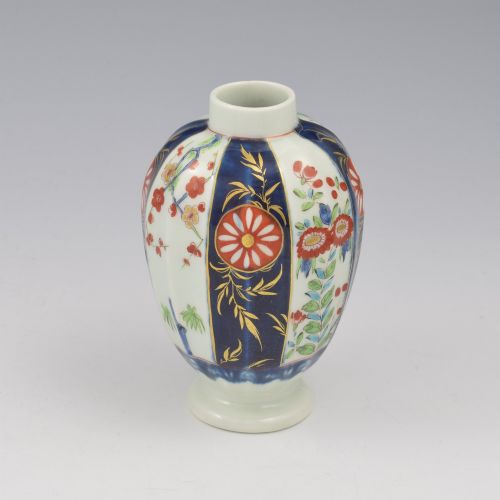
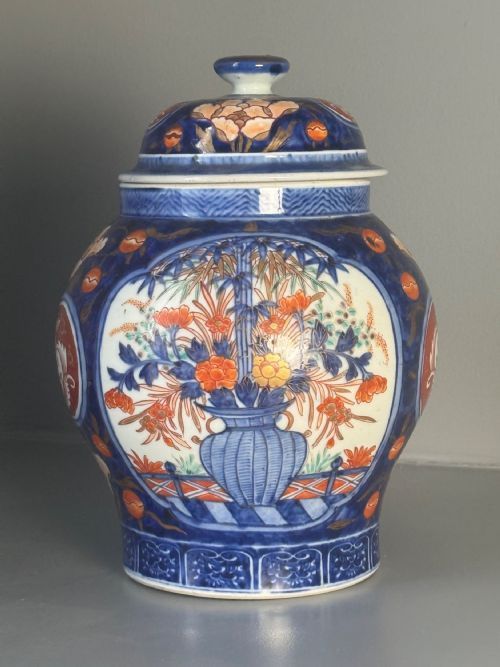
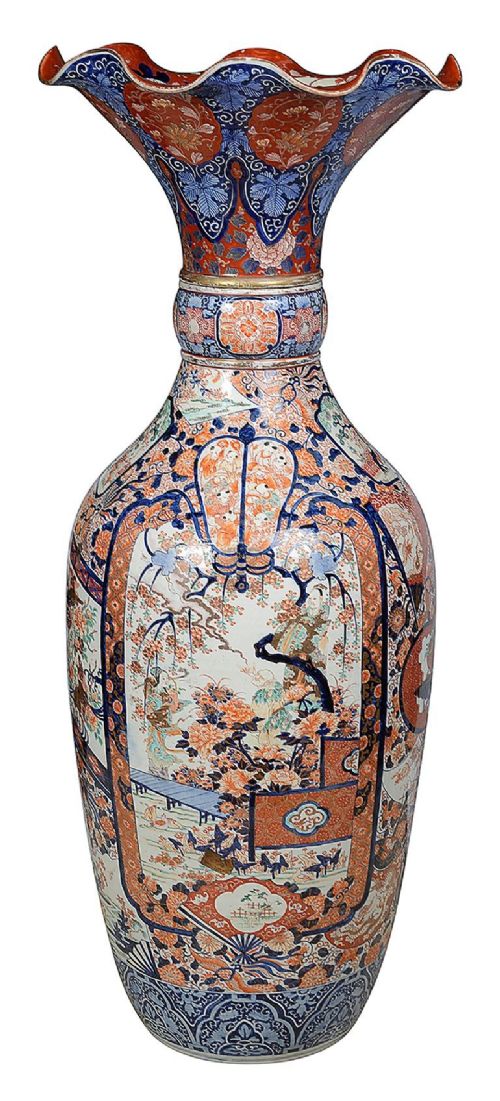
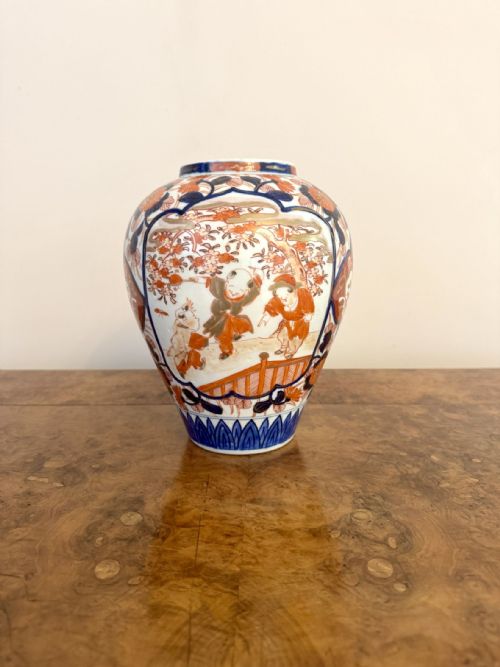
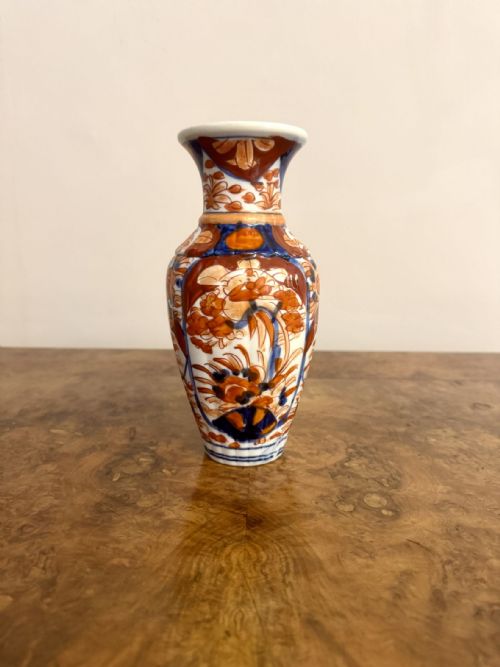
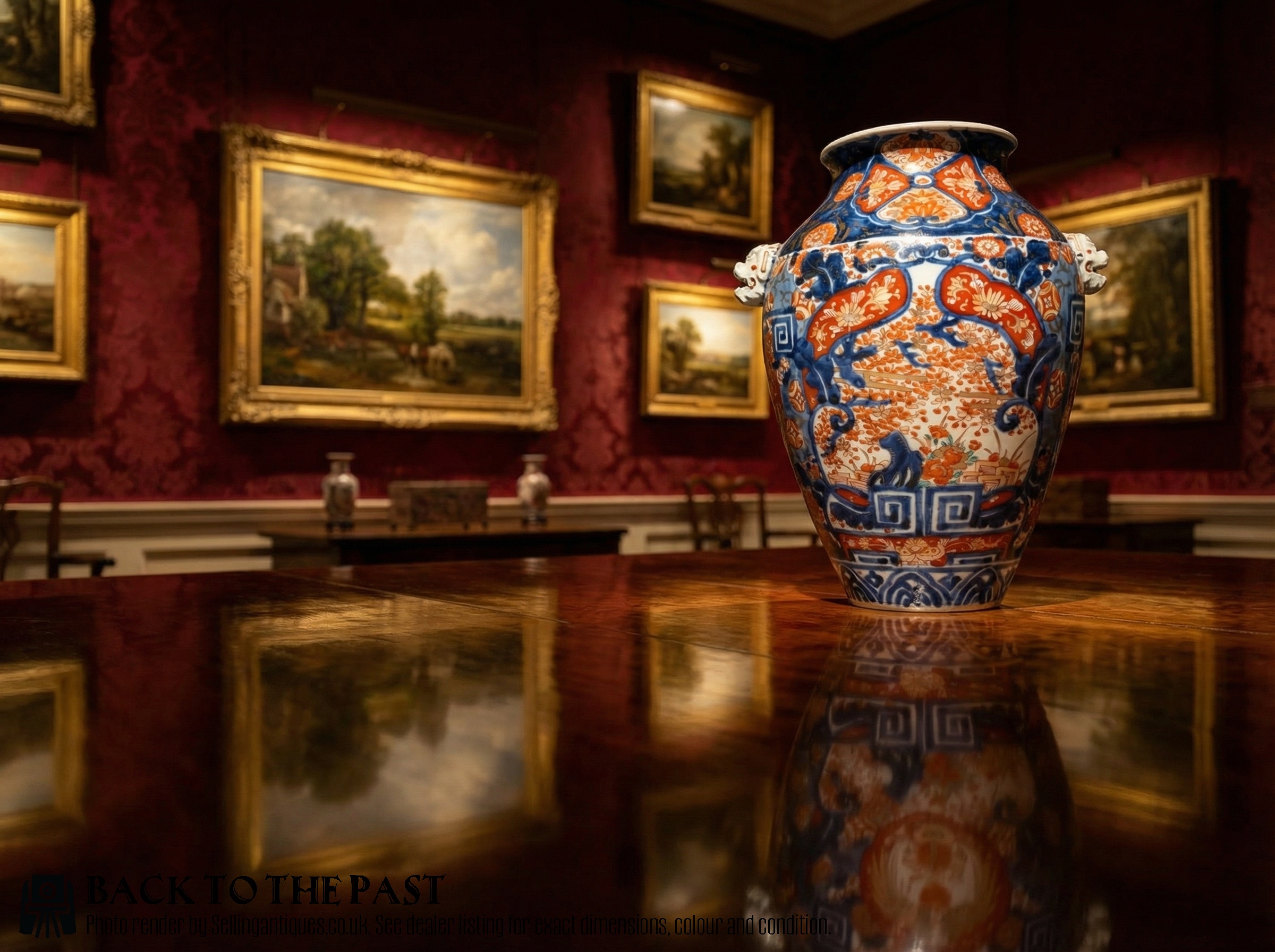
An imari porcelain jar brings rich palettes and traditional motifs into a room, combining blue underglaze with iron red and gilt.
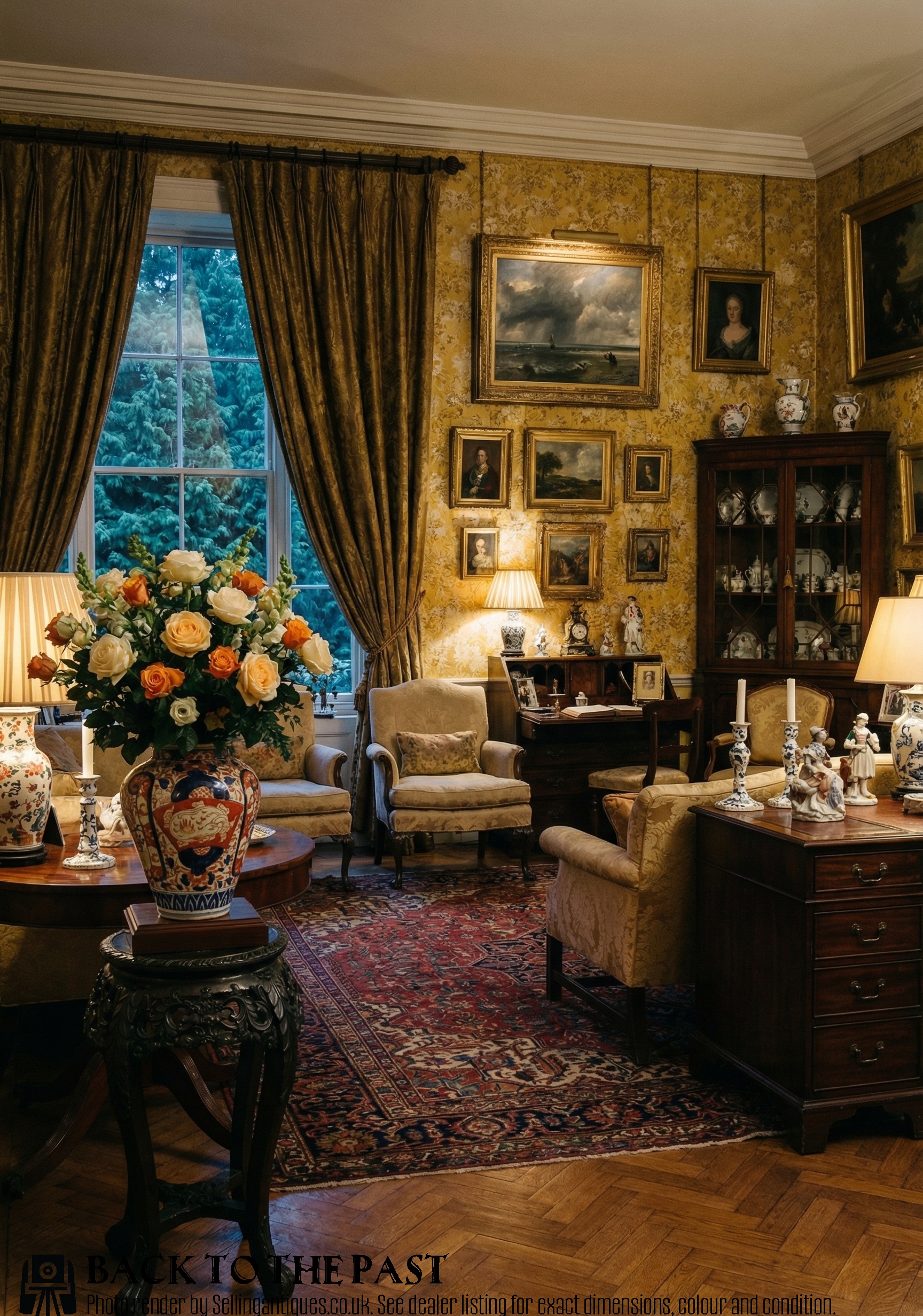
Imari Porcelain Jar
When you search for an imari porcelain jar, you encounter pieces spanning from the Edo period to the twentieth century, originating primarily from Japanese kilns in Arita alongside European interpretations. These vessels take various forms including ginger jars, lidded urns, sugar bowls, and biscuit barrels designed for display or containment.
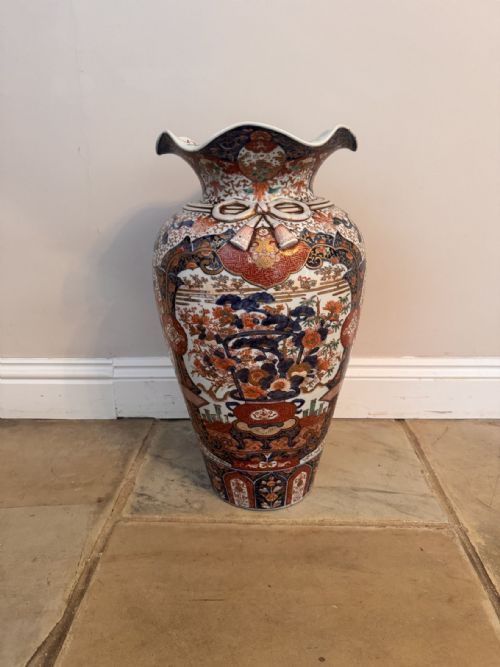
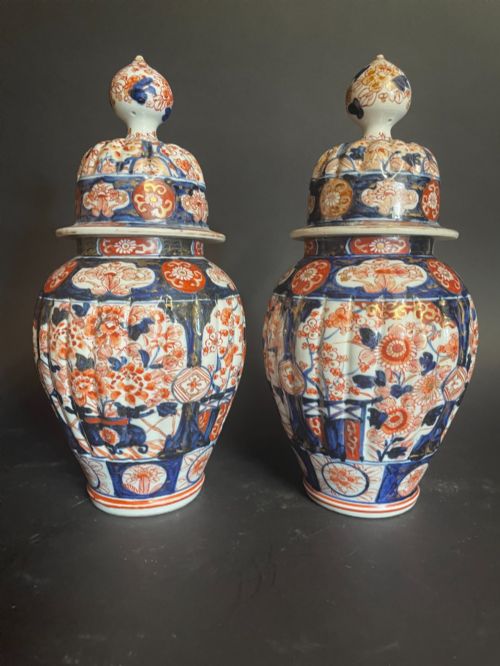
The aesthetic relies heavily on the distinctive imari palette, merging cobalt blue underglaze with striking red enamel and gold leaf highlights. Examples range from small domestic containers to large floor-standing vases made during the Meiji period and Victorian eras.
Many items include fitted covers or lids, while others form part of matching garnitures designed for mantelpieces. The craftsmanship reflects both traditional Japanese ceramic methods and later British or continental ceramic adaptations.

How they were made
Potters shaped ceramic clay into vessels before applying cobalt blue pigments under a transparent glaze, followed by high-temperature firing. Artisans then added secondary enamel colours and gold leaf highlights in subsequent low-temperature firings.
The application of gilt and enamel created richly textured surfaces that caught the light, contrasting with the smooth white porcelain body underneath. Kiln techniques evolved across centuries, shifting from early Arita productions to mass-produced nineteenth-century items.
Imari Porcelain Jar Retail Price Guide 2026
Typical asking prices for imari porcelain jar among the pieces listed under this phrase on Sellingantiques today, from the lower quarter to the upper quarter. They describe what is for sale here now, not the wider market.
Listings feature porcelain pieces spanning from the seventeenth-century Edo period through to Edwardian British ceramics.
What varies in quality
The crispness of the underglaze blue and the precision of the hand-painted enamel details distinguish finer examples from standard commercial wares. Heavier gilding and well-preserved gold leaf indicate superior production standards during manufacture.
Proportion and symmetry in the ceramic body, particularly on lidded ginger jars and baluster shapes, show the skill of the potter. Intricate figural scenes featuring samurai or complex floral panels demand greater artistry than repetitive geometric borders.
Royal Crown Derby·Fukagawa·Masons Ironstone·Samson
The Imari Porcelain Jar Glossary
- Imari palette
- A decorative colour scheme featuring cobalt blue underglaze, iron red, and gilt highlights. This combination originated in Japanese export porcelain and was later copied by European potteries.
- Baluster
- A vase or jar shape with a rounded body that tapers toward the base and a narrower neck. This form provides stability and balance for display on furniture.
- Garniture
- A set of three or more matching vases or jars designed to be displayed together on a mantelpiece or shelf. These sets were popular in large homes during the seventeenth and eighteenth centuries.
- Underglaze
- Pigment applied to the ceramic body before the transparent glaze is fired in the kiln. This technique protects the painted design from wear over time.
Imari Porcelain Jar: Frequently Asked Questions
How do I identify an Edo period imari jar?
Edo period pieces display denser hand-painting with deeper iron red tones and slightly heavier potting compared to later export wares.
Look for subtle imperfections in the glaze and organic variations in the blue underglaze that indicate early Japanese kiln production.
What is the difference between Japanese and European imari?
Japanese examples originate from Arita kilns and employ specific local clays, whereas European imari pieces are produced by factories such as Derby or Masons.
European versions often adapt the traditional Japanese palette onto domestic ceramic bodies like ironstone or soft-paste porcelain.
Where should I display a lidded ginger jar?
These jars suit prominent placement on sideboards, mantelpieces, or tables where their colourful surfaces can catch natural light.
Ensure the location protects the vessel from accidental knocks, particularly if the lid rests loosely on the top rim.
Why do some jars have wooden stands?
Many Asian porcelain vessels were traditionally displayed on carved wooden bases that elevated the piece and protected the unglazed foot rim.
These stands complement the curved profile of baluster and ginger jars while adding stability to rounded bases.