

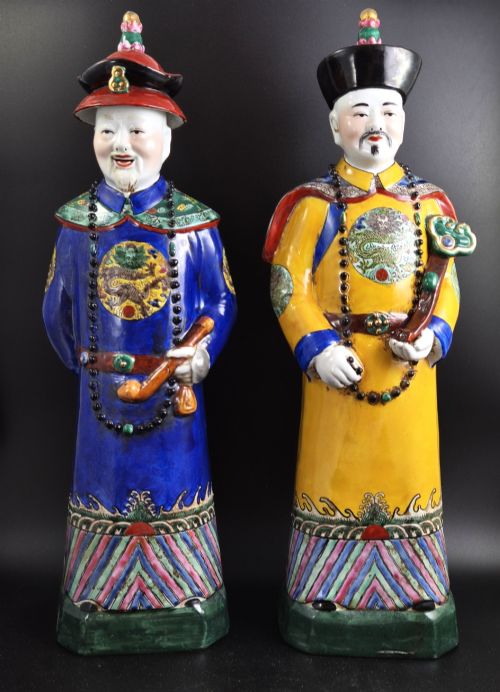
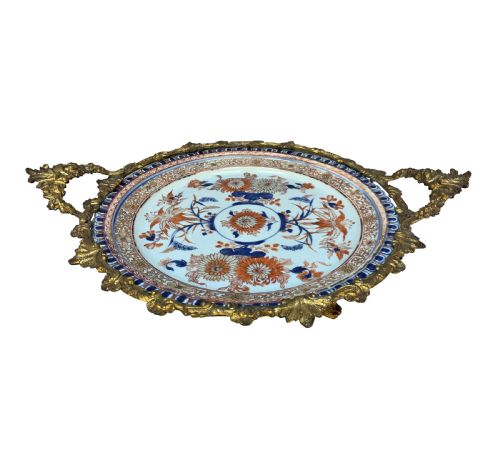
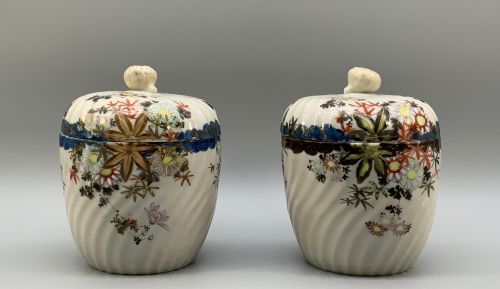
Antique Oriental Porcelain
Antique oriental porcelain brings together centuries of skilled ceramic artistry from China and Japan, offering dramatic decorative presence and rich historical depth to a room.
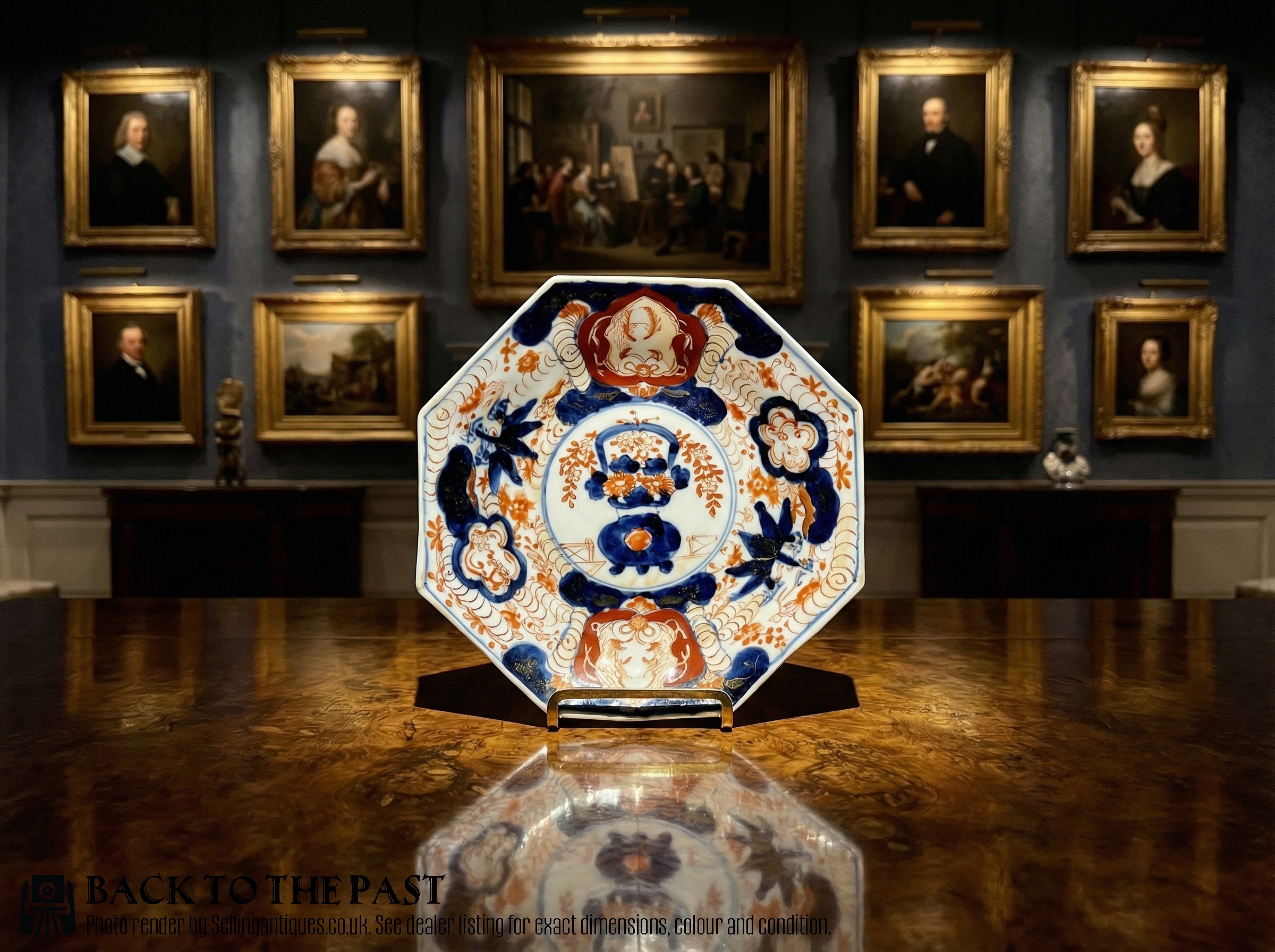
Antique Oriental Porcelain
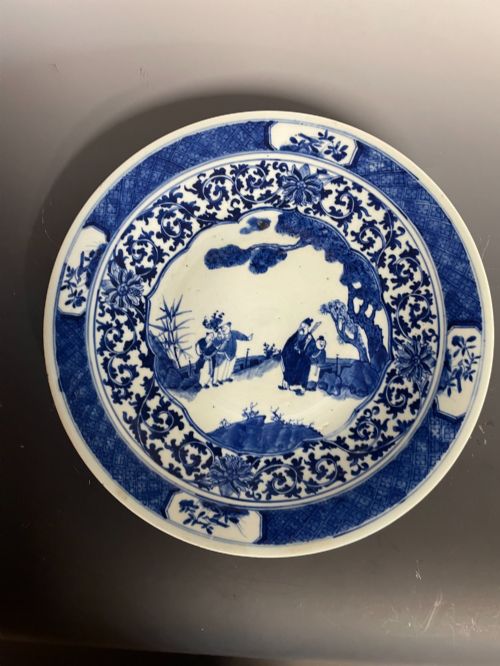
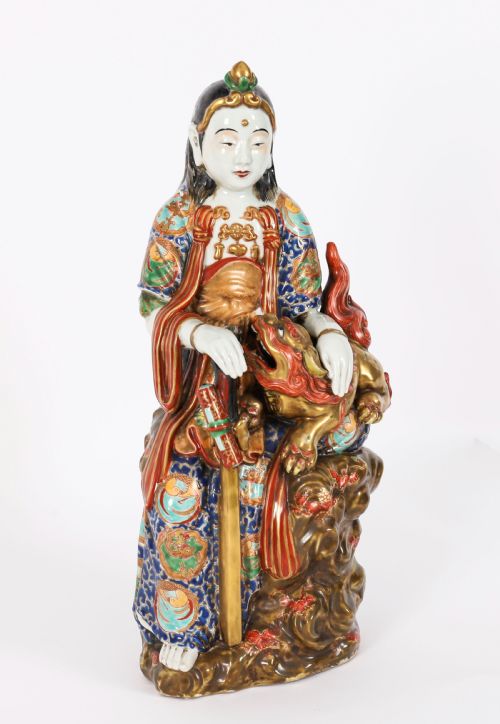
When you search for antique oriental porcelain, you encounter a diverse array of vessels and figures originating from Chinese and Japanese kilns. The pieces available span multiple centuries of production, featuring notable works from the Qing Dynasty, the Edo period, and the Japanese Meiji period.
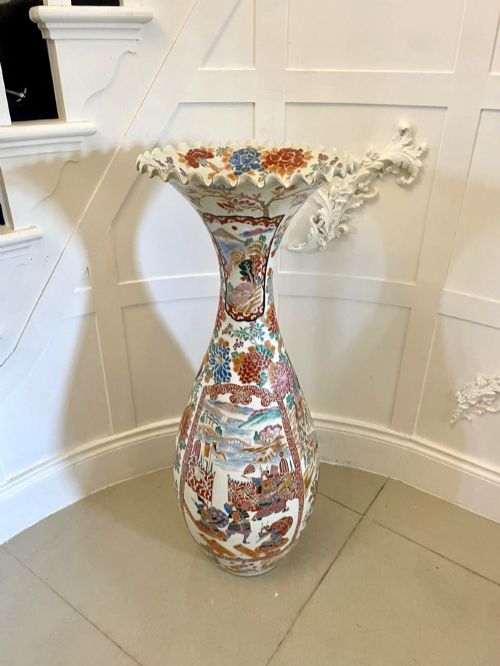
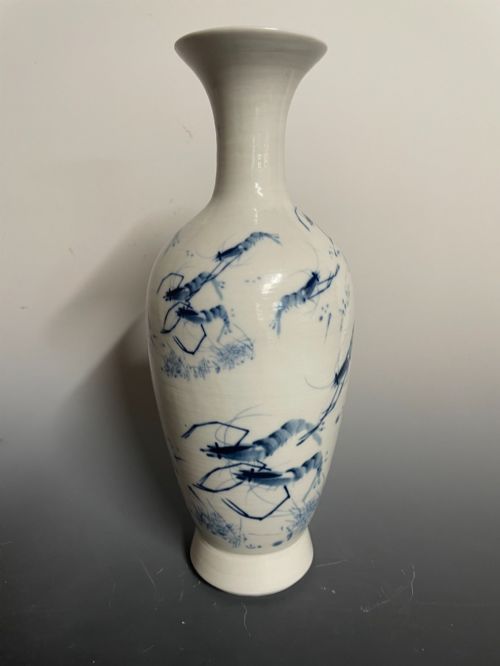
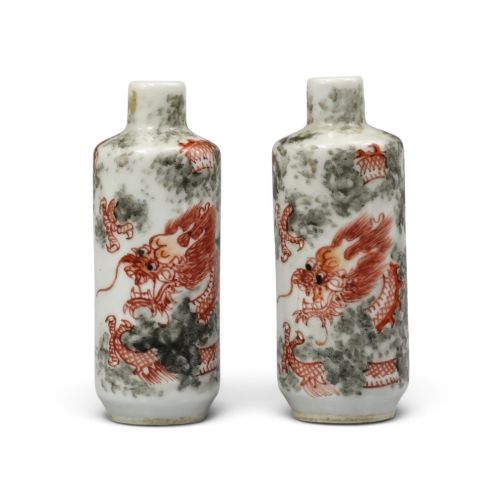
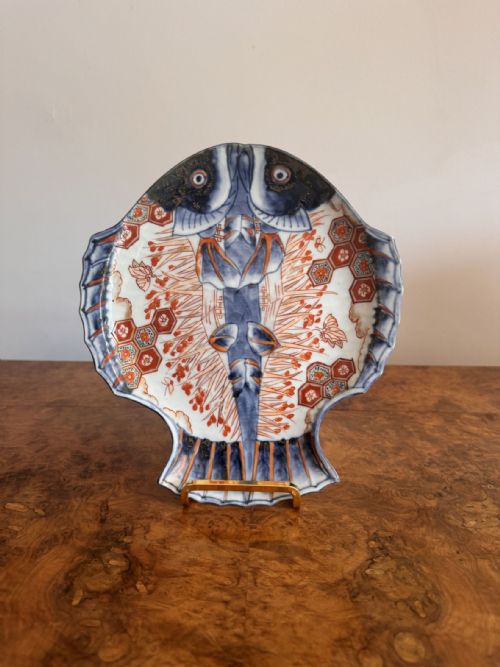
The forms range widely from massive floor-standing vases and deep chargers to delicate snuff bottles, lidded jars, and intricate incense burners. Chinese export wares and Japanese Imari plates frequently appear alongside decorated bowls and figural sculptures.
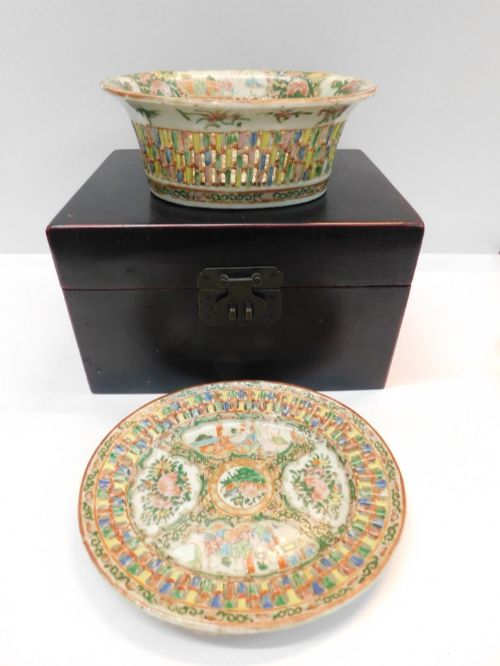
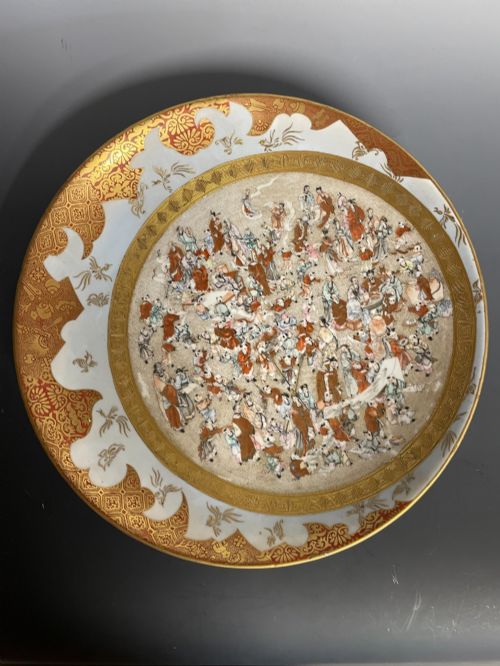
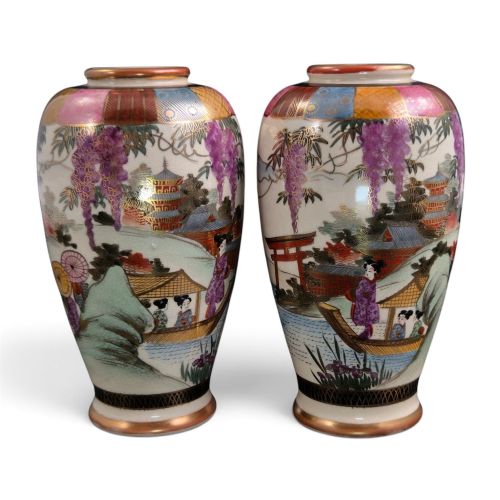
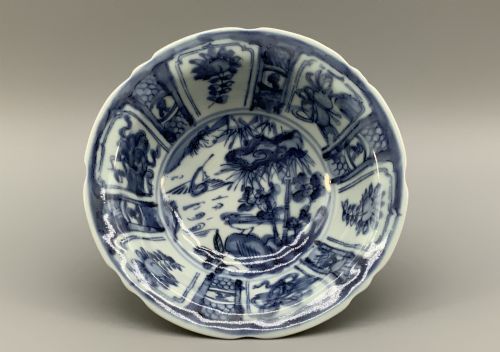
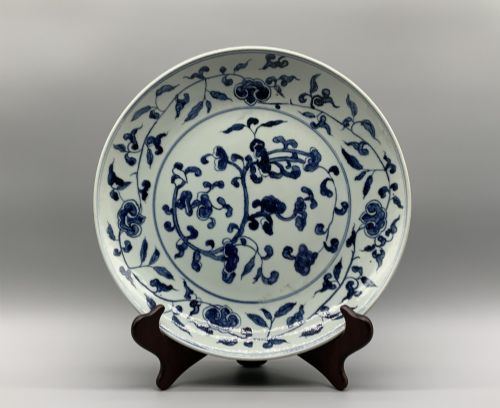
Many items display traditional cobalt underglaze blue painting, while others exhibit the polychrome enamels typical of Famille Rose palettes or the dense patterns of Kutani and Satsuma wares.
How they were made
The foundation of these objects is hard-paste porcelain, shaped by hand or on the wheel before receiving meticulous painted decoration. Artisans applied cobalt underglaze pigments directly to the clay body prior to the application of a clear protective glaze and high-temperature firing.
Overglaze enamel decoration, including iron-red pigments and gold leaf accents, required an additional lower-temperature firing to fix the colours onto the glazed surface. Some specialised pieces also incorporate applied metal mounts or carved elements such as ormolu fittings.
Antique Oriental Porcelain Retail Price Guide 2026
Typical asking prices for oriental porcelain among the pieces listed under this phrase on Sellingantiques today, from the lower quarter to the upper quarter. They describe what is for sale here now, not the wider market.
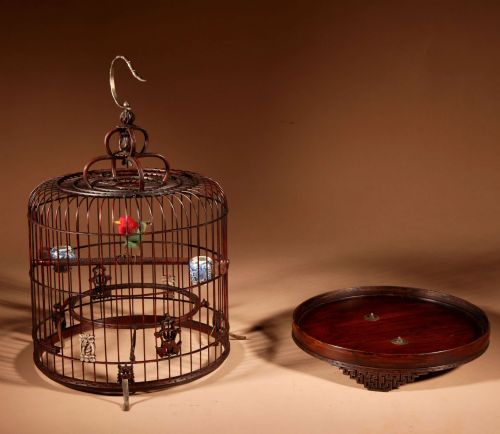
Among the more surprising survival stories are carved bamboo bird cages and porcelain incense burners complete with miniature elephant head feet.
What varies in quality
Quality in antique oriental porcelain rests on the crispness of the underglaze painting, the vibrancy and control of the enamel work, and the symmetry of the ceramic form. Superior examples demonstrate confident brushwork, particularly in complex figural scenes, dragons, or floral motifs.
The refinement of the porcelain paste itself, the evenness of the glaze without excessive bubbling or pooling, and the sophistication of the overall composition distinguish ordinary production wares from exceptional collector pieces.
The Antique Oriental Porcelain Glossary
- Famille Rose
- A polychrome ceramic palette dominated by opaque pink or rose enamel, introduced during the Qing Dynasty. This style allowed for delicate shading in floral and figural depictions.
- Imari
- A type of Japanese porcelain decorated in underglaze blue, iron-red, and gold, produced in Arita and exported extensively from the port of Imari. The style is celebrated for its rich, brocade-like patterns.
- Cobalt Underglaze
- A blue pigment applied to the unfused ceramic body before glazing and firing. It withstands high temperatures, resulting in a durable design beneath the glassy surface.
- Guangxu
- A reign period of the late Qing Dynasty spanning from the late nineteenth century to the early twentieth century. Wares from this era often feature precise painted details and vibrant iron-red accents.
- Meiji Period
- A Japanese era characterised by an opening to Western trade and a flourishing of decorative arts. Kutani and Satsuma wares from this time reached high levels of intricate ornamentation.
Antique Oriental Porcelain: Frequently Asked Questions
How do I care for antique oriental porcelain?
Wash porcelain pieces gently by hand using lukewarm water and a mild detergent, avoiding abrasive sponges or harsh chemicals that can damage delicate overglaze enamels and gold leaf.
Display items securely away from direct sunlight and high-traffic edges to protect fragile rims, handles, and applied decorative elements from accidental impact.
How can I tell Chinese porcelain from Japanese porcelain?
Examine the stylistic motifs, glaze characteristics, and potting techniques, as Chinese wares often utilise deep cobalt blue and Famille Rose enamels while Japanese pieces frequently feature dense Imari brocade patterns or Satsuma crackle glazes.
Consider the historical context and overall aesthetic balance, noting that Japanese kilns in Arita and Kutani developed distinct regional traditions separate from imperial Chinese workshops.
What does Kangxi period mean?
The Kangxi period refers to the reign of the Kangxi Emperor within the Qing Dynasty, lasting from the late seventeenth to the early eighteenth century. Ceramics from this time are renowned for brilliant blue and white painting and refined paste quality.
Pieces bearing or attributed to this era represent a high point in imperial Chinese porcelain production, highly prized by collectors for their technical mastery.
Were these pieces made for export?
Many oriental porcelain items were created specifically for international trade markets in Europe and the West, adapting traditional eastern shapes and motifs to suit foreign tastes.
Export wares often combined native Asian forms like ginger jars and chargers with decorative schemes tailored for Western drawing rooms and collector cabinets.