

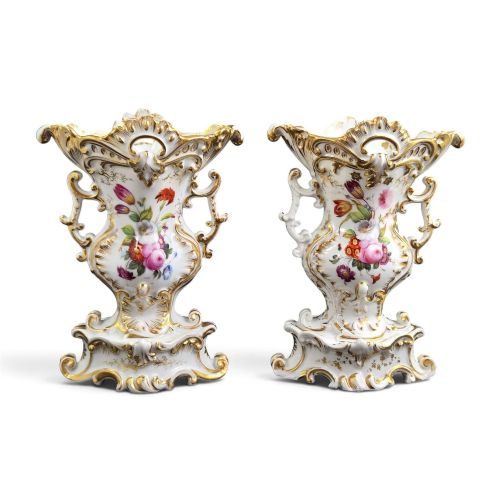
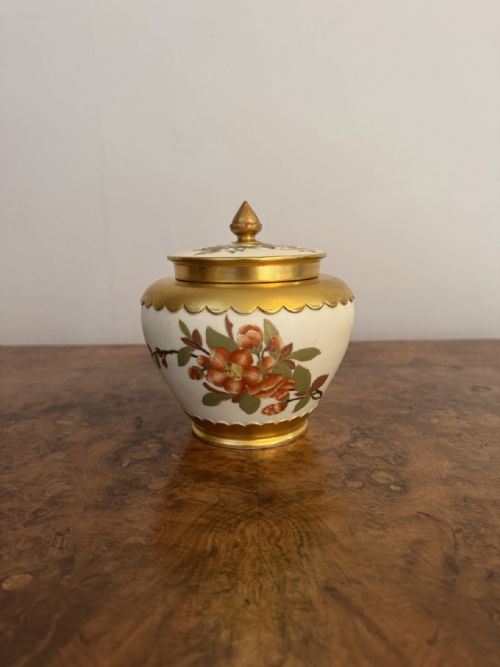
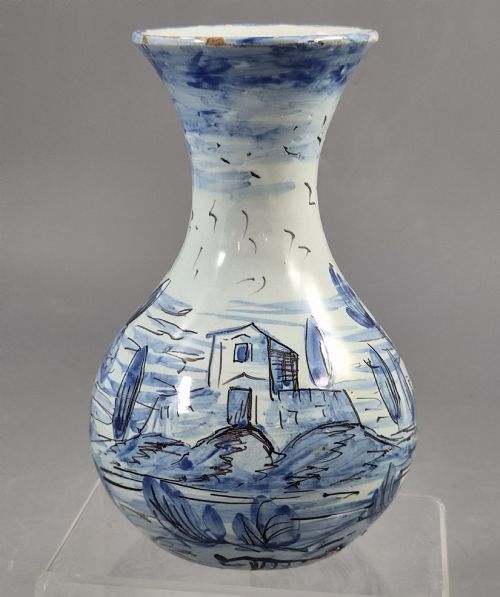
Hand Painted Vase
A hand painted vase brings the concentrated touch of the artist's brush to domestic display, spanning centuries of ceramic craft.
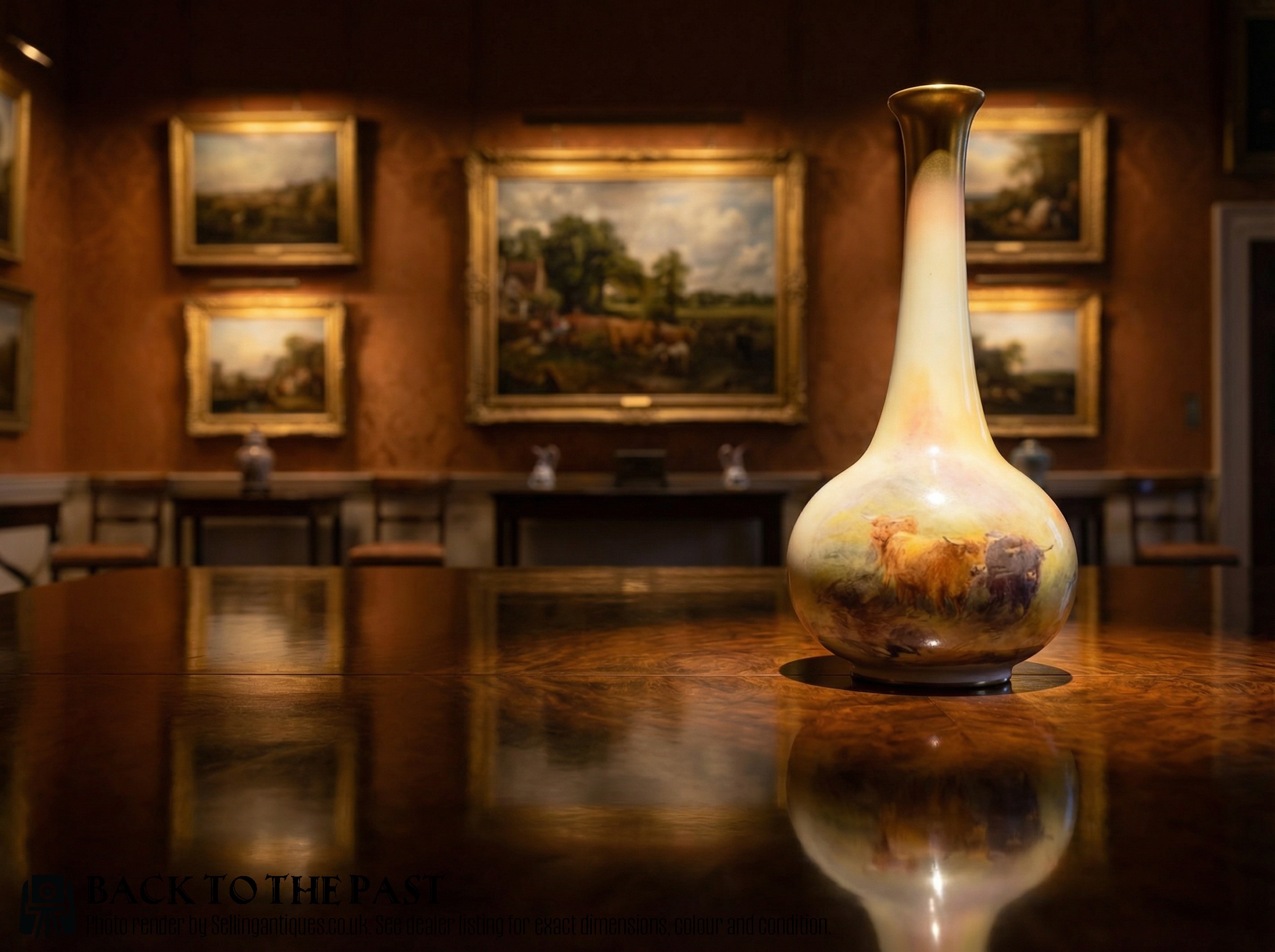
Hand Painted Vase
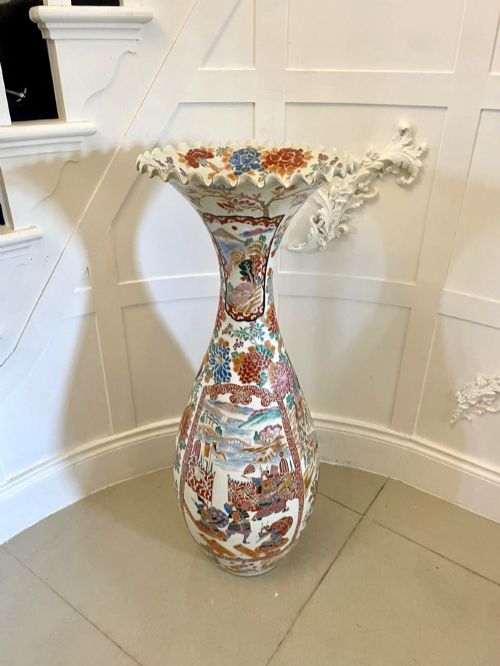
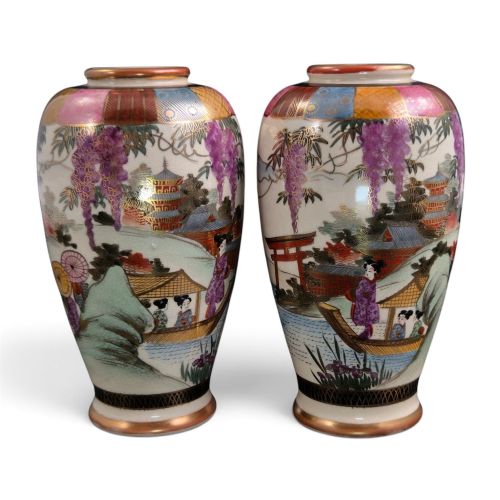
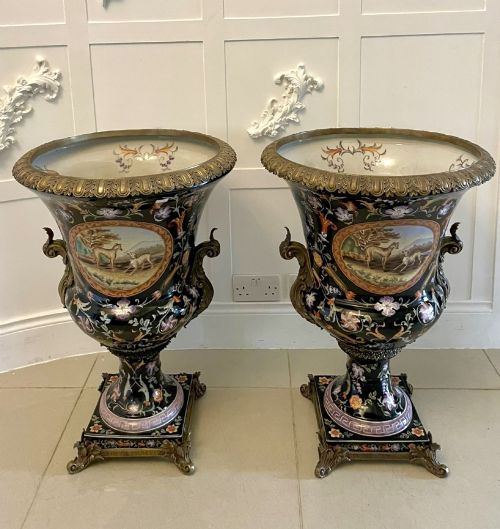
A hand painted vase encompasses vessels made for display, from large floor-standing Imari jars to small cabinet pieces, created across British, European and Asian workshops.
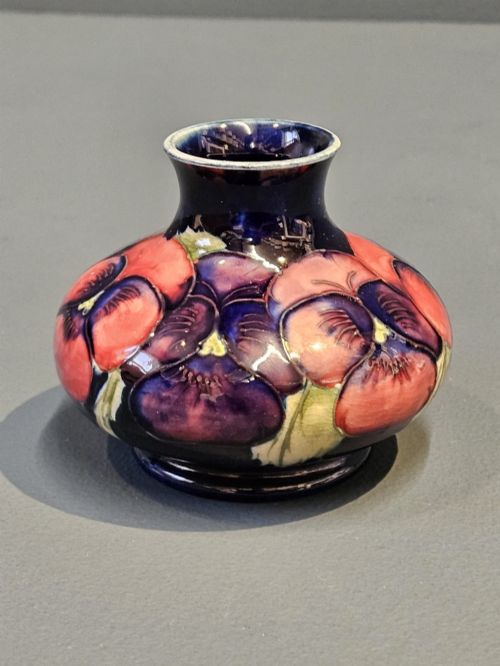
The selections on this page draw heavily from 19th-century production, alongside 18th-century examples and early 20th-century pottery from makers like Royal Worcester and Moorcroft.
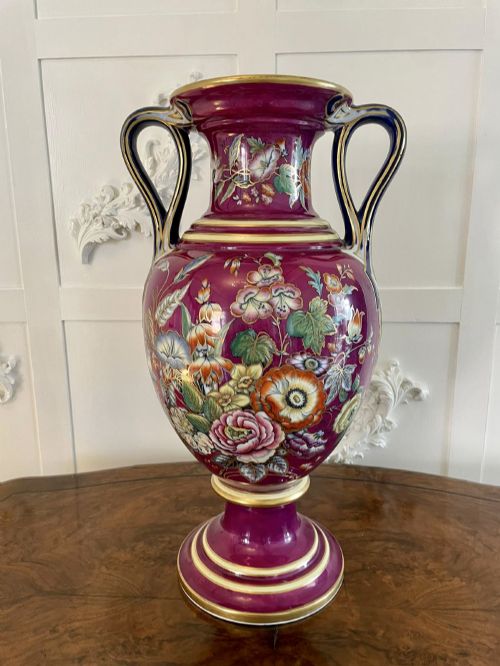
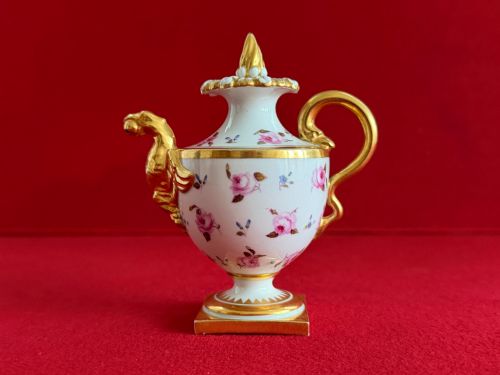
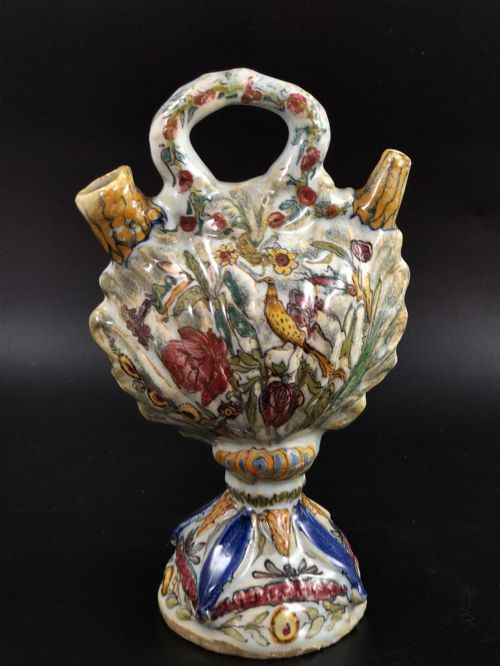
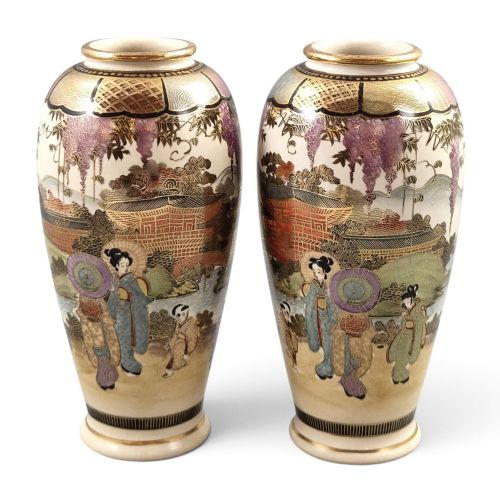
Forms vary widely from traditional baluster jars and ginger pots to urns, moon flasks and pedestal vessels designed to hold flowers or stand alone as ornament.
How they were made
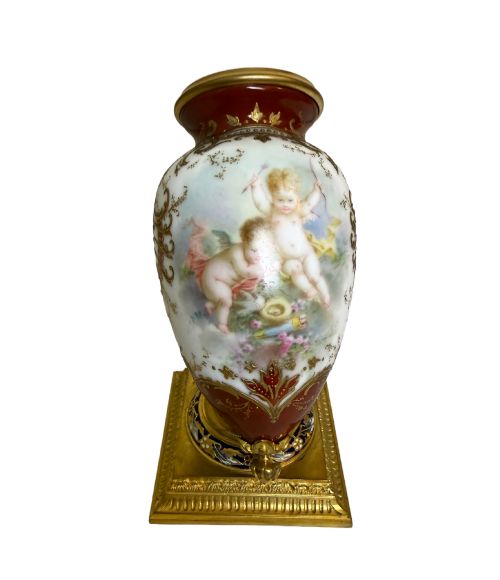
Potters shaped bodies from porcelain, earthenware, stoneware and fritware, sometimes mounting finished ceramic pieces in gilt bronze, brass or ormolu.
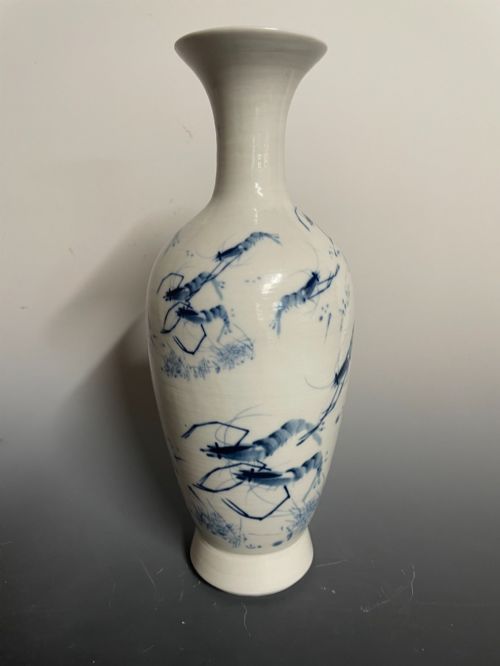
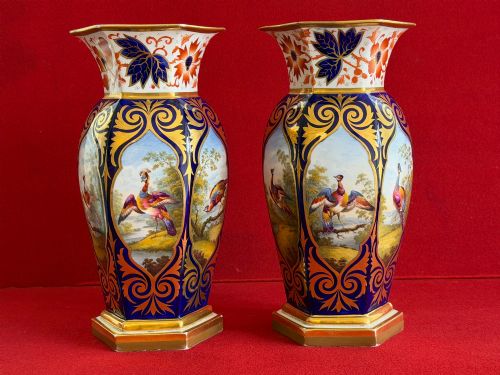
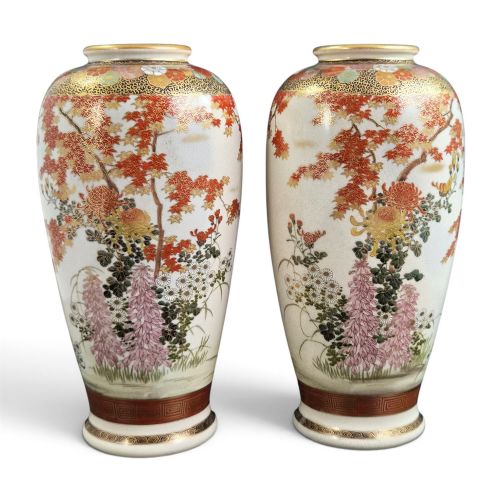
Decorators applied pigments by hand over or under the glaze, frequently incorporating enamel colours, gilding and gold leaf to highlight floral, figural or landscape motifs.
Hand Painted Vase Retail Price Guide 2026
Typical asking prices for hand painted vase among the pieces listed under this phrase on Sellingantiques today, from the lower quarter to the upper quarter. They describe what is for sale here now, not the wider market.
The inventory spans the 18th, 19th and early 20th centuries, including Chinese export pieces and European revivals.
What varies in quality
The standard of a hand painted vase rests upon the precision and fluency of the brushwork, distinguishing standard factory output from pieces executed by named artists.
Material preparation and firing consistency dictate the purity of the ceramic body and the brilliance of the enamel colours.
The integration of decorative mounts, handles and lids affects the overall harmony and ambition of the finished vessel.
Flight Barr And Barr·Royal Worcester·Moorcroft·Jacob Petit·Ernst Wahliss
The Hand Painted Vase Glossary
- Majolica
- Opaque tin-glazed earthenware decorated with brightly coloured metal oxides. It achieved popularity in Renaissance Italy and later revival periods.
- Imari
- Japanese export porcelain decorated in underglaze blue, iron red and gold. The style was widely copied by European factories.
- Gilding
- The application of gold leaf or powdered gold to the surface of ceramics or mounts. It adds metallic contrast to painted decoration.
- Fritware
- A type of pottery stone-paste containing ground glass, used historically in Islamic ceramics to achieve thin, durable vessels.
- Garniture
- A set of matching vases, usually three to five pieces, designed to be displayed together on a mantelpiece or cabinet.
Hand Painted Vase: Frequently Asked Questions
How do I date a hand painted vase?
Dating relies on factory marks, style signatures, and the composition of the ceramic body or glaze. Comparing motifs against documented production periods provides a reliable timeframe.
Changes in palette and technological transitions, such as the shift from hand-thrown bodies to slip-cast forms, also help narrow down the decade of manufacture.
Were these vases meant for flowers?
Many examples served purely as decorative objects, mantel garnitures, or status displays rather than utilitarian vessels for water and stems.
Purchasers should check interiors for moisture staining or unglazed drainage holes to determine whether a specific piece was intended for floral arrangements.
How should I clean a painted porcelain vase?
Dusting with a soft, dry brush is generally sufficient for regular maintenance, avoiding abrasive cloths that might scratch delicate enamel or gold leaf.
Water and chemical solvents should be kept away from antique surfaces, particularly where cold-painted or overglaze decoration is present.