



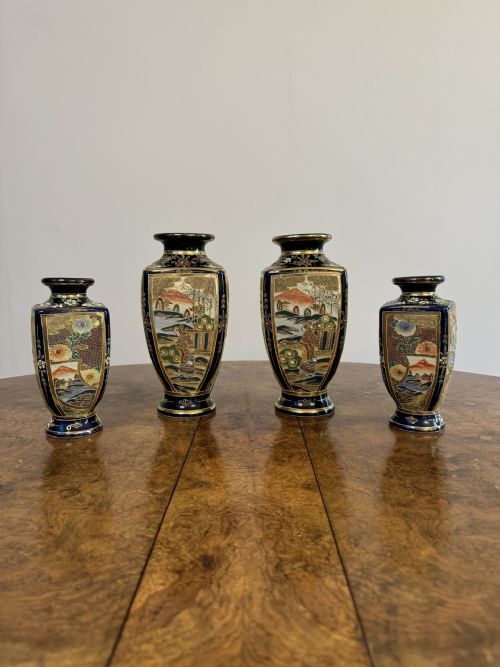
Antique Oriental Pottery
These pieces of antique oriental pottery span centuries of kiln craft from China and Japan, offering collectors hand-painted earthenware, porcelain and complex glazes.
Antique Oriental Pottery
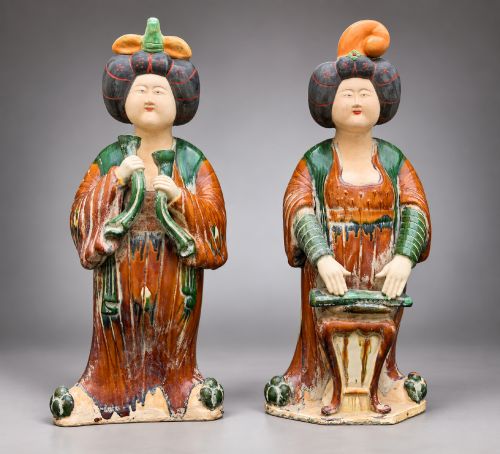
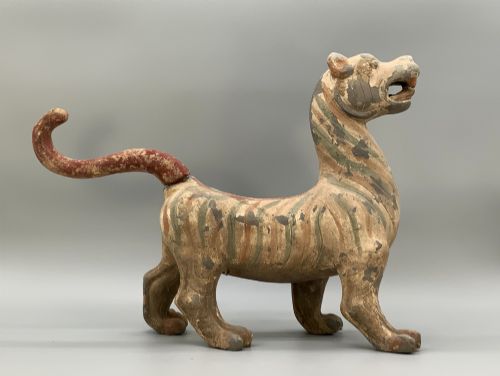
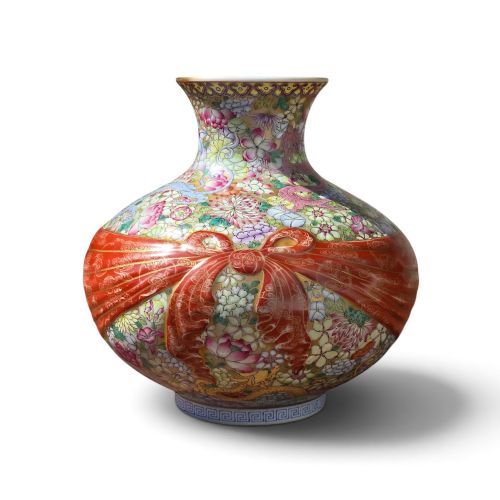
When you search for antique oriental pottery, you encounter a vast array of objects ranging from early funerary figures to decorative vessels like vases, bowls and plates. The selection draws heavily upon Japanese production from the Meiji and Taisho periods alongside older Chinese dynasties, reflecting traditional forms such as baluster vases, chargers and covered jars.
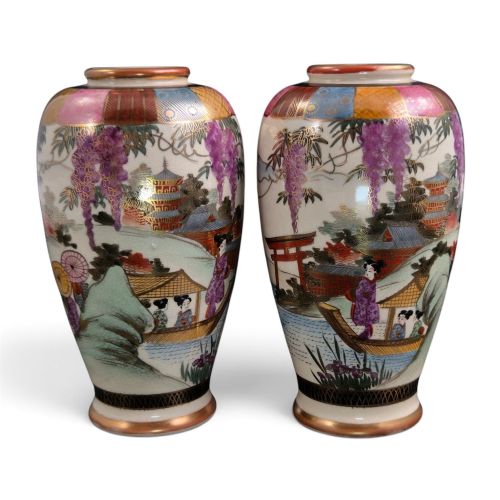
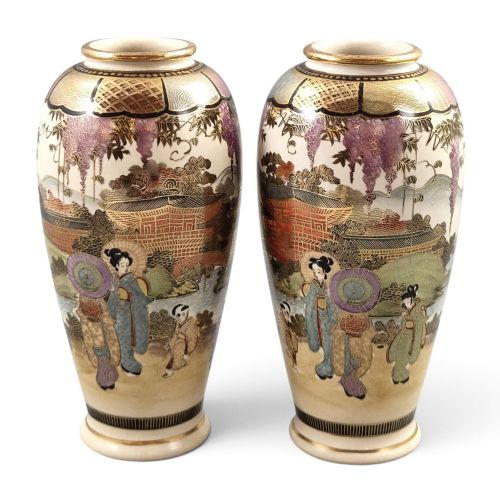
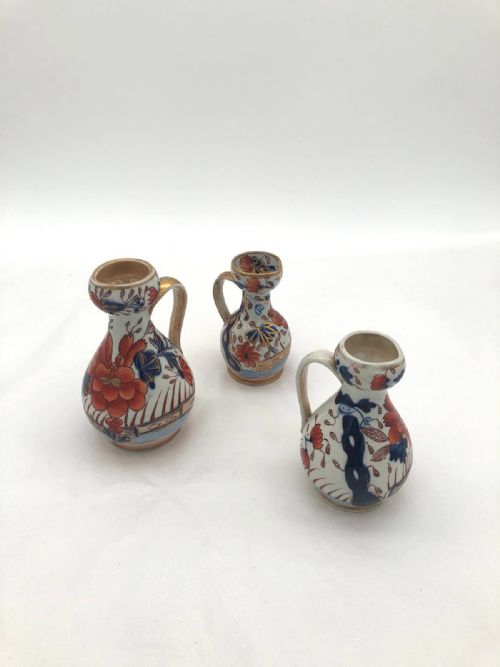
You are most likely to meet Satsuma earthenwares with their distinctive crackle glazes and detailed figurative scenes, alongside blue and white Imari porcelains and textured Sumida Gawa wares. English interpretations from the Georgian and Victorian eras also appear, demonstrating how domestic potters adapted eastern motifs onto transferware platters and ironstone jugs.
Materials and methods
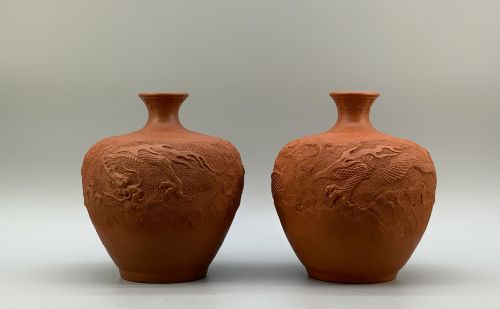
Potters shaped these objects from local clays, terracotta and refined porcelain before applying mineral pigments, enamel and underglaze blue. Many pieces incorporate rich surface treatments including gold leaf, intricate copper-red accents and heavily textured flambe glazes.
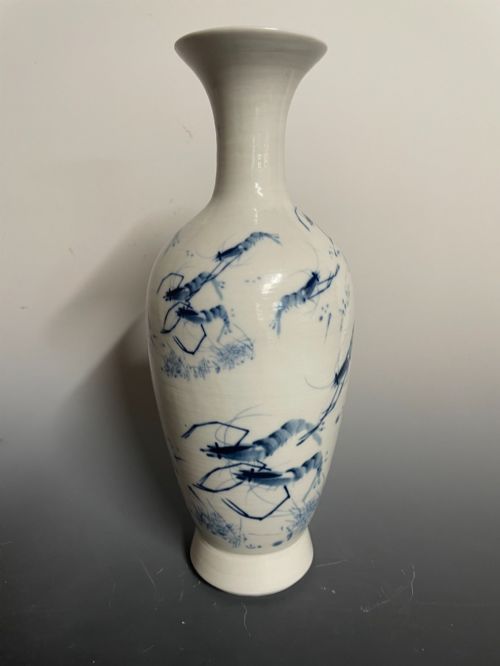
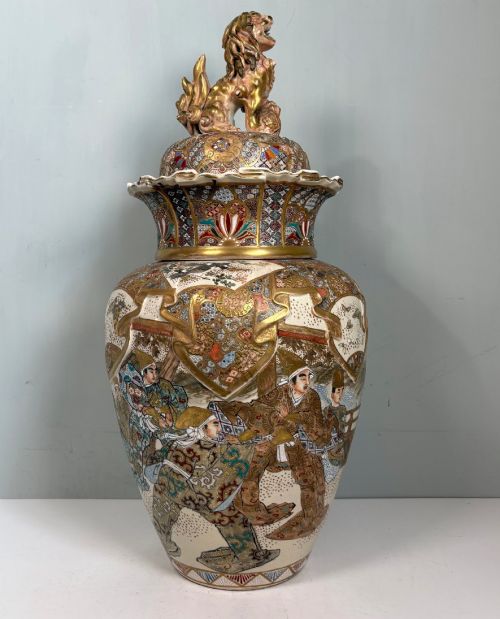
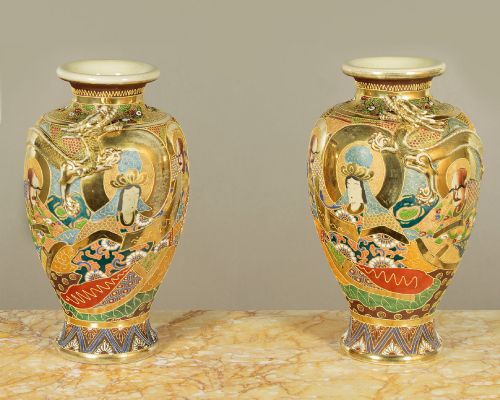
Kiln techniques varied widely by region and date, from low-firing earthenware bodies decorated with polychrome enamels to high-fired porcelains painted in cobalt underglaze. Sculptural elements often feature applied relief figures, while Satsuma pieces rely on intricate hand-painted overglaze enamels finished with gilding.
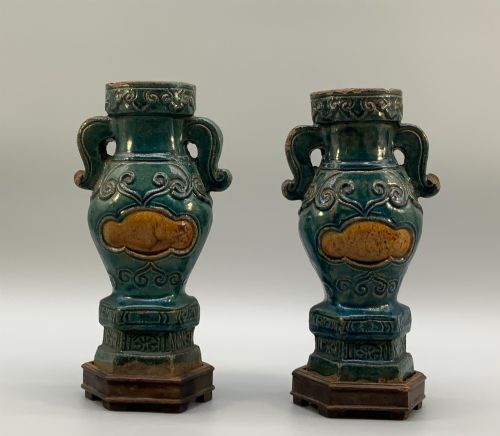
Glazes range from crackle enamel and flambe effects to gold leaf and underglaze blue, applied across vases, plates, figures and jars.
Judging quality
Quality rests upon the precision of the brushwork and the clarity of the glaze, distinguishing mass-produced commercial output from pieces painted by accomplished artists or workshop masters. On Satsuma and porcelain wares, the fineness of the gold detailing and the balance of the composition reveal the maker's hand.
The sophistication of the ceramic body and the depth of the glaze further divide the range, with skilled throwing and controlled kiln temperature producing superior forms and stable surfaces. Signed pieces from recognised makers or specific kilns carry greater artistic weight through documented execution.
Koshida·Maruni Kobe·Shozan·Inoue Ryosai·Ban-ni·John Rogers and Son·J and R Riley
The Antique Oriental Pottery Glossary
- Imari
- A style of Japanese porcelain featuring a distinct palette of underglaze blue, iron red and gold, heavily influenced by Chinese export wares. This aesthetic became widely popular in Europe during the export periods.
- Satsuma
- A type of Japanese earthenware originating from Satsuma Province, characterised by an ivory-coloured crackle glaze and dense polychrome enamel painting finished with gilt. These items often depict historical figures, landscapes and flora.
- Sumida Gawa
- Japanese art pottery produced around Tokyo, known for thick, dripping flambe glazes and high-relief figures climbing along the vessel walls. The pottery often bears the signatures of specific studio artists.
- Kutani
- Japanese porcelain or pottery decorated with bold overglaze enamels, predominantly featuring iron red, green, purple and gold. These colourful items range from decorative plates to large figurative sculptures.
- Celadon
- A term for pottery denoting both a green jade-like glaze and the ceramic wares that display it. The subtle hue results from iron oxide reacting within the reducing atmosphere of the kiln.
Antique Oriental Pottery: Frequently Asked Questions
What is Satsuma pottery?
Satsuma pottery is a distinct type of Japanese earthenware featuring an ivory-coloured crackle glaze covered in intricate enamel painting and gold leaf. These pieces were produced in large quantities for export during the late nineteenth and early twentieth centuries.
Craftsmen used fine brushes to depict traditional figures, landscapes and wisteria blossoms across vases, bowls and garniture sets. The style remains easily recognisable due to its textured surface and ornamental richness.
How do I identify Meiji period pieces?
Meiji period items date from the reign of the Japanese emperor between eighteen sixty-eight and nineteen twelve, a golden era for decorative arts and ceramic export. Look for detailed craftsmanship, signed bases, and stylistic influences from traditional Japanese folklore and flora.
Many of these objects combine high-fired ceramics with elaborate overglaze painting, gold accents and applied relief figures. They reflect a transitional time when Japanese kilns tailored their production specifically for western collectors.
What is Imari porcelain?
Imari porcelain refers to Japanese export wares decorated in a striking palette of cobalt blue, iron red and gold. These ceramics were shipped through the port of Imari and became prized ornaments in grand European interiors.
The decoration typically relies on symmetrical panels filled with floral motifs and exotic birds, creating a vibrant visual texture. Potters achieved this look through multiple firings to set the underglaze blue before applying the enamel and gilt layers.
How were antique ceramic waterpots used?
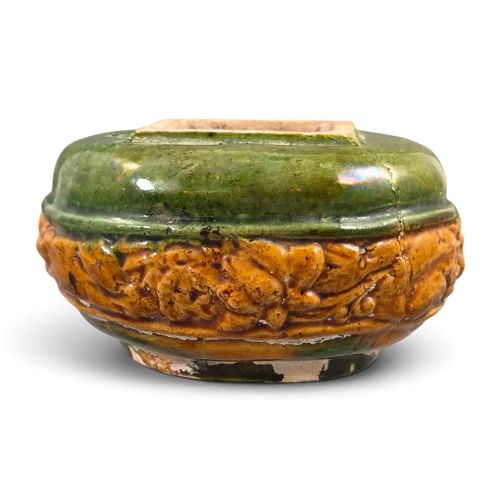
Scholar's water vessels and waterpots were essential tools on the desks of literate elites in historical China. Scholars used them to dispense small amounts of water for grinding solid ink sticks against inkstones.
These small ceramic vessels required high skill from the potter, often featuring monochromatic glazes, carved details or underglaze painting. Their compact forms reflect the refined aesthetic of traditional calligraphy practice.