



Cream Earthenware Vase
A cream earthenware vase brings understated warmth to a room, offering a tactile surface that draws the eye without demanding the whole space.
What the pieces are
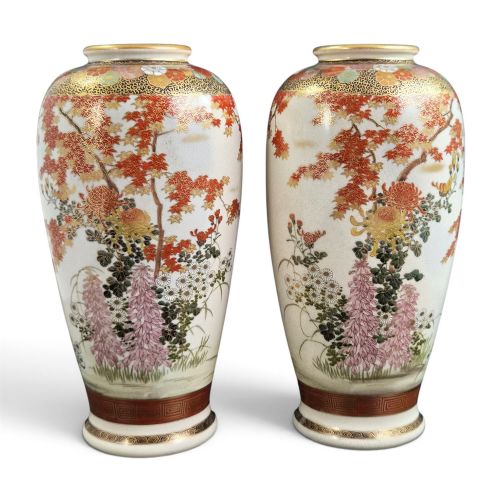
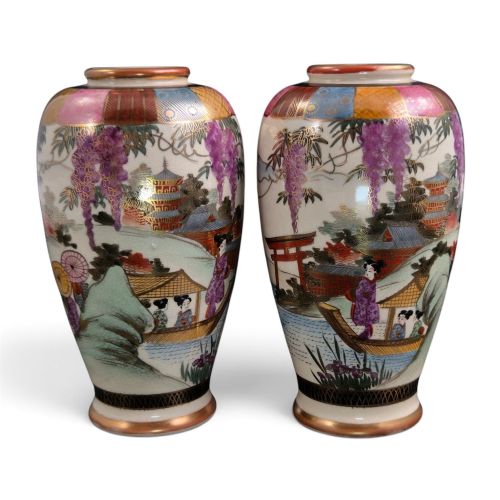
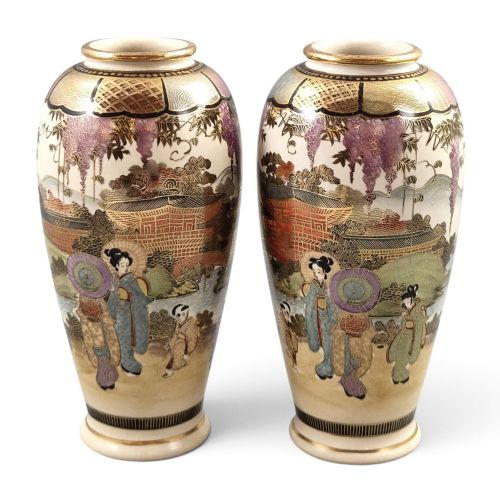
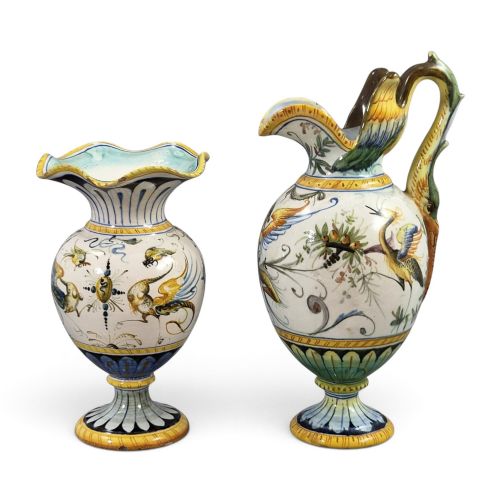
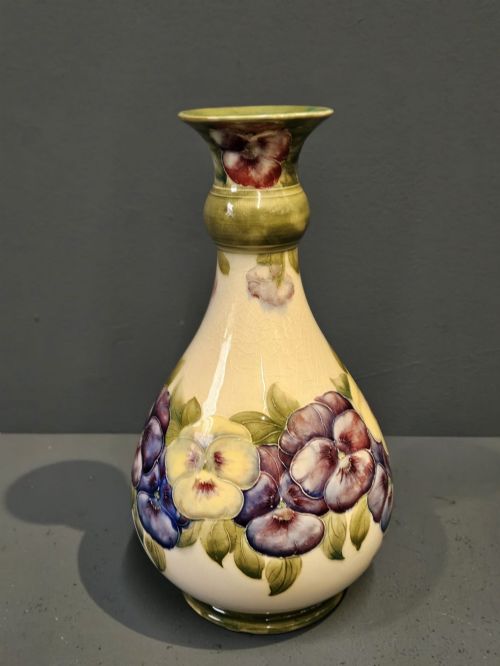
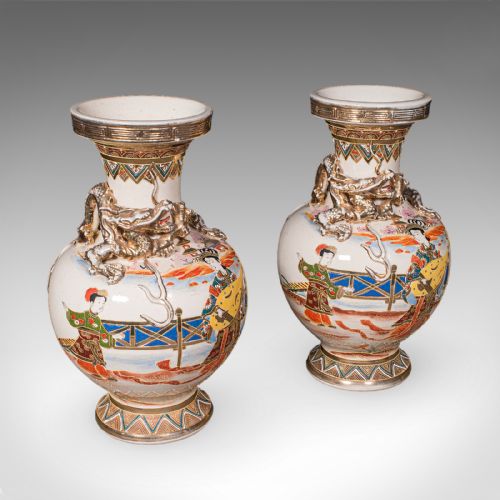
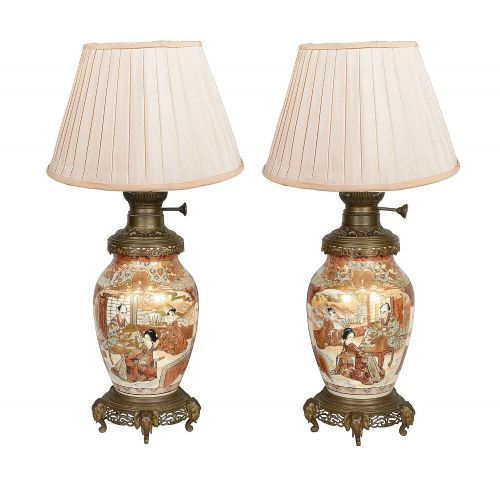
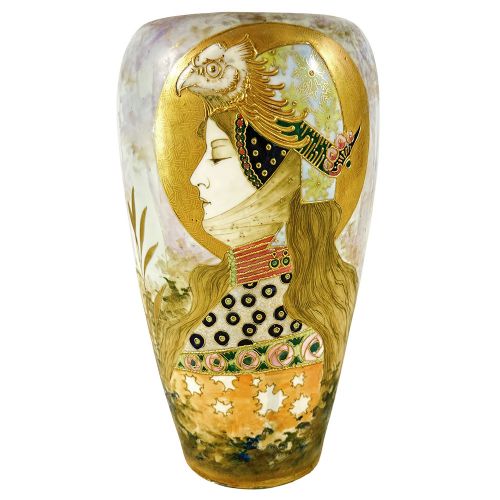
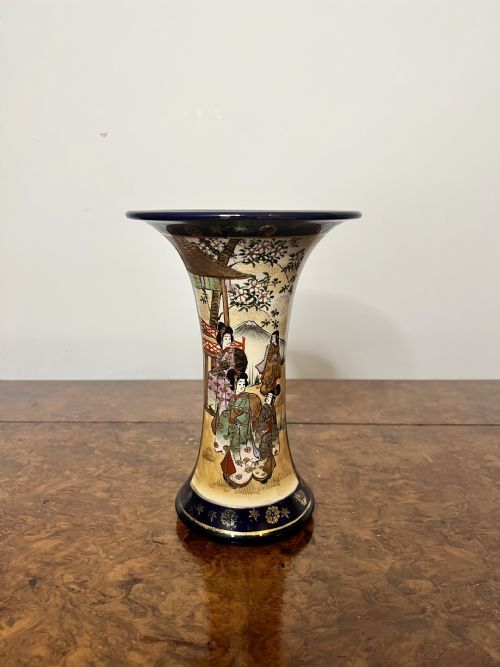
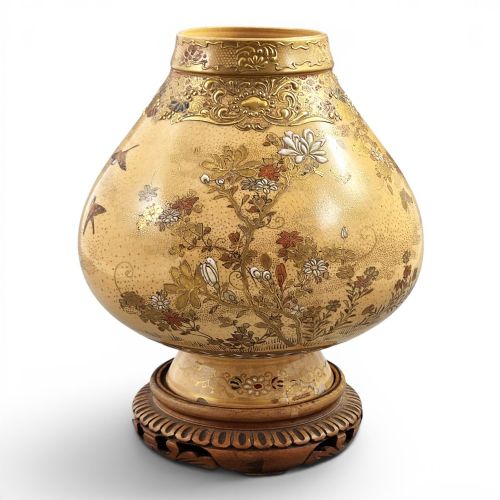
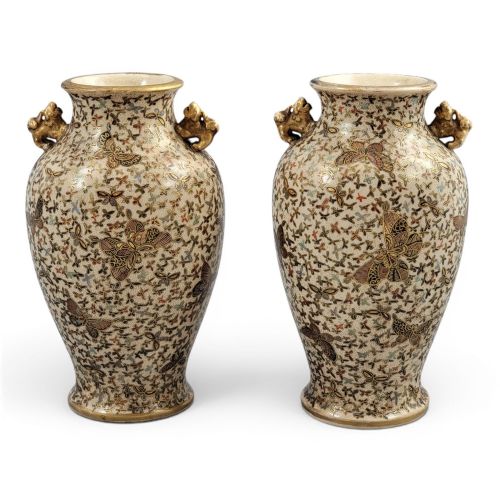
A cream earthenware vase encompasses the Satsuma ware and Japanese export pieces found across these listings, dating from the nineteenth century and around nineteen hundred. Buyers searching for a cream earthenware vase encounter large two-handled vessels, small decorative pairs, and Satsuma pieces produced during the Meiji period in Kyoto.
The dominant form on this page is the Japanese Satsuma vase, reflecting Meiji period aesthetics and Kyoto workshop production. These vessels vary from intimate cabinet pairs to substantial decorative centrepieces featuring handles and distinctive glazes.
How they were made
Potters shaped these vessels from earthenware clay before applying a specialised glaze to create the characteristic cream ground. Artisans then added detailed enamel decoration and gold leaf accents by hand.
Makers finished many of these pieces with contrasting wooden mounts or display elements, pairing the glazed ceramic body with organic materials for stability and presentation.
Retail Price Guide 2026
Typical UK retail prices for cream earthenware vase, calculated from the Sellingantiques database of over a million retail prices indexed since 2003. This retail price guide relies exclusively on Sellingantiques data; no external sources or auction records are used, so the figures do not describe the wider market.
Every listed vase on this page dates from the nineteenth century or nineteen hundred, rooted entirely in the Meiji period.
What varies in quality
Quality rests in the precision of the enamel work and the crispness of the gold leaf application across the earthenware surface. Superior examples demonstrate a balanced composition and meticulous brushwork that mark out workshop production.
The handling of the glaze and the overall weight distribution distinguish standard export ware from exceptional Satsuma pieces. Finer pots retain crisp detail in every decorative panel without blurring or pooling in the glaze.
The Cream Earthenware Vase Glossary
- Earthenware
- A porous pottery body fired at lower temperatures, requiring a glaze to hold water and provide a smooth surface.
- Satsuma ware
- A type of Japanese pottery with a pale, crackled ivory glaze originating from the Satsuma Domain and later produced in workshops across Kyoto.
- Enamel
- Vitrified glass paste applied to the ceramic surface and fired to create durable, colourful decorative motifs.
Frequently Asked Questions
How old are these vases?
The pieces listed span the nineteenth century and around nineteen hundred, coinciding with the Meiji period in Japan.
This era marked a peak in the export of highly detailed ceramics to European and American collectors.
Are these vases waterproof?
These pieces are constructed from earthenware with a decorative glaze, meaning they were intended primarily for display.
Using them for fresh flowers is discouraged to protect the delicate enamel and gold leaf surfaces from moisture damage.
How should I clean a Satsuma vase?
Dusting gently with a soft, dry brush is the best method to maintain the glazed surface and gold leaf details.
Water and chemical cleaning agents should be avoided entirely to prevent lifting the fragile enamels.