




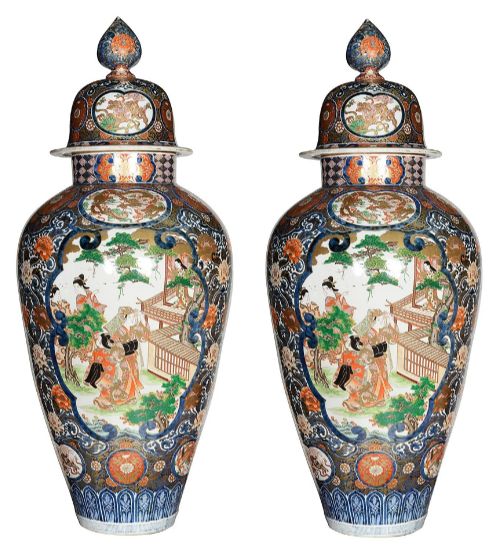
Antique Oriental Vase
An antique oriental vase brings centuries of layered artistry, metalwork and ceramic tradition directly into a room.
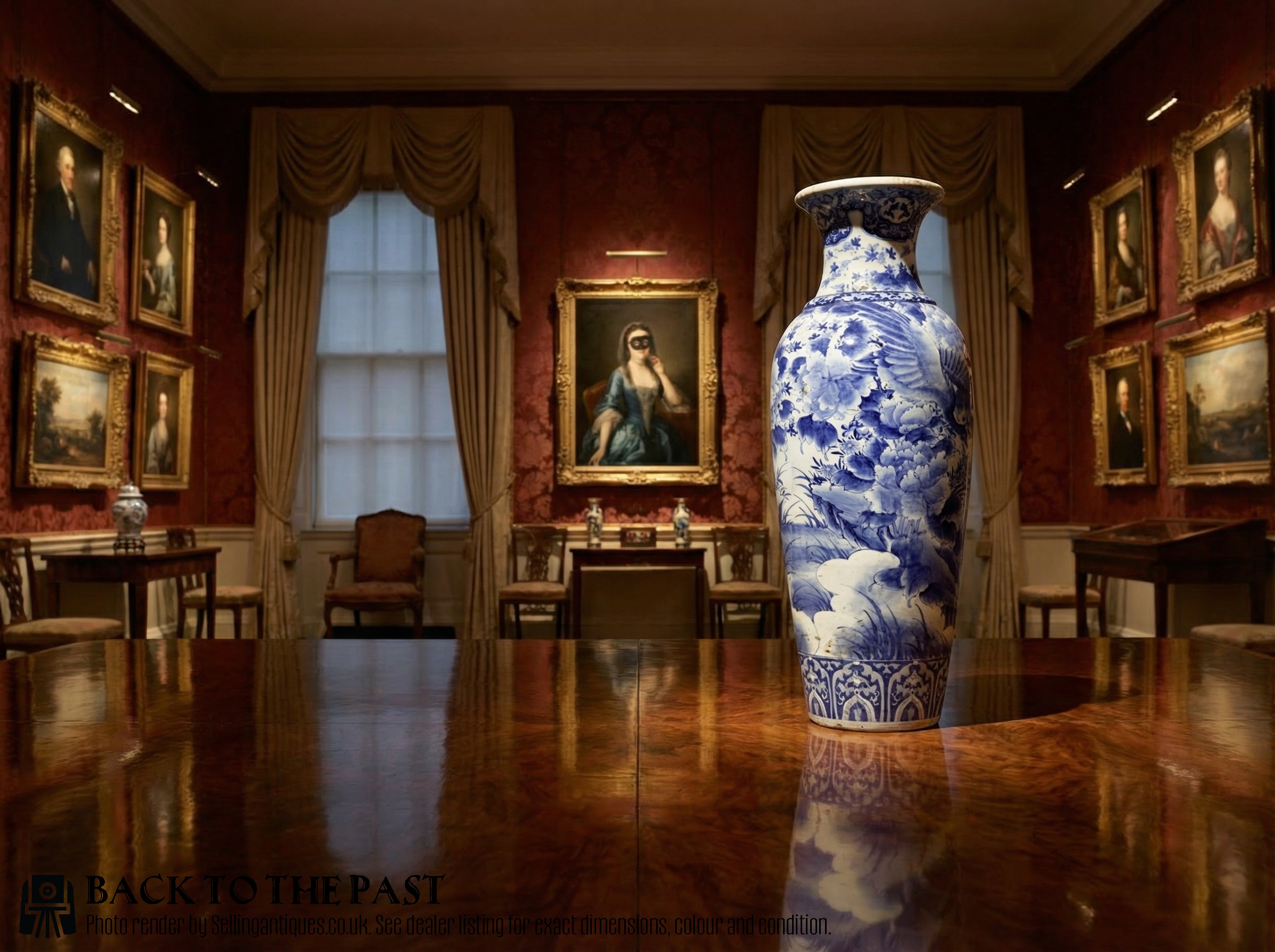
Antique Oriental Vase
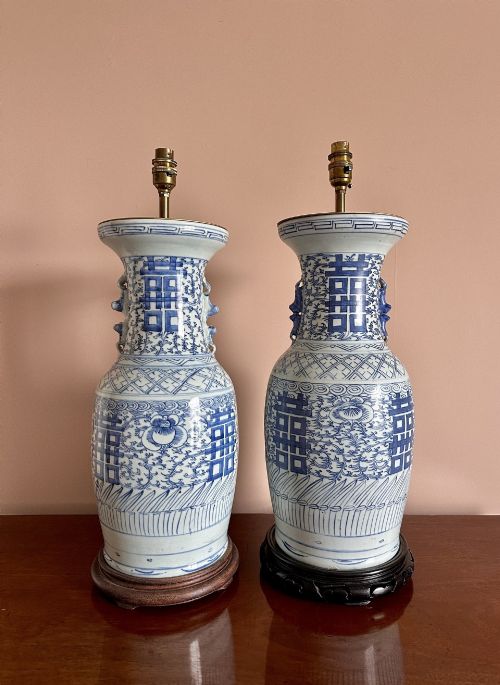
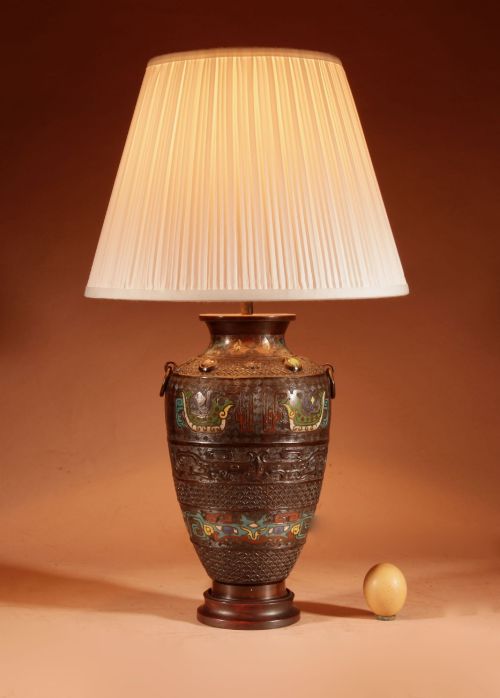
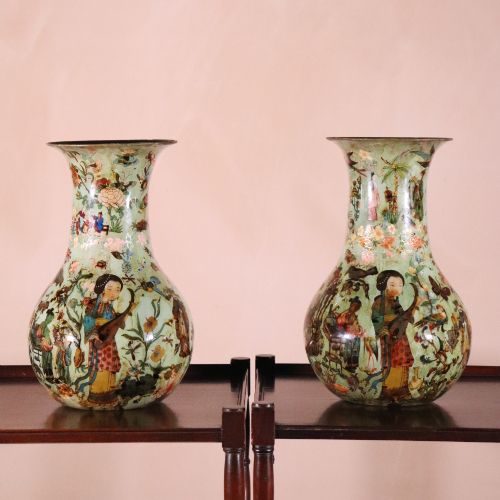
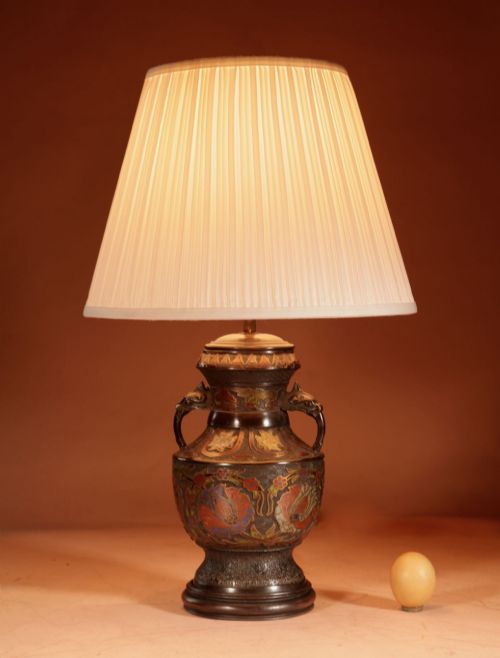
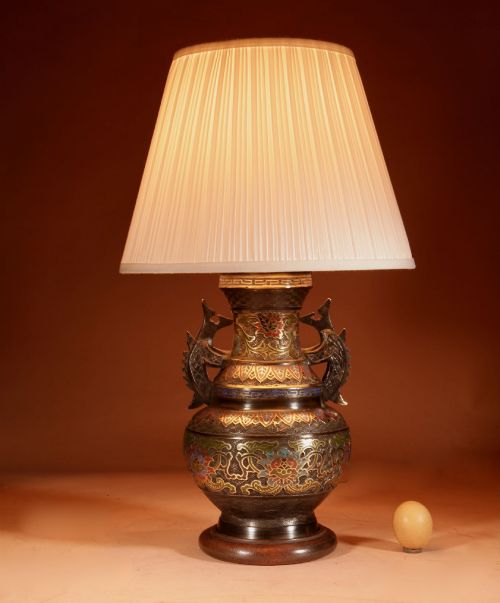
When you search for an antique oriental vase, you encounter a diverse range of decorative vessels originating from Asian traditions, most frequently spanning the nineteenth and early twentieth centuries. These objects include towering floor-standing pieces, ginger jars, brush pots and table lamps adapted from earlier forms. Japanese Meiji period bronzes and Satsuma earthenwares appear regularly alongside Chinese porcelain and cloisonné vessels.
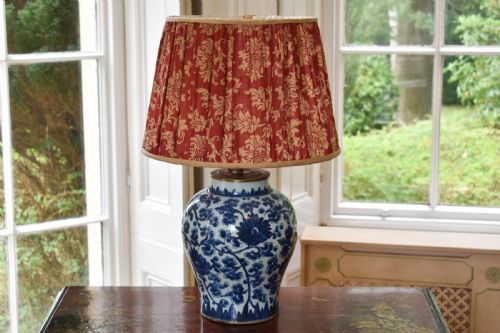
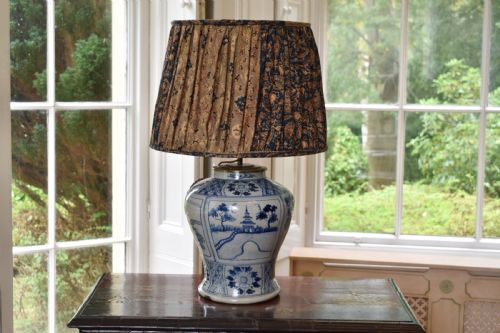
The selection reflects both export markets and domestic production, shifting from delicate blue and white porcelain to heavily worked bronze and champlevé enamel. Buyers often find matching pairs alongside single statement pieces, each bearing the distinct aesthetic markers of Qing Dynasty or Meiji craftsmanship. These items served both utilitarian storage functions and purely decorative roles within high-status interiors.
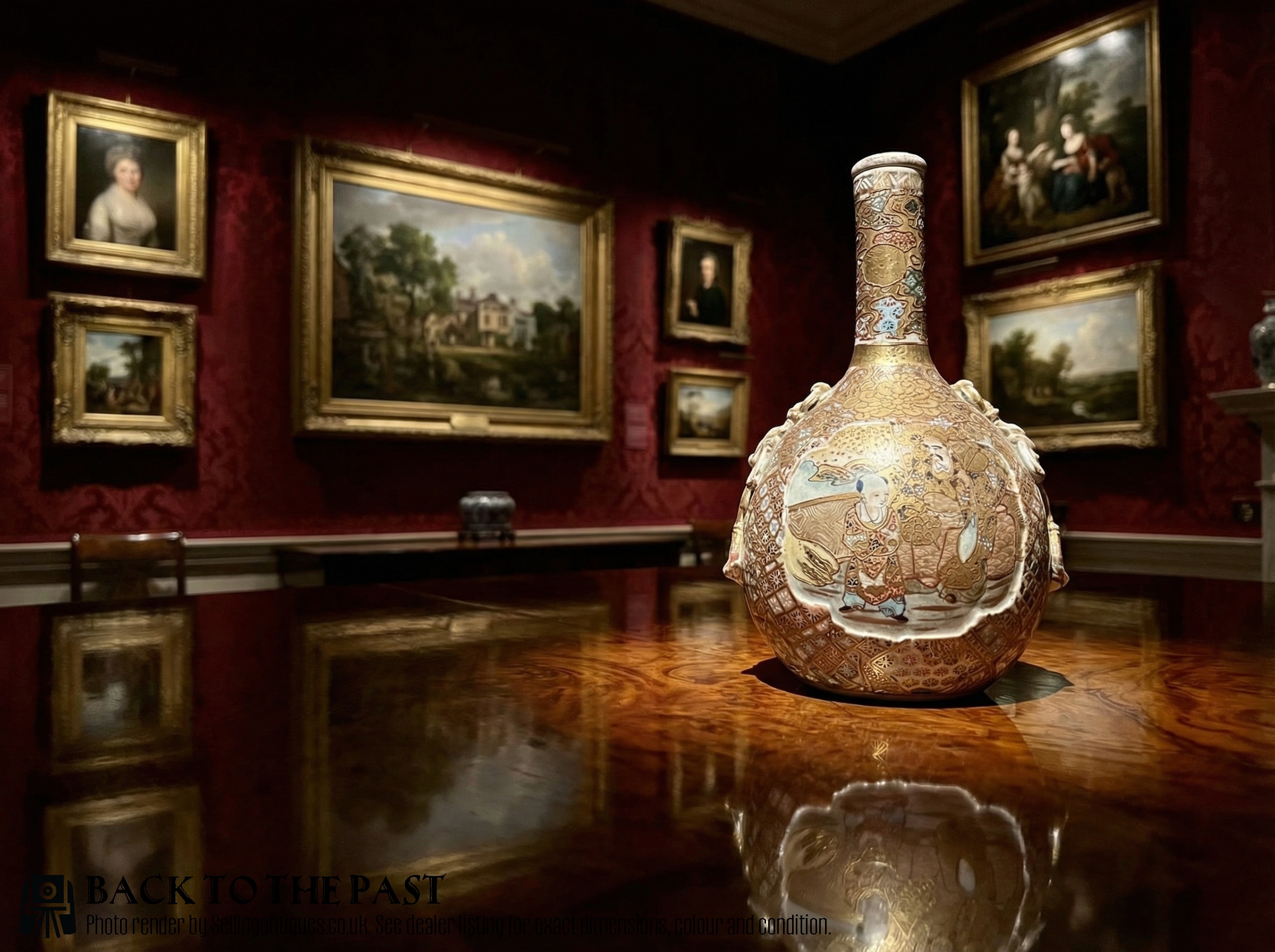
How They Were Made
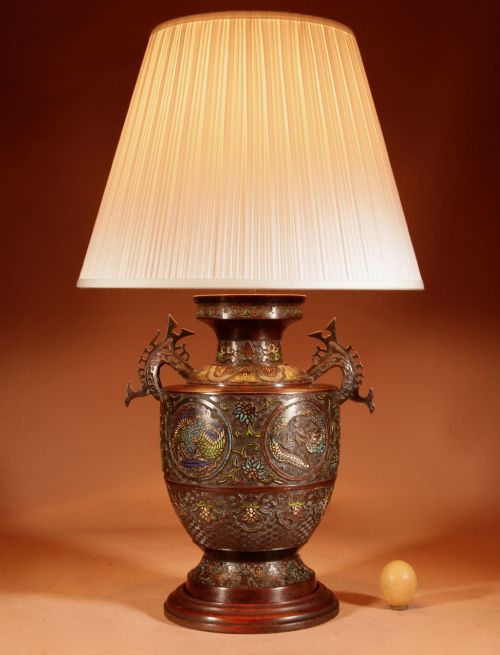
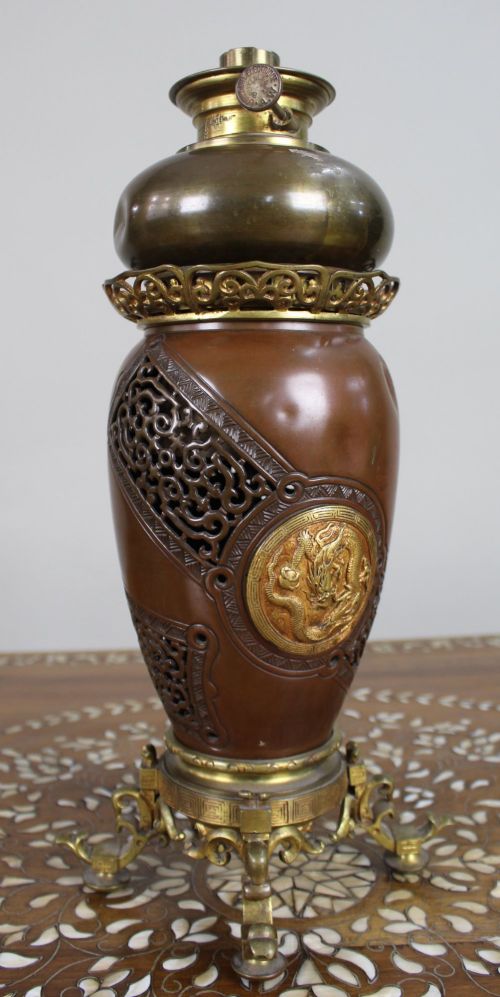
Potters and metalworkers utilised demanding techniques such as high-relief casting, cloisonné wire-work and intricate overglaze enamelling to decorate these vessels. Bronze and copper-alloy pieces often incorporated inlaid details or carved motifs depicting figures, dragons and floral scenes. Ceramic items combined refined porcelain or red clay with complex glaze applications, including flambé finishes and delicate blue and white pigments.
Makers applied powdered gold leaf, finely ground minerals and vibrant enamel colours to achieve the rich textures seen on Satsuma and Famille Rose wares. Kiln temperature control dictated the success of intricate underglaze copper-reds and iron-red ribbon motifs. Metal vessels were frequently chased by hand, requiring hours of precise incision before receiving patination or surface gilding.
Antique Oriental Vase Retail Price Guide 2026
Typical asking prices for oriental vase among the pieces listed under this phrase on Sellingantiques today, from the lower quarter to the upper quarter. They describe what is for sale here now, not the wider market.
Daoist immortals and wisteria branches share shelf space with dragons on vessels that have travelled halfway across the world to find you.
What Varies in Quality
Weight and material density also indicate distinction, particularly in bronze and copper-alloy vessels where substantial metal thickness demonstrates superior resource use. The complexity of the palette, the integration of gold leaf and the harmony of the overall composition distinguish exceptional garnitures and floor vases from routine decorative items.
Maruni Kobe·Shozan·Inoue Ryosai·KANASAWA
The Antique Oriental Vase Glossary
- Satsuma
- A type of Japanese earthenware featuring an ivory-coloured, crackled glaze decorated with elaborate polychrome enamels and gilding. These pieces frequently depict historical figures, landscapes and dense floral arrangements.
- Cloisonné
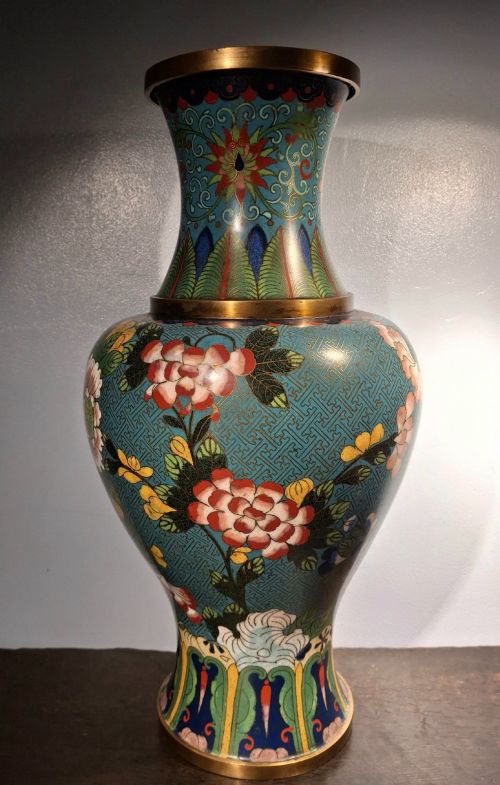
- A metalwork technique where flat wire is soldered to a bronze or copper body to form compartments, which are then filled with coloured enamel paste and fired. This method creates vibrant, patterned surfaces across vases and miniature vessels.
- Imari
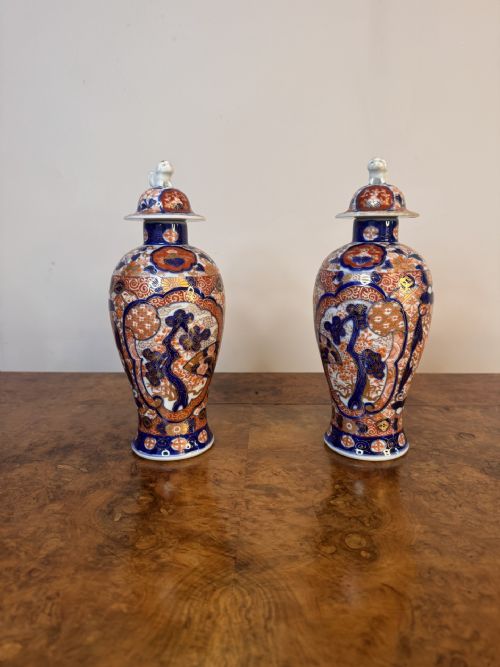
- A style of Japanese porcelain characterised by a distinctive palette of underglaze blue, iron red and supplementary gold on a white body. The designs are typically bold and botanical.
- Famille Rose
- A prominent palette of Chinese porcelain enamels dominated by opaque pink or rose colours, introduced during the Qing Dynasty. The style allowed for delicate shading and naturalistic floral or figural depictions.
- Champlevé
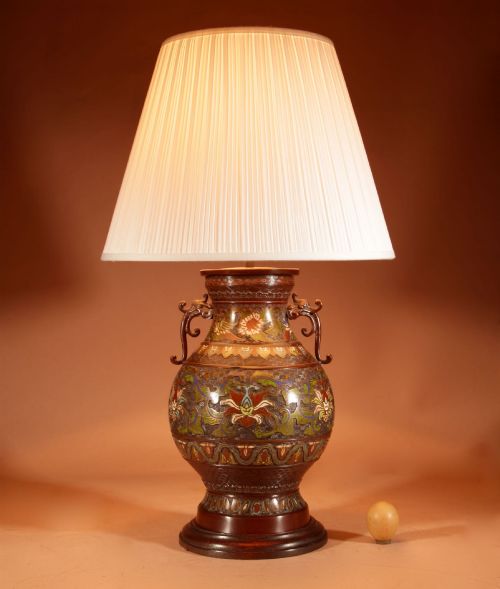
- An enamelling method where troughs or cells are carved directly into a metal surface, such as brass or bronze, and filled with enamel before firing. It yields sturdy, textured patterns often found on decorative lamps and urns.
Antique Oriental Vase: Frequently Asked Questions
Were these vases made for export?
Many nineteenth-century pieces were created specifically for Western export markets, combining traditional Eastern motifs with forms that appealed to European and American tastes. Table lamps and large floor vases often reflect this cross-cultural exchange.
Other items, such as scholarly brush pots and specific porcelain jars, originated within domestic contexts before entering the international antique trade later in their history.
Can I use an antique vase as a lamp?
Numerous antique oriental vessels, particularly heavy bronze and ceramic pieces, were converted into table lamps during the nineteenth and twentieth centuries. This adaptation allowed collectors to incorporate historic artistry into functional household lighting.
When evaluating converted pieces, look for professional wiring methods that preserve the structural integrity of the underlying ceramic or metal body.
How do I tell Satsuma from Imari?
Satsuma ware is characterised by a creamy, crackled earthenware body painted with detailed figures and rich gold highlights. It has a matte or slightly soft tactile quality compared to porcelain.
Imari ware utilises a hard porcelain body with a bright white background, dominated by deep cobalt blue and rusty iron-red pigments with clean, ringing tones when tapped gently.