





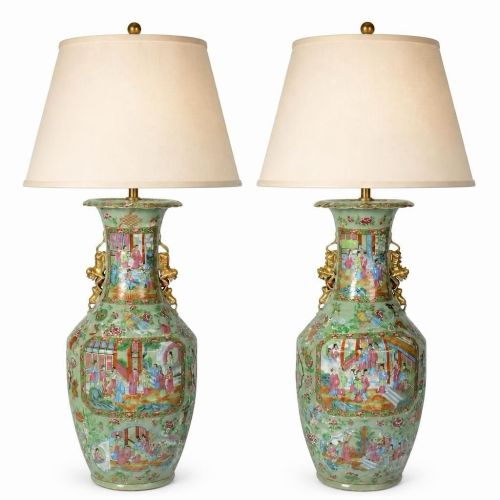

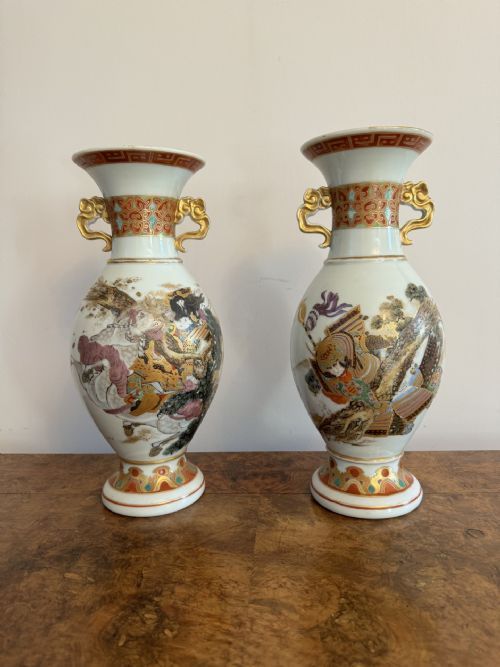
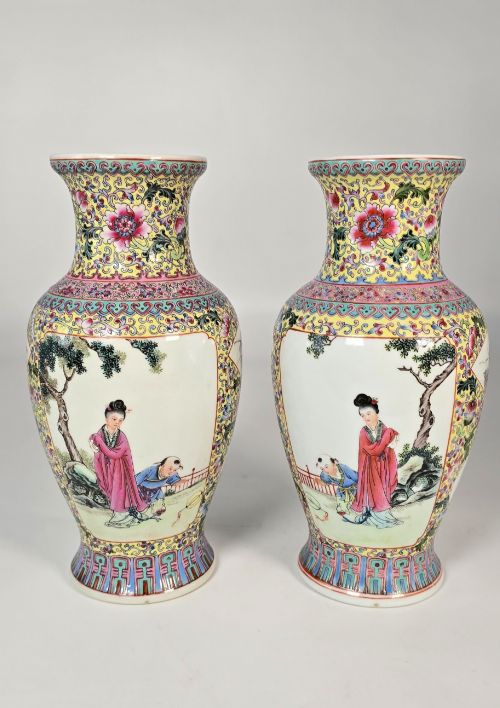
Polychrome Porcelain Vase
A polychrome porcelain vase brings vibrant painted enamels and gilded detail to an interior, offering centuries of diverse kiln traditions from Britain, Europe and East Asia.
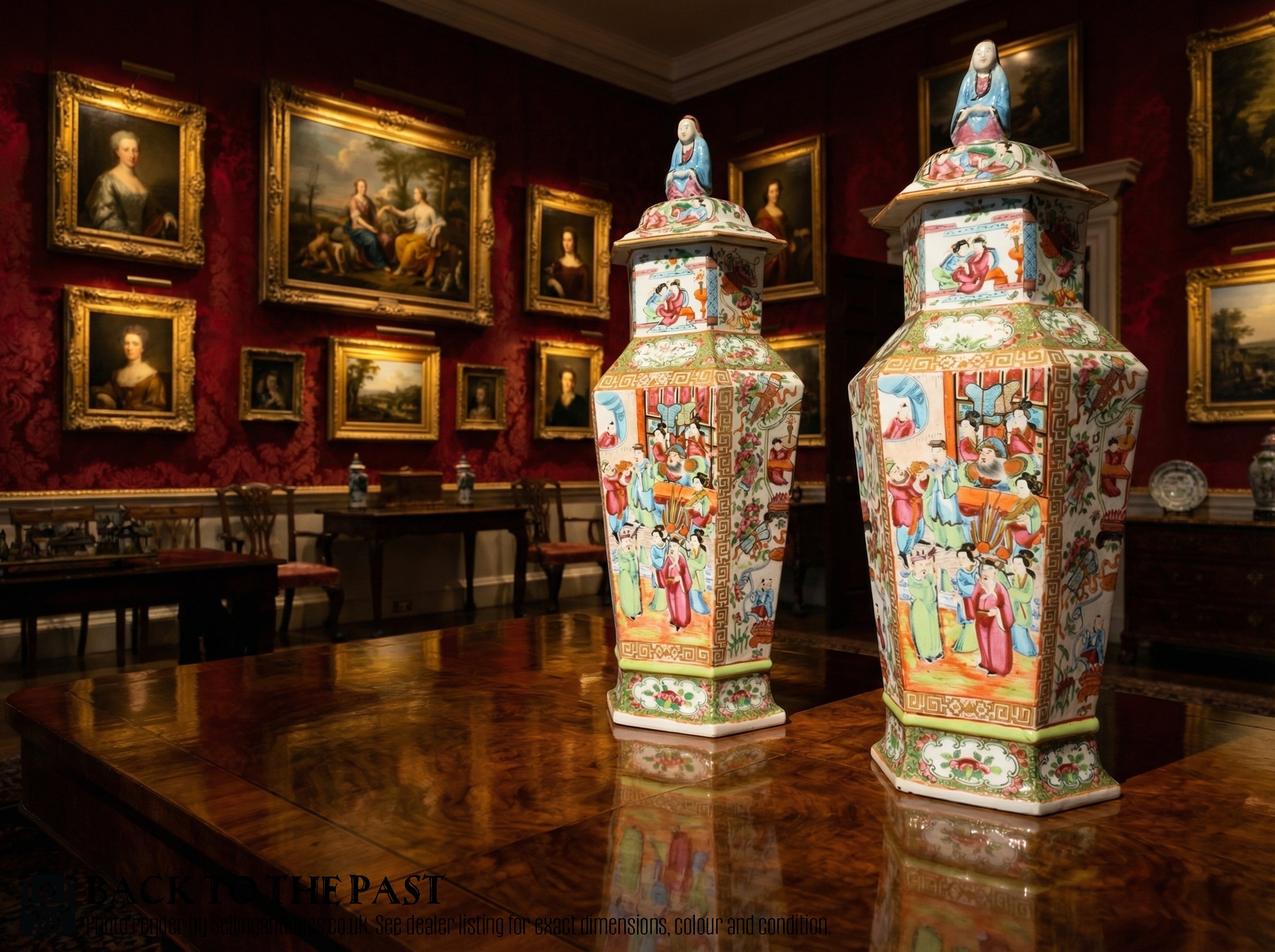
Polychrome Porcelain Vase
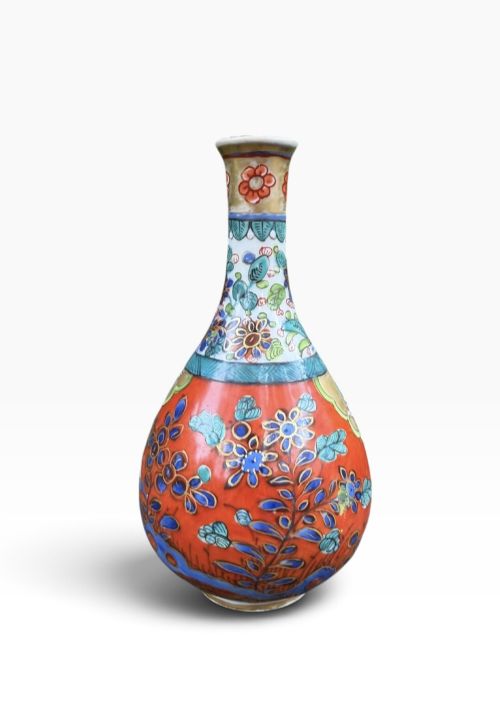
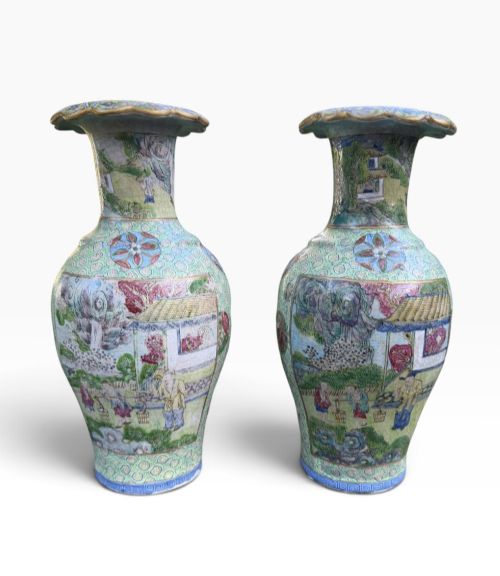
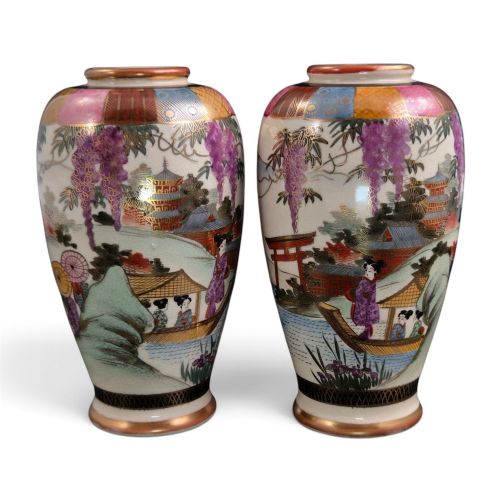
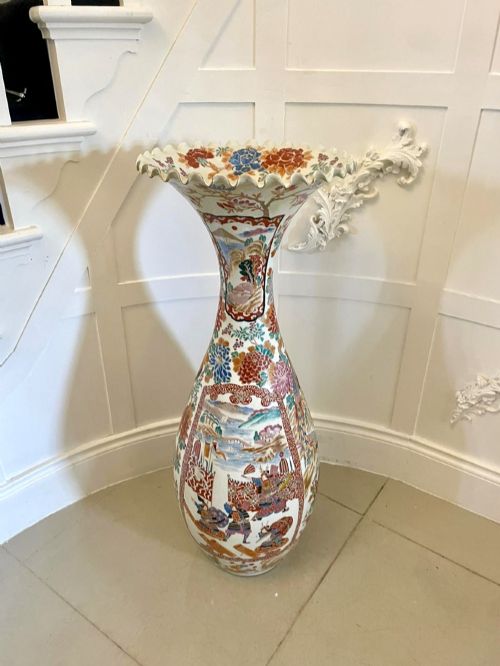
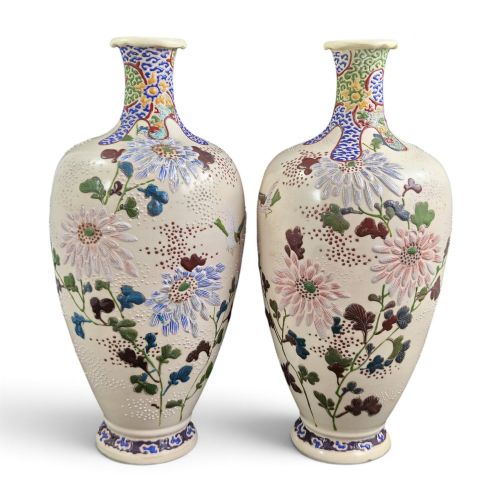
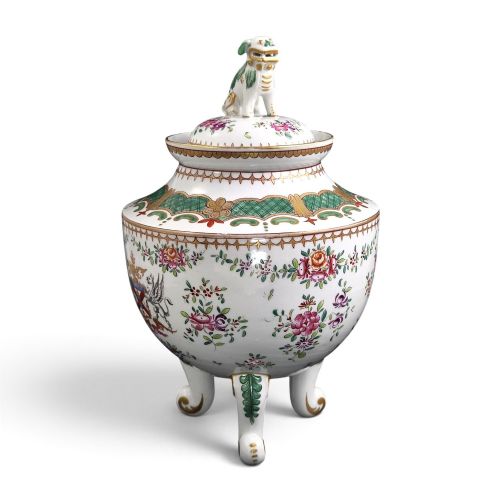
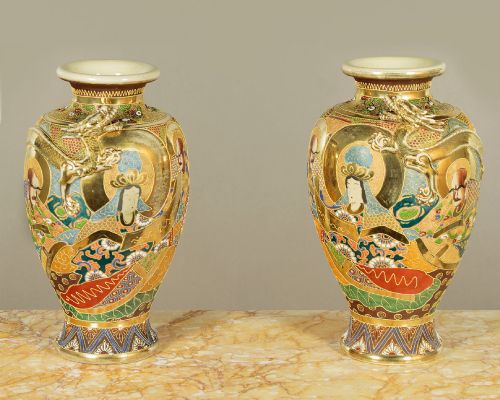
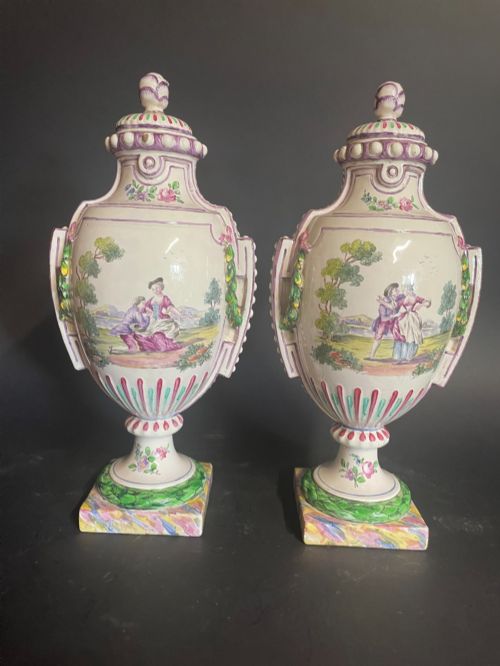
When searching for a polychrome porcelain vase, collectors encounter a rich spectrum of ceramic forms originating from European manufactories and Asian traditions. The pieces listed here span decorative jars, lidded ginger vessels, monumental floor stands and table lamps adapted from earlier vessels.
The material vocabulary draws heavily upon 19th-century production, featuring extensive examples of Japanese Satsuma and Imari wares alongside Chinese Famille Rose and Qing Dynasty export pieces. European contributions from French, German and English makers complete the selection with distinctive regional interpretations of polychrome decoration.
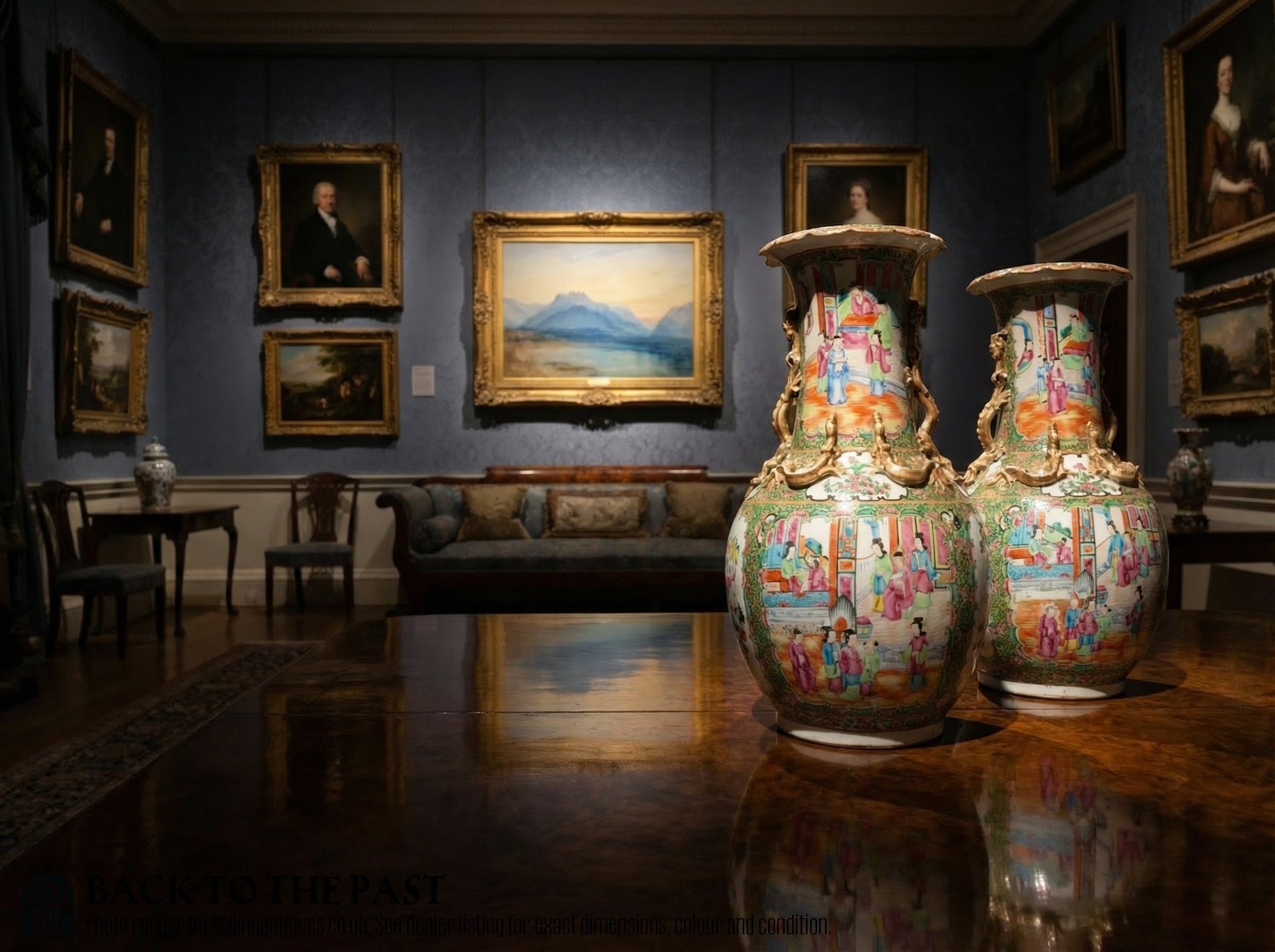
Materials and Techniques
The creation of these vessels relies on high-fired porcelain or earthenware bodies subsequently decorated with coloured enamel palettes and gold leaf accents. Artisans applied pigments over or under the glaze, often subjecting the piece to multiple firings to achieve the desired saturation and brilliance.
Mounts of gilt bronze, brass and turned wood frequently accompany the ceramic bodies, particularly on pieces converted into table lamps during later periods. The integration of craquelure glazes and hand-painted motifs demonstrates the technical versatility of the workshops involved.
Polychrome Porcelain Vase Retail Price Guide 2026
Typical asking prices for polychrome porcelain vase among the pieces listed under this phrase on Sellingantiques today, from the lower quarter to the upper quarter. They describe what is for sale here now, not the wider market.
Several vessels quietly cross the line from flower container to domestic illumination, having accepted brass mounts and lamp fittings without losing their painted dignity.
The Distinction in Quality
Distinctions in quality rest upon the precision of the hand-painted brushwork and the complexity of the enamel and gilt application. Superior examples display crisp definition in figurative and floral panels, with harmonious colour placement that avoids muddy blending.
The crispness of the porcelain throwing, the structural integrity of any added metal mounts and the retention of original covers or companion pairs heavily influence the standing of an individual piece.
Samson Paris·Sitzendorf Porcelain·Royal Worcester·Mason Ironstone·Manpei Kobe
The Polychrome Porcelain Vase Glossary
- Famille Rose
- A palette of opaque rose-pink enamel introduced to Chinese porcelain during the Qing dynasty. This grouping includes soft pinks alongside opaque whites, yellows and turquoise.
- Imari
- A style of Japanese export porcelain characterised by underglaze blue, iron red and supplementary gold highlights. Designs frequently incorporate intricate brocade patterns and floral arrangements.
- Satsuma
- Japanese earthenware featuring a crackled ivory glaze decorated with polychrome enamels and extensive gilding. Production expanded significantly during the Meiji period for Western export.
- Baluster
- A vase form with a rounded body that tapers toward the base and swells near the lower centre. This classical shape provides stability and a generous surface for pictorial decoration.
- Posy Vase
- A small vessel designed specifically to hold short-stemmed floral arrangements rather than large displays. These items often feature flared necks or fitted apertures to support individual stems.
Polychrome Porcelain Vase: Frequently Asked Questions
How do I identify a Satsuma vase?
Look for a finely crackled creamy earthenware body decorated with dense enamel painting and raised gilding. These pieces frequently originate from the Meiji period and depict traditional Japanese figures or landscapes.
Examine the base for maker signatures or kiln marks written in gold or black pigment. The tactile, slightly raised feel of the enamel work distinguishes authentic examples from later printed imitations.
Were these vases made for export?
A substantial proportion of the Chinese and Japanese ceramics found in Western collections were specifically produced for international markets. Makers adapted traditional motifs to suit European aesthetic preferences while retaining native manufacturing techniques.
Export wares often include shapes like baluster urns, moon flasks and ginger jars that appealed directly to Victorian and Edwardian interior decoration trends.
What is the difference between Imari and Famille Rose?
Imari wares rely on a distinct palette of deep underglaze blue combined with iron red and gold leaf, typically arranged in geometric and floral compartmental designs. The aesthetic is bold, highly structured and visually dense.
Famille Rose ceramics utilise an opaque pink enamel alongside soft greens, yellows and blues to render naturalistic flower sprays, birds and narrative figure scenes with painterly depth.