
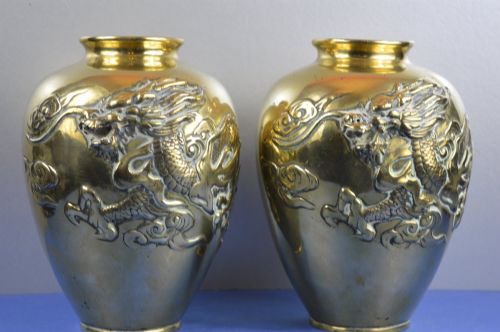
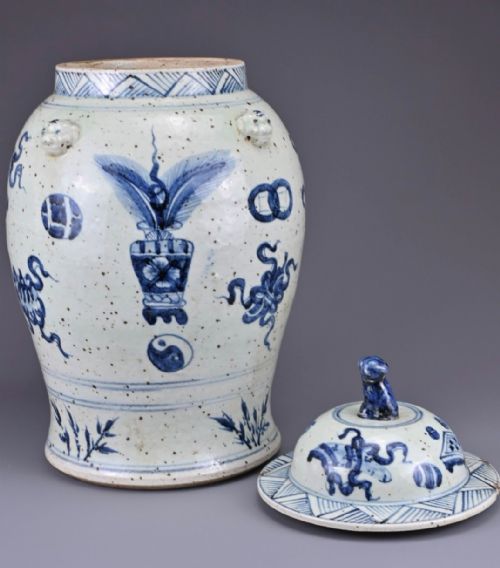
Antique Chinese Urns
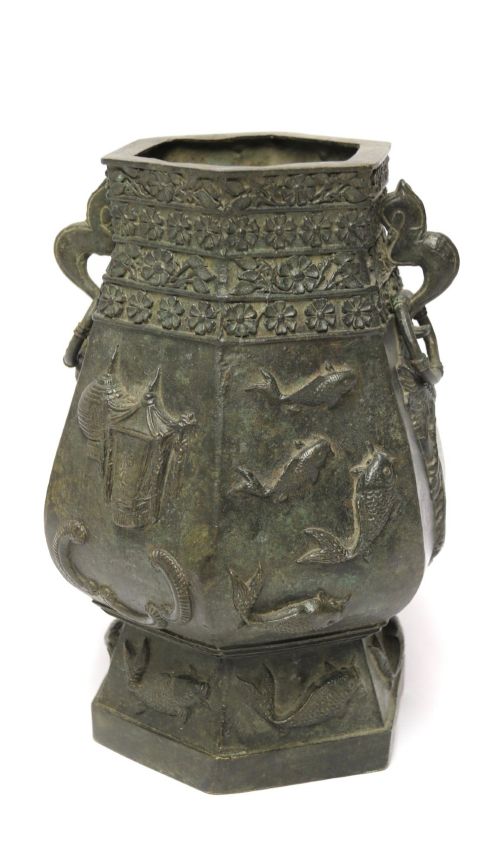
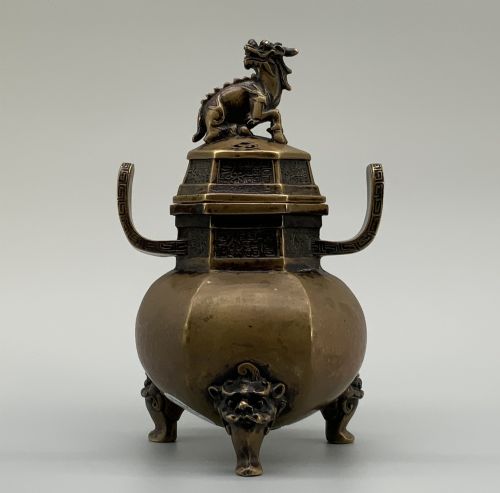
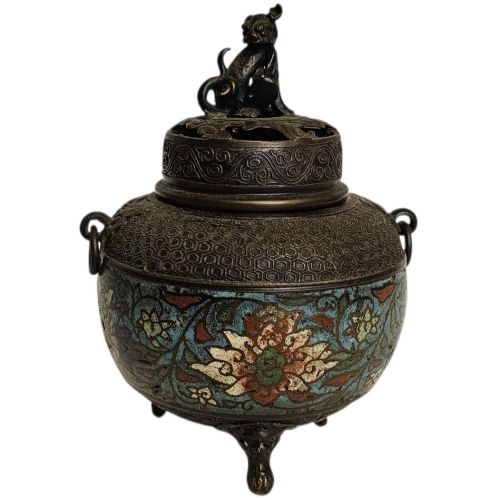
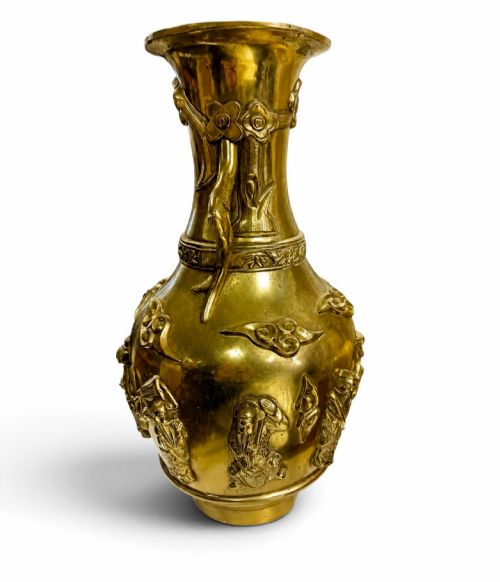
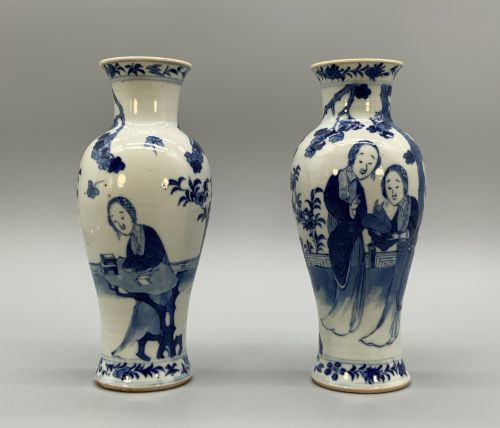
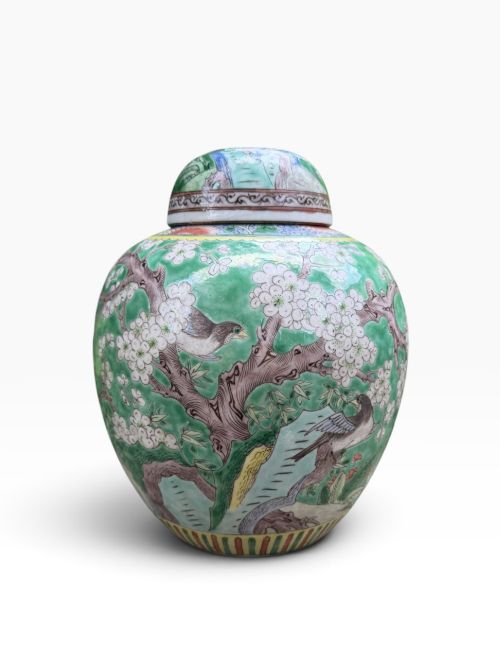
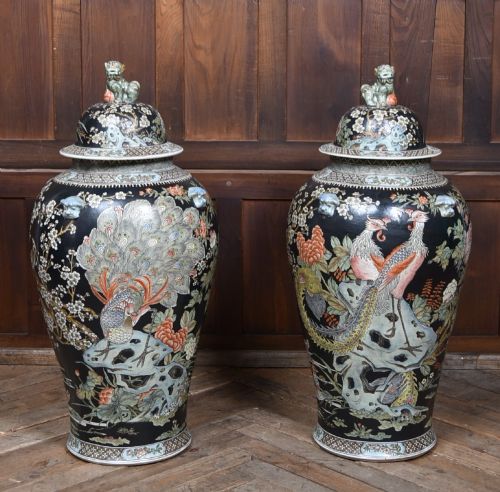
Antique chinese urns bring decorative presence to a room, appearing here in forms from the Ming and Qing dynasties.

What antique chinese urns are
Antique chinese urns encompass baluster vases and related vessels originating from the Ming and Qing dynasties through the Victorian era.
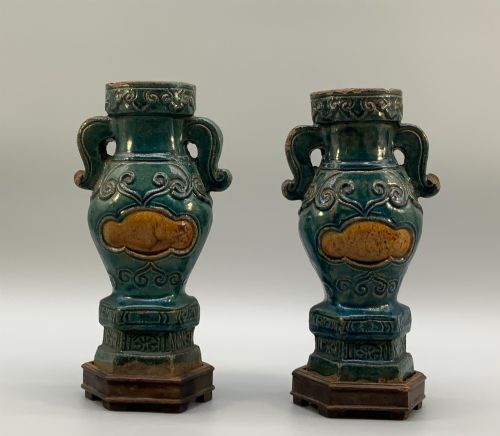
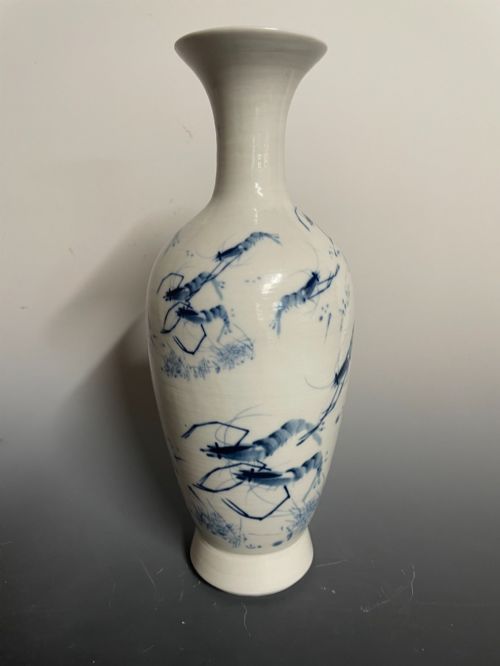
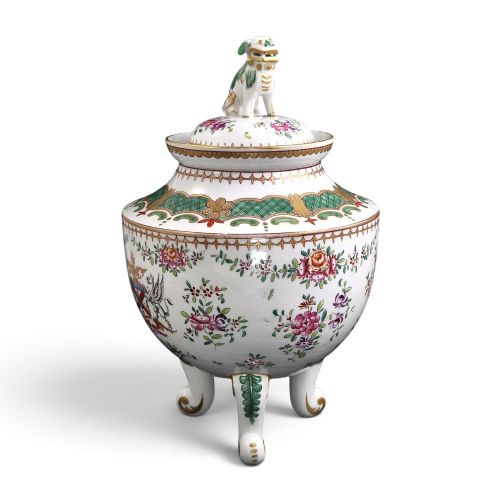
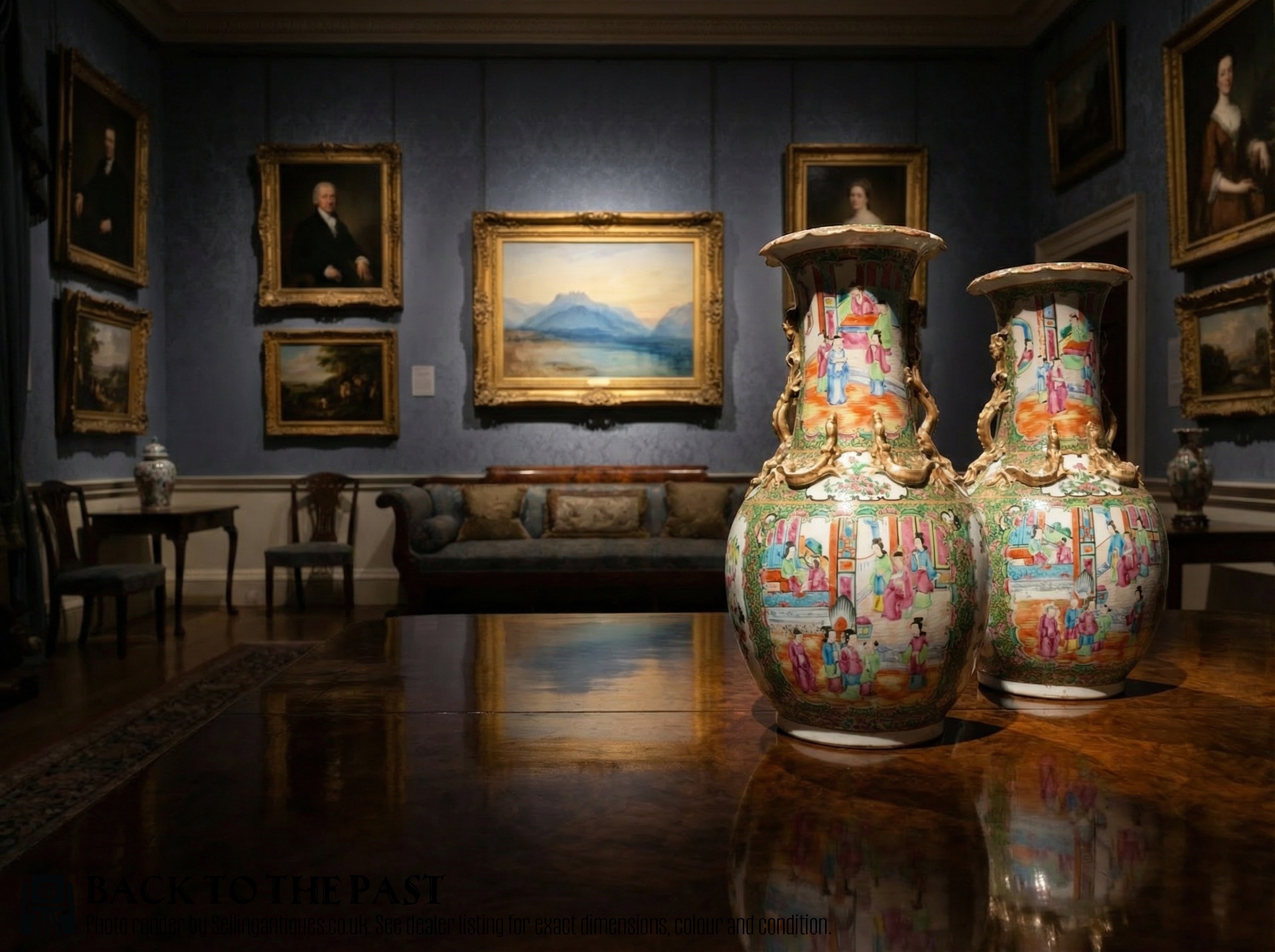
The pieces on this page include turquoise and amber vases alongside hand-painted famille rose and rose medallion examples.
Vessels are frequently offered as pairs, dating from the seventeenth century up to eighteen ninety.
How they were made
Construction relies on porcelain and earthenware bodies finished with enamel, lead glaze, and gilt detailing.
Decoration involves hand-painted techniques incorporating gold leaf across various export and domestic styles.
Retail Price Guide 2026
Typical UK retail prices for chinese urns, calculated from the Sellingantiques database of over a million retail prices indexed since 2003. This retail price guide relies exclusively on Sellingantiques data; no external sources or auction records are used, so the figures do not describe the wider market.
Current listings feature porcelain and earthenware materials decorated with enamel, lead glaze, and gold leaf.
What varies in quality
Quality separates through the precision of hand-painted detail on famille rose and rose medallion surfaces.
The refinement of lead glaze application and the intact preservation of gold leaf distinguish finer examples.
The Antique Chinese Urns Glossary
- Ming Dynasty
- An imperial period spanning from fourteen hundred and thirty-six to sixteen hundred and forty-four. Pieces from this era often show early turquoise and amber glazes.
- Qing Dynasty
- The final imperial dynasty of China, lasting from sixteen hundred and forty-four to nineteen hundred and twelve. This era produced rich famille rose and famille verte palettes.
- Baluster
- A vase form characterised by a bulbous lower portion tapering to a narrow neck. This shape appears frequently in nineteenth-century decorative porcelain.
- Rose Medallion
- A distinct nineteenth-century Canton porcelain pattern featuring panels of figures and birds surrounded by floral motifs. It often includes extensive gilding.
- Famille Rose
- A palette of opaque enamels introduced during the Qing dynasty, dominated by pink or rose colours. Artists used these pigments for detailed hand-painted scenes.
Frequently Asked Questions
What are antique chinese urns?
These pieces are decorative porcelain and earthenware vessels, primarily vases created during the Ming and Qing dynasties.
They encompass hand-painted export wares and traditional forms designed for display.
How were they used?
Vessels served as decorative objects within elite interiors, often displayed in pairs on mantelpieces or tables.
Export pieces also catered to Western collectors seeking refined oriental aesthetics.
How do I date an urn?
Dating relies on stylistic markers such as the specific enamel palettes of the Qing dynasty or earlier Ming glaze colours.
Historical references like Victorian documentation also help establish the period of manufacture.
What is rose medallion?
Rose medallion is a nineteenth-century Canton style defined by segmented panels filled with figures and flowers.
These designs utilise bright enamels and gold leaf to create a vibrant visual texture.