

Antique Oriental Ceramics
Antique oriental ceramics bring centuries of kiln mastery into your rooms, offering lasting forms in porcelain and earthenware.
What antique oriental ceramics are
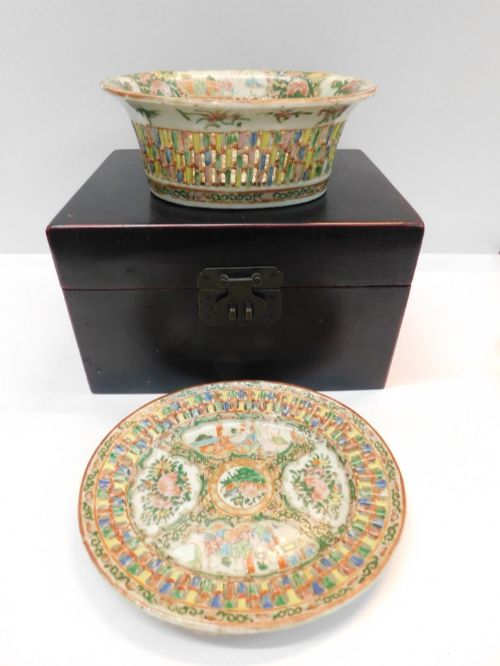
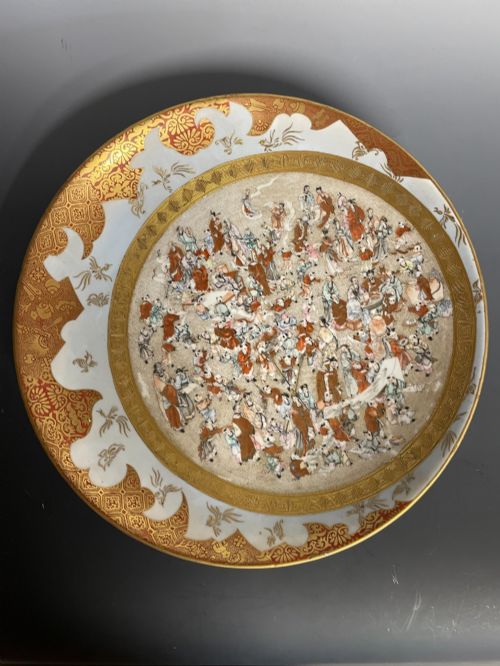
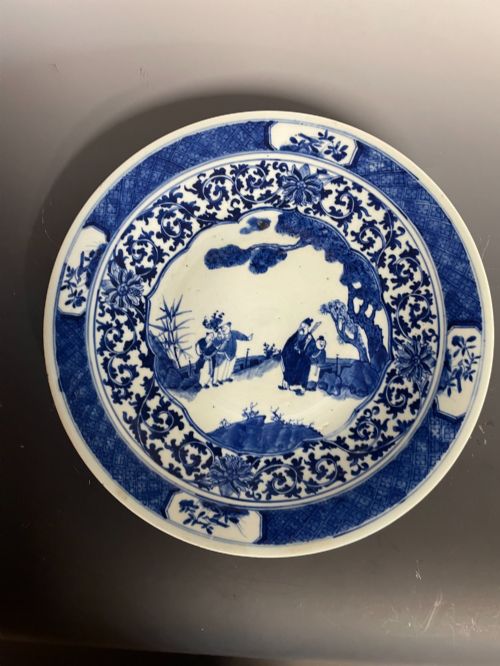
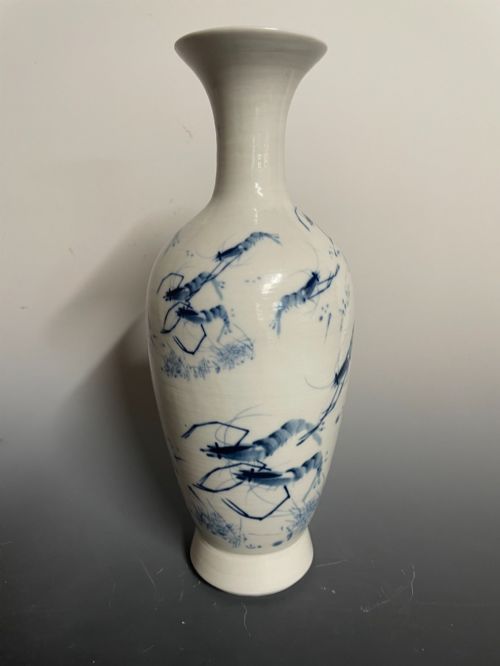
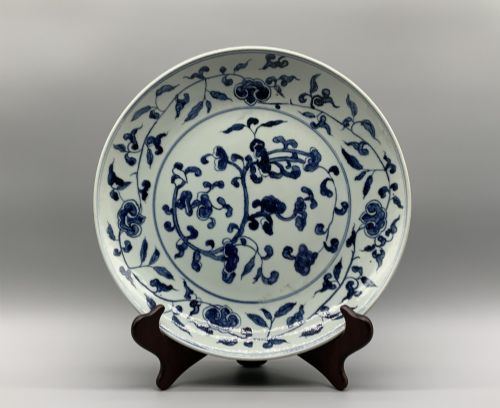
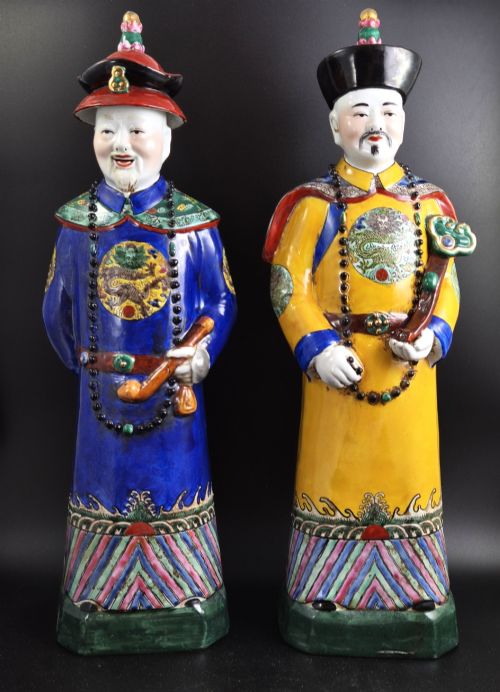
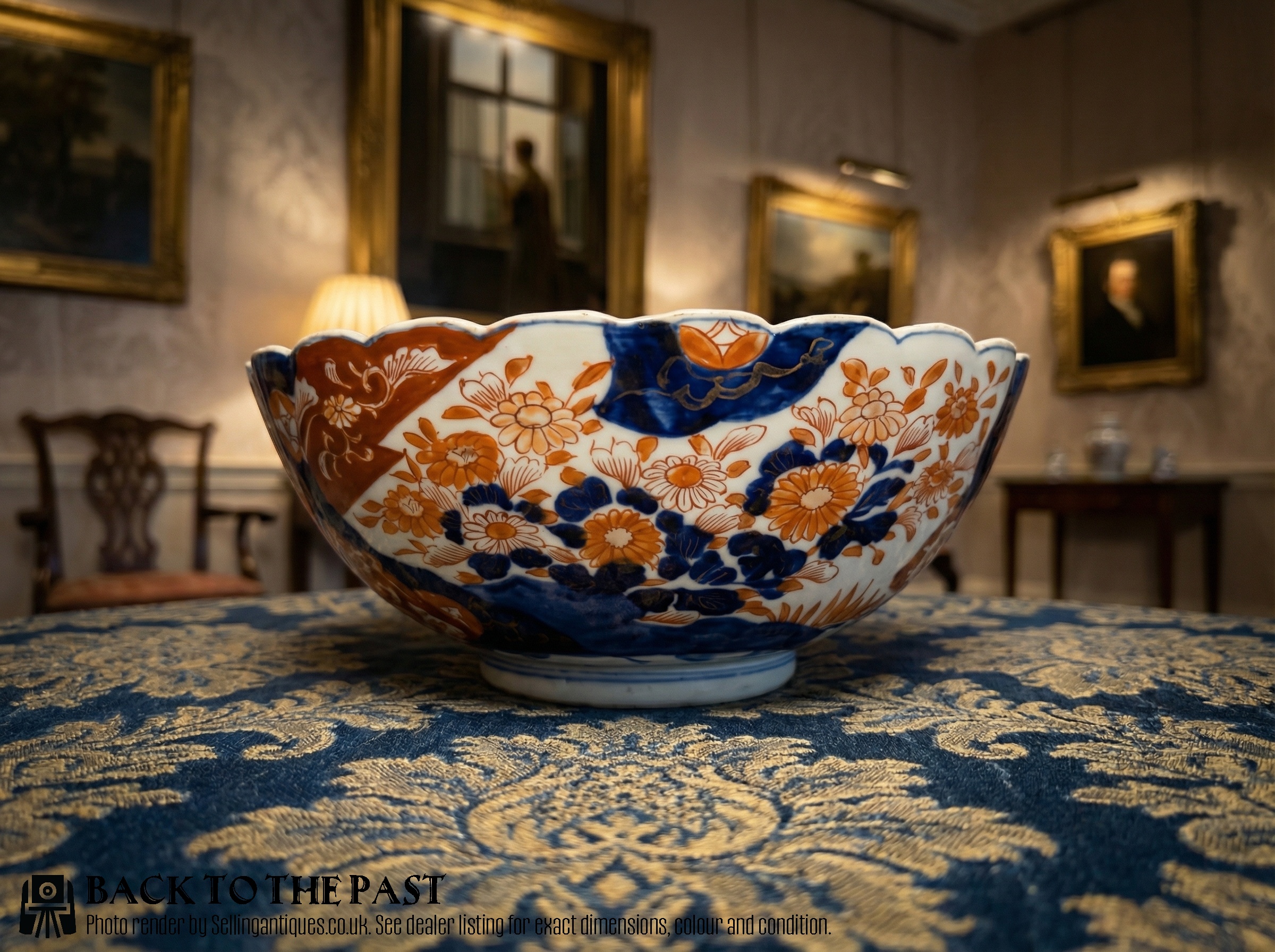
Antique oriental ceramics span from the Ming Dynasty through the Qing Dynasty to the Meiji period, taking forms such as vases, bowls, plates, and chargers. These pieces reflect long traditions of eastern potting, shaped for daily use or display.
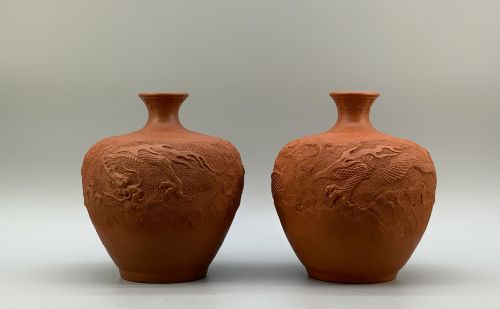
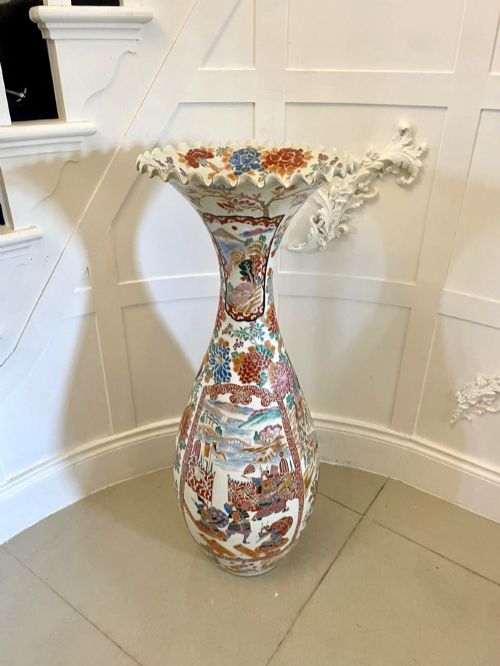
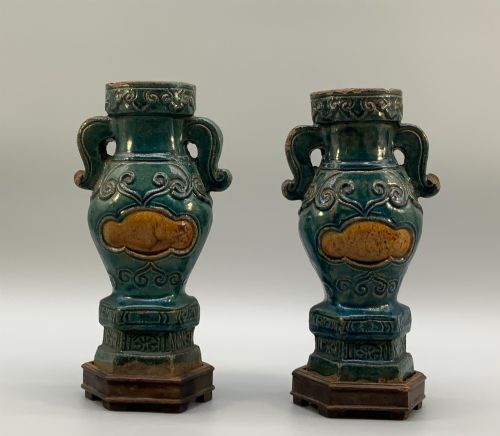
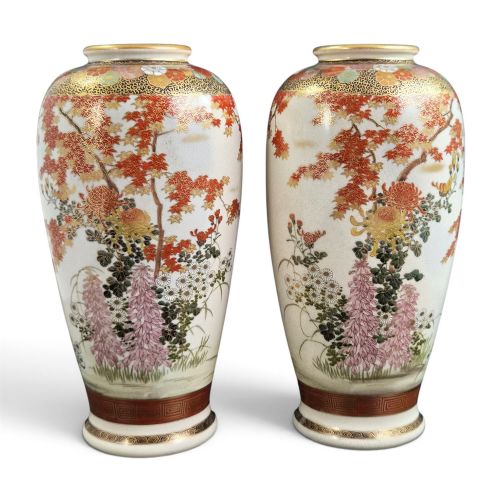
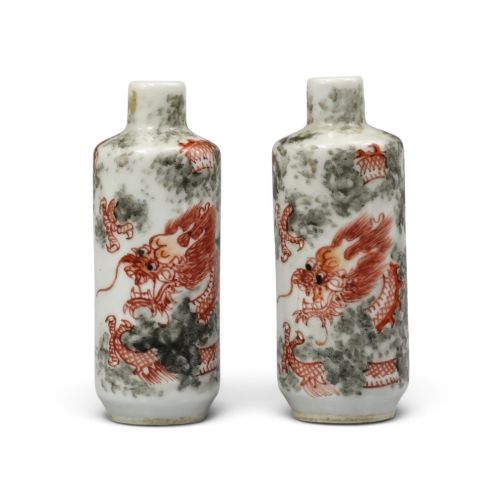
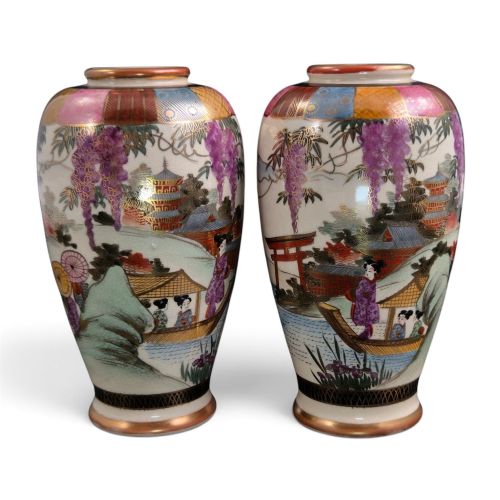
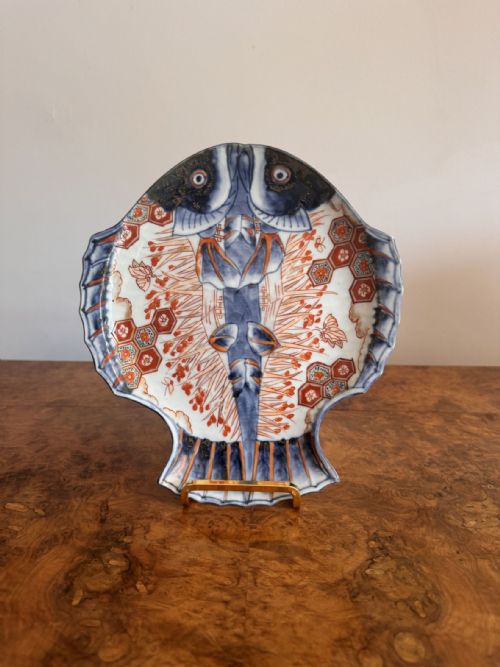
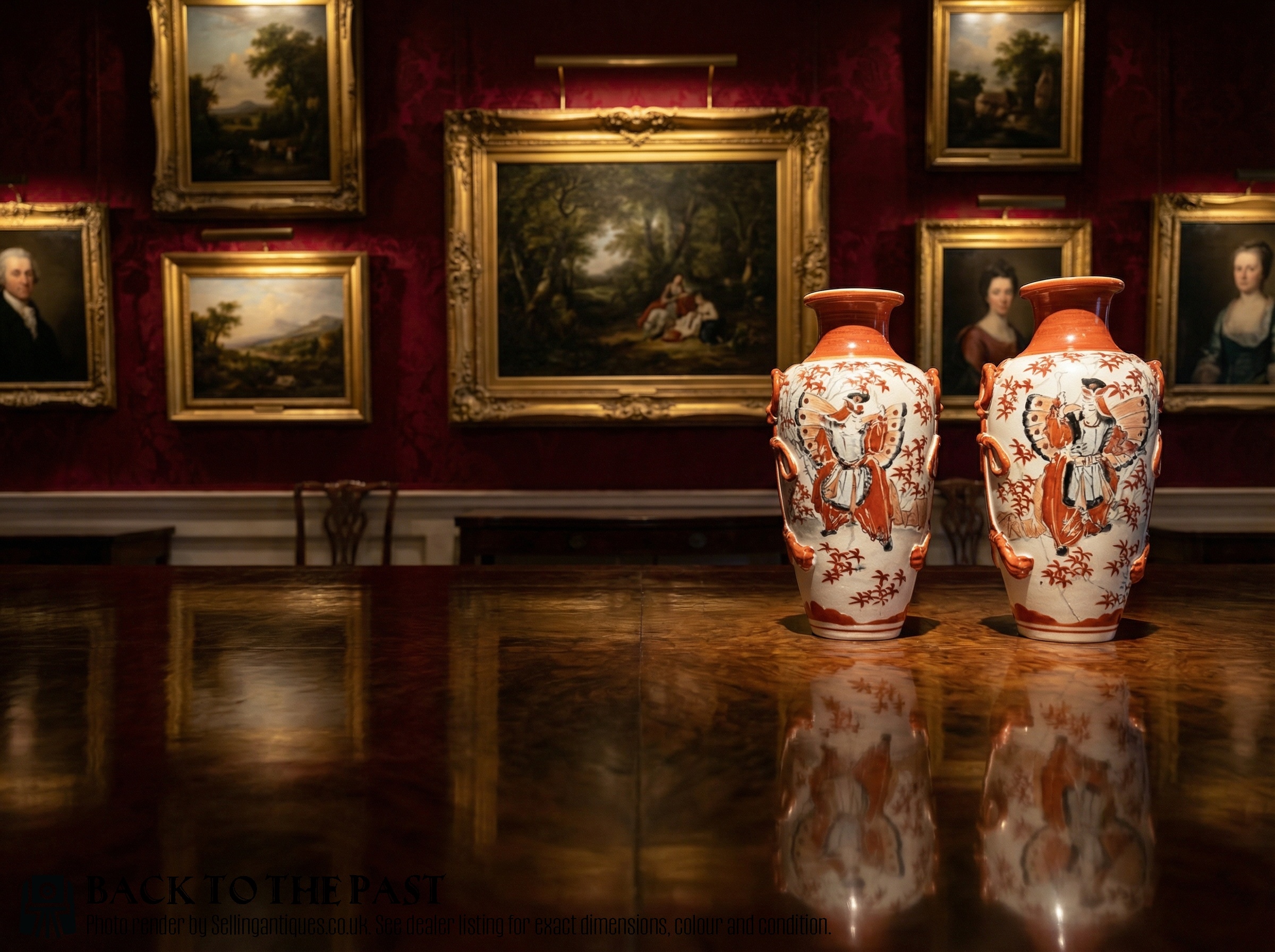
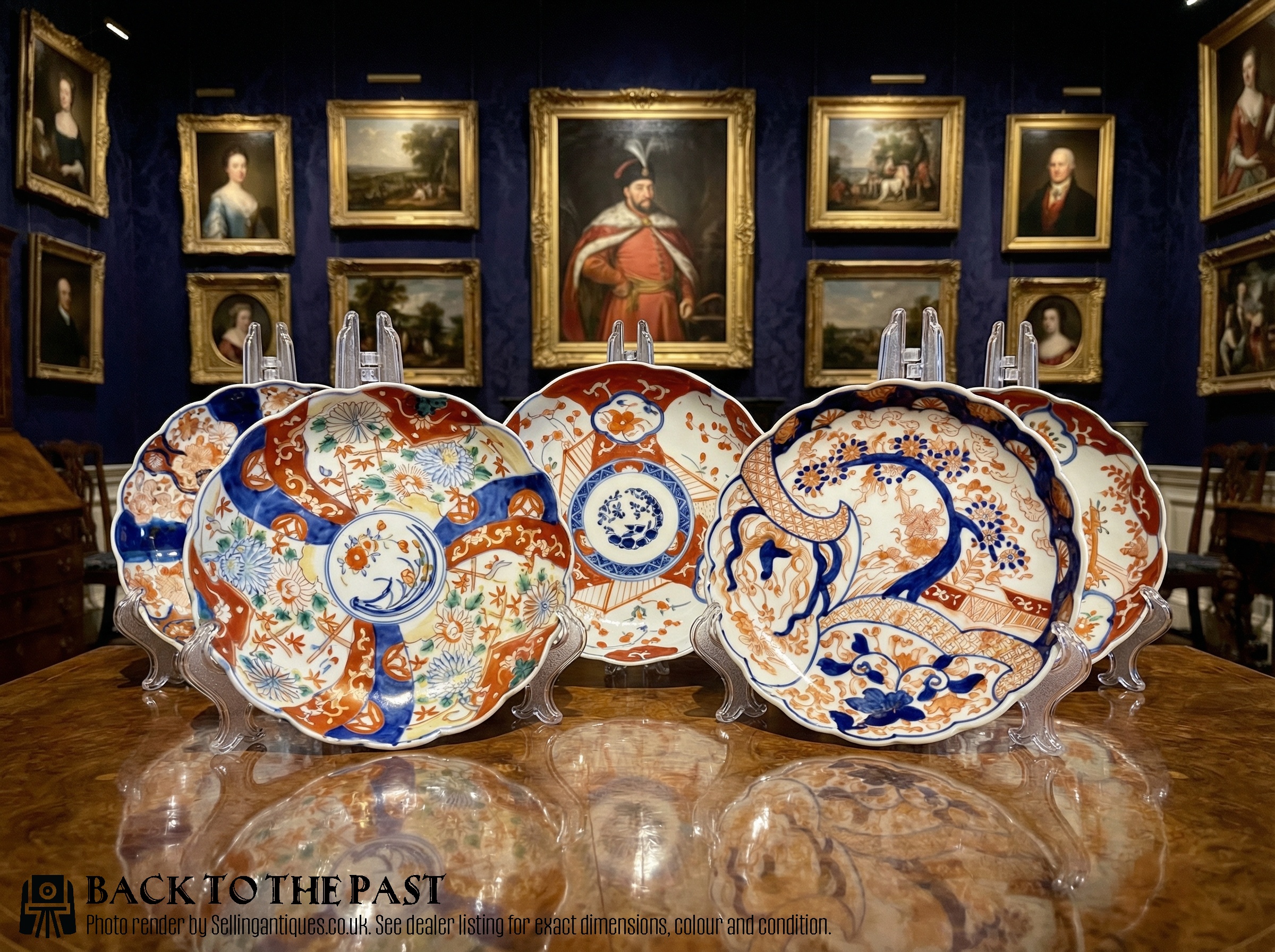
You will most frequently encounter Japanese Imari chargers and plates from the 1900 period, alongside Chinese turquoise and amber vases from the 17th century. Satsuma vases and tea dust glaze globular vases also appear among these selections.
The objects range from modest decorative dishes to pairs of globular vases, demonstrating the variety of decorative ceramics produced across centuries in China and Japan.
How they were made
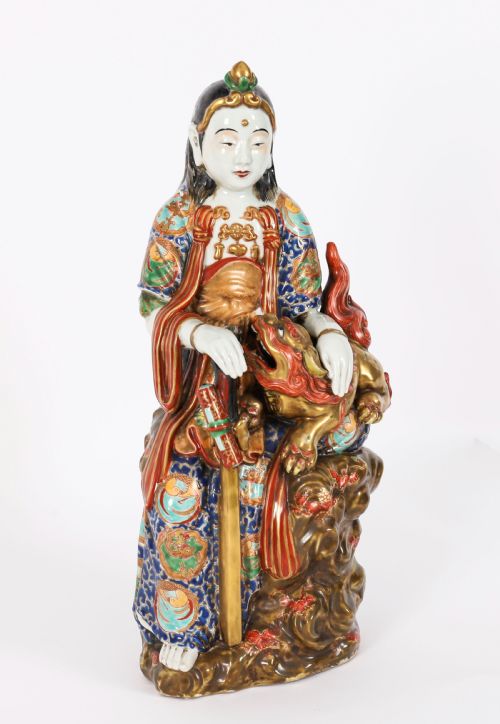
Potters shaped these objects in ceramic, porcelain, and earthenware, applying complex glaze formulations including lead glaze, enamel, and tea dust glaze. Many pieces also feature gilt highlights applied over the fired body.
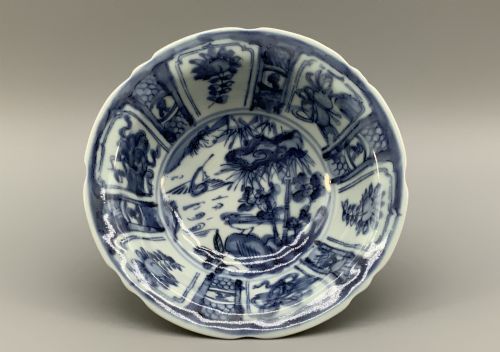
The 17th-century Ming pieces utilise striking turquoise and amber glazes, whilst later 1900 Japanese Imari works employ blue and white designs. Firing required precise temperature control in traditional kilns to achieve these durable surfaces.
Retail Price Guide 2026
Typical UK retail prices for oriental ceramics, calculated from the Sellingantiques database of over a million retail prices indexed since 2003. This retail price guide relies exclusively on Sellingantiques data; no external sources or auction records are used, so the figures do not describe the wider market.
Listings feature porcelain, earthenware, and ceramic pieces finished with lead glaze, enamel, and tea dust glaze.
What varies in quality
Quality rests in the precision of the glaze work and the crispness of the forms, whether in the cobalt control of an Imari plate or the depth of a tea dust glaze on a Qing vase. Early Ming examples derive their distinction from the rarity of their turquoise and amber colouration.
Pairs display superior consistency in matching scale, glaze tone, and painted detail, elevating their standing compared to single items. The refinement of the base ceramic body and the stability of the glaze define the upper tier of these pieces.
The Antique Oriental Ceramics Glossary
- Imari
- A style of Japanese porcelain featuring characteristically rich blue and white decoration, often augmented with iron red and gilt. This aesthetic developed during the Edo period and proved popular for export.
- Glaze
- A glassy coating fused to ceramic body through firing, providing colour, pattern, and waterproofing. Types include lead glaze and tea dust glaze.
- Charger
- A large decorative plate intended primarily for display on a wall or sideboard rather than dining use. These large surfaces showcase intricate painting.
- Porcelain
- A hard, fine-grained ceramic fired at high temperatures until vitrified and translucent. It forms the basis of many fine eastern vessels.
Frequently Asked Questions
How do I display chargers?
Decorative chargers work well on sturdy plate stands or mounted securely on walls where their painted surfaces catch the light.
Keep them away from direct sunlight and high traffic areas to protect the glaze and enamel.
What is Imari ware?
Imari ware is Japanese porcelain traditionally decorated in underglaze blue and contrasting overglaze colours.
These pieces were heavily exported to Europe and remain recognisable by their vibrant palettes.
How are these cleaned?
Dust these ceramics gently with a dry, soft cloth to remove surface particles without abrasive contact.
Avoid liquid cleaners and submerging antique pieces, particularly those with delicate gilt or enamelled details.
Can vases hold water?
Many antique vases serve strictly decorative purposes and may have hairline fractures or porous bodies from early firing methods.
It is safer to use glass inserts inside antique vessels if you wish to display fresh flowers.