







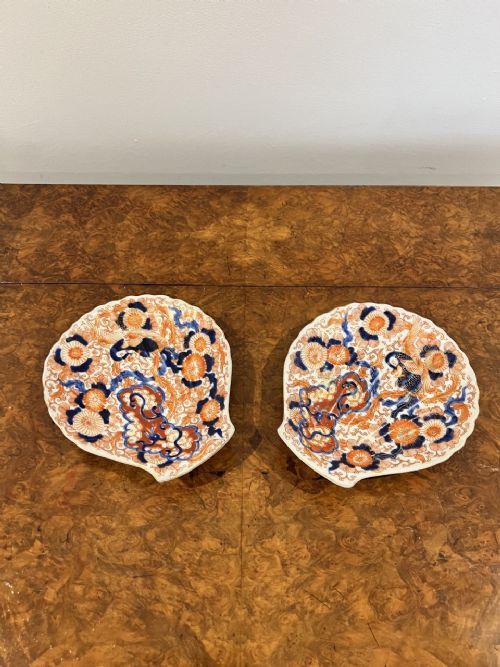
Imari Ceramic Dish
An imari ceramic dish is a striking piece defined by its traditional palette, bringing vibrant colour and intricate patterns to any room.

What They Are
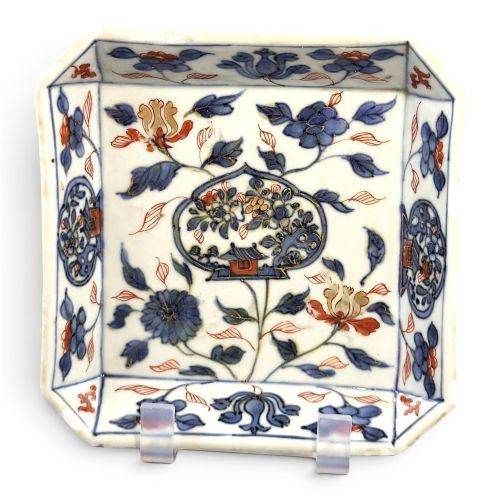
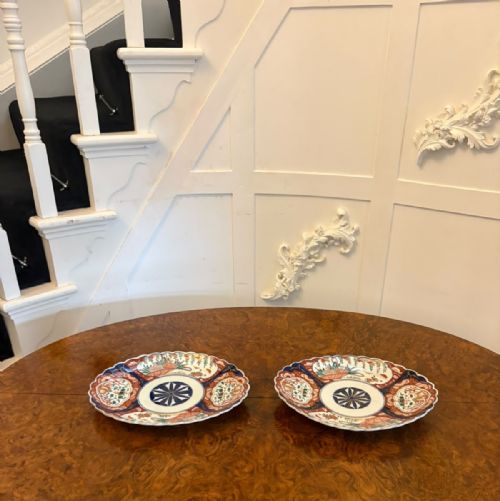
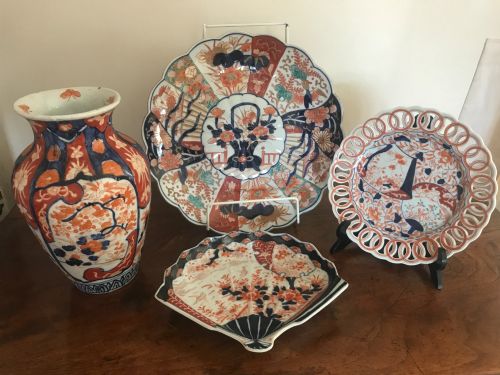
When you search for an imari ceramic dish, you encounter a distinct cross-section of ceramic history spanning the eighteenth, nineteenth, and early twentieth centuries. These pieces encompass decorative plates, chargers, wall plates, and decorative dishes originating from Japanese workshops, Chinese kilns, and English factories.
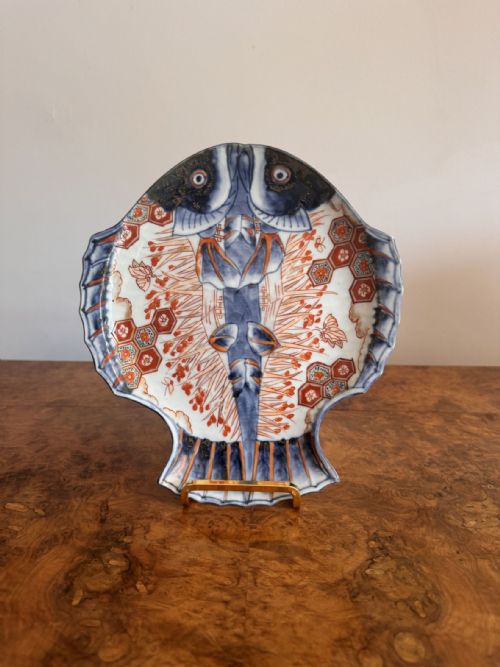
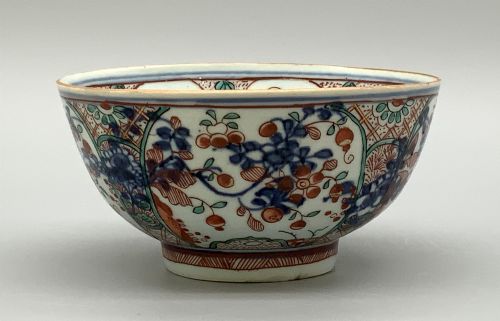
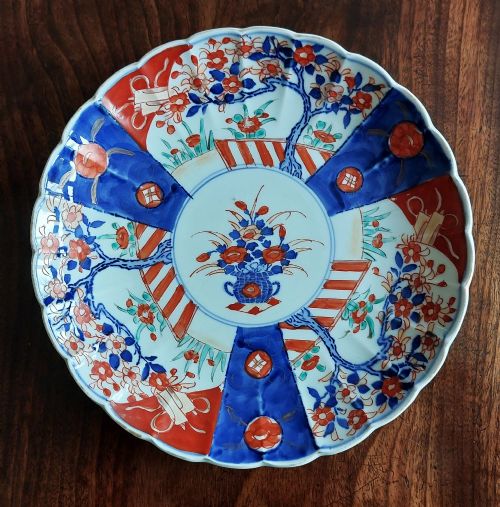
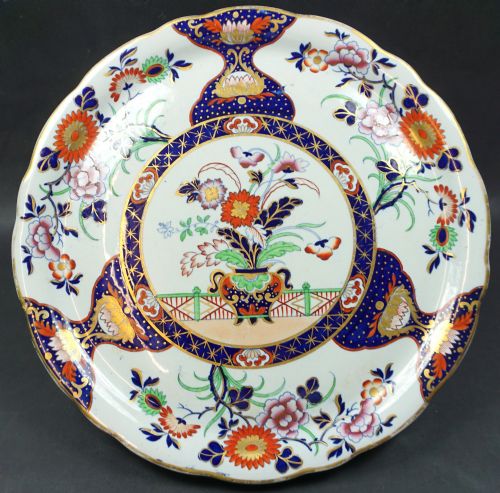
The pieces on this page most commonly appear as Japanese Imari chargers and plates from around nineteen hundred, alongside nineteenth-century English ironstone interpretations and eighteenth-century Chinese export wares. Forms range from traditional circular chargers with scalloped edges to unusual shaped plates adapted for display.
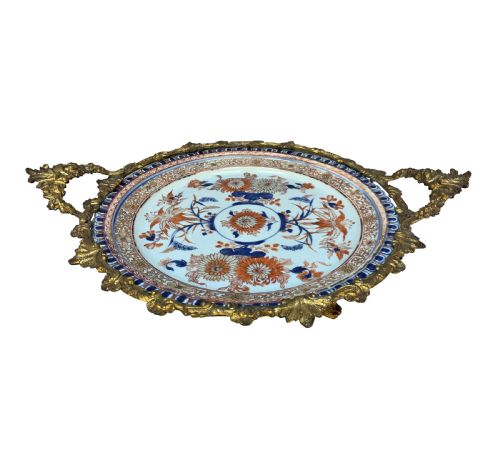
Stylistic influences vary significantly across these periods and origins, drawing on Japanese Imari traditions, Qing dynasty aesthetics, and French Rococo mounts. Ormolu and gilt bronze mounts occasionally frame these porcelain and ironstone surfaces, elevating functional ceramics into decorative art objects.
How They Were Made
Potters shaped these objects from fine porcelain and robust ironstone, applying glaze and enamel to create resilient, glossy surfaces. Kiln firing fixed the foundational cobalt blue underglaze before additional overglaze colours were added.
Makers embellished the decorated surfaces with gold leaf, gilt, and intricate gilt bronze or ormolu mounts. These metal additions were custom-fitted to secure and display porcelain plates within decorative schemes.
Retail Price Guide 2026
Typical UK retail prices for imari ceramic dish, calculated from the Sellingantiques database of over a million retail prices indexed since 2003. This retail price guide relies exclusively on Sellingantiques data; no external sources or auction records are used, so the figures do not describe the wider market.
Listings feature porcelain, ironstone, enamel, and ormolu spanning the eighteenth and nineteenth centuries.
What Varies in Quality
Excellence in these ceramics rests upon the crispness of the underglaze painting and the richness of the enamel and gold leaf application. Finer pieces demonstrate precise brushwork and balanced compositions that integrate harmoniously across the scalloped or circular edges.
The integration of metalwork dictates distinction at the upper end of the scale, particularly where ormolu mounts are cast and chased with fluency. The weight of the porcelain body and the depth of the glaze also separate standard production wares from superior examples.
John Davenport of Longport
The Imari Ceramic Dish Glossary
- Imari
- A style of ceramic decoration originating in Japan, characterised by a distinctive palette of cobalt blue, iron red, and gold. This aesthetic was widely emulated by Chinese and European potteries.
- Charger
- A large decorative plate traditionally used for ceremonial display rather than dining. These substantial pieces frequently feature prominent hanging rims or fitted mounts.
- Ironstone
- A dense, durable type of earthenware developed in nineteenth-century England to imitate porcelain. It provided a robust alternative for transfer-printed and hand-painted patterns.
- Ormolu
- Gilded bronze used for decorative mounts on furniture and ceramics. It added structural framing and ornate detailing to eighteenth-century and later luxury items.
- Enamel
- Vitreous coloured glass fused to the ceramic surface during secondary low-temperature firings. It provides the vivid reds and greens characteristic of traditional painted designs.
Frequently Asked Questions
How do I display an imari ceramic dish?
Larger chargers and wall plates suit wall hanging using secure brass spring clips designed for heavy ceramics. Smaller plates look best displayed on plate stands within cabinets or on mantelpieces.
Avoid placement in direct sunlight to protect the enamel colours and gold leaf over time.
Are these dishes meant for daily use?
Antique imari ceramic dishes function primarily as decorative objects rather than tableware. The delicate enamel decoration and gold leaf gilding can wear away with frequent washing and heavy use.
Gentle dusting with a dry cloth keeps the glazed surfaces clean without risking damage to the antique materials.
How do I tell Japanese imari from English ironstone?
Japanese pieces utilise fine porcelain bodies that often show translucent qualities under bright light. English ironstone feels heavier, thicker, and more opaque.
Decoration styles and factory marks on the reverse also help distinguish between Asian export wares and nineteenth-century European copies.
What periods do these ceramic dishes come from?
The listings span from the mid-eighteenth century through the nineteenth century up to nineteen hundred. Eighteenth-century examples include Chinese export porcelain made in the Qing dynasty style.
Later pieces reflect Victorian production methods in England and the Meiji period in Japan.