






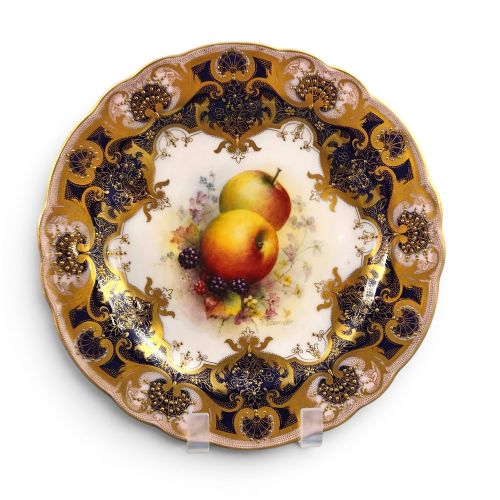
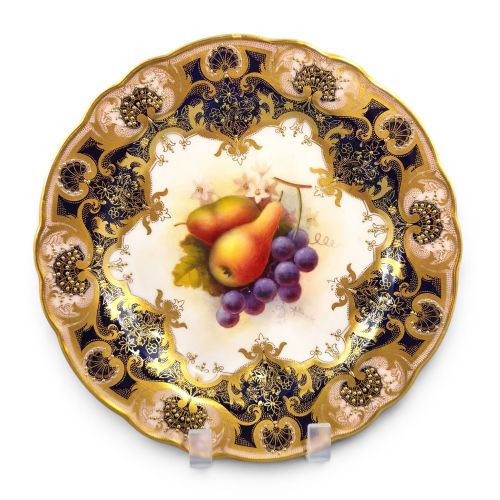
Hand Painted Porcelain Charger
These hand painted porcelain charger selections bring grand scale and meticulous brushwork into domestic spaces, offering broad decorative surfaces filled with historical pigment.
Hand Painted Porcelain Charger
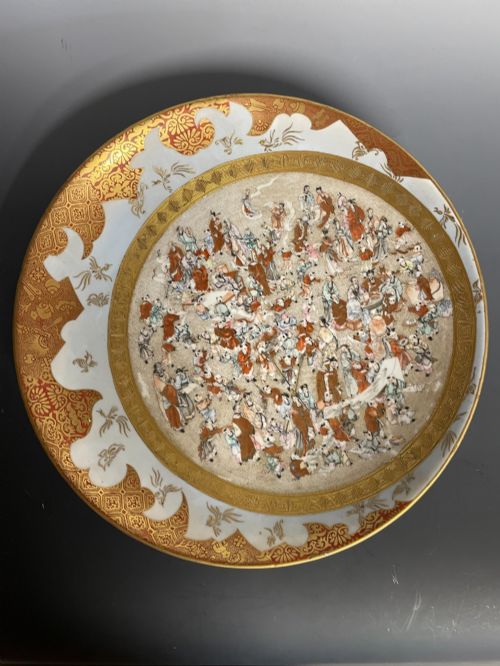
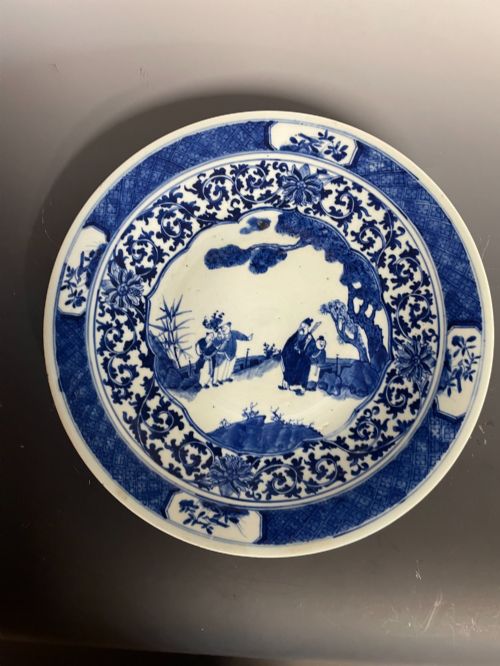
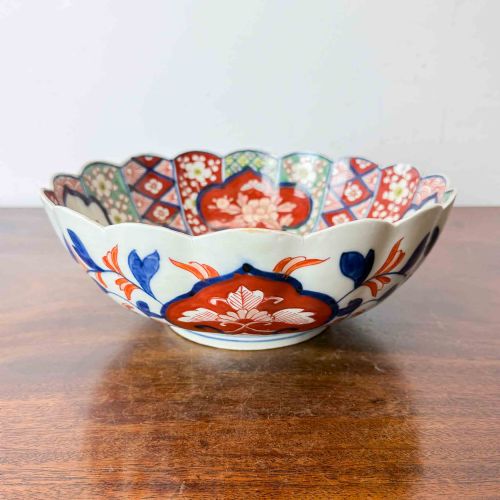
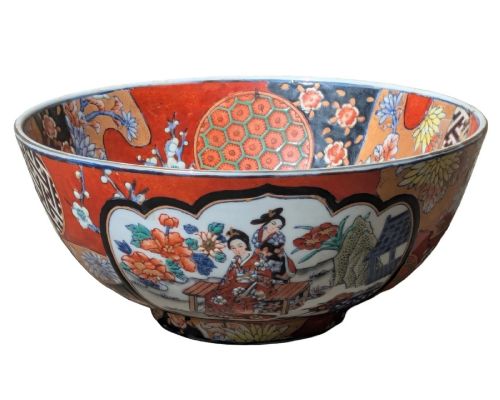
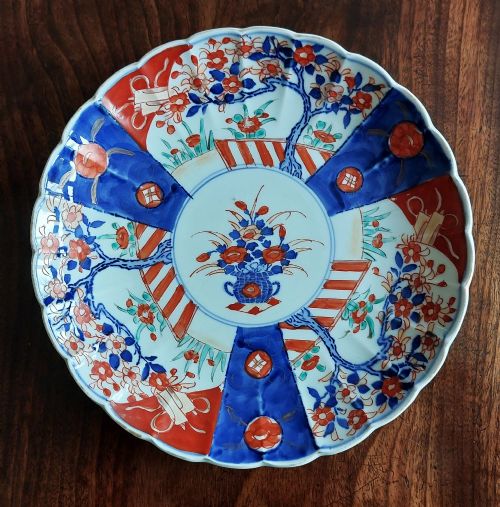
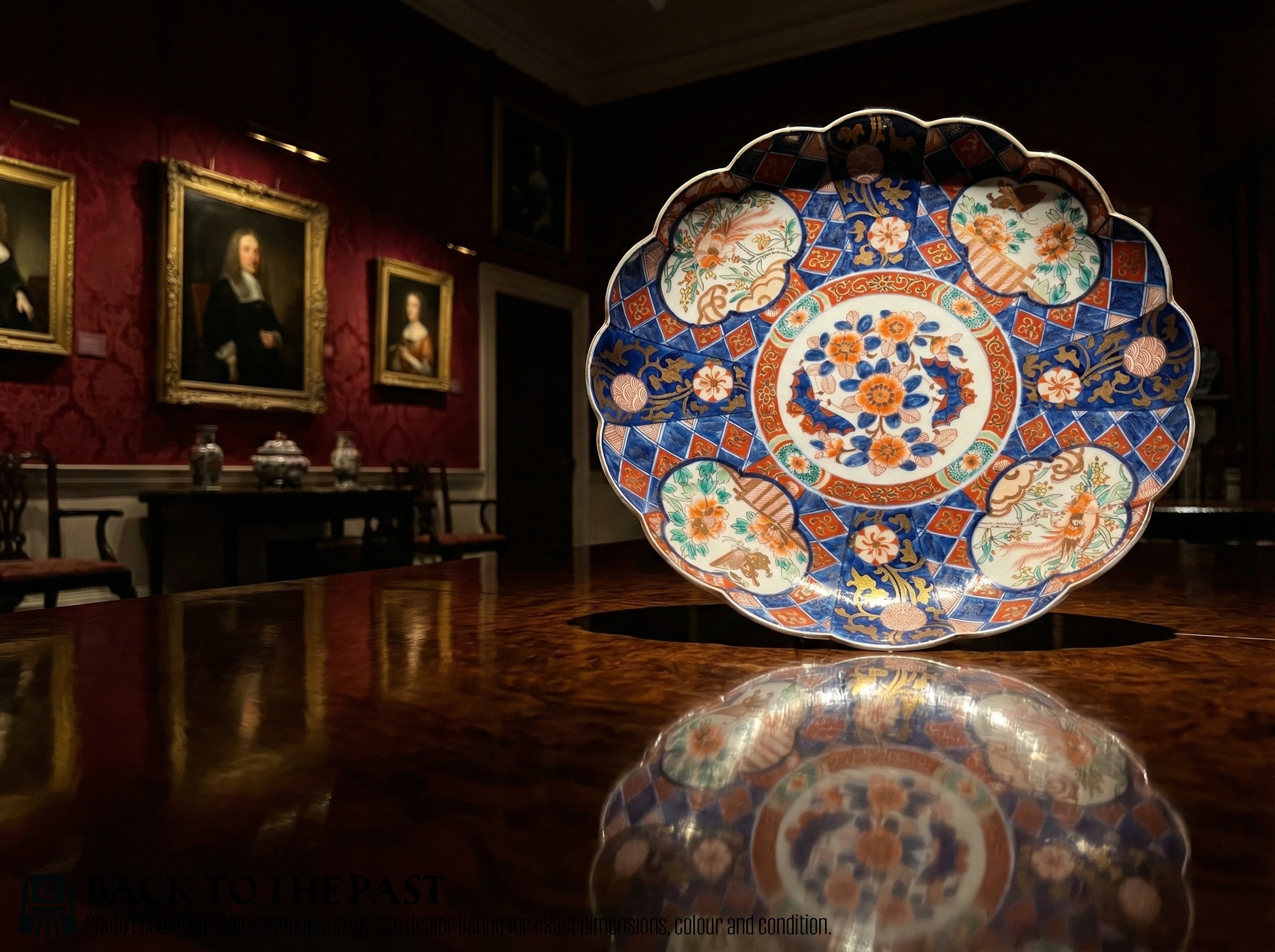
When you search for a hand painted porcelain charger, you encounter broad display platters and cabinet plates created to hang on walls or rest upon buffets. The selection contains everything from large Japanese Imari chargers of the Meiji period to eighteenth-century Chinese export wares and nineteenth-century European porcelain.
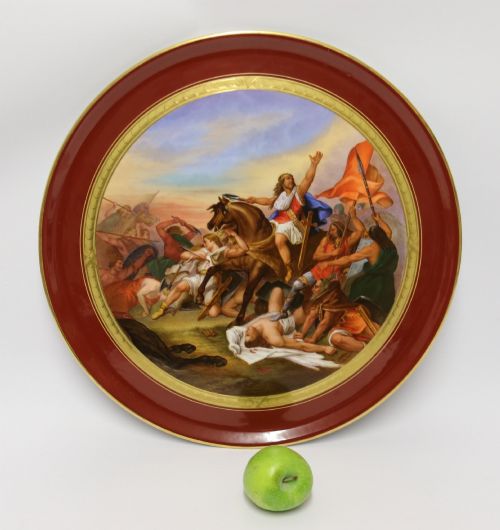
The common thread across these objects is a generous diameter designed specifically to showcase detailed pictorial scenes or complex repeating patterns. Many pieces originate from traditional export hubs in Asia, while others stem from European factories producing decorative cabinet wares.
You will frequently find Japanese Imari designs alongside Chinese Famille Rose pieces and European factory output from French and English makers. These large plates and bowls serve primarily as visual anchors within a room rather than functional tableware.
How they were made
Makers shaped hard-paste or soft-paste porcelain before applying cobalt underglaze, enamel pigments, and gold leaf by hand. Artisans then fired the pieces in kilns to fuse the metallic oxides and glaze layers into a hard, glossy finish.
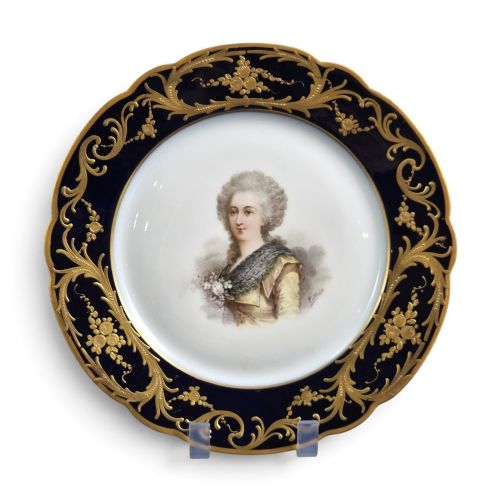
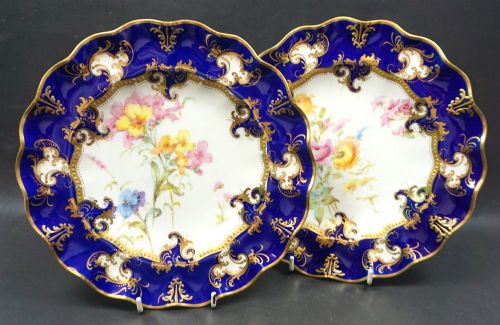
Many Japanese and Chinese examples utilise cobalt underglaze combined with overglaze enamel painting, while European factories often applied intricate gilding and hand-painted portraiture. The interaction between the vitreous glaze and the applied pigments creates depth across the surface of each charger.
Hand Painted Porcelain Charger Retail Price Guide 2026
Typical asking prices for hand painted porcelain charger among the pieces listed under this phrase on Sellingantiques today, from the lower quarter to the upper quarter. They describe what is for sale here now, not the wider market.
Some chargers depict fierce mythical beasts alongside delicate cherry blossoms, proving that ancient porcelain painters enjoyed mixing supreme terror with utmost charm.
What varies in quality
The distinction between ordinary and exceptional pieces lies in the precision and density of the brushwork across the broad surface. Superior examples display confident, varied linework and a harmonious balance of enamel and gold leaf.
The clarity of the porcelain body and the richness of the glaze firing also separate standard production from masterwork output. Pieces with crisp detailing in the painted motifs and clean kiln surfaces demonstrate higher artisan skill.
Royal Worcester·Royal Crown Derby·Koshida·John Davenport of Longport·Royal Bonn
The Hand Painted Porcelain Charger Glossary
- Charger
- A large ornamental plate, typically exceeding standard dinner service dimensions, intended for display. These broad vessels provide an expansive canvas for painted decoration.
- Imari
- A traditional Japanese style of porcelain featuring a palette of cobalt blue, iron red, and gold. This decorative scheme became widely exported to Europe during the eighteenth and nineteenth centuries.
- Famille Rose
- A major palette of Chinese ceramic glazes introduced in the eighteenth century, dominated by opaque pink or rose enamel. The style allows for subtle shading and intricate floral or figural compositions.
- Cabinet plate
- A smaller decorative plate produced specifically for display in a cabinet or on a wall rather than for dining use. These pieces often feature portraits, armorial crests, or hand-painted botanical scenes.
- Underglaze
- Pigment applied to the ceramic body before the glaze is laid down and fired. This technique protects the painted design beneath a glassy layer.
Hand Painted Porcelain Charger: Frequently Asked Questions
How were porcelain chargers displayed?
Historically, large chargers sat upright on buffets or hung upon walls using specialised wire hangers to showcase their broad painted surfaces. They functioned as ornamental centrepieces within wealthy dining rooms and drawing rooms.
In modern interiors, these pieces continue to serve as wall art or focal points on sideboards. Their generous scale allows them to stand alone without additional ornamentation.
What is the difference between an Imari charger and a standard plate?
Imari chargers are defined by their distinct palette of iron red, cobalt blue, and gilt detailing, usually arranged in dense geometric and floral panels. Standard plates often feature entirely different decorative schemes, such as botanical illustrations or European portraiture.
Furthermore, chargers possess a significantly larger diameter than typical dining plates. This extra space allowed Japanese and European artisans to execute more complex, layered compositions.
Can these chargers be used for serving food?
While these pieces are technically ceramic, most antique chargers are intended purely for decorative display. The overglaze enamels and gold leaf applied to nineteenth-century and earlier pieces can wear away with frequent use and washing.
Exposing old glazes to acidic foods or cutlery risks damaging the delicate hand-painted surfaces. Collectors generally prefer to keep them off dining tables entirely.
How do I distinguish eighteenth-century pieces from later copies?
Eighteenth-century pieces typically exhibit distinct potting characteristics, such as foot rims with kiln grit adhesion and slight asymmetries in the porcelain body. The hand-mixed pigments used in periods like the Qianlong era also display specific chemical reactions under magnification.
Later nineteenth-century revival pieces often have whiter, more uniform porcelain bodies and mechanical precision in repetitive borders. Examining the base and the weight of the ceramic provides vital clues regarding its true age.