





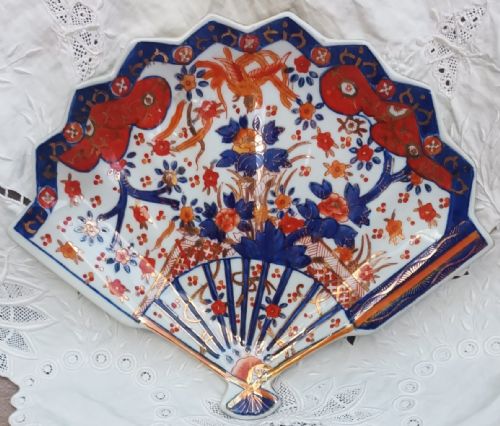
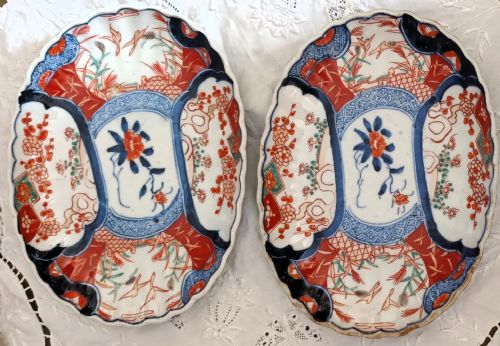
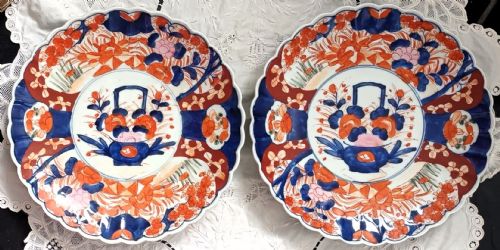
Iron Red Porcelain Dish
An iron red porcelain dish brings together bright pigments and durable ceramic, offering a decorative surface that has drawn collectors across centuries.

Iron Red Porcelain Dish
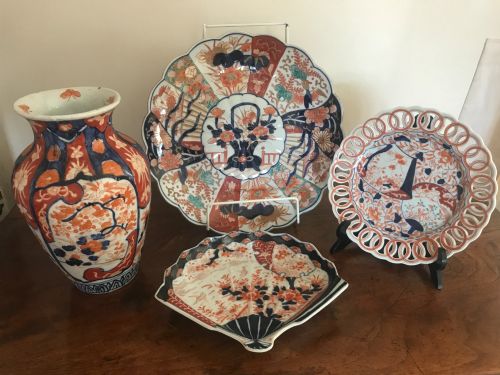
When you search for an iron red porcelain dish, you encounter a range of forms spanning decorative plates, chargers, bowls, and trays. These items originate from periods such as the eighteenth and nineteenth centuries, alongside early twentieth-century examples.
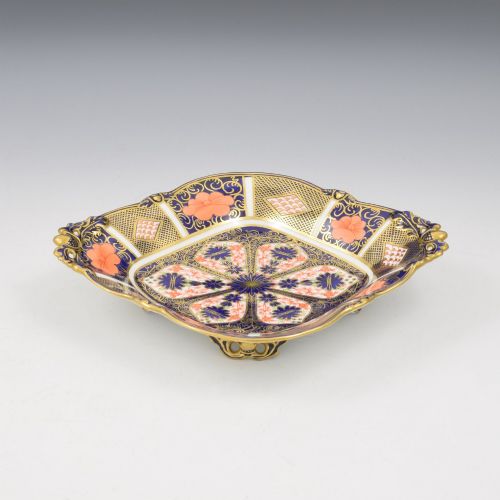
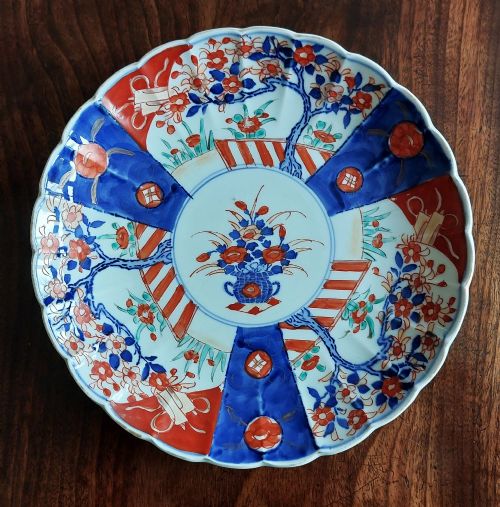
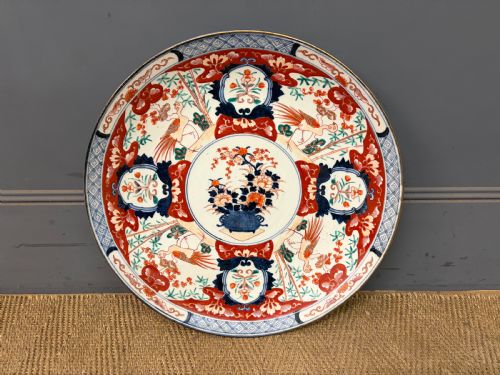
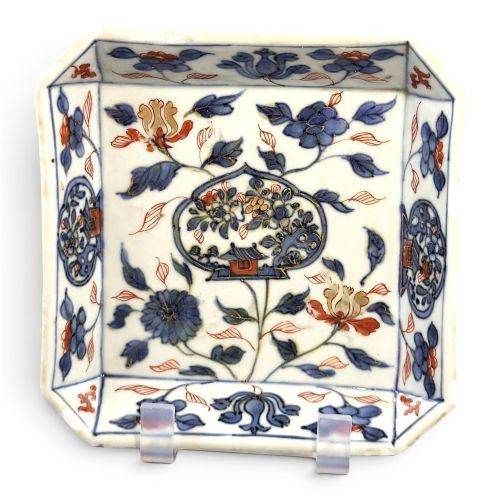
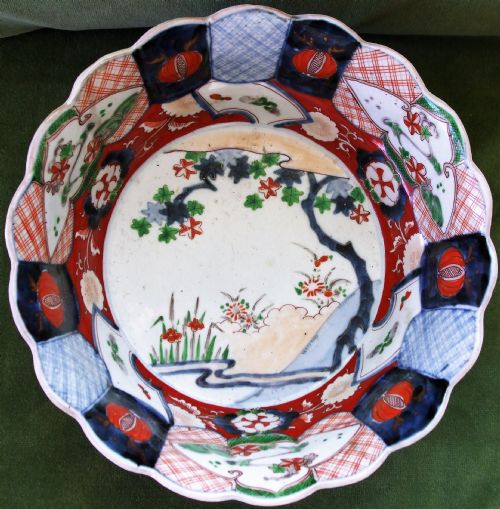
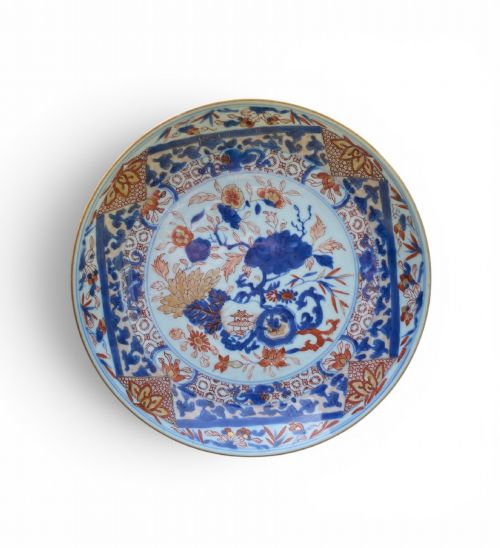
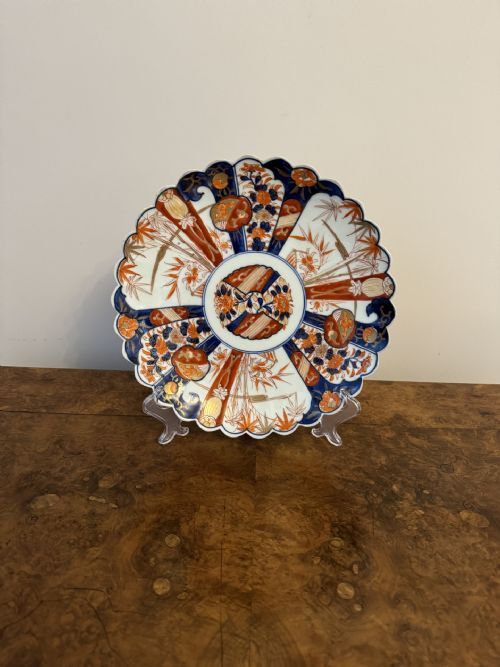
The selection on this page leans heavily toward Japanese Imari styles from the Meiji period and Edo era, alongside Chinese export pieces including Kangxi and Qing dynasty works, plus English interpretations like Royal Crown Derby.
Objects appear in various shapes, including scalloped edges, hexagonal formats, and chamfered squares, designed primarily for display or serving.

How they were made
Maker operations utilised porcelain and ceramic bodies finished with glaze, enamel, and cobalt underglaze to build foundational surfaces. Artisans then applied iron red pigments alongside gold leaf, gilt, and gilding for rich colour contrast.
Hand painting governed the production process, rendering detailed floral, bird, and figural compositions directly onto the ceramic before final firing.
Iron Red Porcelain Dish Retail Price Guide 2026
Typical asking prices for iron red porcelain dish among the pieces listed under this phrase on Sellingantiques today, from the lower quarter to the upper quarter. They describe what is for sale here now, not the wider market.
Listings feature porcelain forms spanning the eighteenth, nineteenth, and early twentieth centuries, incorporating Japanese Imari and Chinese export traditions.
What varies in quality
The standard of an iron red porcelain dish depends on the precision of the hand-painted brushwork and the clarity of the iron red and gilt pigments against the white ceramic ground. Superior examples display crisp definition in motifs such as exotic birds or floral arrangements.
Form complexity also dictates distinction, where unusual shapes like hexagonal plates or scalloped edges require greater technical skill from the potter than standard rounds.
The Iron Red Porcelain Dish Glossary
- Iron red
- A brick-red iron-oxide pigment used in overglaze ceramic decoration. It provides the dominant warm red hue seen across many Imari and Chinese export wares.
- Imari
- A style of Japanese porcelain featuring a distinctive palette of iron red, cobalt blue, and gold. The tradition influenced subsequent European porcelain production.
- Meiji Period
- The era in Japanese history spanning from 1868 to 1912. Many decorative plates and chargers on the market originate from this prolific manufacturing time.
- Charger
- A large decorative plate intended for display rather than table service. These substantial pieces often showcase complex hand-painted scenes.
- Gilt
- A thin layer of gold applied to the ceramic surface. It highlights specific design elements alongside iron red enamel.
Iron Red Porcelain Dish: Frequently Asked Questions
Can I use these dishes for serving food?
Most antique decorative dishes are intended for display and light use rather than heavy daily dining. Historic overglaze paints and gilding can wear down with frequent washing and cutlery contact.
Reserve these pieces for decorative display or dry presentation to preserve their hand-painted surfaces.
How do I date an antique porcelain dish?
Examine the foot ring, glaze characteristics, and painting style to gather clues about the period. Chinese pieces often feature reign marks, while Japanese items frequently align with Meiji or Edo manufacturing techniques.
Compare the motifs and materials against documented examples from the same kiln traditions.
What is the difference between Imari and Chinese export porcelain?
Japanese Imari typically combines cobalt blue underglaze with iron red and gilt overglaze in dense, brocade-like patterns. Chinese export porcelain encompasses a broader range of styles made specifically for overseas markets, including Kangxi period designs.
Both traditions influenced each other significantly through global trade routes.