





Japanese Porcelain Bowl
These japanese porcelain bowl examples bring hand-painted artistry and centuries of kiln tradition straight to the table.
Understanding Japanese Porcelain Bowl Pieces
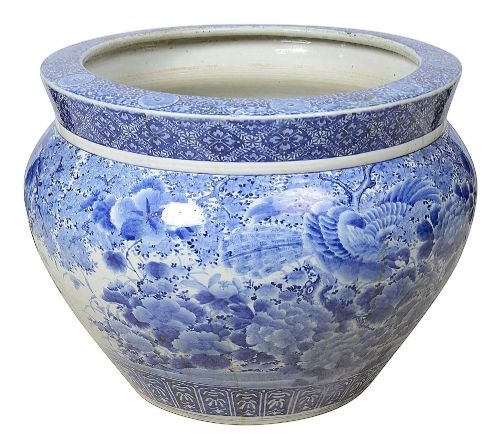
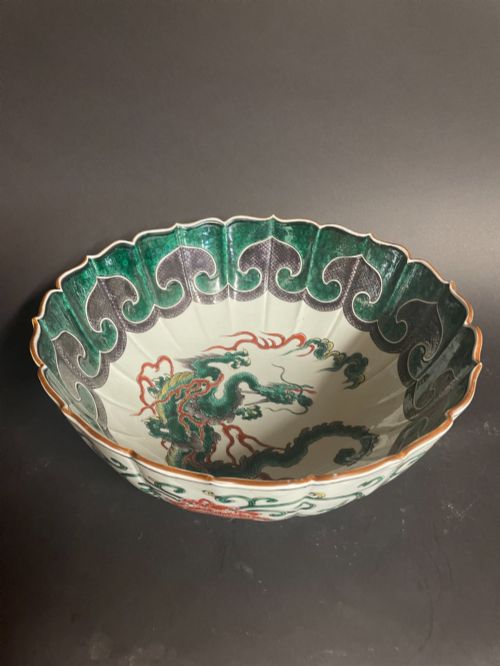
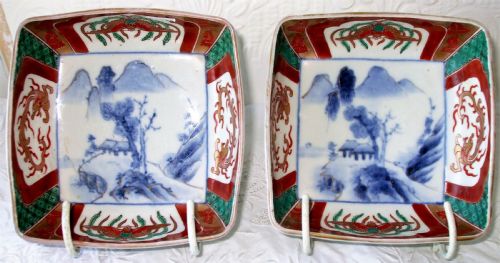
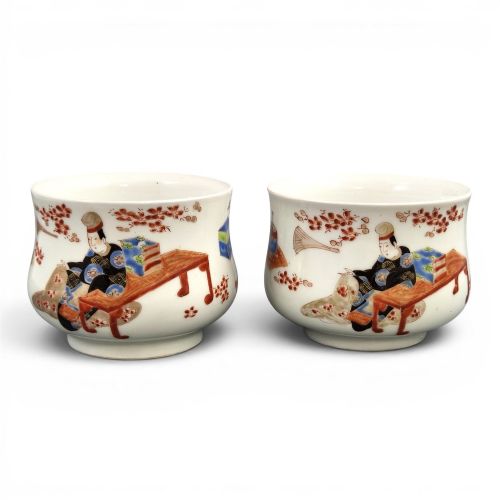
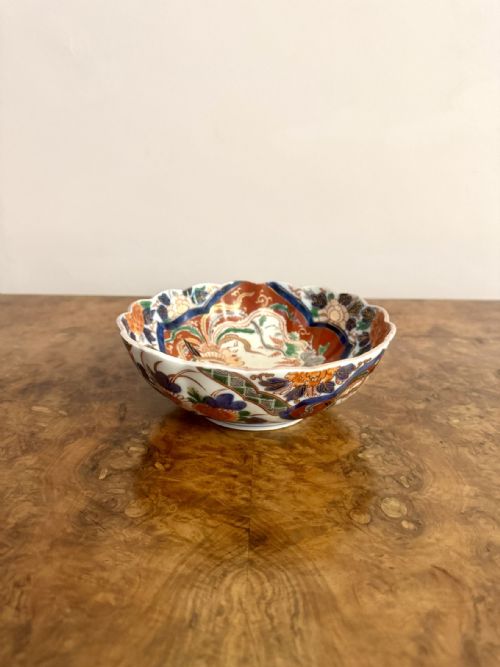
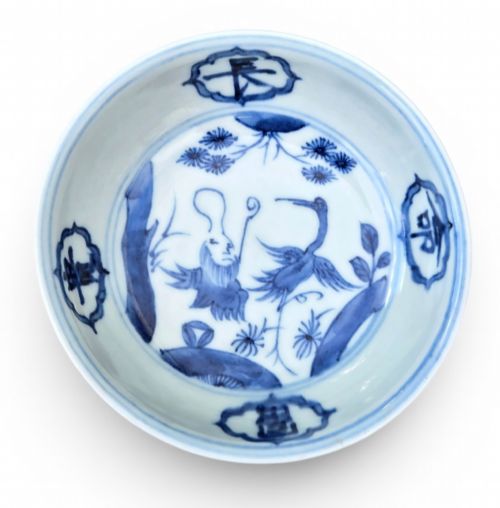
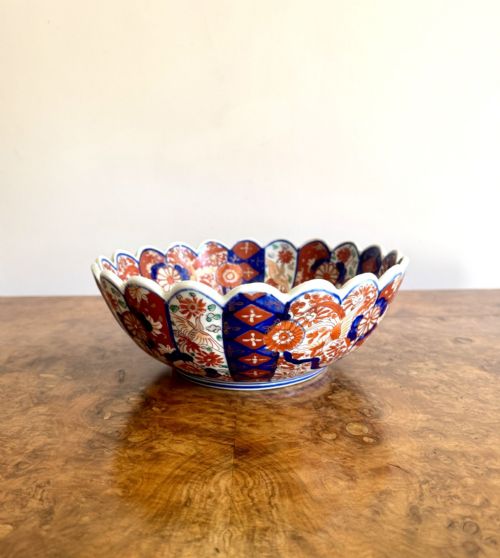
Every japanese porcelain bowl reflects a rich heritage of ceramic artistry spanning the Edo and Meiji periods alongside early twentieth-century production. The selection encompasses standard decorative vessels, hexagonal shapes, and large fish-bowl jardiniere forms.
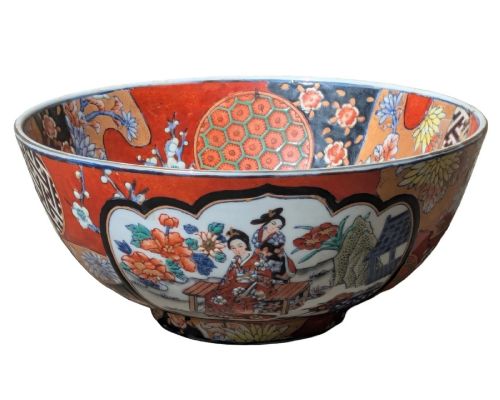
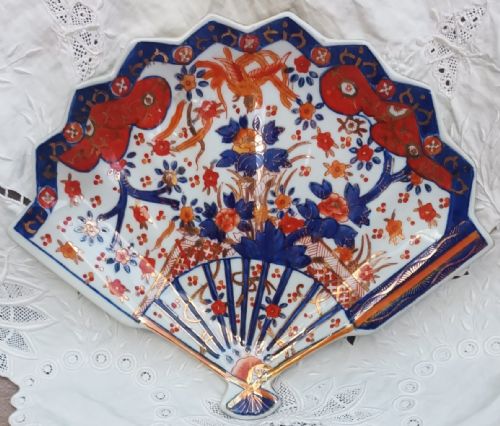
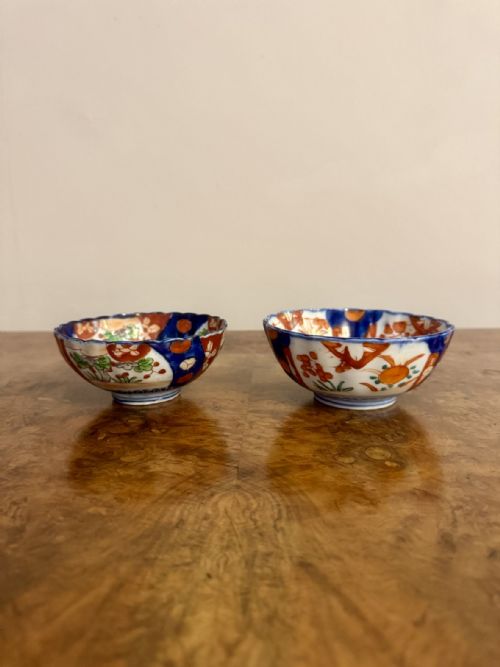
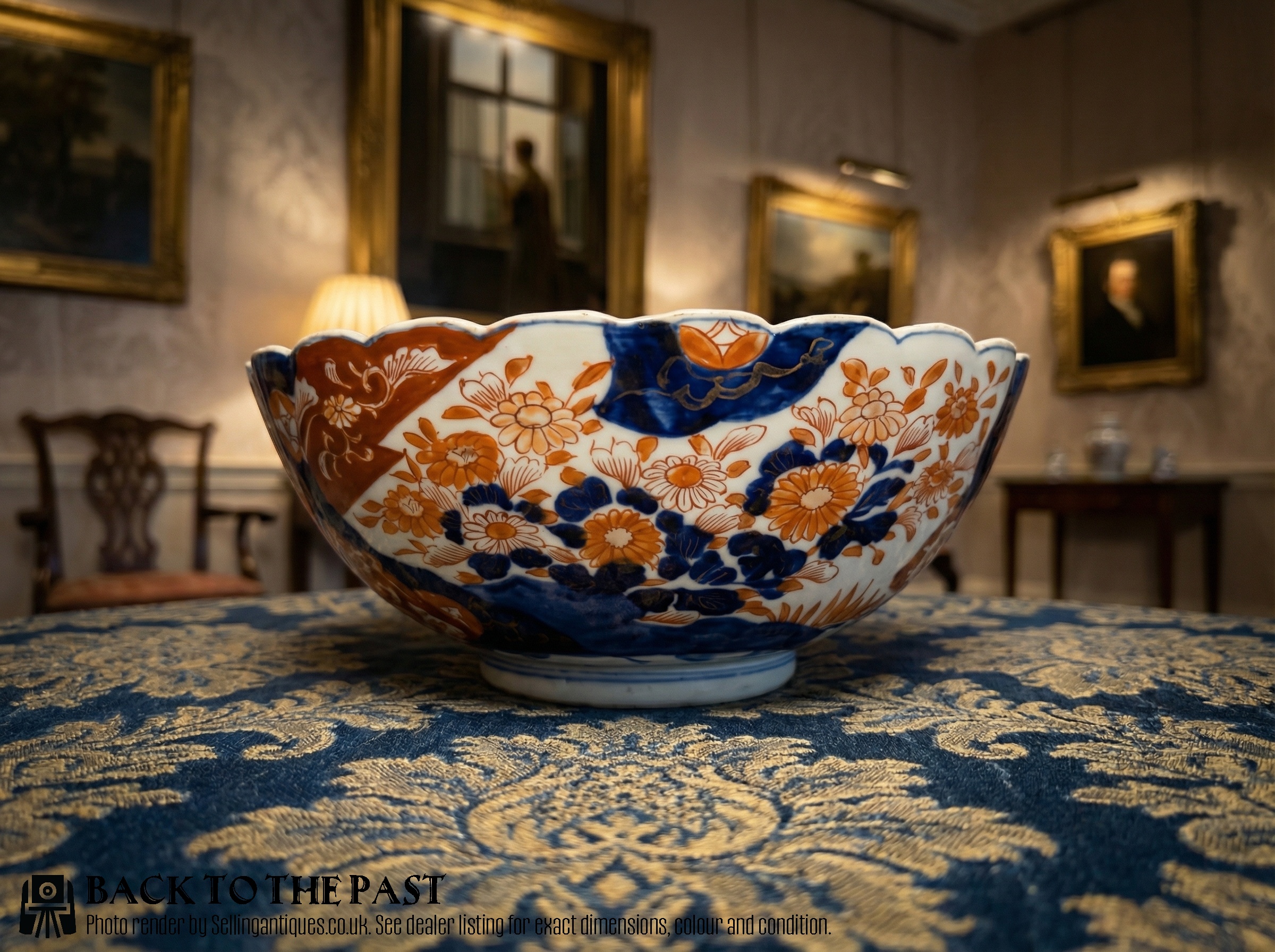
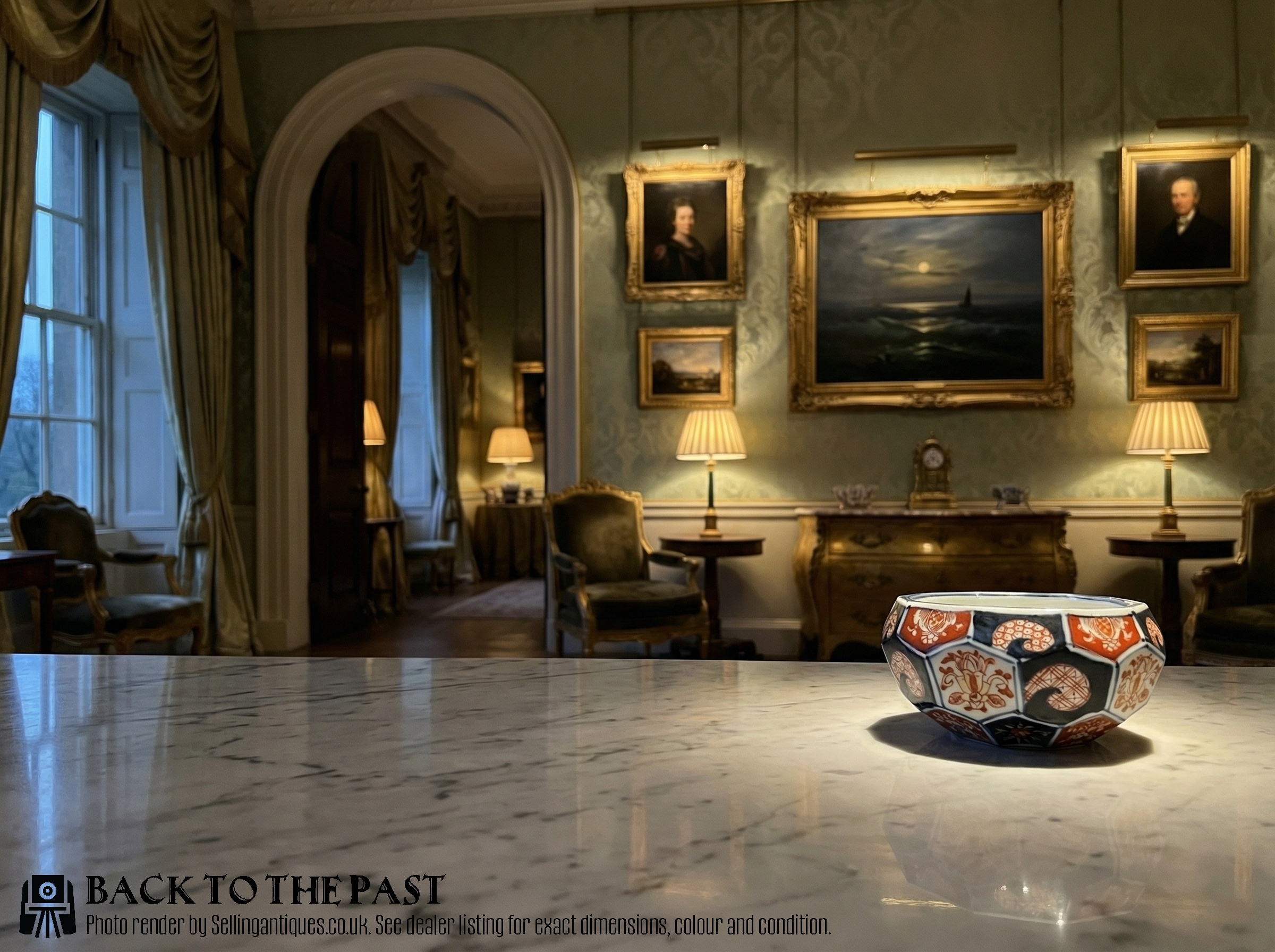
Most items appearing here belong to the late nineteenth century, frequently decorated in the distinctive Imari palette featuring cobalt blue and iron red. Pieces range from simple blue and white wares to elaborate compositions incorporating gold leaf and figural scenes.
Collectors encounter both utilitarian bowls and grand decorative jardiniere pieces bearing traditional floral and geisha motifs. The origins span renowned kiln traditions, providing a comprehensive view of historical Japanese ceramic export wares.
Materials and Construction
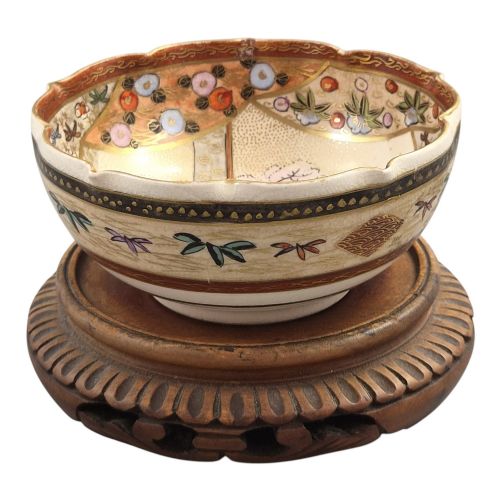
Potters shaped fine porcelain clay before applying cobalt pigment, celadon glaze, or cobalt glaze beneath or over the fired surface. Artisans then utilised enamel and gold leaf to add intricate surface detail to the hardened body.
Hand painting remains a defining characteristic across these vessels, with skilled hands executing precise floral motifs and figurative designs. Kiln workers fired these pieces at high temperatures to achieve durable vitrified porcelain bodies.
Retail Price Guide 2026
Typical UK retail prices for japanese porcelain bowl, calculated from the Sellingantiques database of over a million retail prices indexed since 2003. This retail price guide relies exclusively on Sellingantiques data; no external sources or auction records are used, so the figures do not describe the wider market.
Listings feature porcelain, enamel, gold leaf, and celadon glaze across nineteenth and early twentieth-century periods.
Assessing Quality and Execution
Quality rests in the precision of the hand-painted brushwork and the clarity of the underlying porcelain body. Finer examples display meticulous control over the cobalt pigment and rich application of enamel and gold leaf.
The sophistication of the palette and the complexity of the form separate standard decorative wares from exceptional pieces. Superior items maintain crisp definition in their floral and figural decorations without blurring or firing flaws.
Okuda·Kakiemon kilns
The Japanese Porcelain Bowl Glossary
- Imari
- A traditional style of Japanese export porcelain originating from Arita, typically featuring a palette of cobalt blue, iron red, and gilt. This aesthetic dominated European export markets during the Edo period.
- Celadon
- A pale green jade-like glaze applied to porcelain before firing. The subtle coloration results from iron oxide reacting within a reducing kiln atmosphere.
- Cobalt Pigment
- A blue colouring agent derived from cobalt oxide that withstands high kiln temperatures. It forms the foundation of classic blue and white ceramic decoration.
- Jardiniere
- A large ornamental pot or bowl designed to hold plants or fish. These substantial pieces often feature extensive floral or landscape decoration.
- Meiji Period
- The era in Japanese history spanning from 1868 to 1912, characterised by extensive international trade and remarkable craftsmanship in decorative arts.
Frequently Asked Questions
How do I identify an Imari bowl?
Imari bowls are recognised by their distinct colour palette, which combines underglaze cobalt blue with iron red and gilt highlights overglaze. The patterns typically feature dense floral and geometric arrangements.
This decorative scheme developed in Arita during the Edo period and remained popular through the Meiji era and beyond.
What is a jardiniere bowl used for?
A jardiniere functions as a large decorative container originally intended to hold potted plants or serve as a fish-bowl. These heavy vessels often stand as centrepieces within a room.
Historical examples frequently showcase expansive blue and white floral compositions suited for grand interior spaces.
How should I clean porcelain bowls?
Historic porcelain requires gentle cleaning with lukewarm water and a mild detergent using a soft cloth. Avoid abrasive sponges or harsh chemicals that can damage delicate gold leaf and enamel overglaze.
Proper handling preserves the integrity of hand-painted surfaces accumulated over centuries of existence.
How do I distinguish Edo from Meiji pieces?
Edo period pieces generally date from before 1868 and reflect earlier kiln traditions, whereas Meiji period items span from 1868 to 1912 and often display greater decorative complexity. Examining the refinement of the paste and the style of the cobalt pigment helps determine the era.
Archival records and specific stylistic markers also assist in separating seventeenth and eighteenth-century wares from later nineteenth-century productions.