


Cobalt Blue Ceramic Bowl
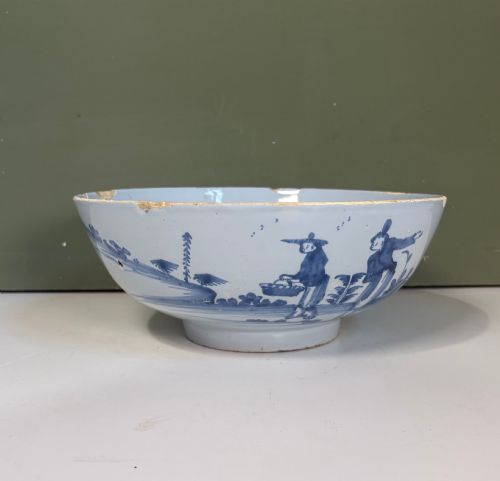
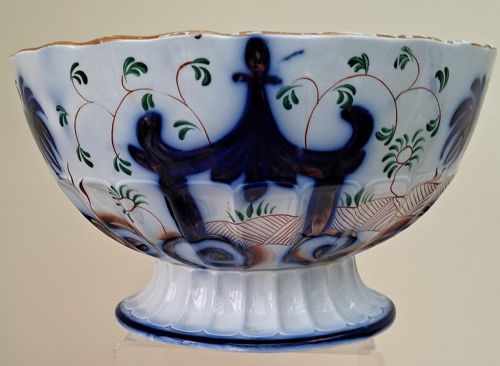
A cobalt blue ceramic bowl brings deep tones and historic pattern to a room, drawing the eye instantly through rich underglaze decoration.
Cobalt Blue Ceramic Bowl
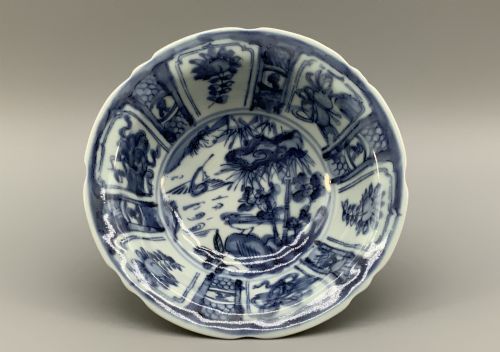
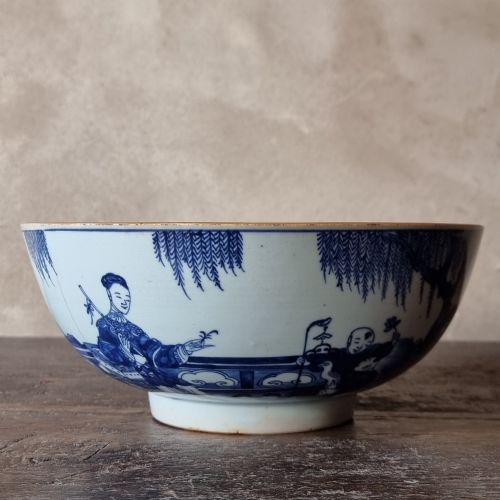
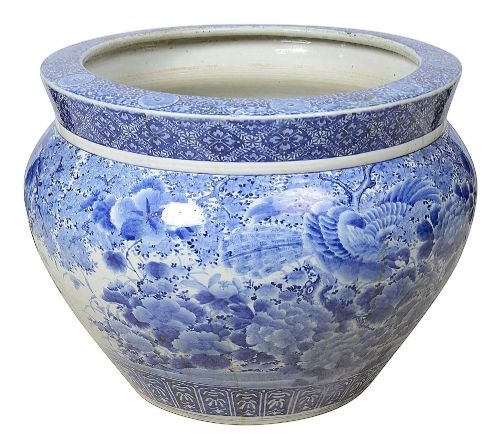
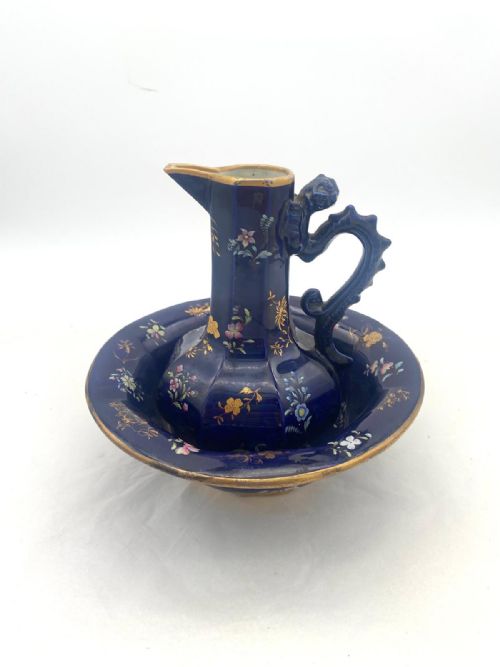
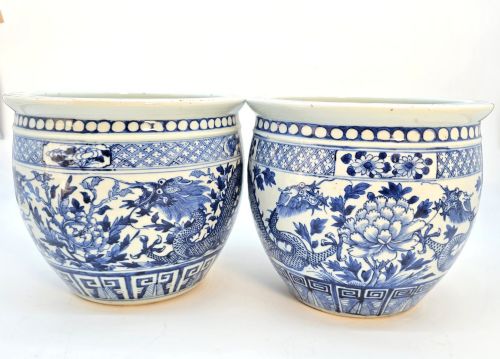
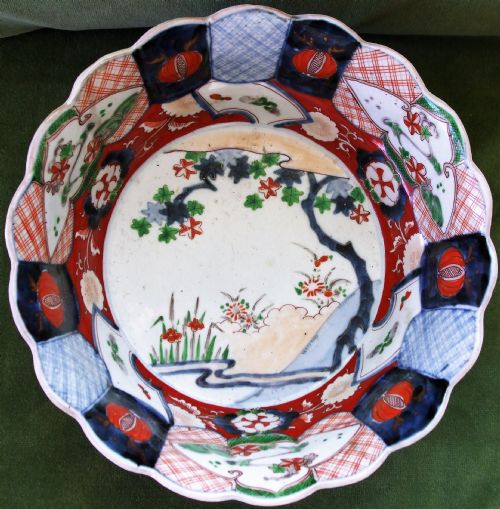
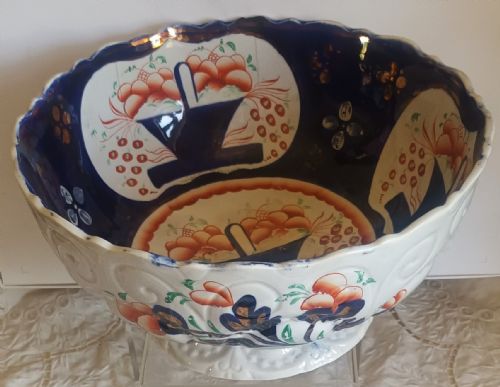
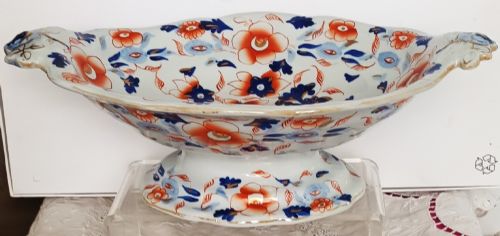
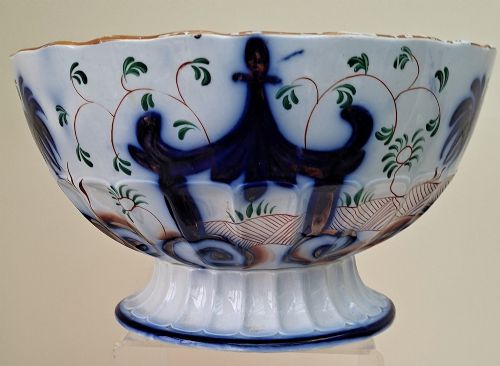
When you search for a cobalt blue ceramic bowl, you encounter vessels shaped for diverse functions, ranging from large punch bowls and jardinieres to delicate tea wares and scalloped display dishes. The evidence reveals pieces spanning from the seventeenth century through to the twentieth century, with strong representation from the eighteenth and nineteenth centuries.
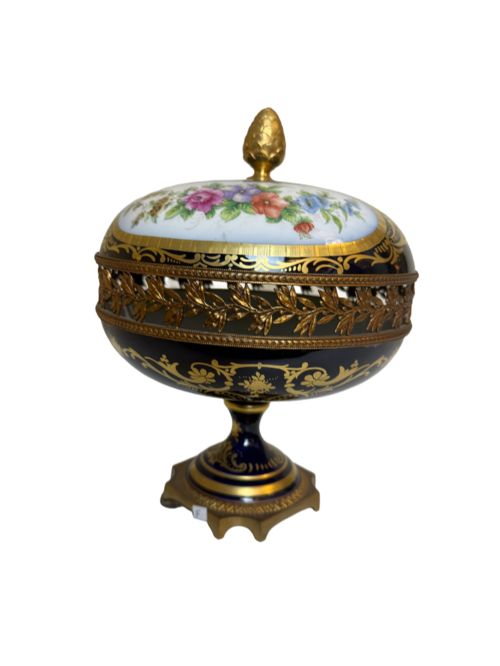
Chinese blue and white porcelain forms sit alongside Japanese Imari porcelain, English ironstone, earthenware, and European delftware. Domestic English transferware pottery appears frequently alongside oriental export wares and French porcelain, demonstrating how widely potters utilised this intense mineral colour across global traditions.
Materials and Construction
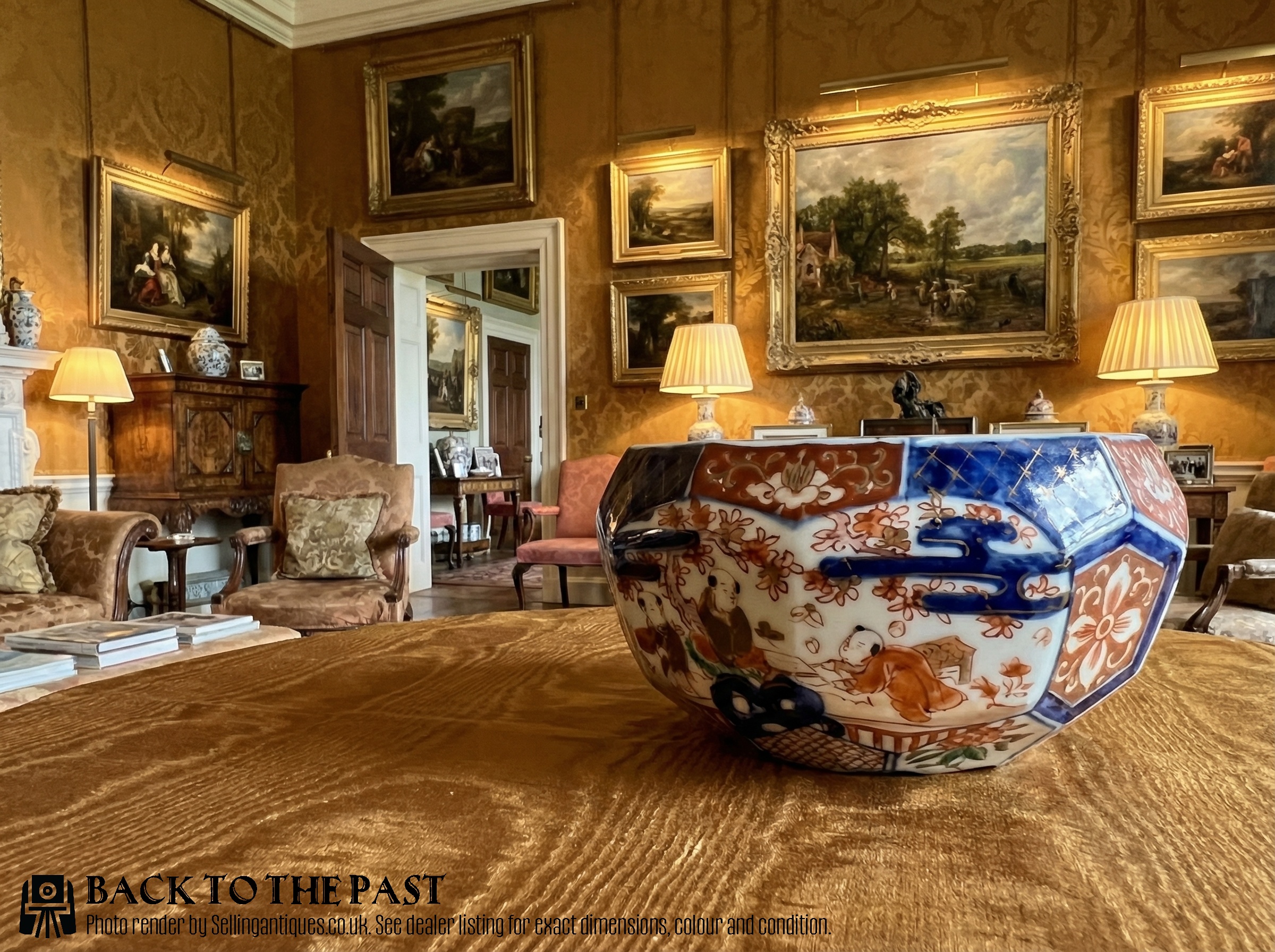
Potters relied upon durable bodies of porcelain, ironstone, and earthenware, shaping them into lobed, scalloped, or circular vessels before applying decoration. Cobalt glaze provided the stable, deep blue pigment capable of withstanding high kiln temperatures without losing its intensity.
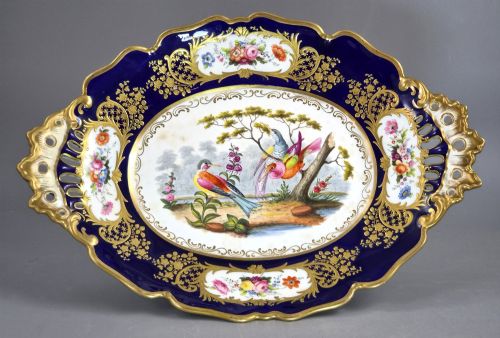
Many items incorporate transfer-printed scenes or hand-painted underglaze brushwork, sometimes accented with enamel and gold leaf. The interaction between the white ceramic ground and the deep blue pigment defines the visual impact across both European and Asian workshops.
Cobalt Blue Ceramic Bowl Retail Price Guide 2026
Typical asking prices for cobalt blue ceramic bowl among the pieces listed under this phrase on Sellingantiques today, from the lower quarter to the upper quarter. They describe what is for sale here now, not the wider market.
Listings feature porcelain, ironstone, and earthenware bodies decorated with cobalt glaze, spanning the seventeenth to twentieth centuries.
Assessing Quality and Execution
Quality reveals itself in the crispness of the cobalt painting and the stability of the glaze during firing, where superior examples avoid unwanted running or pooling of the pigment. The refinement of the ceramic body and the precision of moulded details, such as scalloped edges or footed bases, distinguish finer artistic output from standard utilitarian production.
The sophistication of the design, whether depicting intricate Chinoiserie landscapes or detailed floral motifs, separates standard output from exceptional works. Potteries with skilled artisans achieved a harmony between form and decoration that elevates certain pieces into significant decorative centrepieces.
Coalport·Minton·Masons Ironstone·J. and R. Riley·J. and R. Clews·Royal Crown Derby
The Cobalt Blue Ceramic Bowl Glossary
- Cobalt Glaze
- A metallic oxide pigment applied to ceramics that fires to a rich, permanent blue colour. It remains stable under high temperatures.
- Ironstone
- A heavy, durable type of earthenware patented in England to rival Chinese porcelain. It provides a robust body for transfer-printed patterns.
- Imari
- A style of Japanese porcelain featuring cobalt blue underglaze combined with iron red and gold enamel. These wares were widely exported to Europe.
- Delft
- Tin-glazed earthenware produced in European workshops, historically imitating Chinese blue and white porcelain. The porous body carries an opaque white glaze.
- Transferware
- Pottery decorated by applying a printed design from an engraved copper plate onto the ceramic surface. This technique allowed intricate scenes to be reproduced consistently.
Cobalt Blue Ceramic Bowl: Frequently Asked Questions
What is a cobalt blue ceramic bowl?
A cobalt blue ceramic bowl is a vessel shaped from porcelain, ironstone, or earthenware and decorated with deep blue mineral pigments. These objects range from large punch bowls and jardinieres to small tableware.
Potters across centuries utilised this stable blue colour for both domestic utility and decorative display. The resulting pieces reflect diverse global traditions, including Chinese export porcelain, Japanese Imari, and English earthenware.
How were these bowls used historically?
Historic bowls served practical functions at dining tables, serving punch, desserts, or vegetables, while larger basins held water or supported indoor plants. Many examples also functioned purely as decorative centrepieces.
Export wares often travelled vast distances to adorn European interiors, demonstrating wealth and global taste. Over time, smaller dishes and comports became integral parts of formal table settings.
How do I style a cobalt blue ceramic bowl?
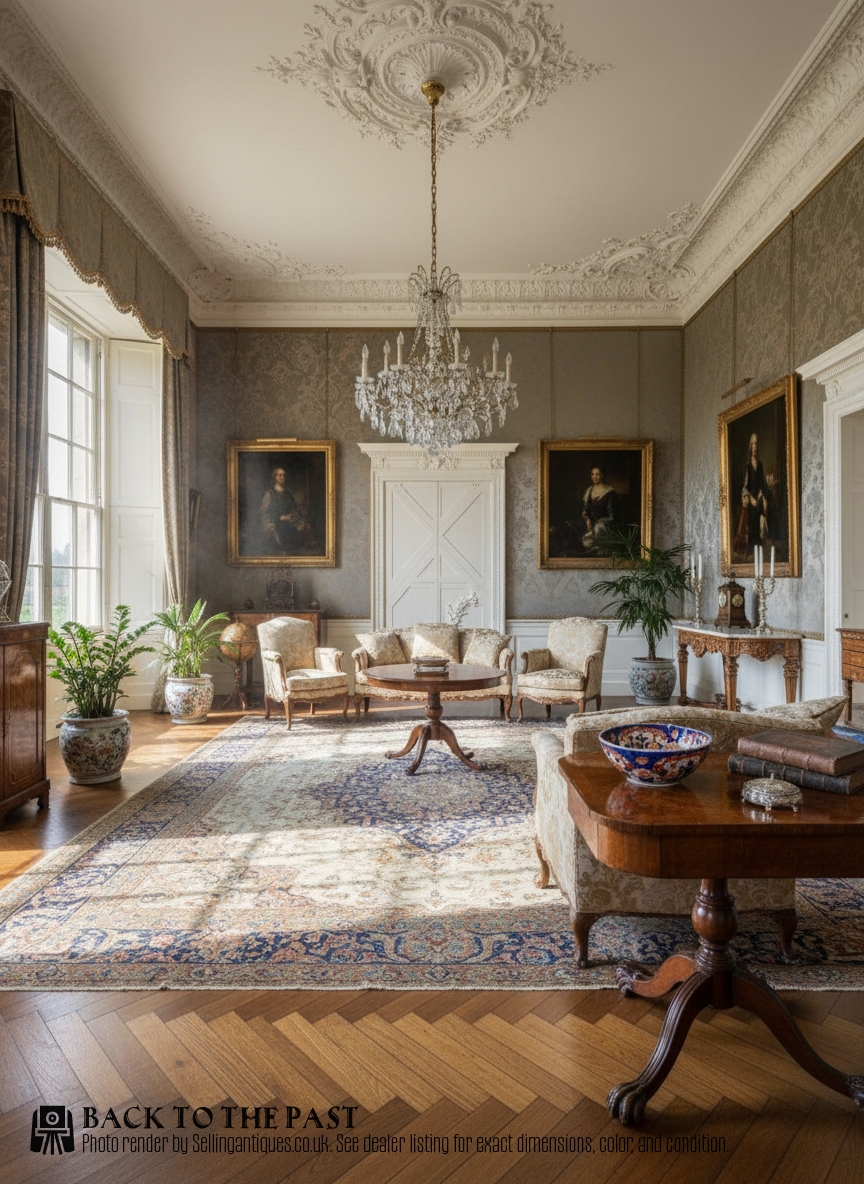
These bowls integrate well into both traditional and contemporary interiors as striking focal points on sideboards, tables, or open shelving. Their deep tones complement neutral wood furniture and white walls.
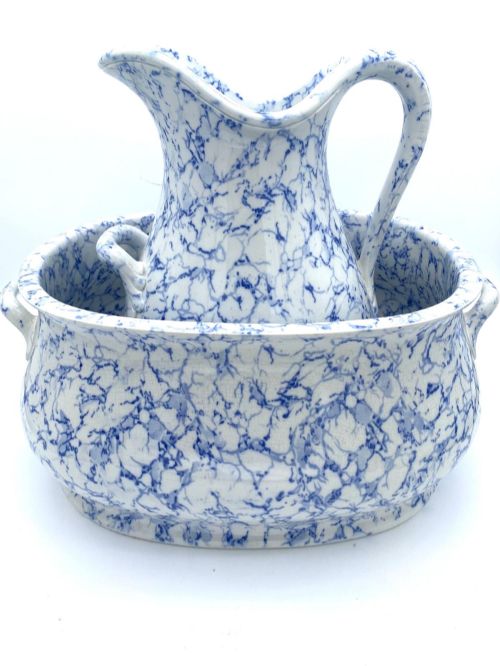
Larger jardinieres and footbaths accommodate botanical displays, while shallow dishes suit table centrepieces. Pairing them with complementary blue and white ceramics enhances their historic aesthetic.
How can I tell the period of a bowl?
Dating relies on observing the ceramic body, glaze characteristics, and stylistic markers such as specific Chinoiserie or floral transfer patterns. Examining the foot rim and manufacturing marks provides further clues regarding origin.
Early pieces often feature hand-painted underglaze cobalt, whereas nineteenth-century items frequently utilise transfer printing or distinct ironstone bodies. Comparing forms with documented examples from periods like the Georgian era or Meiji period clarifies age.