
Gilt Porcelain Bowl
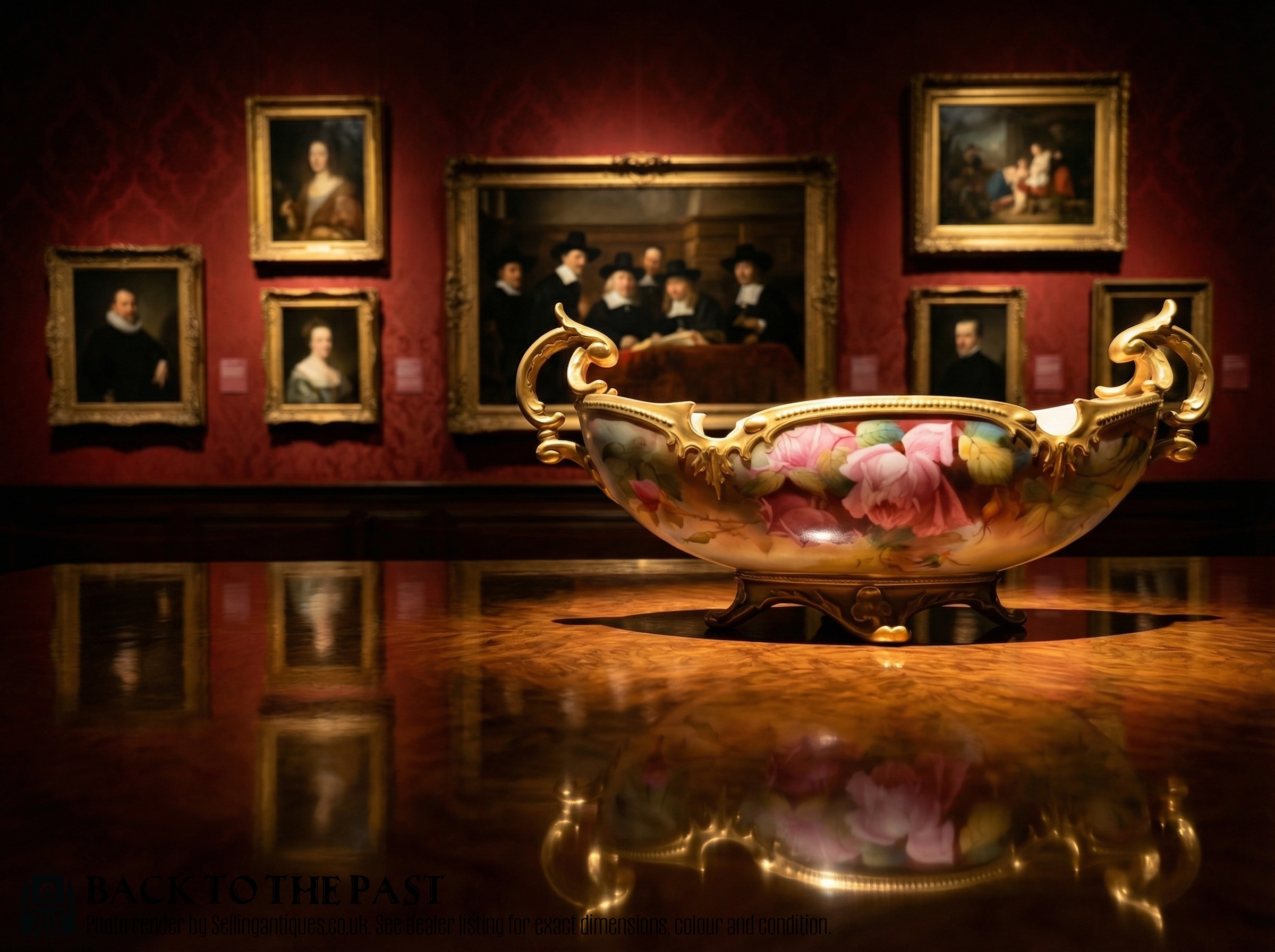
A gilt porcelain bowl brings the rich shine of gold leaf together with fine ceramic body and glaze, adding quiet luxury to a table.
Gilt Porcelain Bowl
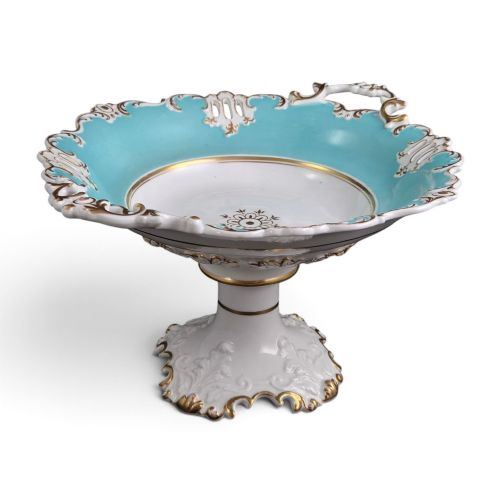
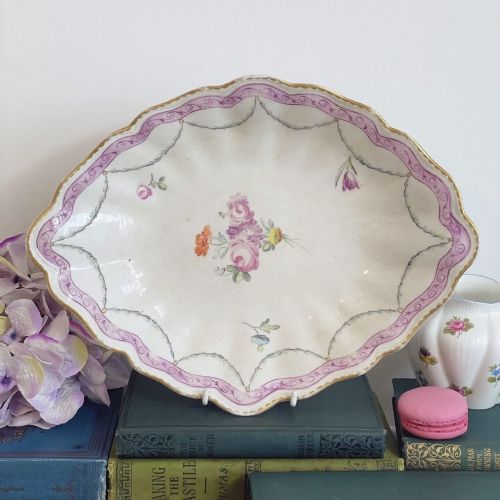
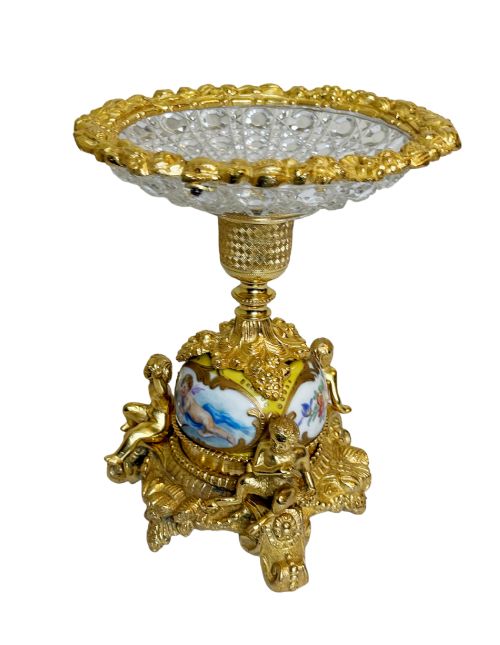
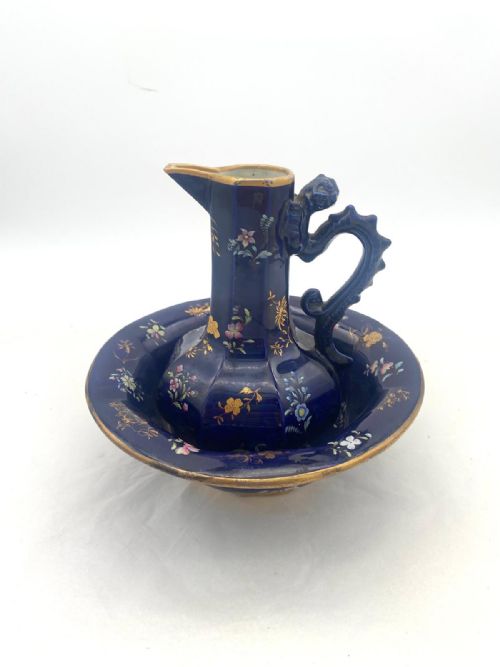
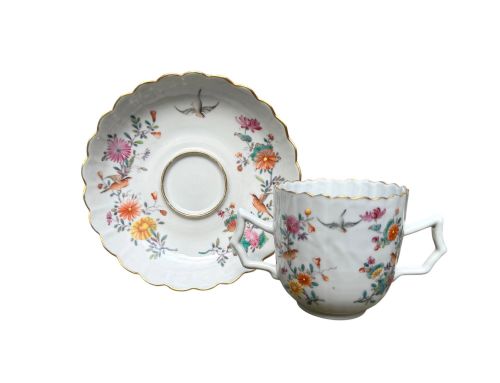
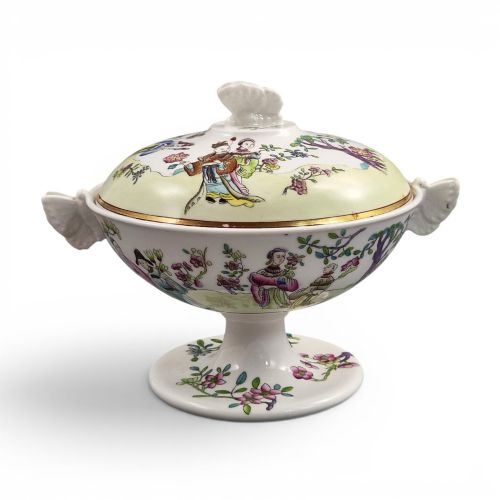
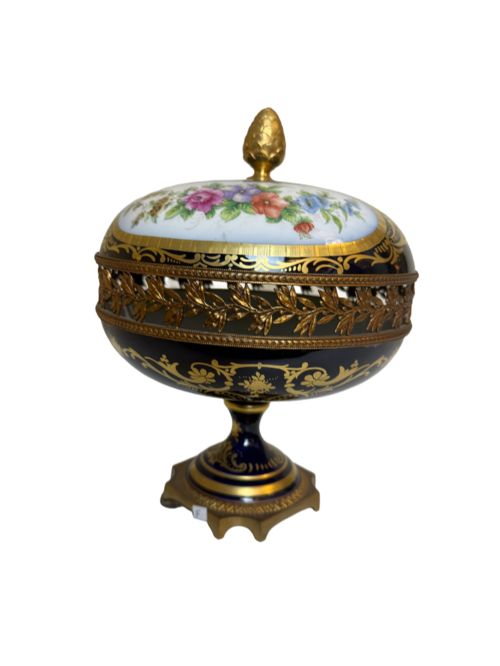
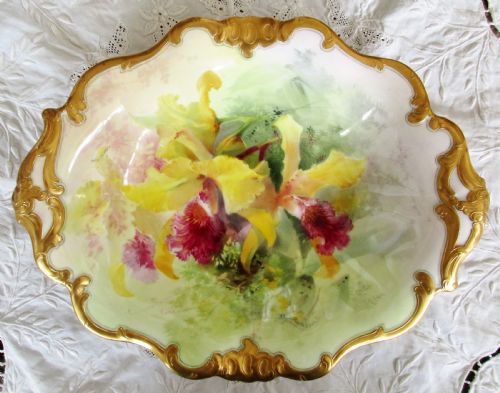
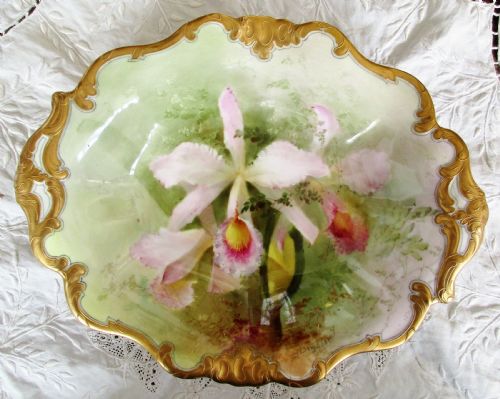
A gilt porcelain bowl encompasses a wide range of decorative and functional vessels created across European and Asian potteries, featuring applied or painted gold embellishment. When you browse this selection, you encounter items designed for display, dining, or service.
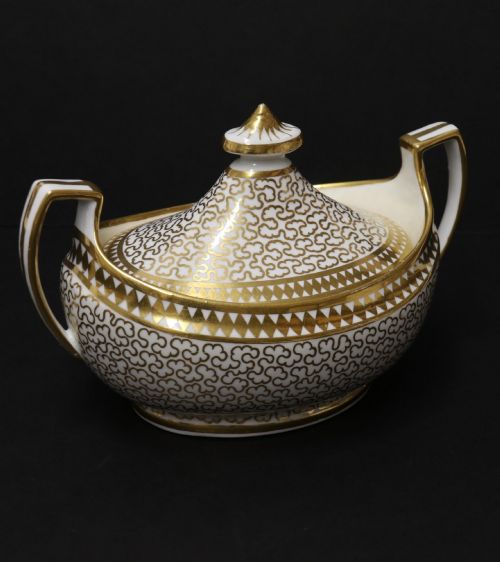
The objects span centuries of production, originating from English factories such as Coalport, Spode, and Worcester, alongside continental houses like Meissen, Sèvres, and Dresden. Forms vary from simple tea bowls and sugar basins to grand centrepieces and tazzas.
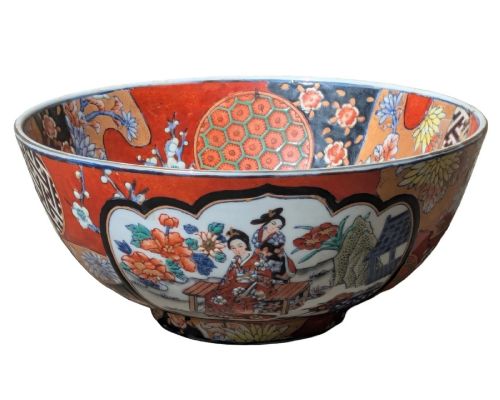
Most examples date from the eighteenth and nineteenth centuries, reflecting periods such as the Georgian, Victorian, and Edwardian eras. You also find Japanese Imari wares and Chinese porcelain vessels decorated with intricate gilt accents.
How they were made
Potters formed these pieces using hard-paste porcelain, bone china, or felspar porcelain, shaping them on a wheel or pressing them into moulds. Artisans then applied glazes before firing the ceramic body at high temperatures.
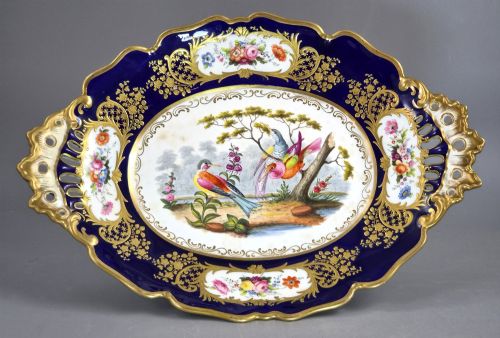
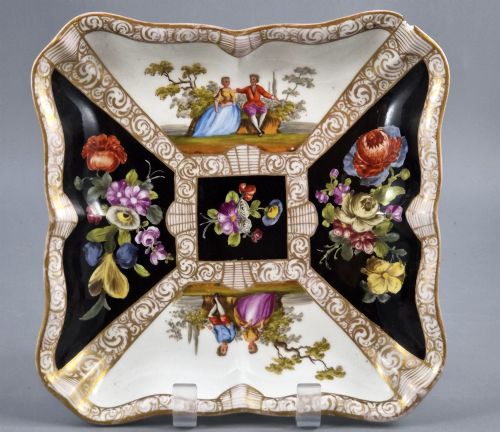
Gilding was executed using gold leaf or powdered gold mixed with a medium, which was painted onto the glazed surface and refired to bond the metal. Many items also incorporate hand-painted polychrome enamels, cobalt blue underglaze, or transfers depicting floral and landscape scenes.
Gilt Porcelain Bowl Retail Price Guide 2026
Typical asking prices for gilt porcelain bowl among the pieces listed under this phrase on Sellingantiques today, from the lower quarter to the upper quarter. They describe what is for sale here now, not the wider market.
Some nineteenth-century French bowls come permanently attached to mirrored trays so that admirers can inspect the gilt undersides without lifting them.
What varies in quality
The standard of a gilt porcelain bowl depends upon the precision of the hand-painting and the thickness of the gold application. Finer pieces display crisp brushwork in floral or figural panels, alongside neatly burnished gilding that catches the light evenly.
The refinement of the porcelain body and the complexity of the moulding also distinguish standard items from superior works. Pieces featuring elaborate handles, pierced borders, or integrated gilt-bronze mounts demonstrate a higher level of craftsmanship.
Coalport·Meissen·Sèvres·Spode·Royal Doulton·Chamberlains Worcester
The Gilt Porcelain Bowl Glossary
- Gilding
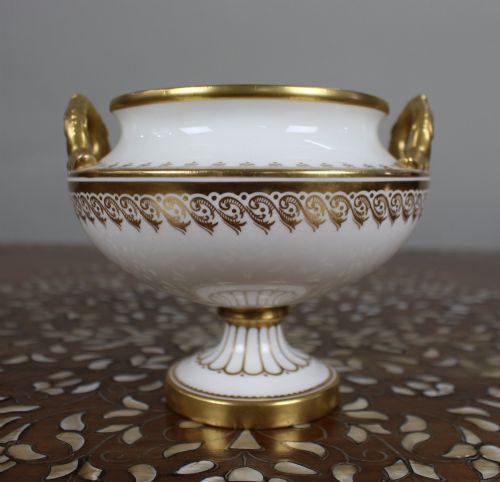
- The application of gold leaf, powder, or liquid to the surface of porcelain. This technique adds reflective metallic highlights to rims, handles, and painted scenes.
- Bone china
- A type of soft-paste porcelain containing bone ash, developed in England to create a strong, translucent ceramic body.
- Sucrier
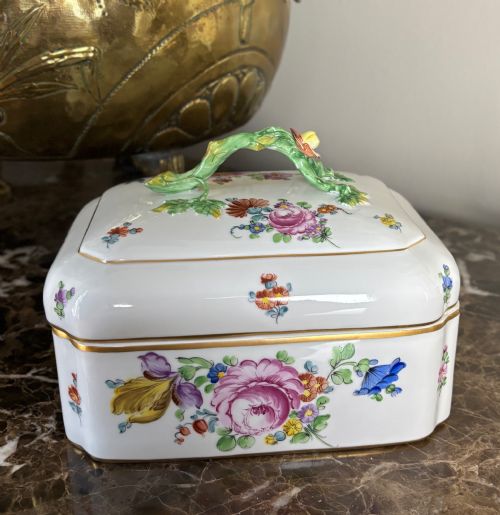
- A small lidded vessel used for holding sugar during tea service. These often match larger tea sets and feature delicate gilt borders.
- Tazza
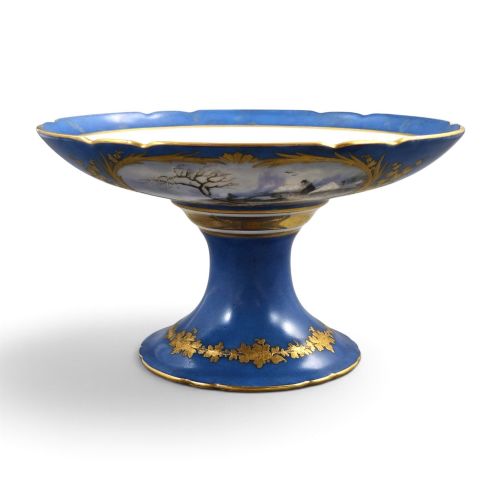
- An Italian term for a shallow bowl or cup elevated on a stem and foot. They were frequently used as centrepieces or fruit dishes on formal tables.
- Imari
- A style of Japanese porcelain featuring a distinctive palette of underglaze blue, iron red, and abundant gold. European factories frequently copied these patterns during the eighteenth and nineteenth centuries.
Gilt Porcelain Bowl: Frequently Asked Questions
How were gilt porcelain bowls used?
These vessels served various functions depending on their size and form, ranging from practical sugar basins and tea bowls to decorative centrepieces placed upon dining tables. Grand examples were designed primarily for display on sideboards or cabinets.
Smaller dishes often formed part of larger tea or dessert services used during formal afternoon gatherings. Over time, their role shifted towards pure ornamentation as interior tastes changed.
How can I tell the period of a piece?
Dating relies heavily upon maker marks, factory ciphers, and painted pattern numbers found on the underside of the base. Stylistic clues such as Rococo Revival curves or neoclassical motifs also help narrow down the decade of production.
Comparing the weight, translucency of the porcelain, and quality of the hand-painting provides further context. Reference books on factory marks remain essential tools for accurate attribution.
What is the difference between hard-paste and bone china?
Hard-paste porcelain, common in continental European factories like Meissen, uses kaolin and petuntse fired at extremely high temperatures to produce a durable, bright white body. It feels slightly denser and resists scratching.
English makers preferred bone china, which incorporates animal bone ash into the paste to create a lighter, highly translucent material. Both types accepted gilding exceptionally well during production.