


Wedgwood Lustre Bowl
A wedgwood lustre bowl brings together imaginative ceramic design and rich iridescent surface effects from the early twentieth century.
Wedgwood Lustre Bowl
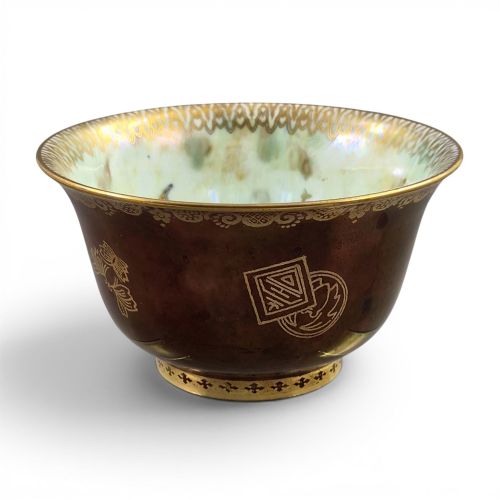
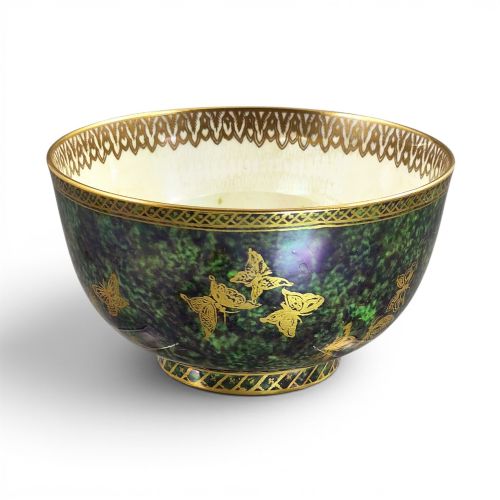
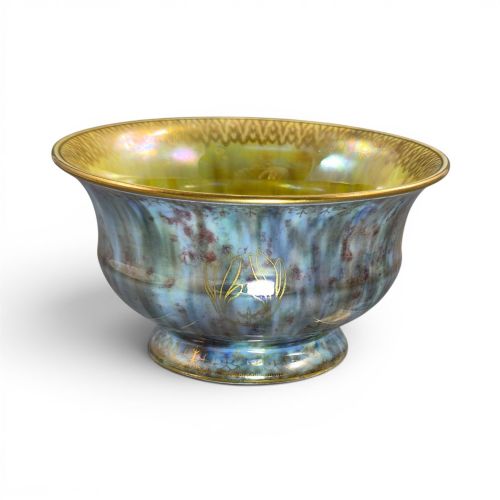
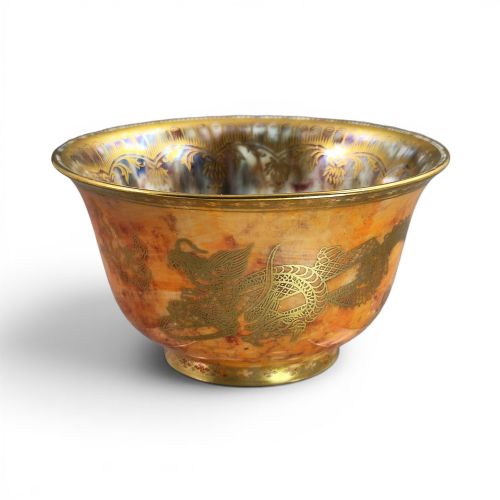
When searching for a wedgwood lustre bowl, collectors encounter distinctive decorative pieces originating primarily from the Edwardian period and the 1910s to 1920s. These vessels range from small miniature cups and tea bowls to large octagonal decorative bowls.
The most common examples on this page feature intricate fantasy motifs such as dragons, butterflies, and hummingbirds created by designer Daisy Makeig-Jones. They represent a specialised height of British art pottery production during the Art Nouveau and Art Deco eras.
How they were made
The production of these ceramics relies on porcelain and bone china bodies formed into bowls of various shapes, including rounded and octagonal profiles. Artisans then applied detailed enamel designs alongside metallic finishes to achieve the characteristic surface appearance.
A specialised lustre glaze combined with gold leaf and gilt accents creates the shimmering, iridescent quality across the exterior and interior surfaces. Firing these mineral glazes required precise kiln techniques to develop the deep ruby, green, blue, and mottled orange tones.
Wedgwood Lustre Bowl Retail Price Guide 2026
Typical asking prices for wedgwood lustre bowl among the pieces listed under this phrase on Sellingantiques today, from the lower quarter to the upper quarter. They describe what is for sale here now, not the wider market.
Owning a Fairyland bowl means keeping miniature dragons and hummingbirds safely contained in porcelain.
What varies in quality
Quality differences stem from the complexity of the pattern work and the depth of the lustre finish applied to the ceramic body. Pieces featuring elaborate narrative scenes or multi-tiered fantasy motifs demonstrate a higher degree of artistic execution than simpler mottled designs.
The richness of the gilding and the precision of the enamel transfer or hand-painting also distinguish finer examples. The integration of gold leaf with complex chromatic glazes separates standard production pieces from masterworks.
Daisy Makeig Jones·James Hodgkiss
The Wedgwood Lustre Bowl Glossary
- Fairyland Lustre
- A specific line of fantastical ceramic designs developed at the pottery during the early twentieth century. These patterns frequently incorporate mythical creatures, goblins, and elaborate landscape scenes.
- Lustre Glaze
- A type of ceramic coating containing metallic salts that produce an iridescent, reflective surface upon firing. It shifts in colour depending on the angle of the light.
- Bone China
- A type of soft-paste porcelain incorporating bone ash that provides a bright white body and high strength. It serves as the refined base for many decorated decorative bowls.
- Octagonal Bowl
- A vessel featuring eight distinct planar sides rather than a standard circular profile. This geometric form was frequently utilised for complex patterned series.
- Gilt
- A thin layer of gold applied to the ceramic surface to highlight rims, handles, and specific design motifs. It adds a metallic contrast to the colourful glazed backgrounds.
Wedgwood Lustre Bowl: Frequently Asked Questions
What periods do these bowls come from?
These ceramic pieces date primarily from the Edwardian period through the 1920s. Production spans the 1910s and 1920s, encompassing Art Nouveau and Art Deco aesthetic influences.
Most documented examples originate from the active design periods of the First World War and the subsequent decade.
What motifs appear on these bowls?
Common decorative motifs include mythical subjects like celestial dragons, phoenixes, and floating figures from fantasy themes. Naturalist subjects such as butterflies, hummingbirds, owls, and fruit also frequent the surfaces.
Geometric backgrounds and specialised diaper patterns often frame these primary artistic subjects.
How do I identify a pattern number?
Makers frequently marked specific pattern codes, such as the Z series, directly onto the base of the ceramic body alongside factory stamps. These alphanumeric identifiers correspond to particular colourways and decorative designs.
Consulting factory documentation helps match these numbers to specific artist portfolios.
How should I display these bowls?
Because of their delicate enamel work and metallic glaze surfaces, these vessels require stable placement away from direct sunlight and heavy handling. Using dedicated stands allows viewers to observe the reflective qualities of the interior and exterior.
Keeping them in controlled display environments protects the gilt and enamel details over time.