


Art Nouveau Porcelain
Art nouveau porcelain pieces bring sinuous botanical lines and figurative grace into your home.
What art nouveau porcelain pieces are
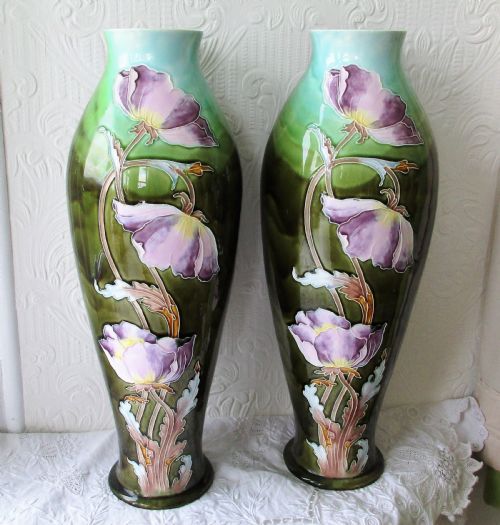
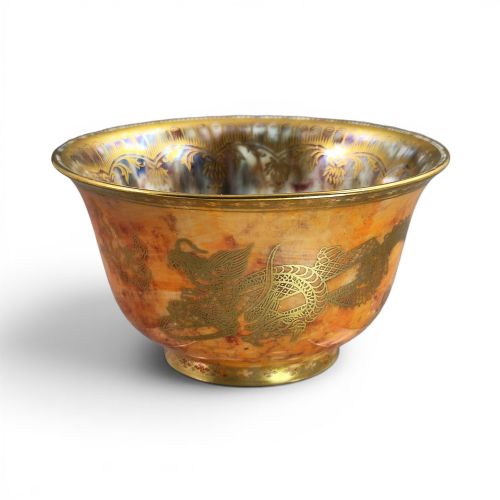
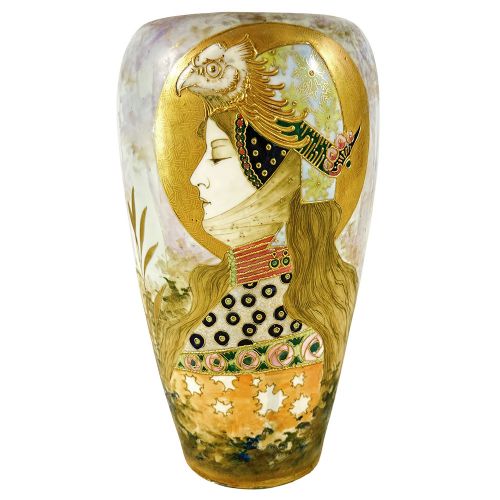
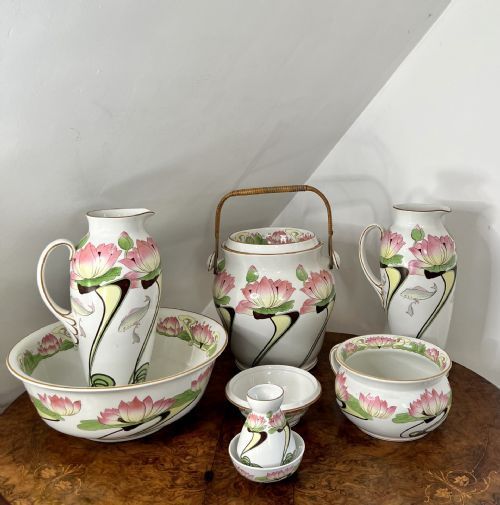
Art nouveau porcelain items on this page encompass decorative bowls, figurines, vases, compotes, and caskets from the late nineteenth century and the Edwardian period, including the year 1910. These forms often merge utilitarian shapes with organic curves, featuring maidens, cherubs, and floral motifs.
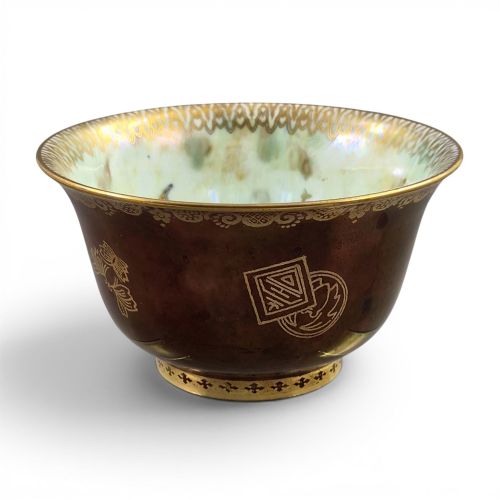
You will frequently encounter figural centrepieces and lustre bowls in the listed inventory, reflecting the distinct aesthetic of the era. Makers from various European regions contributed to this genre, producing both delicate cabinet pieces and substantial table ornaments.
The objects capture a transitional design period where traditional ceramic forms adopt the flowing lines and naturalistic subjects characteristic of the style.
How they were made
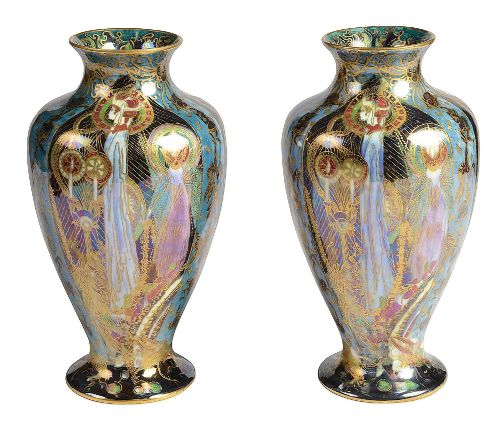
Pieces are formed from porcelain and bone china, often enriched with glaze, lustre glaze, and painted floral designs such as cyclamen. The ceramic body provides a smooth canvas for complex sculptural modelling and fluid contours.
Decoration includes gilding, gold leaf, and gilt highlights applied to accentuate relief details on figurines and vessels. Some items incorporate ormolu, gilt bronze mounts, brass elements, and copper to frame the ceramic components.
Retail Price Guide 2026
Typical UK retail prices for art nouveau porcelain, calculated from the Sellingantiques database of over a million retail prices indexed since 2003. This retail price guide relies exclusively on Sellingantiques data; no external sources or auction records are used, so the figures do not describe the wider market.
The listings show materials including bone china, lustre glaze, and gold leaf applied across Edwardian vessels and figures.
What varies in quality
The refinement of the modelling separates simpler wares from ambitious figural centrepieces, particularly in the rendering of human anatomy, drapery, and natural elements like conch shells or floral clusters. Sculptural depth and the integration of the figure with the vessel shape dictate the upper tier of production.
The application of specialised finishes, such as lustrous glazes and intricate gilding, defines the visual richness of individual examples. Preservation of these delicate surface treatments and any metal mounts influences the overall integrity of the piece.
Daisy Makeig-Jones Wedgwood·Royal Dux·Ernst Wahliss·Bernard Bloch·Paul Louchet·Minton
The Art Nouveau Porcelain Glossary
- Lustre glaze
- A ceramic finish containing metallic elements that creates an iridescent, shimmering surface effect when fired. It produces a colourful, reflective sheen often seen on decorative bowls.
- Figurine
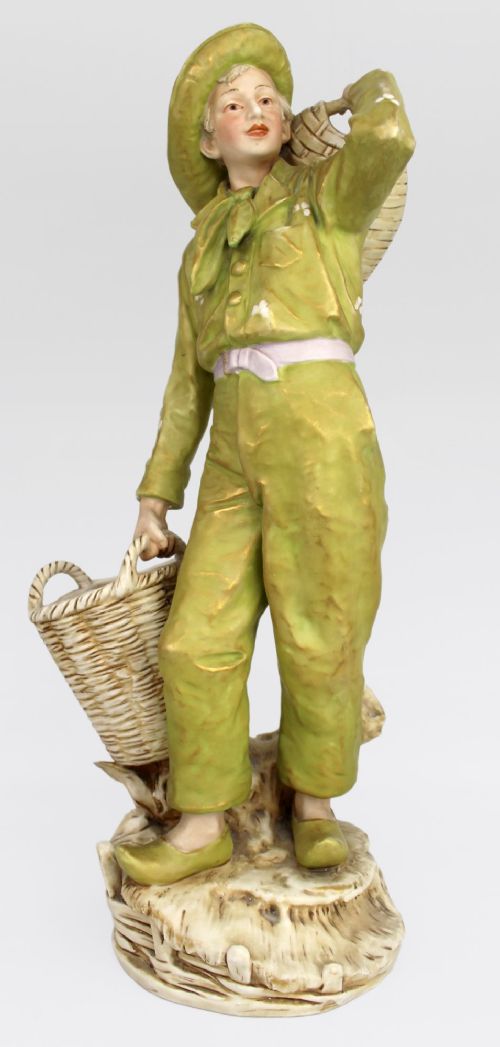
- A small carved or moulded statuette representing a human or animal figure. In this category, they frequently depict maidens, allegorical subjects, or peasants.
- Compote
- A raised bowl used for serving fruit or sweets, elevated on a stem and foot. Many examples from this period incorporate figural supports.
- Gilding
- The application of gold leaf or gold powder to a surface. It highlights raised details and adds decorative emphasis to rims and handles.
Frequently Asked Questions
How do I clean antique porcelain?
Dust gently with a soft brush and avoid harsh chemical cleaners that can damage fragile gilding or lustre finishes.
Keep pieces away from direct sunlight to preserve painted floral designs and metallic lustre.
Were these items used daily?
Many decorative bowls, vases, and centrepieces served primarily as ornamental display objects in Edwardian and late nineteenth-century homes.
Some items, such as caskets and powder bowls, had practical functions for holding small personal possessions.
How are periods identified?
Dating relies on maker marks, stylistic indicators such as organic plant forms, and recorded manufacturing eras like the Edwardian period or circa 1910.
Examining the base marks often provides specific clues to the workshop or pottery of origin.
What subjects appear on figures?
Common motifs include maidens, cherubs, allegorical figures like geography, and farming peasant couples.
Natural elements such as conch shells, butterflies, and floral patterns frequently accompany the human figures.