




Bohemian Porcelain Sculpture
These bohemian porcelain sculpture pieces bring striking figural forms to your room, spanning Edwardian elegance through to 1920s modernism.
What they are
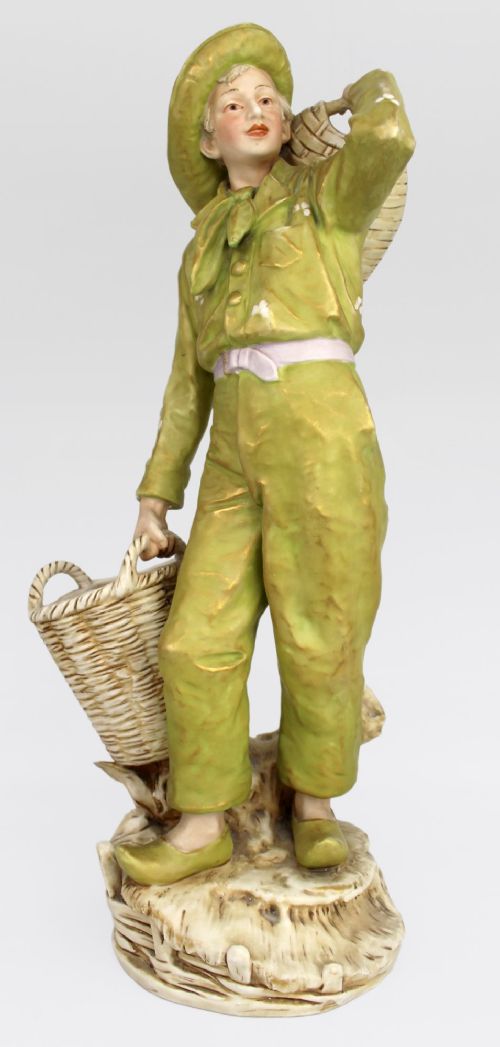
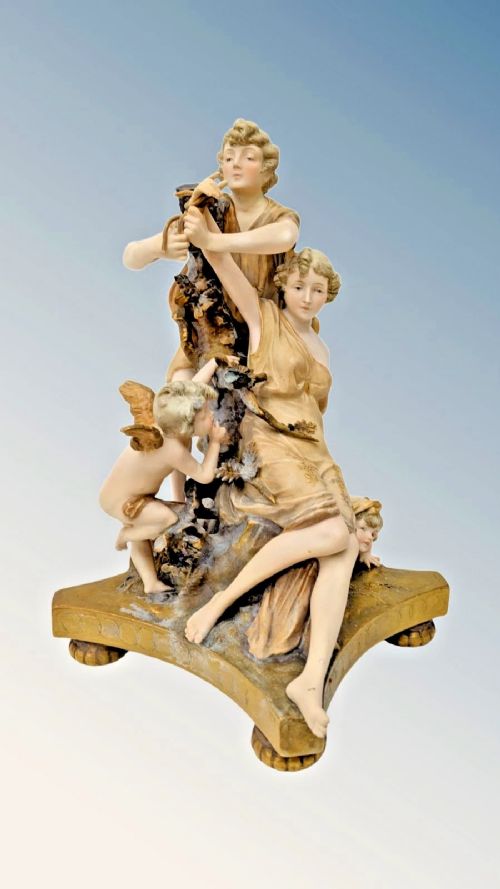
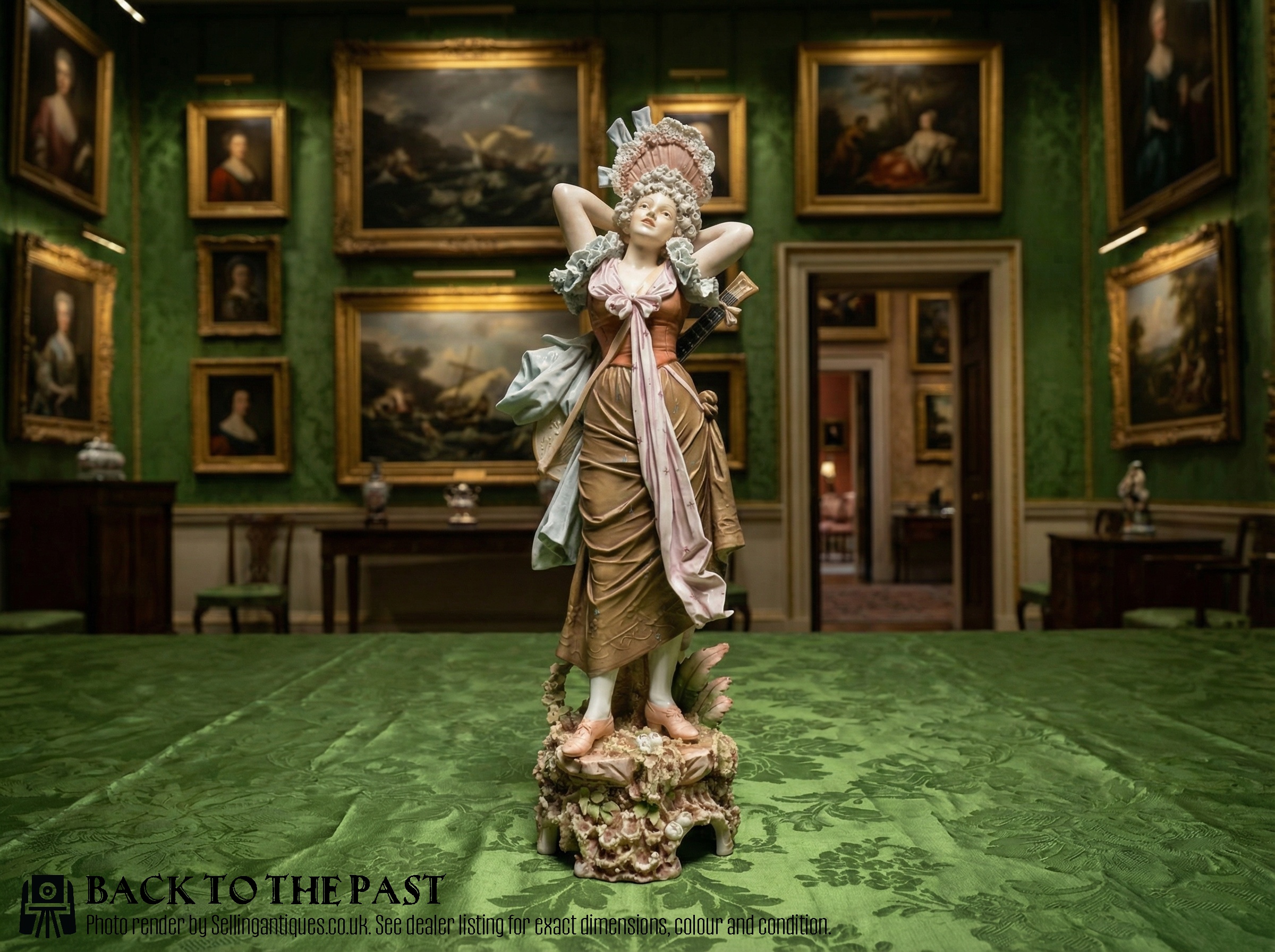
When you search for bohemian porcelain sculpture, you are looking at figural works created in Bohemia during the early twentieth century. The selection here centres on decorative figurines and sculptural groups produced by the Royal Dux factory. These pieces take the form of human subjects, ranging from classical fishermen and young women to stylish flapper girls.
The objects span distinct design movements, moving from flowing Edwardian lines into the geometric geometry of Art Deco. You will encounter both single figures and larger figure groups that capture specific moments in time. Each example reflects the output of Bohemian ceramicists working between 1900 and 1920.
How they were made
Makers utilised fine porcelain and bisque clays to build the foundational shapes of these sculptures. Terracotta also appears alongside the porcelain body in selected pieces to add structural weight and variation. Artisans shaped these materials into intricate human forms and detailed garments.
Surface decoration involved applied glazes, paint, and enamel work to bring colour and texture to the figures. Many examples incorporate gilt, gold leaf, and delicate gilding highlights to accent the contours and decorative motifs. These combined techniques created the characteristic finish seen across the inventory.
Retail Price Guide 2026
Typical UK retail prices for bohemian porcelain sculpture, calculated from the Sellingantiques database of over a million retail prices indexed since 2003. This retail price guide relies exclusively on Sellingantiques data; no external sources or auction records are used, so the figures do not describe the wider market.
Fishermen share shelf space with stylish flapper girls, proving that Edwardian riverbanks and 1920s dance halls make unlikely neighbours.
What varies in quality
The degree of fine detail in the moulding and painting defines the upper tier of these sculptures. Superior examples display crisp facial expressions, well-defined drapery in the clothing, and precise hand-painted colouration. Simpler models lack this depth of sculptural nuance and surface rendering.
The application of surface finishes also creates a distinct hierarchy among the pieces. Rich, well-preserved applications of enamel, paint, and gold leaf elevate an object above standard production grades. The skill involved in balancing matte bisque areas with glossy glaze contributes directly to the visual impact.
Royal Dux
The Bohemian Porcelain Sculpture Glossary
- Bisque
- Unglazed porcelain that has been fired once, offering a matte, marble-like texture favoured for detailed figural work.
- Art Nouveau
- A decorative style characterised by flowing, organic lines and natural motifs, prominent in early twentieth-century pieces.
- Art Deco
- A design movement of the 1920s that embraces geometric shapes, stylised forms, and modern industrial aesthetics.
- Enamel
- A decorative vitreous substance fused to the surface of the porcelain through firing, providing durable and vibrant colour.
- Gilt
- A thin layer of gold leaf or gold paint applied to highlight specific areas of the sculpture's design.
Frequently Asked Questions
What periods do these sculptures cover?
The pieces span the early twentieth century, originating primarily from the Edwardian era through to the 1920s. Listings include works dated from 1900, 1910, and 1920.
This timeframe captures the transition from ornate historical revival styles into modernist design movements.
How do I identify Art Nouveau figures?
Art Nouveau examples feature flowing lines, naturalistic drapery, and graceful poses reminiscent of organic forms. You will notice subjects like young women depicted with soft, curving contours.
These pieces typically date from the first decade of the twentieth century.
What is the difference between bisque and porcelain?
Porcelain is typically fired with a protective glaze that gives it a smooth, shiny finish. Bisque is left unglazed after firing to produce a tactile, matte surface.
Both materials were utilised in Bohemian sculpture to create contrasting textures.
Where were these items made?
These sculptures originated in Bohemia, a historical region known for its rich ceramic and porcelain manufacturing traditions. The prominent factory representing this region in the listings is Royal Dux.
Production took place in workshops that exported decorative figures internationally.
How do I spot an Art Deco piece?
Art Deco sculptures display the characteristic geometry and stylised human forms associated with the 1920s. Subjects like the flapper girl embody the modern dress and posture of that decade.
These works show sharper angles and a departure from earlier organic motifs.