

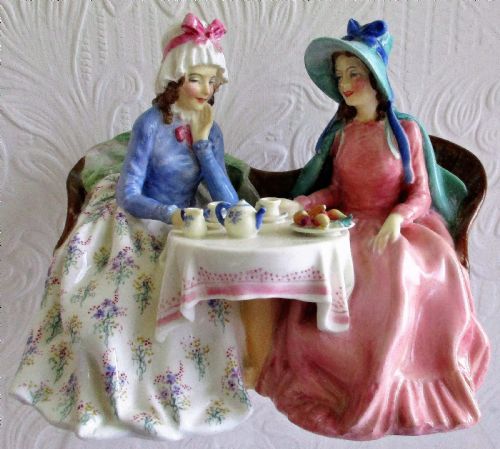


Porcelain Lady Statue
A porcelain lady statue brings domestic grace into a room through moulded ceramic and fine hand-painted glaze.
Porcelain Lady Statue
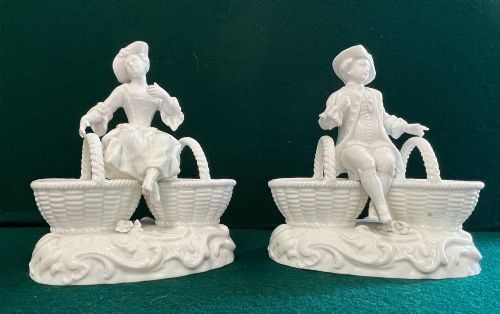
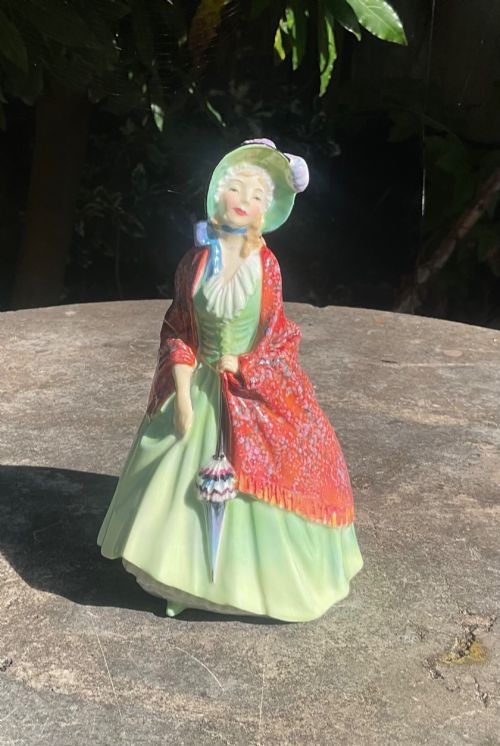
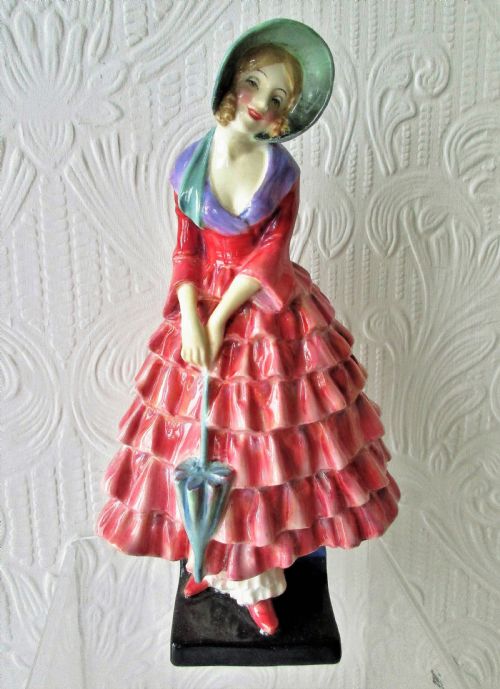
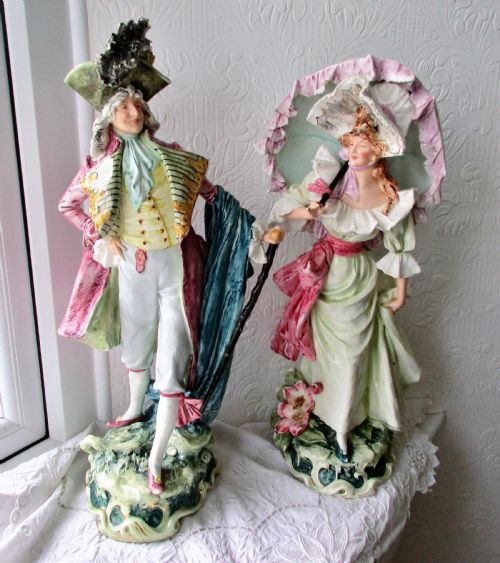
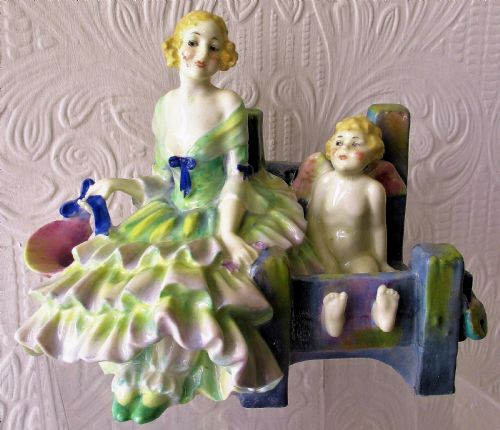
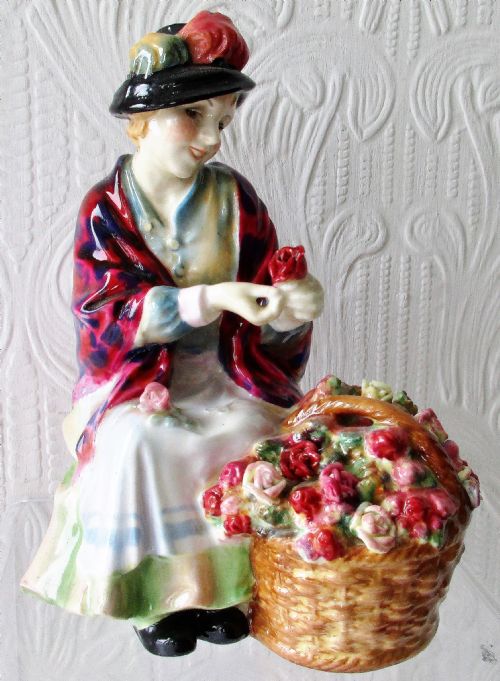
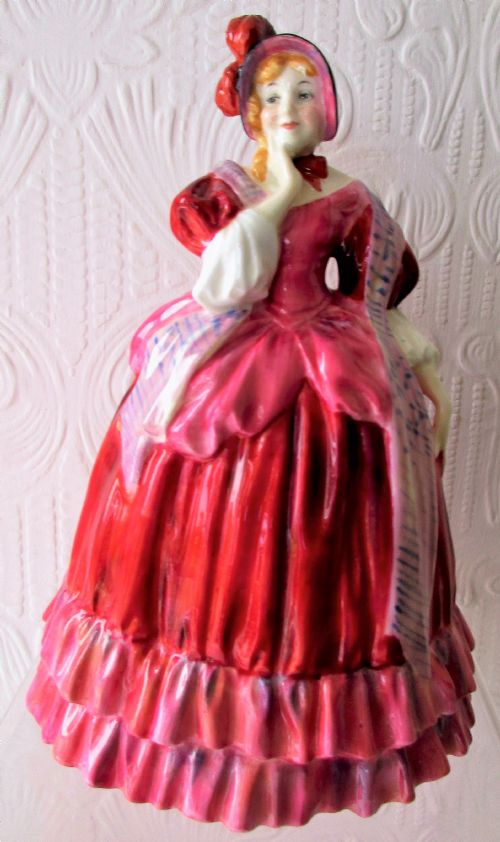
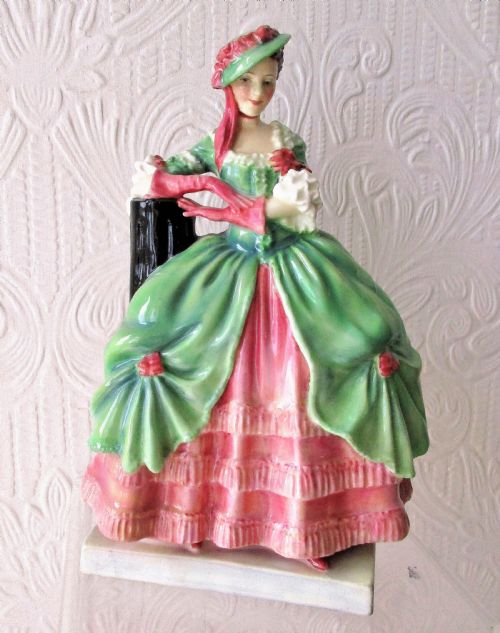
When you search for a porcelain lady statue, you encounter figures and decorative sculptures shaped from ceramic materials across multiple centuries. These pieces take the form of individual female subjects, historical characters, and graceful maidens holding everyday objects.
The selections available range from Victorian parian ware and Meissen pairs to Art Deco ceramic green dress figures and Japanese Kutani depictions. English porcelain figurines by manufacturers such as Royal Doulton represent a significant portion of the grouping.
Origins span across English, French, German, and Japanese workshops, encompassing periods from the eighteenth century through the Edwardian era and the 1930s. The common thread is the depiction of the female form in glazed or biscuit porcelain.
What varies in quality
The depth and consistency of the enamel and glaze application dictate visual richness, while the preservation of delicate elements like fingers, hats, and baskets determines the integrity of the surviving statue.
The selection spans production dates from the eighteenth century through the Edwardian period, Art Deco, and the 1930s.
Royal Doulton·Royal Worcester·Royal Dux·Samson·Ernst Wahliss
The Porcelain Lady Statue Glossary
- Biscuit porcelain
- Unglazed ceramic body fired once to create a matte, marble-like surface texture. This finish is also known as bisque.
- Parian ware
- Fine white unglazed porcelain developed in the nineteenth century to imitate carved marble statues. It appears frequently in Victorian figural works.
- Faience
- Tin-glazed earthenware originating in France and continental Europe. It provides an opaque white background for painted decoration.
- Enamel
- Vitrified glass paste applied over the fired ceramic glaze and fixed with a secondary low-temperature firing. This technique produces vibrant, lasting surface colours.
- Meissen
- Historic European porcelain manufactory known for early hard-paste figures and elaborate sculptural groups. Pieces from this tradition often appear in matched pairs.
Porcelain Lady Statue: Frequently Asked Questions
How do I clean my statue?
Dust the porcelain gently with a soft dry brush to prevent dirt accumulation in delicate crevices and painted folds.
Avoid using harsh chemical cleaning solutions or submerging antique pieces in water, as moisture can damage old glazes and pigments.
Where should I display these figures?
Place statues on stable wooden furniture or within enclosed cabinets away from direct sunlight to protect hand-painted colours.
Ensure they sit safely out of high-traffic zones where accidental knocks might damage projecting elements like fingers or hats.
How do I identify the period?
Examine the stamped marks, backstamps, and painted numbers on the underside of the base to cross-reference known factory dates.
Stylistic markers such as Art Deco geometric lines, Victorian classical drapery, or Edwardian costume details also indicate the era of manufacture.