






Edwardian Porcelain Figure
These edwardian porcelain figure pieces capture the decorative ambition of the early twentieth century through modelled ceramic form.
Edwardian Porcelain Figure
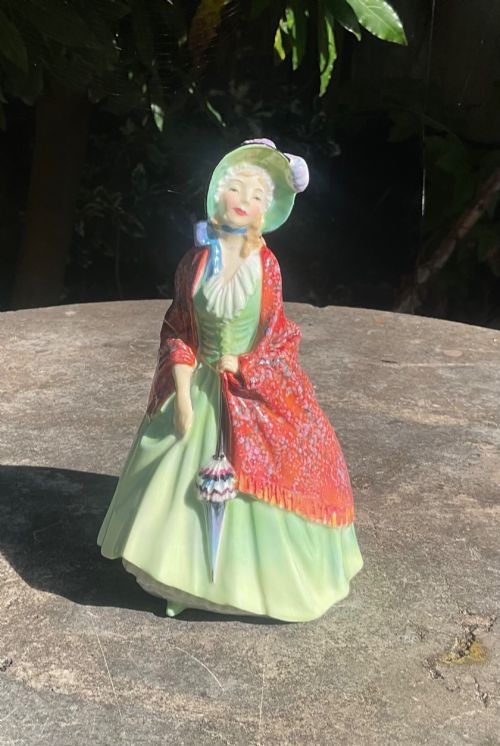
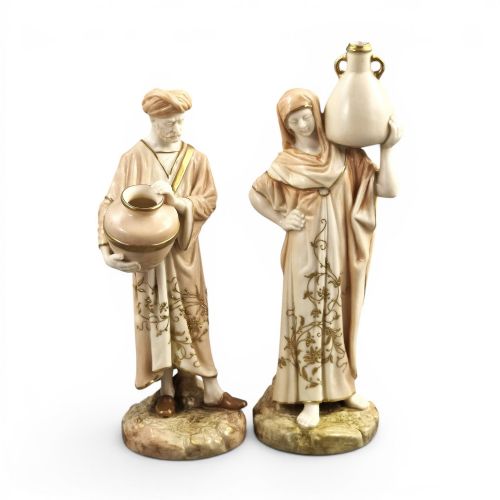
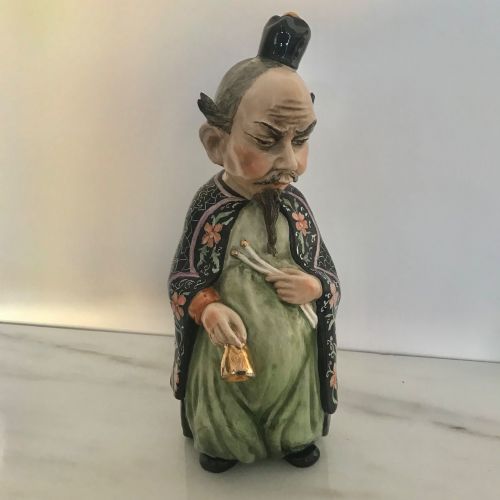
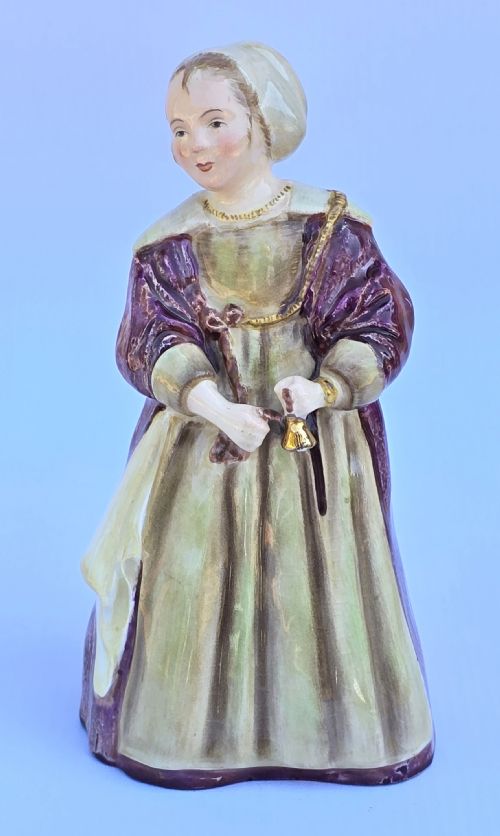
An edwardian porcelain figure takes the form of modelled human characters, mythological subjects, water carriers, and children, frequently produced across European factories. The selection on this page centres on pieces created during the Edwardian period alongside items spanning the broader early twentieth century and the late nineteenth century.
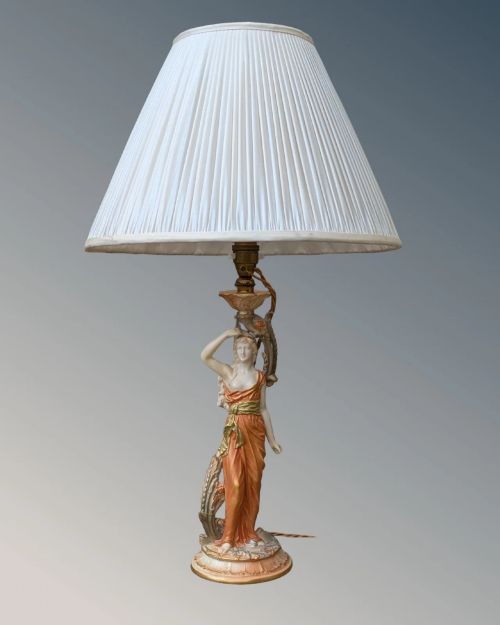
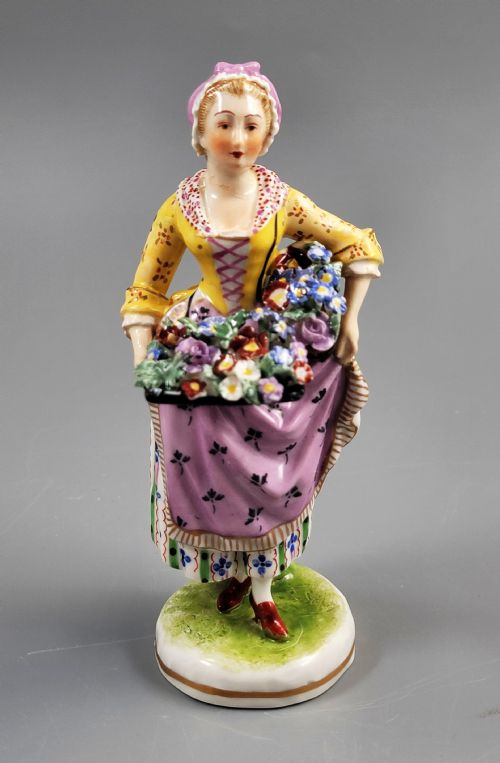
Buyers encounter distinct sculptural types ranging from cabinet figurines and spill vases to table lamps and large display groups. Formats vary from single standing figures of flower and puppy sellers to pairs carrying domestic animals and water nymphs.
Materials and Techniques
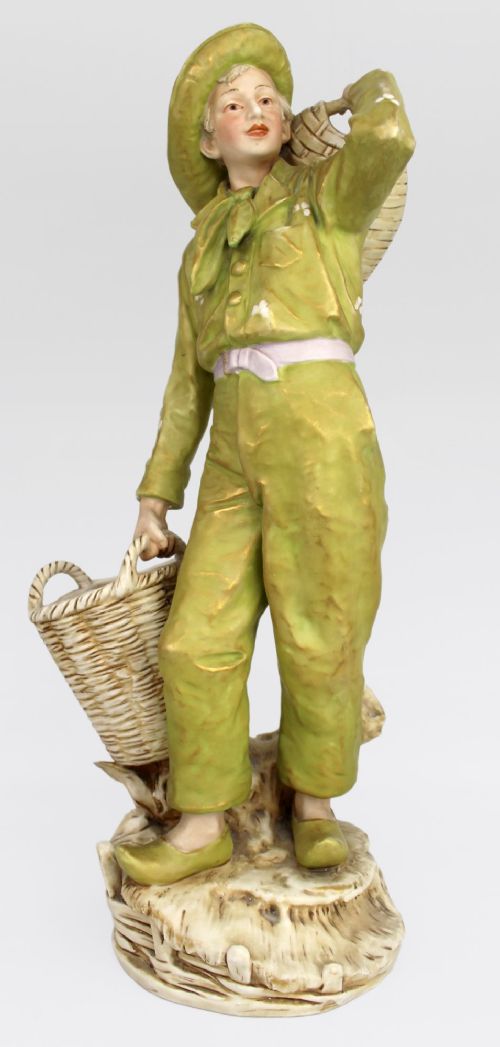
Makers shaped these items using porcelain, earthenware, and bisque ceramic bodies, applying enamel paint and gilt or gold leaf details by hand. Certain works utilise blush ivory glazes and shot enamel finishes to create subtle surface textures.
Factories employed slip-casting and hand-modelling techniques before firing the clay bodies, subsequently adding polychrome enamel colours and metallic highlights prior to a final glaze firing.
Fishermen, puppy sellers, water nymphs, and children populate these ceramic scenes, sharing shelf space with domestic pets.
Assessing Quality
Quality rests in the crispness of the modelled detail, particularly in facial expressions, drapery folds, and the delicate rendering of hands, flowers, and accessories. Superior examples maintain clean application of hand-applied enamel colours and gilding without blurring.
Scale and ambition dictate distinction within the range, separating modest cabinet items from large, complex figure groups and sculptural lamp bases designed by prominent modellers.
Royal Dux Bohemia·Royal Worcester·James Hadley·Wedgwood and Co Ltd·Ernst Wahliss
The Edwardian Porcelain Figure Glossary
- Bisque
- Unglazed porcelain that presents a matte, marble-like surface texture. This finish highlights fine sculptural detail without the reflection of a glossy glaze.
- Blush Ivory
- A specialised soft ivory-toned ceramic ground developed by Royal Worcester. It provides a warm matte base for delicate floral and figural enamel decoration.
- Spill Vase
- A hollow vertical vessel designed to hold taper candles or wooden spills for lighting pipes and fires. These objects are frequently incorporated into figural ceramic compositions.
- Shot Enamel
- A specialised decorative finish that produces an iridescent, shifting colour effect across the ceramic surface. It creates varied metallic sheens under changing light.
Edwardian Porcelain Figure: Frequently Asked Questions
How do I identify an Edwardian figure?
Look for stylistic cues drawn from Art Nouveau and traditional manufacturing periods typical of the early twentieth century. Maker marks and registration numbers stamped on the base also help date the work.
Examine the glaze type and palette, as Edwardian factories utilised specific soft enamels and blush ivory finishes distinct from later decades.
Where were these figures made?
Production centres spanned major European ceramic hubs including England, Germany, and Bohemia. Each region contributed distinct regional modelling traditions and body types.
English works often emerged from Worcester and Staffordshire potteries, while continental pieces frequently originated from Bohemian and German porcelain houses.
How should I display porcelain figures?
Place figures away from direct sunlight to preserve the stability of hand-applied enamel colours and gold leaf details. Stable, enclosed shelving protects delicate extremities like fingers and flower petals from accidental knocks.
Ensure the display location experiences minimal vibration and consistent room temperature to protect antique ceramic bodies.
Can these figures be used as lamps?
Certain large figural compositions were manufactured or later adapted as table lamps to combine illumination with sculptural display. Wiring must be assessed by a professional to ensure safety.
Original lamp fittings should be inspected for age compatibility while preserving the structural integrity of the porcelain body.