


Royal Dux Bohemia Figurine
A royal dux bohemia figurine brings the flowing lines and natural forms of turn-of-the-century ceramic art directly into a room.
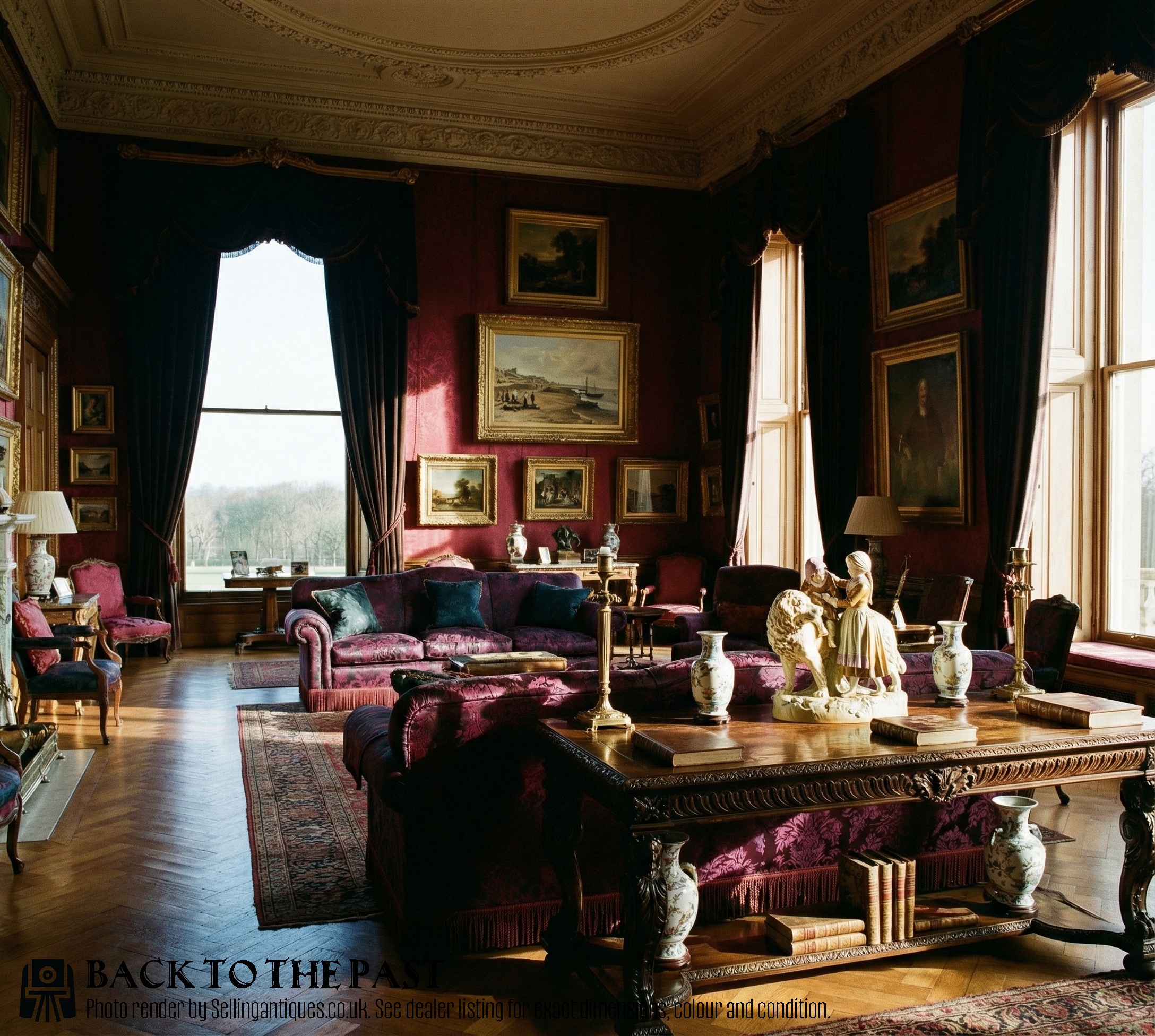
Royal Dux Bohemia Figurine
When you search for a royal dux bohemia figurine, you encounter sculptural ceramics produced in Bohemia during the late nineteenth and early twentieth centuries. These figures range from single character studies to large groups depicting human subjects such as fishermen, water carriers, and young women alongside animal figures like parrots, dogs, and horses. The pieces available here span several decades, including Victorian Orientalism and Edwardian productions, reflecting the shifting tastes of the period.
The most common examples you meet on this page date from the Edwardian era and the nineteen-tens, heavily influenced by the organic contours of Art Nouveau. These objects function primarily as decorative centrepieces or sculptural ornaments rather than utilitarian vessels. They capture narrative moments, from daily labour to exotic subjects, rendered in porcelain or terracotta.
How they were made
Makers of a royal dux bohemia figurine utilised porcelain and terracotta as the primary sculptural bases for their modelled forms. Skilled modellers shaped these materials into complex human and animal figures before firing them in kilns.
Surface decoration involved the application of glaze, enamel, paint, and occasional highlights of gold leaf or gilt. This combination of ceramic body and hand-finished colour created the distinct textured appearance characteristic of the manufactory.
Listings feature porcelain and terracotta materials decorated with enamel, paint, and gold leaf across multiple periods.
What varies in quality
The sophistication of the modelling separates standard production pieces from major sculptural works. Pieces designed by named modellers display a sharper anatomical accuracy and a greater sensitivity in the drapery of clothing.
The application of surface finish determines visual depth, where subtle enamel work and restrained gilt or gold leaf accents enhance the contours of the porcelain. Larger groups and prototype examples demonstrate greater ambition in scale and composition.
H. Schubert
The Royal Dux Bohemia Figurine Glossary
- Art Nouveau
- A style of art and design popular in the late nineteenth and early twentieth centuries, characterised by fluid, organic lines and floral motifs. This aesthetic heavily influences the curved drapery and natural postures found on many figures.
- Porcelain
- A ceramic material made by heating raw materials, generally including clay in the form of kaolin, in a kiln. It provides a fine, smooth white body suitable for detailed modelling and delicate painted finishes.
- Terracotta
- A porous reddish-brown earthenware clay used for sculptural modelling before firing. It offers a heavier, earthier texture compared to smooth white porcelain.
- Gilt
- A thin layer of gold or gold-like material applied to the surface of ceramic objects. It highlights specific decorative details, such as garment trims or accessories.
- Enamel
- A decorative glass-like substance fused to the surface of ceramics through firing. It adds durable, vivid colour to painted costumes and botanical elements.
Royal Dux Bohemia Figurine: Frequently Asked Questions
What periods do these figures come from?
The pieces span the late nineteenth and early twentieth centuries, encompassing Victorian Orientalism and Edwardian periods.
Dates cluster around nineteen-ten, nineteen-hundred, and eighteen-eighty, reflecting the peak years of Bohemian ceramic production.
How were these figures used originally?
These items served as ornamental display pieces in bourgeois interiors, positioned on mantelpieces or occasional tables.
They functioned purely as decorative art objects rather than serving any practical household function.
What subjects do the figures depict?
Common subjects include human figures engaged in daily tasks, such as fishermen, water carriers, and young women.
Animal subjects like parrots, dogs, and larger groups also appear frequently across the available selection.
How do porcelain and terracotta versions differ?
Porcelain provides a smooth, refined white surface that accepts delicate enamel and gilt highlights with sharp clarity.
Terracotta offers a heavier, warmer base material with a distinct tactile quality suited to different sculptural styles.