




Classical Female Figurine
A classical female figurine brings sculptural poise and mythological grace into a room through enduring materials.
Classical Female Figurine
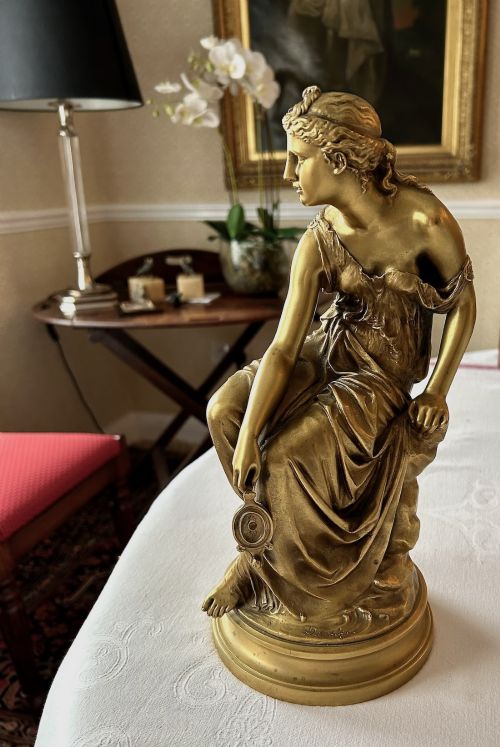
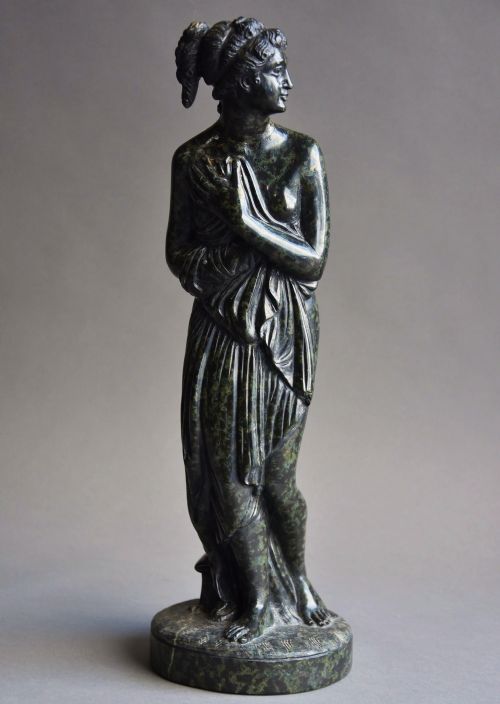
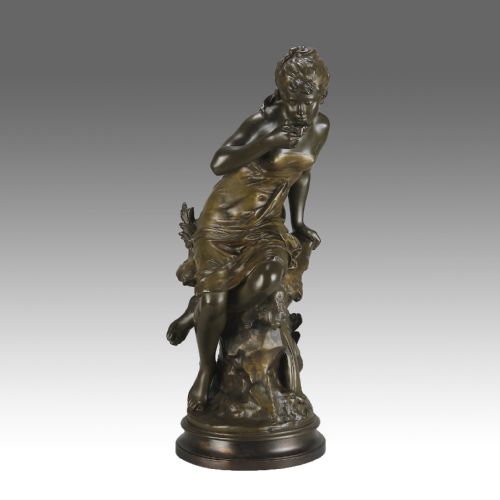
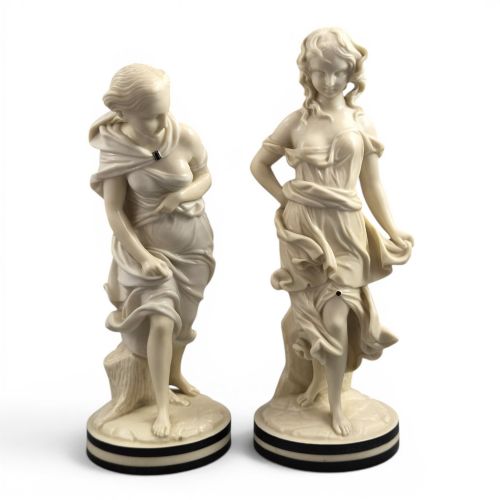
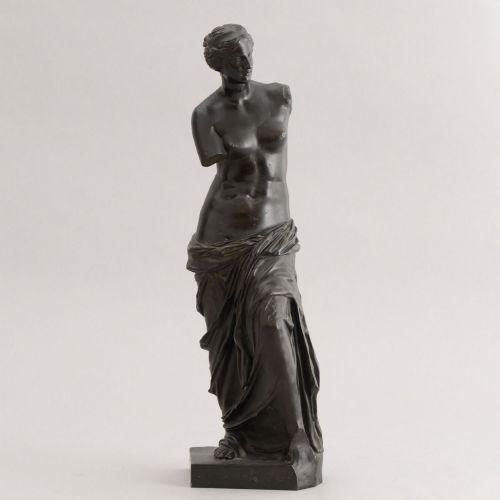
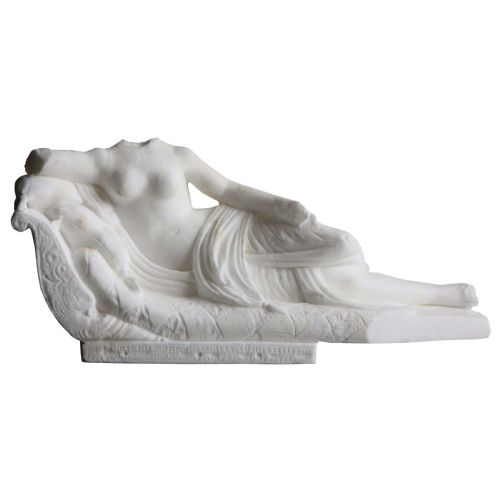
A classical female figurine embodies mythological figures, historical heroines, and allegorical subjects rendered in three dimensions. Buyers seeking a classical female figurine encounter diverse sculptural interpretations spanning the nineteenth century through the art deco era.
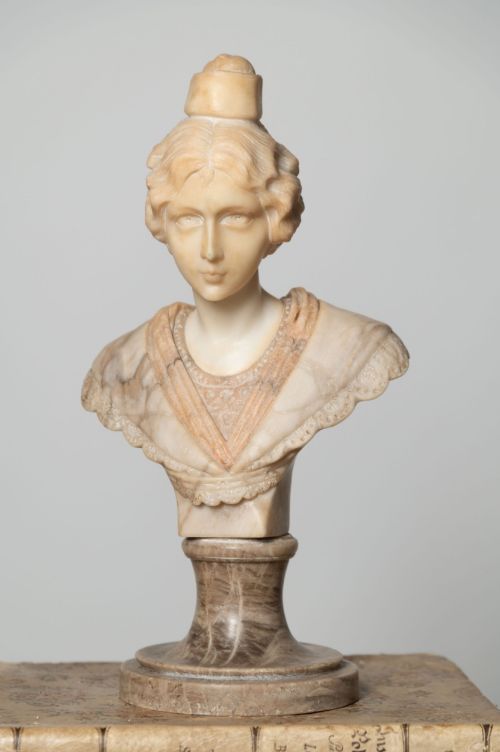
French workshops and English potteries produced the majority of these sculptural works. The selection ranges from cabinet bronzes and Grand Tour souvenirs to monumental porcelain figures and carved alabaster busts.
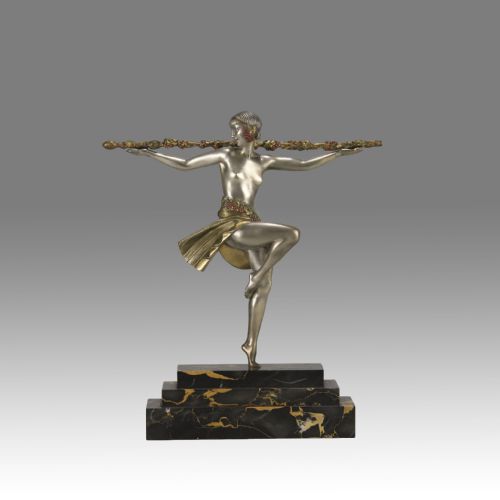
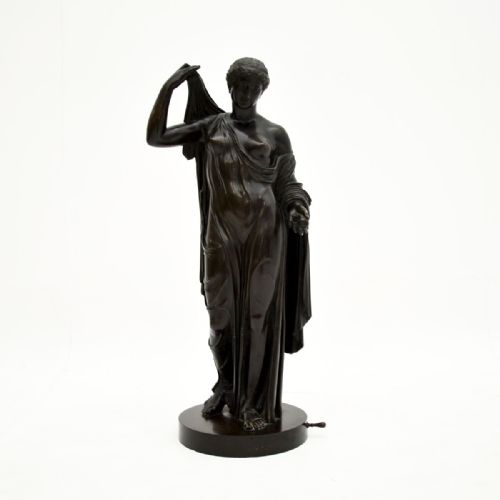
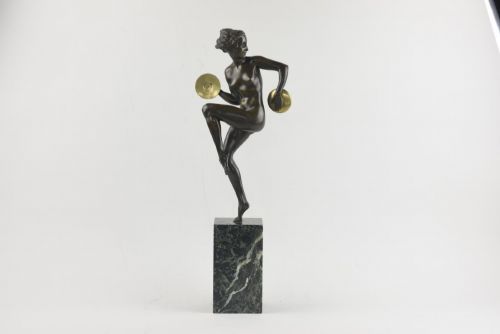
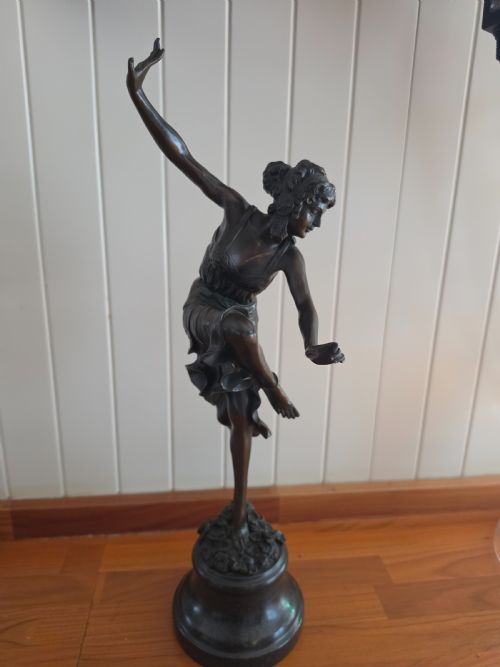
Representations of Venus, dancers, and allegorical maidens dominate the form. These subjects reflect changing tastes from strict neoclassical revival to fluid art nouveau and stylised art deco designs.
Materials and construction
Bronze casting utilising the lost wax technique created intricate metal figures, frequently enhanced with cold painted highlights or gilt finishes. Foundries paired these metal sculptures with marble plinths or bases.
Ceramic works relied on porcelain, parian ware, and bisque bodies shaped in moulds and fired at high temperatures. Certain porcelain pieces incorporate shot enamel or delicate hand-painted details.
Carved pieces utilised natural materials including Carrara marble, serpentine, alabaster, and limewood. Artisans worked these stones and woods by hand to achieve smooth contours and realistic drapery.
Distinguishing quality
The precision of the casting and the crispness of the chased surface detail separate superior bronzes from standard productions. Master founders achieved subtle transitions in muscle tone and fabric folds.
The selection of the mounting material, such as figured marble or polished serpentine bases, influences the overall integrity of the sculpture.
Etienne-Henri Dumaige·Pierre le Faguays·Antonio Canova·Mathurin Moreau·E. Villanis·James Hadley·Royal Worcester·Royal Dux·Fritz Kochendorfer·Hans Müller·Aristide Maillol·Barbedienne
The Classical Female Figurine Glossary
- Parian porcelain
- A fine-grained unglazed ceramic developed in the nineteenth century to imitate carved marble. It produces a smooth matte surface ideal for classical figure sculpture.
- Grand Tour
- A traditional trip through Europe undertaken by upper-class scholars and collectors during the eighteenth and nineteenth centuries. Souvenirs from these journeys included small-scale bronzes and carved stone figures of classical antiquities.
- Cold painted bronze
- A method where oil paint is applied to a cold metal surface rather than fired in a kiln. This technique allowed for vibrant polychrome finishes on early twentieth-century dancer figures.
- Bisque porcelain
- Unglazed ceramic fired to a matte, porous finish that resembles white marble. It captures subtle sculptural details without the glossy sheen of traditional porcelain.
- Serpentine
- A group of green hydrous silicate minerals often polished for use in decorative objects and sculpture bases. It provides a mottled green ground resembling jade.
Classical Female Figurine: Frequently Asked Questions
What materials were used?
These sculptures utilise cast bronze, carved marble, alabaster, limewood, and various ceramic bodies including parian and bisque porcelain. Foundries frequently mounted bronze figures onto heavy stone bases.
Makers selected these durable media to capture the smooth drapery and anatomical detail characteristic of classical sculpture.
How do I date a piece?
Dating relies on stylistic markers, foundry stamps, ceramic factory marks, and the specific material combinations typical of nineteenth-century revival or early twentieth-century modern movements. Art nouveau curves differ visibly from art deco geometry.
Signatures incised into the bronze or carved into the marble base provide direct attribution to named sculptors and ateliers.
Where should I display them?
These sculptures suit tabletops, mantelpieces, and dedicated pedestals where adequate lighting reveals the modelling of the form. Alabaster and marble pieces benefit from placement away from direct heat sources.
Pairing a bronze figure with a wooden surface or placing a porcelain maiden on a neutral shelf highlights the texture of the material.