

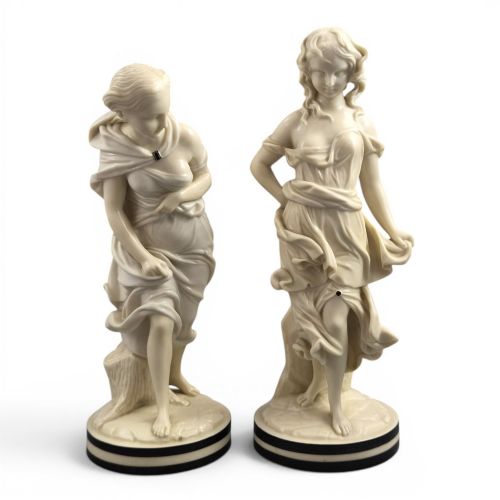

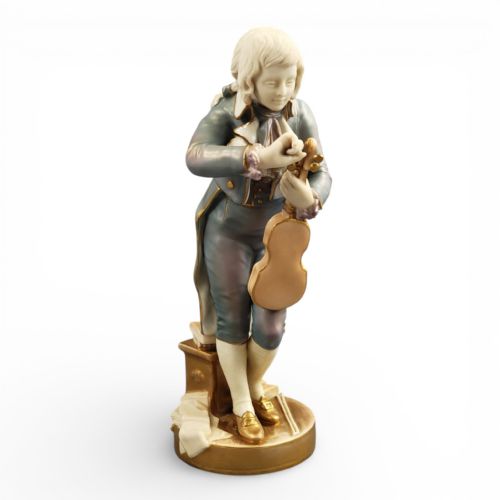


Royal Worcester Figurine
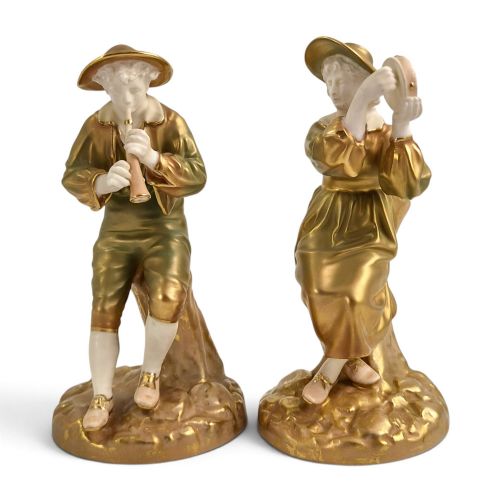
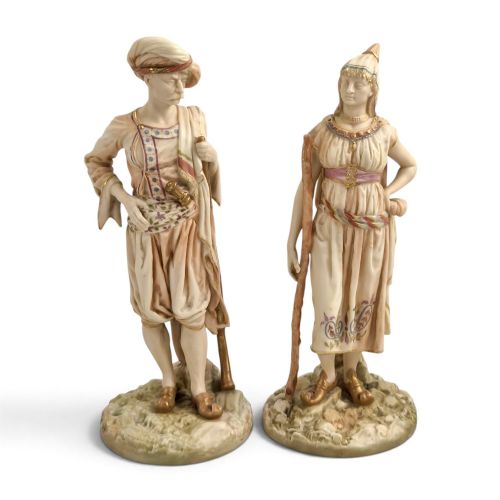
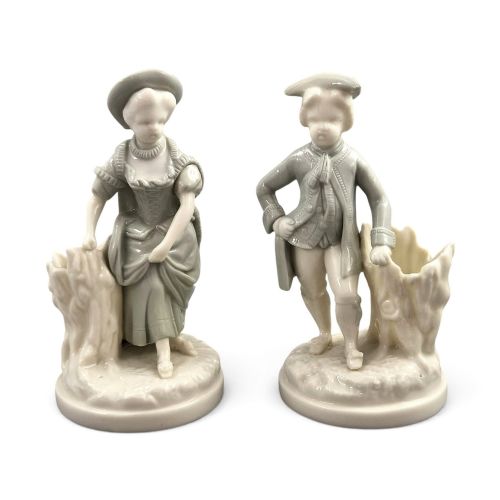
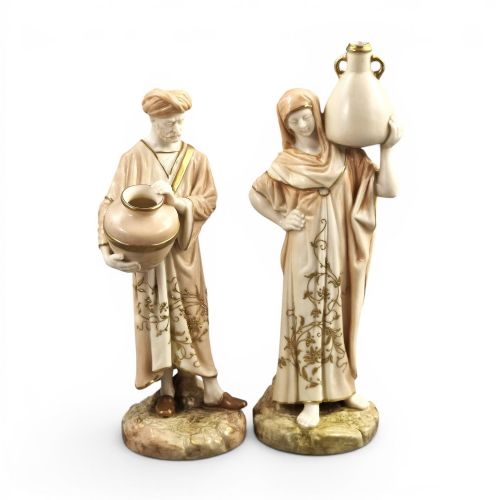
These pieces capture the height of British ceramic artistry, offering detailed classical and orientalist forms that define a royal worcester figurine collection.
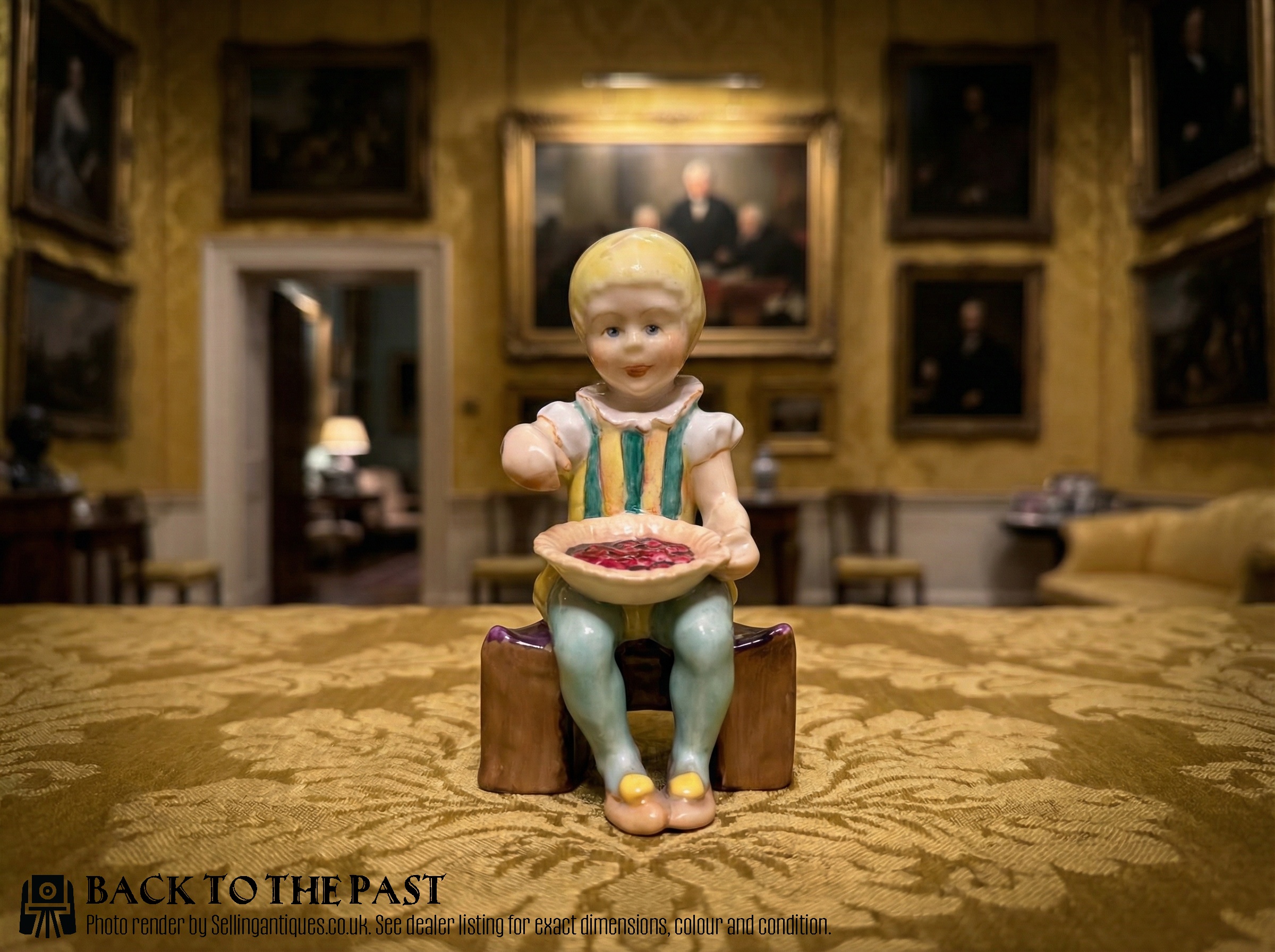
Royal Worcester Figurine
A royal worcester figurine typically depicts classical maidens, exotic water carriers, children, or literary characters modelled with careful precision. The pieces span from the mid-nineteenth century through the Edwardian era and into the mid-twentieth century, showing shifts from Victorian opulence to simpler twentieth-century forms.
Collectors encounter candle snuffers, figural salts, and candelabra alongside traditional standing figures. Many examples draw inspiration from Victorian Orientalism, Neoclassical revivalism, and eighteenth-century aesthetics.
How They Were Made
Makers utilised fine porcelain, parian ware, and ceramic bases, often finished with delicate glaze and shot enamel. Artisans applied gold leaf and rich gilding to accent drapery, bases, and accessories.
Complex pieces required skilled hand-painting, particularly on blush ivory grounds and modelled surfaces. Figures were cast from detailed moulds before receiving their final surface decoration and firing.
Royal Worcester Figurine Retail Price Guide 2026
Typical asking prices for royal worcester figurine among the pieces listed under this phrase on Sellingantiques today, from the lower quarter to the upper quarter. They describe what is for sale here now, not the wider market.
Domestic life finds charming expression through ceramic characters like Mr and Mrs Caudle caught mid-argument.
What Varies in Quality
The complexity and preservation of the palette also define the grade of a piece. Delicate hand-applied enamel work, crisp gilding, and well-preserved blush ivory surfaces indicate higher workshop execution.
James Hadley·Kerr And Binns·Freda Doughty·W.B. Kirk
The Royal Worcester Figurine Glossary
- Blush Ivory
- A soft, creamy matte glaze introduced by the factory in the late nineteenth century. It provided a warm background for floral and figural hand-painting.
- Parian Ware
- A fine-grained, unglazed porcelain resembling white marble. It was widely utilised for nineteenth-century classical figures and portrait busts.
- Shot Enamel
- A specialised technique producing iridescent, shimmering colour effects on glazed surfaces. The tones shift depending on the angle of light.
- Candle Snuffer
- A small, hollow figural extinguisher fitted with a handle. These functional pieces often portrayed characters from literature, folklore, or daily life.
- Model Number
- A numeric code impressed or painted on the base corresponding to the factory shape archive. It assists in dating and identifying the specific design.
Royal Worcester Figurine: Frequently Asked Questions
What periods do these figures cover?
The pieces span from the mid-nineteenth century through the Victorian and Edwardian periods, extending into the mid-twentieth century. Production styles evolved from ornate Victorian classical revivalism to simpler twentieth-century character studies.
Evidence shows pieces bearing marks from the 1850s onward, with distinct stylistic shifts occurring around the turn of the century.
How were candle snuffers used?
Candle snuffers served the practical purpose of extinguishing flames safely by covering the wick to starve it of oxygen. Their figural designs allowed them to sit decoratively on mantlepieces when not in daily use.
Victorian and Edwardian households utilised these small ceramic pieces extensively before electric lighting became common.
What is parian ware?
Parian ware is an unglazed porcelain type developed to imitate white marble. It allowed nineteenth-century manufacturers to produce smooth, highly detailed sculptural figures.
The material shows a matte texture and bright white tone well-suited to classical subjects.