



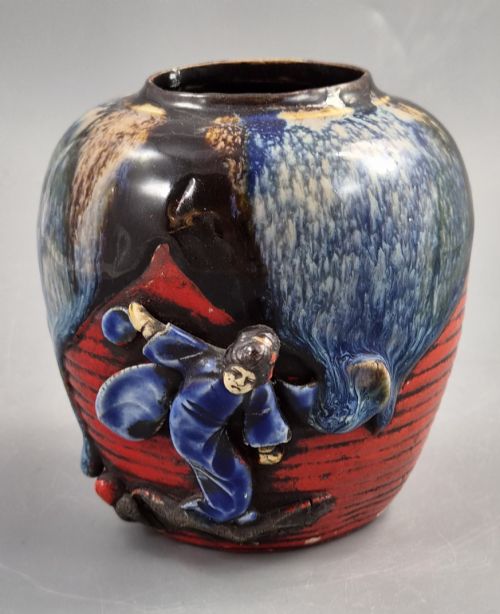
Vintage Ceramic Figure
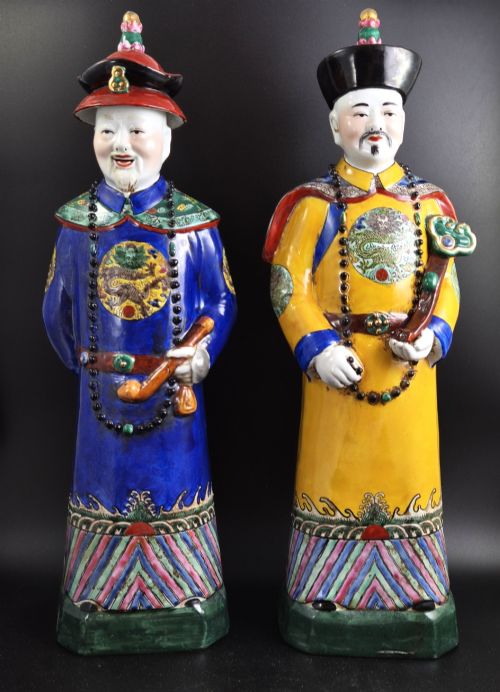
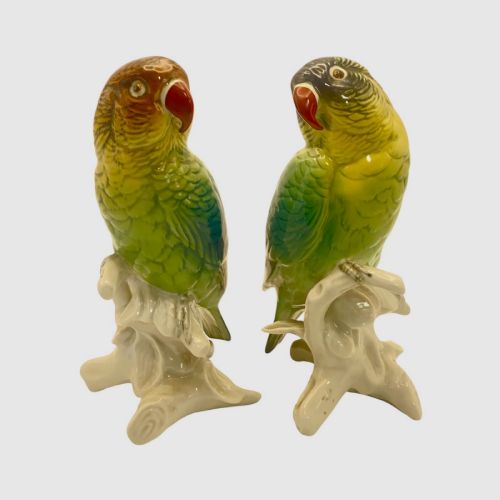
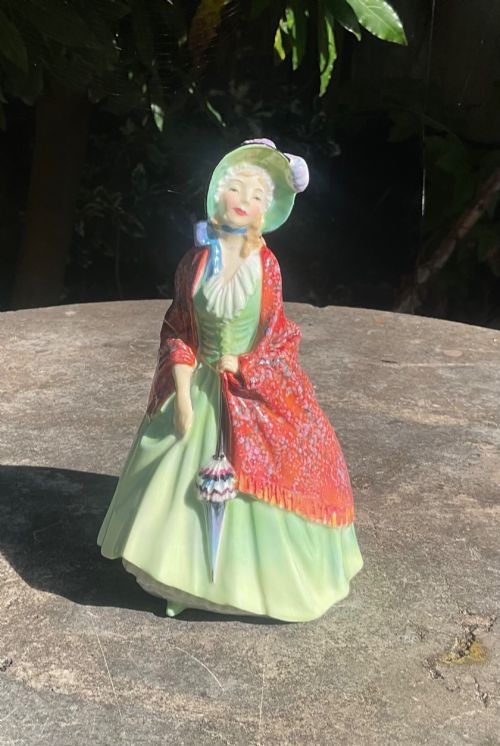
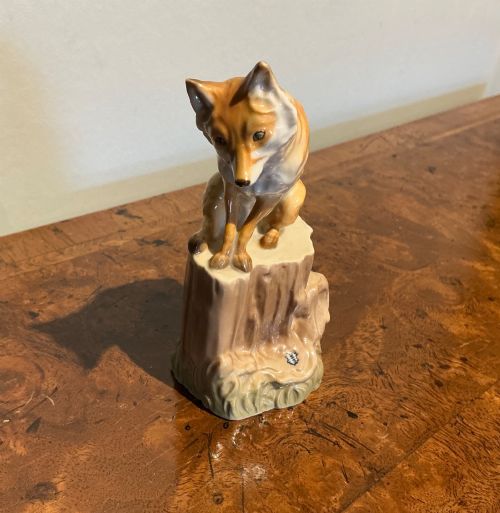
When you search for a vintage ceramic figure, you enter a diverse world of porcelain, earthenware, and terracotta objects spanning from the eighteenth century to the mid-twentieth century.
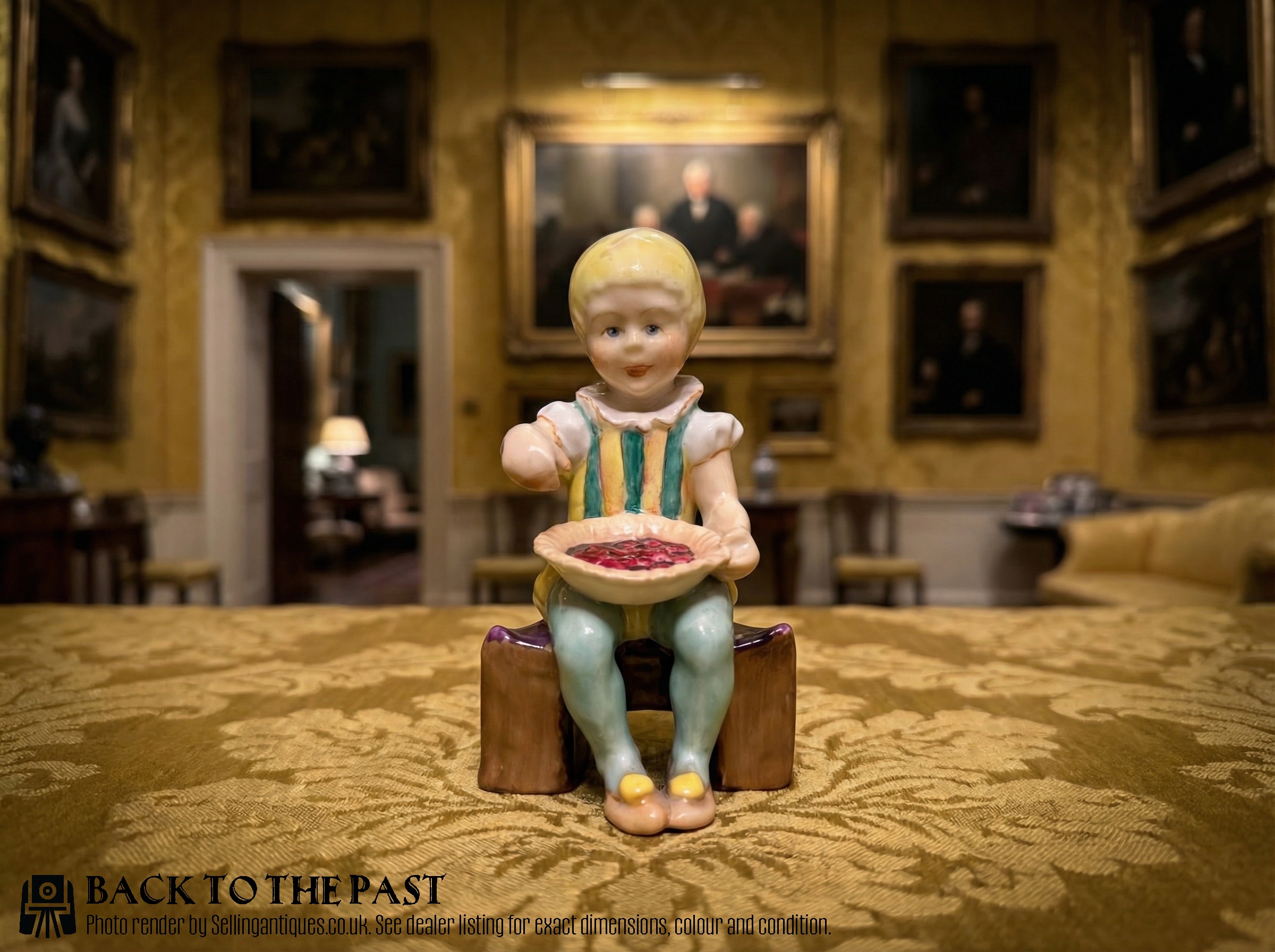
Vintage Ceramic Figure
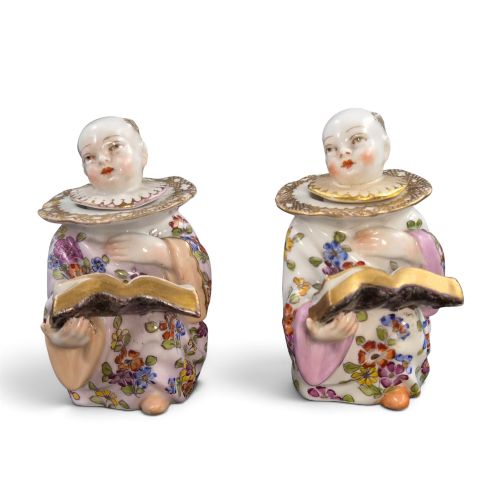
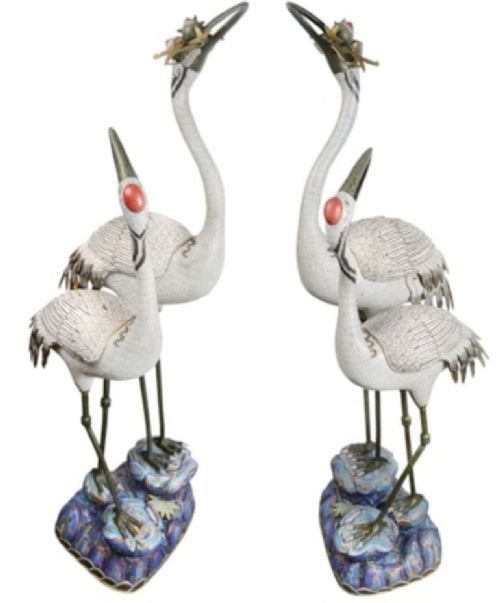
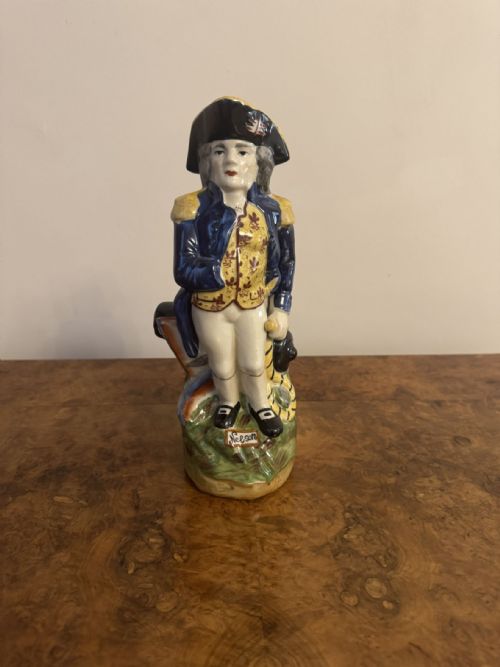
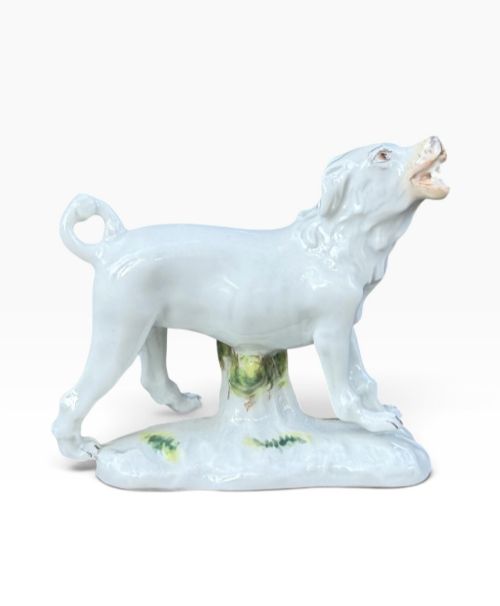
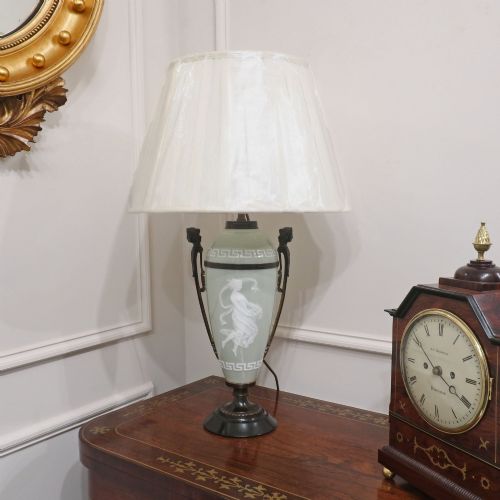
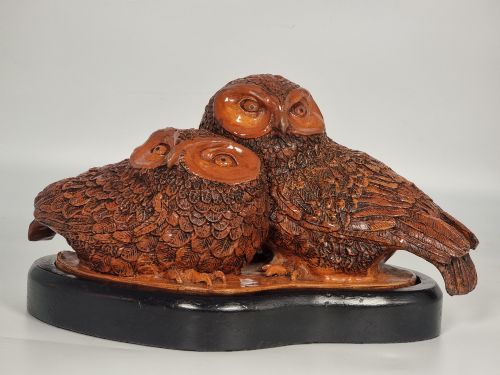
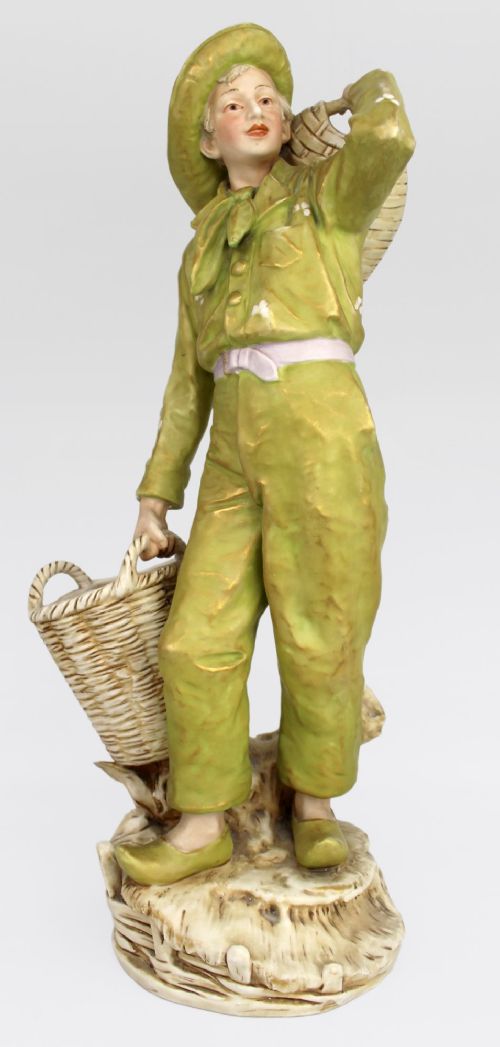
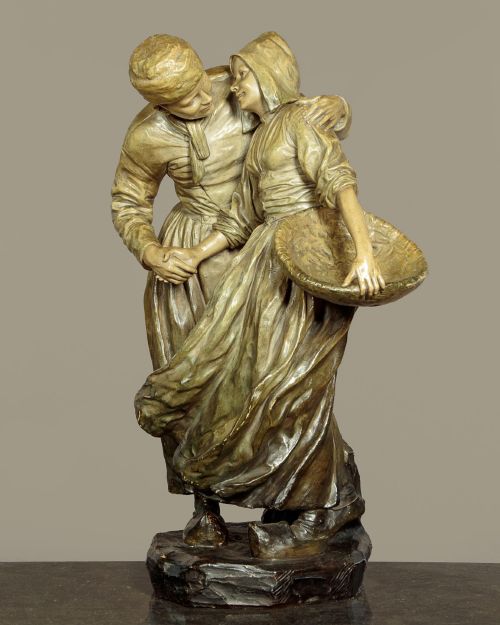
A vintage ceramic figure encompasses various sculptural forms, including figurines, decorative groupings, Toby jugs, and figural inkwells. The pieces derive from diverse traditions, spanning English bone china, French earthenware, German porcelain, and Chinese imperial styles.
The selections on this page range chronologically from eighteenth-century works through nineteenth-century Victorian Staffordshire pottery to twentieth-century productions from major European factories and studios.
How they were made
Makers utilised materials such as porcelain, earthenware, terracotta, and bone china, often finishing surfaces with enamel paint, gold leaf, and specialised glazes like flambé or pate sur pate.
Production techniques combined hand sculpting with moulding, followed by high-temperature firing and detailed hand painting to define facial expressions, clothing textures, and animal coats.
Vintage Ceramic Figure Retail Price Guide 2026
Typical asking prices for vintage ceramic figure among the pieces listed under this phrase on Sellingantiques today, from the lower quarter to the upper quarter. They describe what is for sale here now, not the wider market.
Listings include porcelain, earthenware, terracotta, and bone china spanning the eighteenth through the twentieth centuries.
What varies in quality
The refinement of the clay body and the sophistication of the decorative finishes, such as layered enamels or delicate pate sur pate work, distinguish standard production items from finer sculptural examples.
Royal Doulton·Karl Ens·Edmé Samson·Meissen·Royal Dux Bohemia·Goldscheider·Volkstedt Rudolstadt Factory·Charles Vyse·HB Quimper
The Vintage Ceramic Figure Glossary
- Earthenware
- Porous pottery fired at lower temperatures, typically finished with an opaque glaze or enamel. This material forms the base for many traditional figures and Toby jugs.
- Bone china
- A type of porcelain incorporating bone ash, yielding a durable body with high whiteness and translucency. English manufacturers frequently utilised this composition for detailed figurines.
- Pate sur pate
- A ceramic technique where successive layers of liquid clay are built up on a dark body to create a low-relief cameo effect. French Neoclassical style pieces often showcase this method.
- Terracotta
- Unglazed or glazed fired clay possessing a warm reddish-brown hue. Sculptors valued this medium for capturing expressive textures in animal and human figures.
- Toby jug
- A pottery jug modelled in the form of a stout, jovial person, usually seated and holding a mug or mug and pipe. These character vessels are staples of English Staffordshire production.
Vintage Ceramic Figure: Frequently Asked Questions
How do I identify a vintage ceramic figure?
Examine the base for factory stamps, painted marks, or model numbers that indicate the origin and period of production.
Consider the manufacturing material, weight, and painting style to help determine whether the piece originates from a European factory or a studio potter.
Where were these figures displayed?
These ceramic works historically decorated mantelpieces, side tables, and cabinets within domestic interiors as ornamental display pieces.
Some specialised forms, such as figural inkwells or table lamps, combined decorative sculpture with practical daily functions.
How should I clean my ceramic figure?
Dust the surface gently with a soft, dry brush to remove particles without disturbing delicate painted details or glazes.
Avoid immersing antique ceramic pieces in water, particularly if they feature delicate enamel work or unglazed terracotta elements.
What is the difference between porcelain and earthenware?
Porcelain is fired at higher temperatures using fine materials like kaolin, resulting in a dense, non-porous body that is often translucent.
Earthenware uses common clay fired at lower temperatures, producing a heavier, porous structure that requires a glaze to hold liquids.