




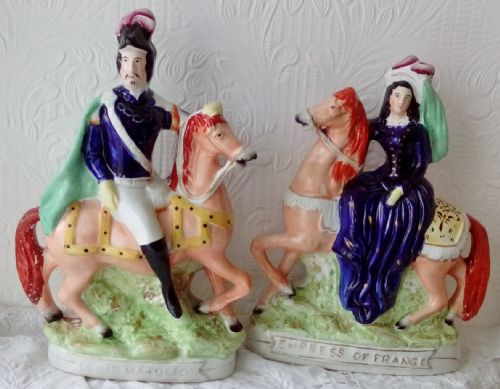
English Porcelain Figurine
An English porcelain figurine brings the character, dress and sculpture of past centuries into a room in miniature form.
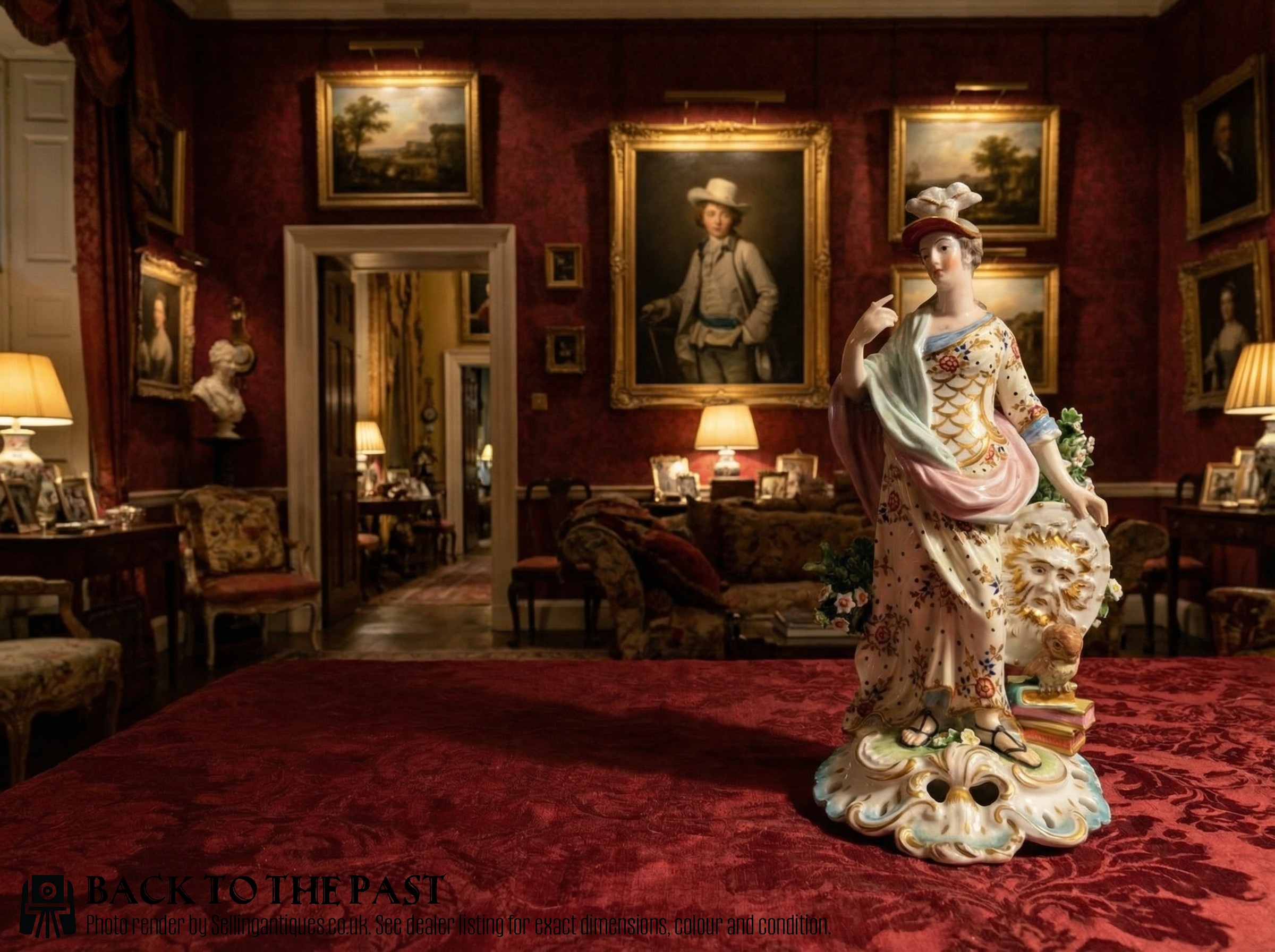
English Porcelain Figurine
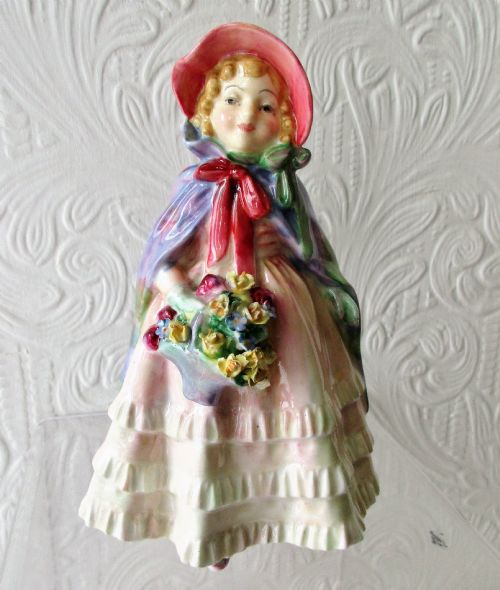
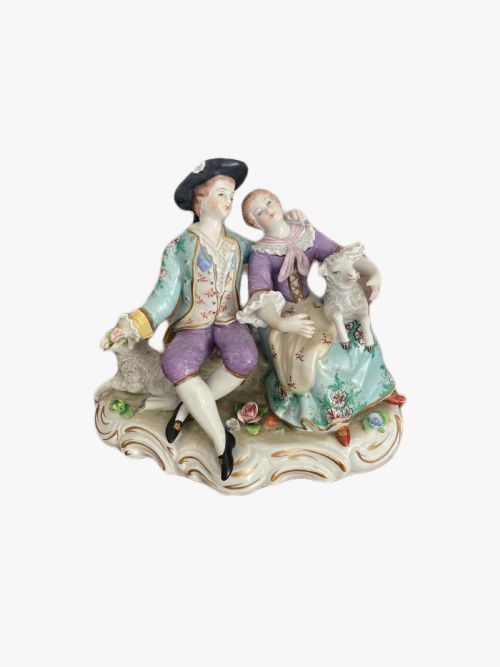
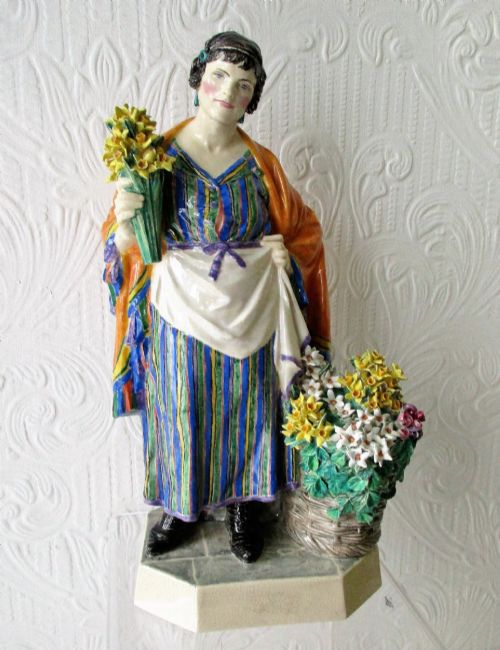
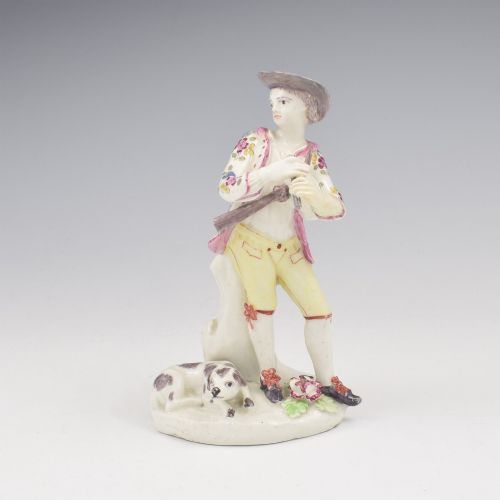
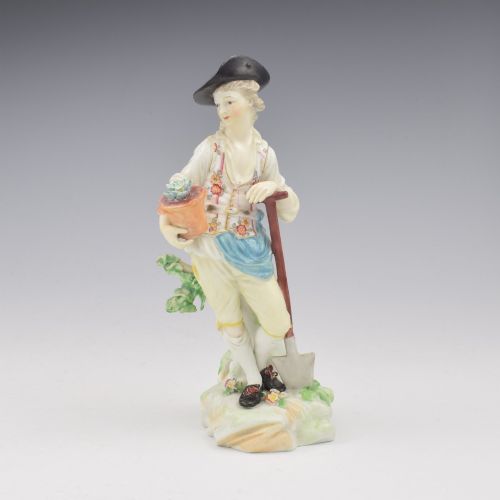
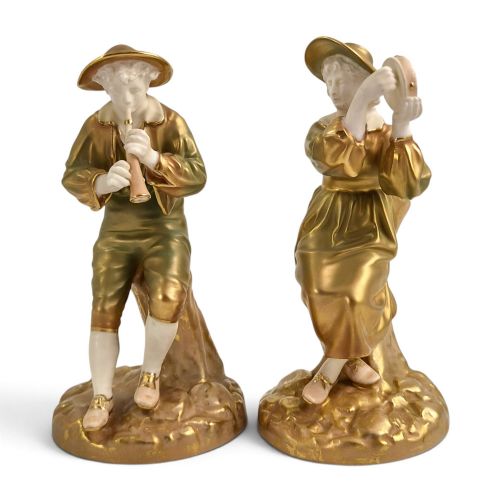
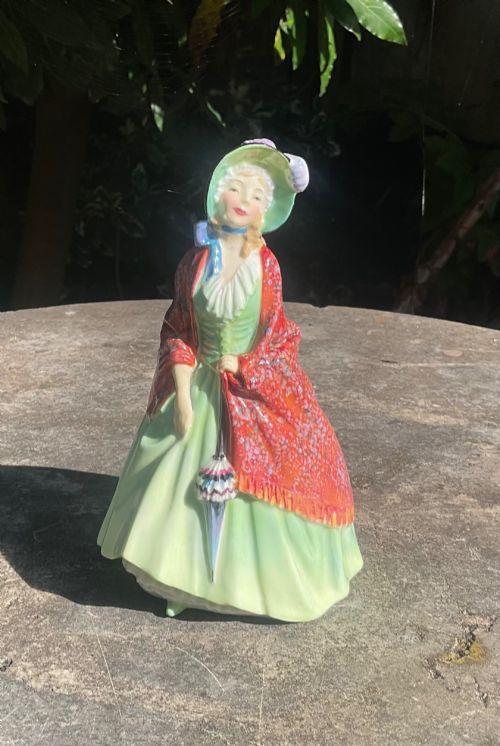
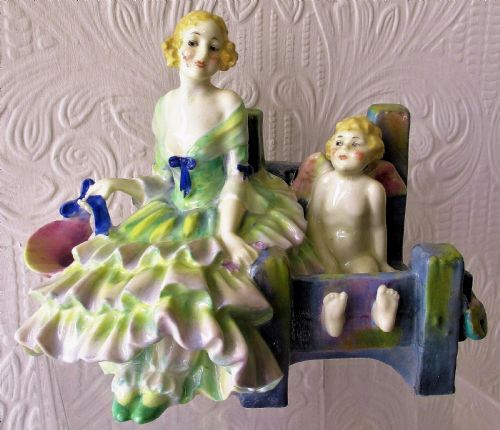
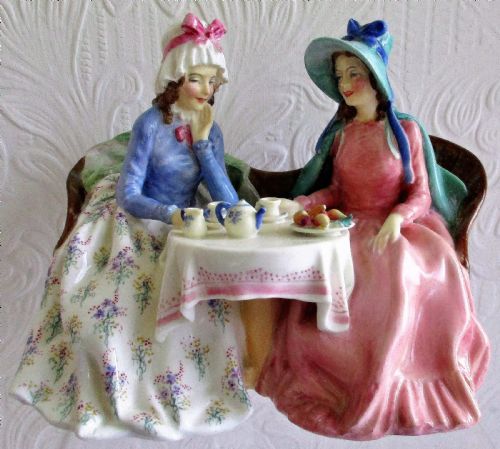
The English porcelain figurine captures human, animal and allegorical subjects modelled in ceramic form across several distinct eras. A buyer exploring this selection encounters everything from early eighteenth-century figures of putti and classical deities to later twentieth-century glazed characters.
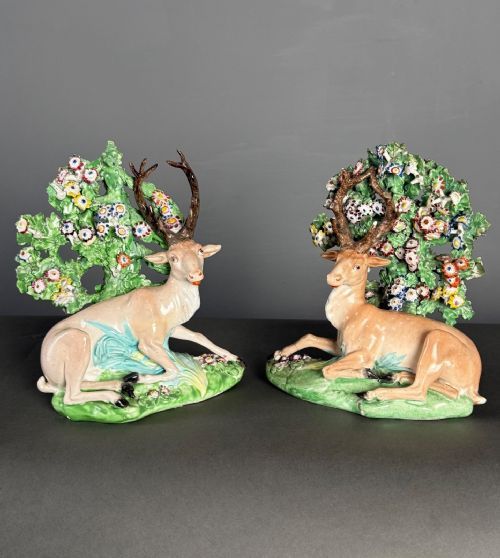
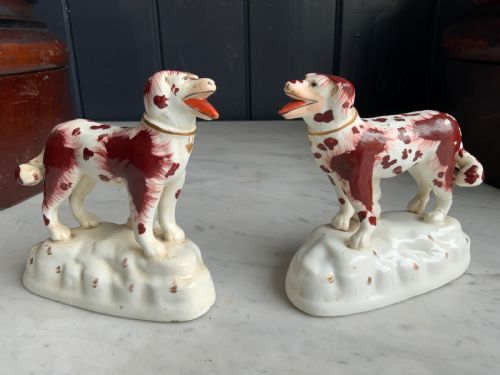
The selection ranges from Georgian models depicting shepherds, stags and literary figures to Victorian Staffordshire dogs and twentieth-century bone china studies. These pieces function primarily as decorative objects, capturing the domestic tastes and sculptural styles of their respective periods.
Materials and methods
Makers utilised soft-paste and hard-paste porcelain, bone china and earthenware, shaping the clay by hand or pressing it into moulds. Detail was added through applied elements such as porcelain flowers, leafy bocage backgrounds and hand-modelled clothing.
Colour was introduced using enamel paints and detailed glaze applications, sometimes complemented by gold leaf highlights. Firing the pieces required careful placement in kilns to fix the glaze and polychrome decoration without warping the delicate porcelain limbs.
English Porcelain Figurine Retail Price Guide 2026
Typical asking prices for english porcelain figurine among the pieces listed under this phrase on Sellingantiques today, from the lower quarter to the upper quarter. They describe what is for sale here now, not the wider market.
Listings span Georgian, Victorian and twentieth-century eras, incorporating porcelain, bone china, enamel and gold leaf.
Evaluating craftsmanship
Quality rests in the crispness of the modelling and the precision of the hand-painted enamel details. Superior examples retain fine facial expressions, delicate fingers and sharp folds in garments without blurring the underlying ceramic form.
Early figures with intricate bocage work or applied floral elements demand exceptional skill from the modeller, where survival of these fragile components intact dictates the standing of the piece.
Royal Doulton·Derby·Bow·Staffordshire·Royal Worcester·John Bevington·Longton Hall
The English Porcelain Figurine Glossary
- Bocage
- An ornamental background of modelled leaves and branches placed behind early porcelain figures. It originated in eighteenth-century factories to frame pastoral and mythological subjects.
- Soft-paste porcelain
- An artificial ceramic body fired at lower temperatures than true porcelain. It possesses a warm, creamy translucency typical of early English manufacture.
- Biscuit
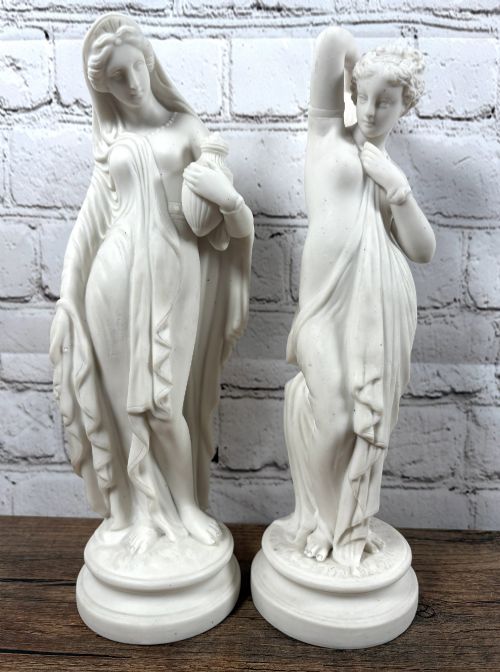
- Unglazed porcelain fired once to a hard, matte state. It resembles white marble and was favoured for classical portrait figures and allegorical groups.
- Enamel
- Opaque glass fused to the surface of the fired ceramic to provide polychrome decoration. Painters applied these colours by hand before a final low-temperature firing.
- Patch mark
- Small unglazed spots on the base of eighteenth-century figures caused by the refractory supports used in the kiln. These marks help identify early manufacture periods.
English Porcelain Figurine: Frequently Asked Questions
How are English porcelain figures dated?
Datation relies upon manufacturing marks, paste composition, modelling style and factory records. Early figures often lack physical stamps, requiring stylistic comparison with documented models.
Later twentieth-century pieces frequently bear registration numbers, factory ciphers or specific title and model numbers on the base.
What is soft-paste porcelain?
Soft-paste porcelain is an early ceramic recipe combining white clay, glass and ground minerals rather than true china clay. It was utilised by eighteenth-century English factories before hard-paste formulas became widespread.
This material absorbs light differently than later bone china, presenting a softer, warmer visual texture.
Why do some figures have bocage?
Bocage represents foliage, trees or shrubbery modelled around the back of pastoral and mythological subjects. It provided structural support during kiln firing while enhancing the theatrical setting of the scene.
This leafy backdrop is characteristic of eighteenth-century figures from factories such as Bow and Derby.
How should figures be displayed?
Display requires stable shelving away from direct sunlight and heavy foot traffic to protect delicate painted surfaces and protruding ceramic details. Enclosed cabinets help prevent dust accumulation on complex forms like floral ornaments and bocage.
Stable placement ensures these fragile historical objects remain secure for daily viewing.