

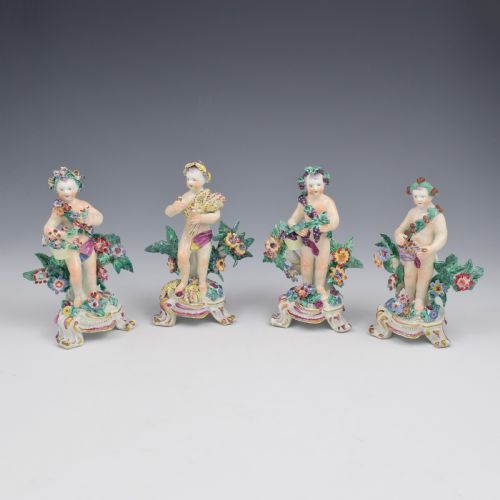


18th Century Porcelain Figure
These 18th century porcelain figure examples bring Georgian mythology and pastoral life to a mantelpiece through delicate modelled clay.

What these figures are
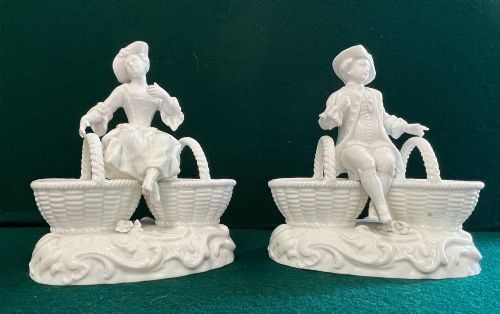
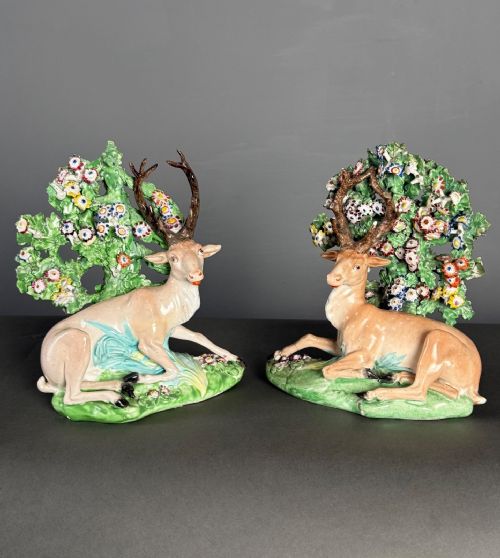
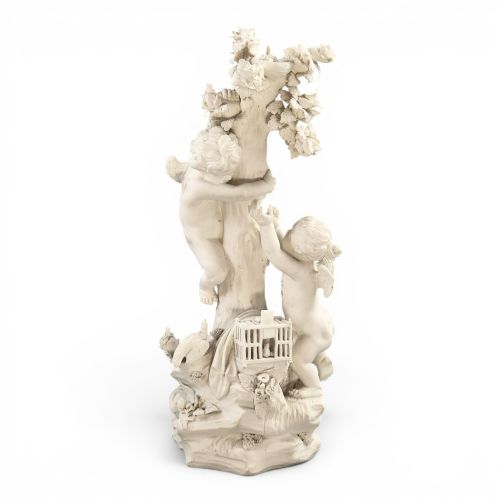
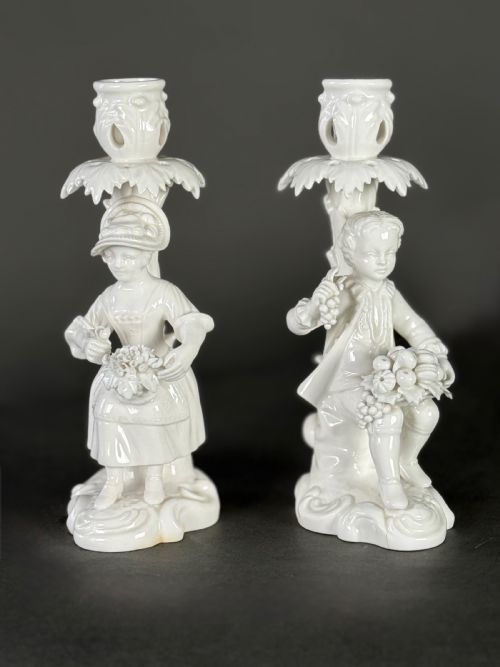
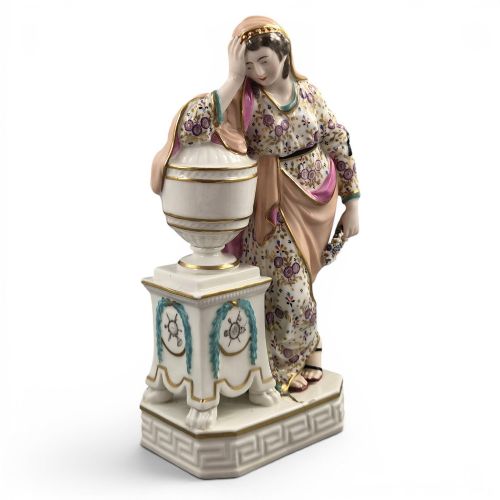
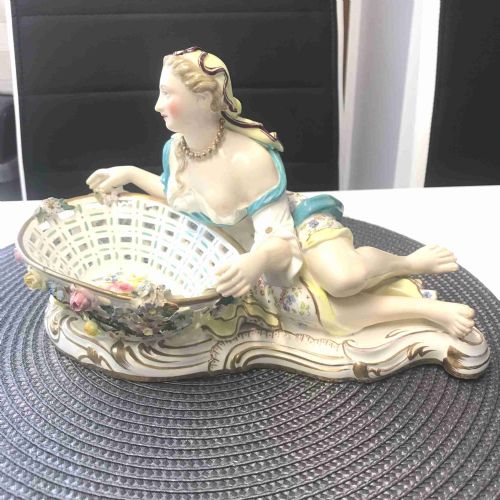
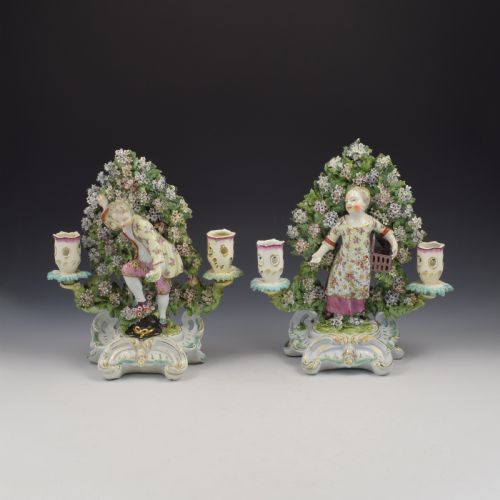
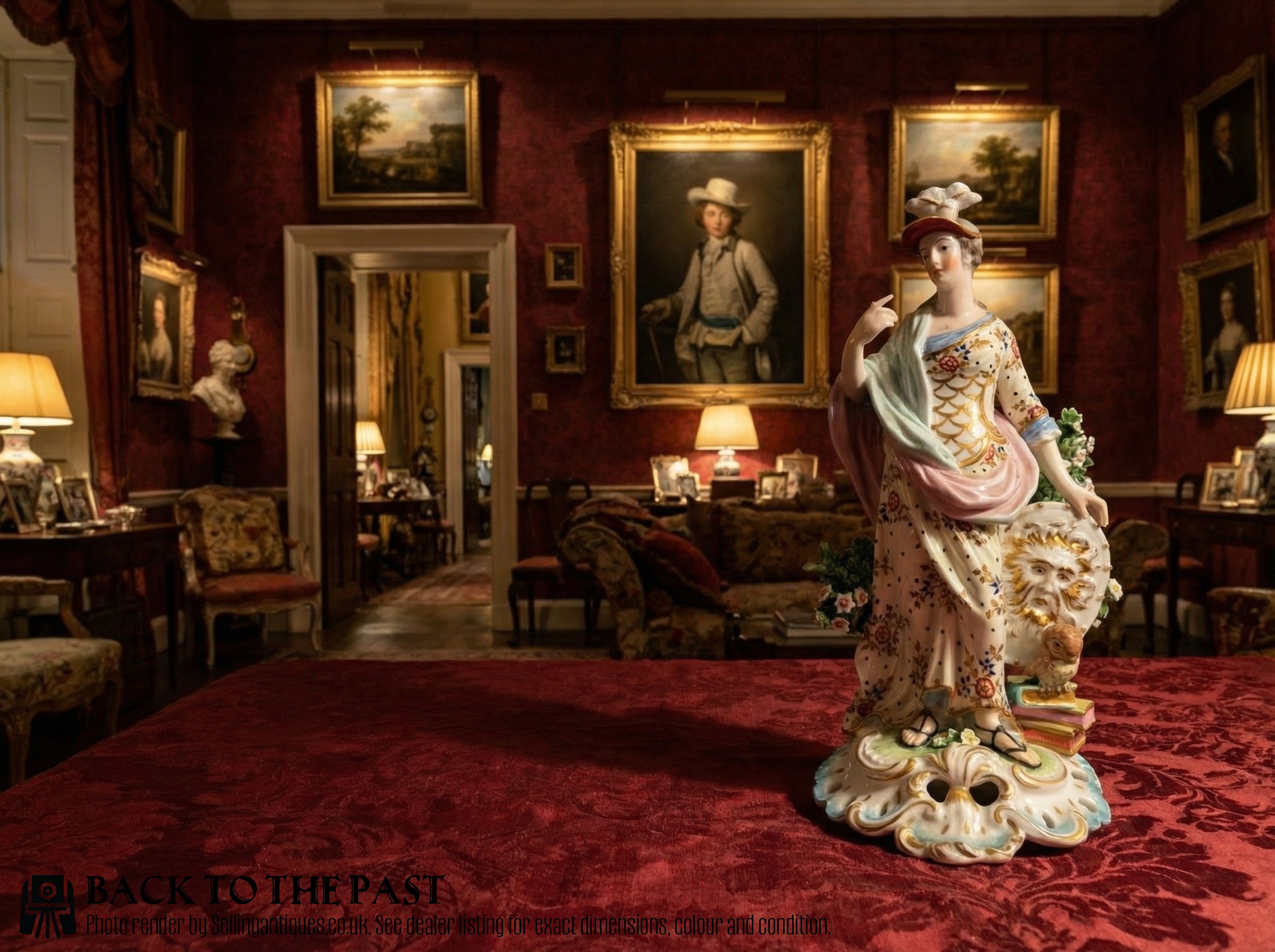
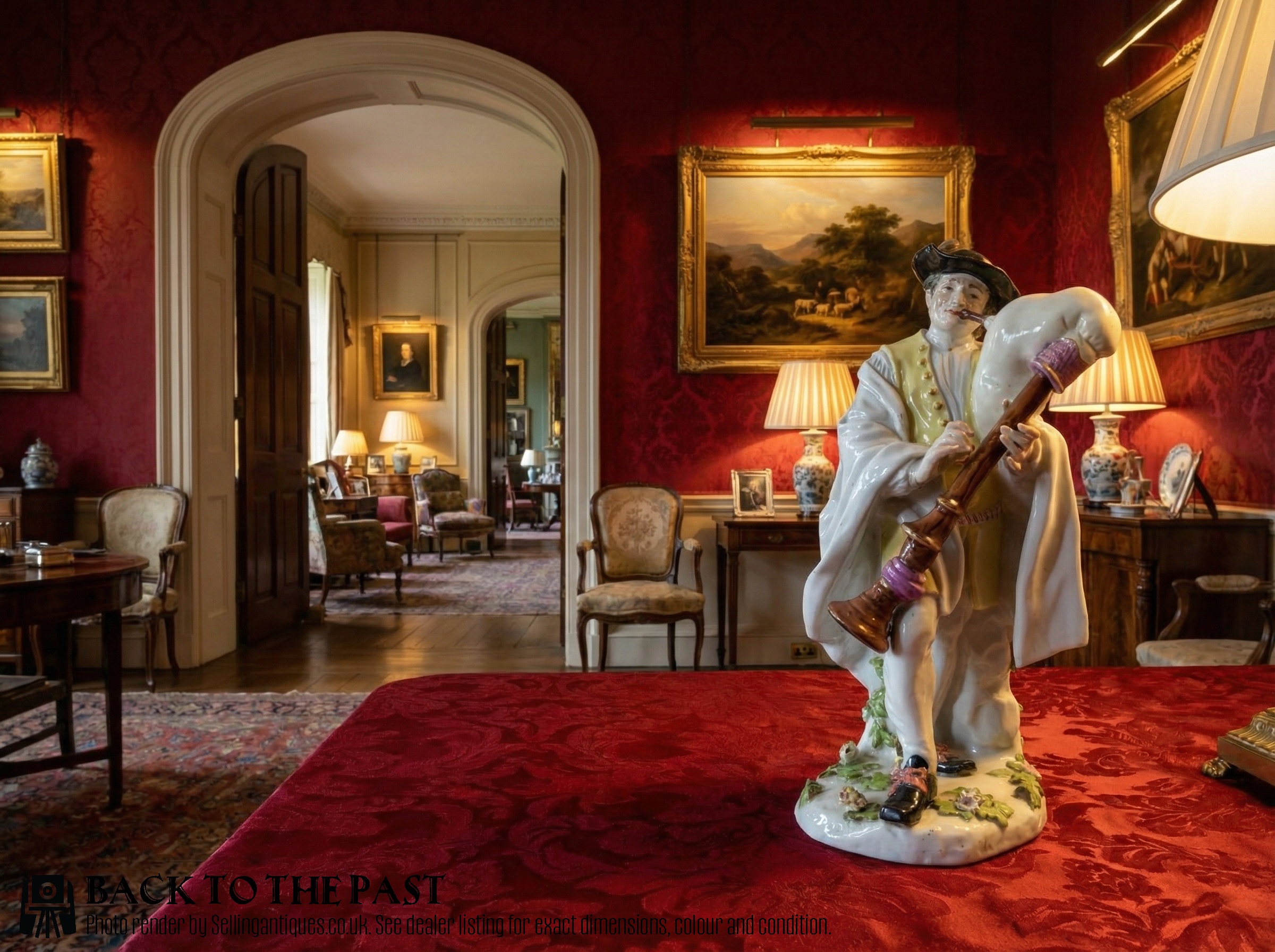
An 18th century porcelain figure represents mythological deities, musicians, allegorical continents, and pastoral characters modelled in ceramic. These sculptural pieces range from classical figures like Minerva and Jupiter to everyday street vendors and bagpipers.
The versions most commonly met on this page include Derby and Meissen productions from the mid to late Georgian period. Buyers encounter both single allegorical pieces and figures forming larger sets, such as the four continents or seasonal symbols.
Makers often drew inspiration from European sculptural traditions, translating large-scale bronzes and marble statues into portable glazed ceramics. They served primarily as decorative table ornaments for wealthy dining rooms and withdrawing rooms.
How they were made
Potters utilised soft-paste and hard-paste porcelain clay bodies, shaping the figures either by hand-modelling or pressing clay into multi-part plaster moulds. Artisans then joined the separate limbs and accessories using liquid clay slip before the initial firing.
Painters applied metallic enamels and occasionally gold leaf by hand over the glaze or directly onto the biscuit porcelain before a final low-temperature fixing. The palette relied on mineral oxides that reacted to kiln heat, producing characteristic muted turquoise, pink, and yellow tones.
Retail Price Guide 2026
Typical UK retail prices for 18th century porcelain figure, calculated from the Sellingantiques database of over a million retail prices indexed since 2003. This retail price guide relies exclusively on Sellingantiques data; no external sources or auction records are used, so the figures do not describe the wider market.
Some eighteenth-century bagpipers arrived in porcelain form accompanied by remarkably small, steadfast dogs.
What varies in quality
The control shown in the enamel painting and gilding dictates the visual success of the surface, with master painters achieving subtle tonal gradations and precise linework. Lesser items often display pooled glaze, misaligned colour application, or crude touch-ups made during the kiln firing process.
Derby Porcelain·Bow Porcelain·Meissen Porcelain·Doccia Porcelain·Duesbury Derby Porcelain
The 18th Century Porcelain Figure Glossary
- Soft-paste porcelain
- A glassy ceramic composition fired at lower temperatures than true hard-paste porcelain, producing a warm, creamy body. It was widely utilised by English factories during the eighteenth century.
- Hard-paste porcelain
- A durable ceramic material containing kaolin and petuntse fired at high temperatures, developed in Europe by Meissen. It yields a bright white, vitreous body resistant to scratching.
- Enamel
- A coloured vitreous paste applied to the fired ceramic surface to create detailed painted decoration. Painters fused these mineral colours during a secondary kiln firing.
- Allegorical figure
- A sculptural representation embodying an abstract concept such as a continent, a season, or an element. These were frequently modelled as part of matching decorative sets.
Frequently Asked Questions
How do I clean an old ceramic figure?
Dust these delicate glazed surfaces gently using a soft, dry brush without applying water or chemical cleaners. Moisture can infiltrate historic hairline fractures or damage water-soluble enamel pigments.
Keep the piece away from direct sunlight and areas subject to sudden temperature fluctuations. Secure them on stable surfaces where accidental knocks cannot cause tipping.
Were these figures meant for display?
Wealthy patrons placed these sculptural ceramics on mantelpieces, side tables, and dining room dessert services as conversation pieces. They demonstrated the owner's cultural literacy and appreciation for classical mythology and contemporary pastoral arts.
Unlike utilitarian tableware, their primary purpose was purely visual ornamentation. Guests would inspect the intricate painted details and allegorical symbolism during social gatherings.
How can I tell Derby from Meissen?
Derby figures typically utilise a softer-paste body with a warmer, slightly creamy tone and often feature unglazed undersides or distinct repair pinholes. Meissen pieces frequently employ a harder, whiter paste combined with precise, highly finished Rococo scrollwork bases.
Factory marks, where present, offer definitive guidance, though many early figures remain unmarked. Stylistic nuances in the facial modelling and enamel palette also help separate English production from continental European work.
What do allegorical figures represent?
Allegories personify abstract ideas such as the four continents, the four seasons, or the elements of earth, water, air, and fire. Artists used specific iconographic attributes like animals, clothing, and posture to signal the intended theme.
For instance, figures representing Asia might wear exotic garments while holding specific plants or vessels. These thematic sets allowed eighteenth-century owners to display structured collections reflecting global exploration and natural philosophy.