

Antique Meissen Porcelain
Antique meissen porcelain brings hard-paste ceramic forms, painted enamel details and gilt enrichment from European kilns into domestic spaces.
Antique Meissen Porcelain
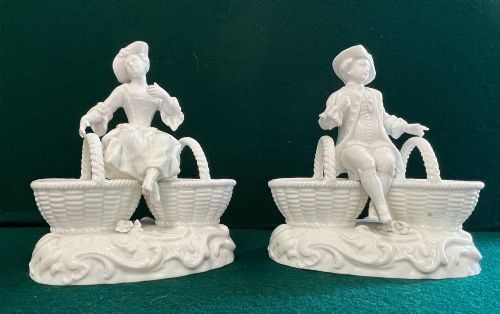
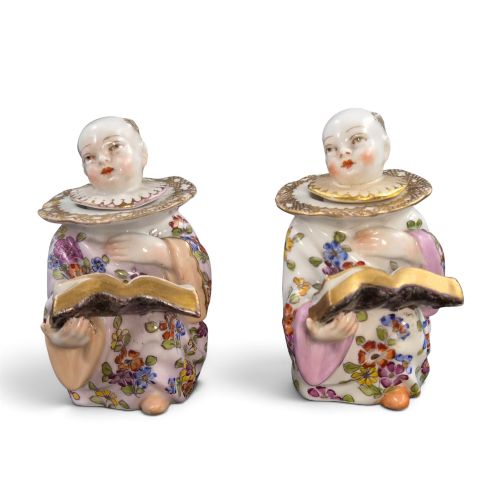
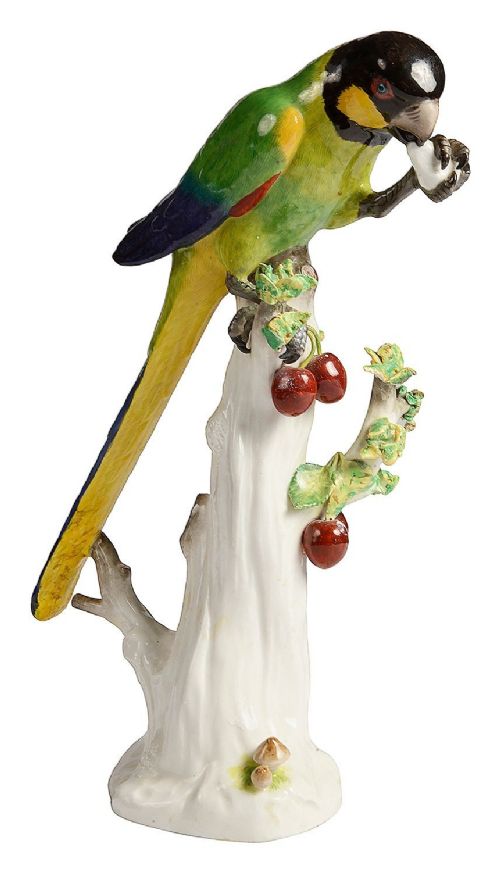
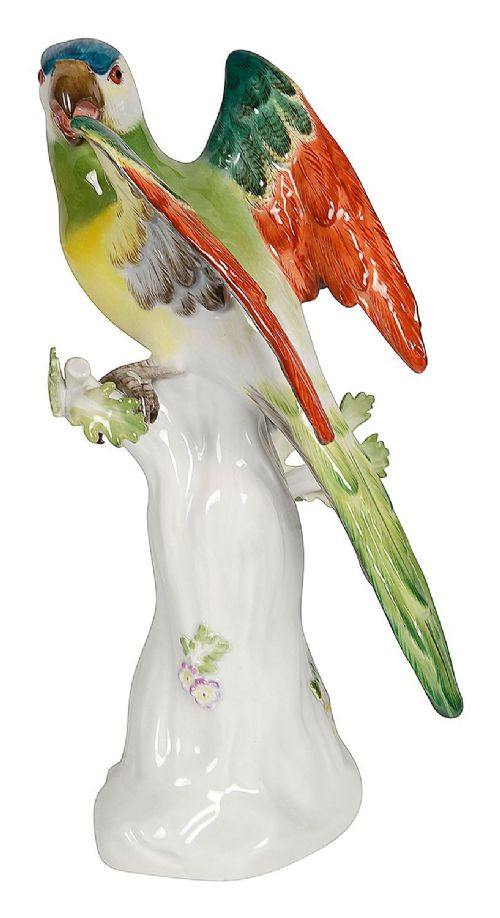
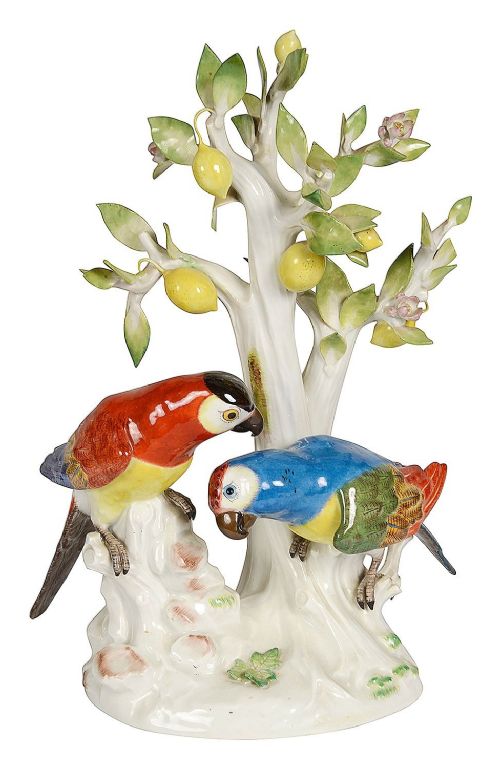
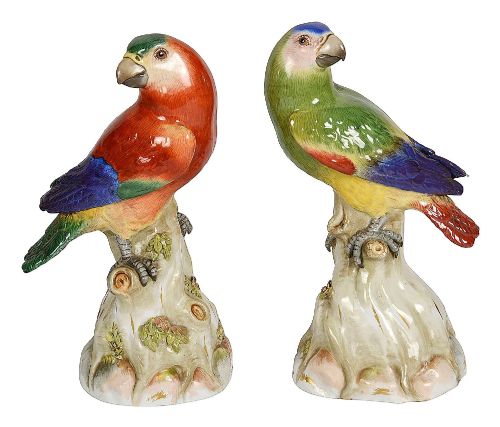
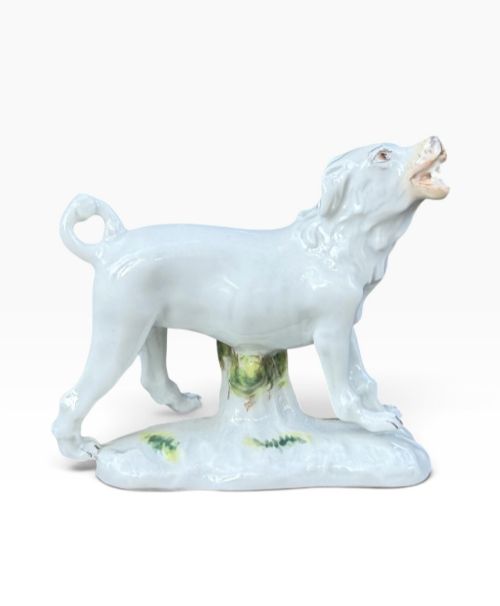
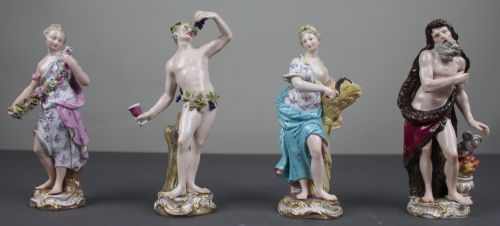
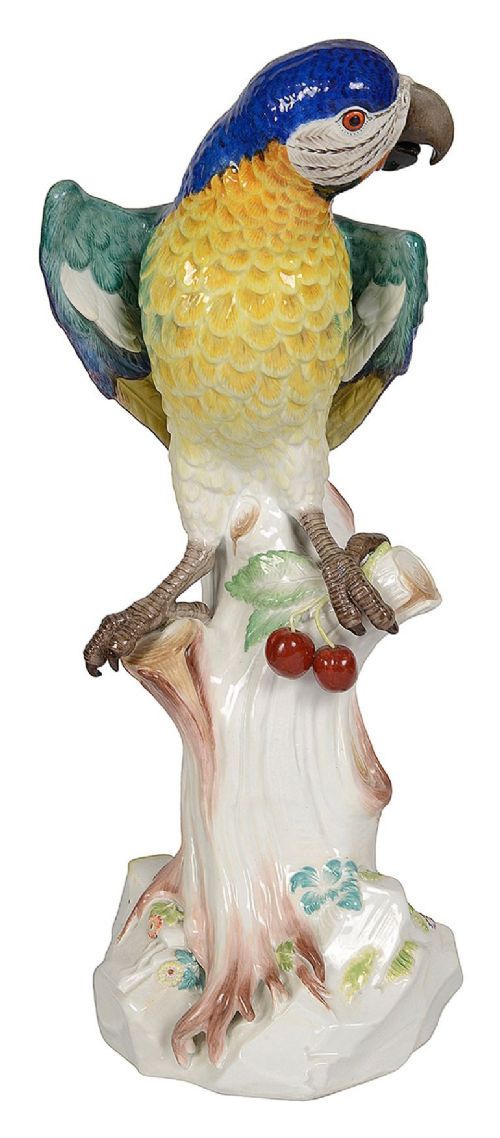
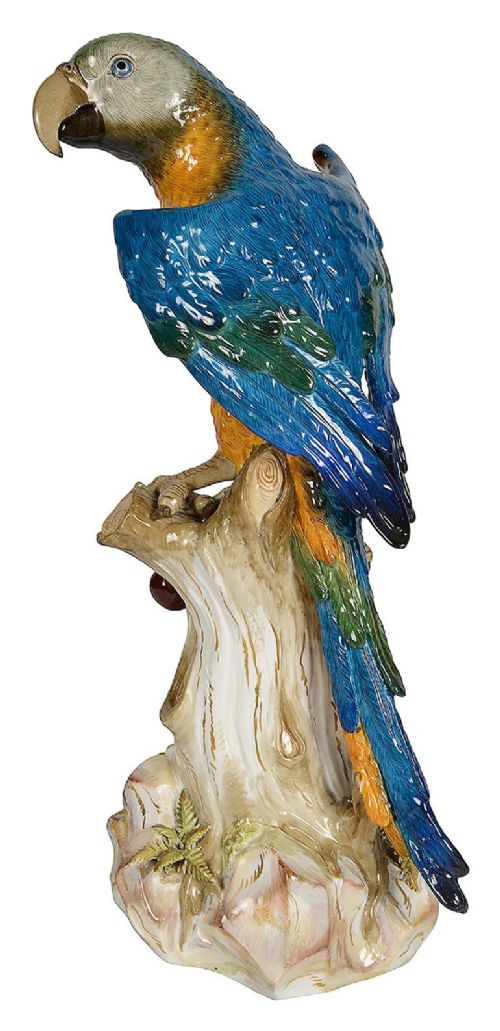
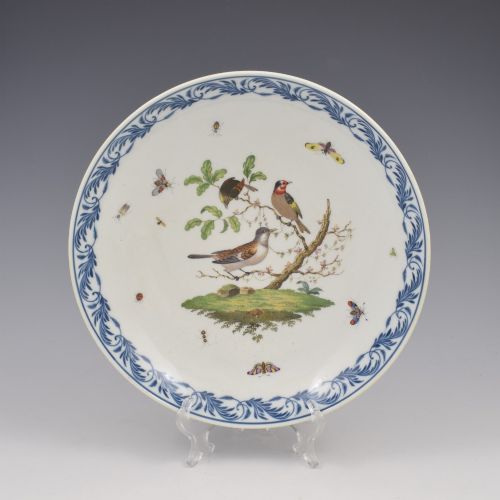
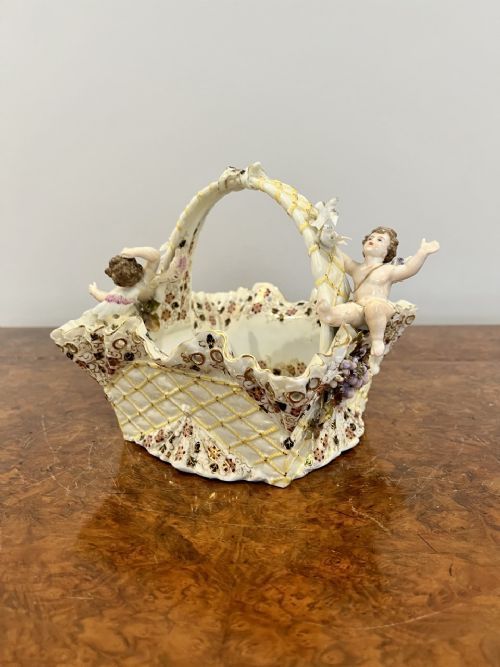
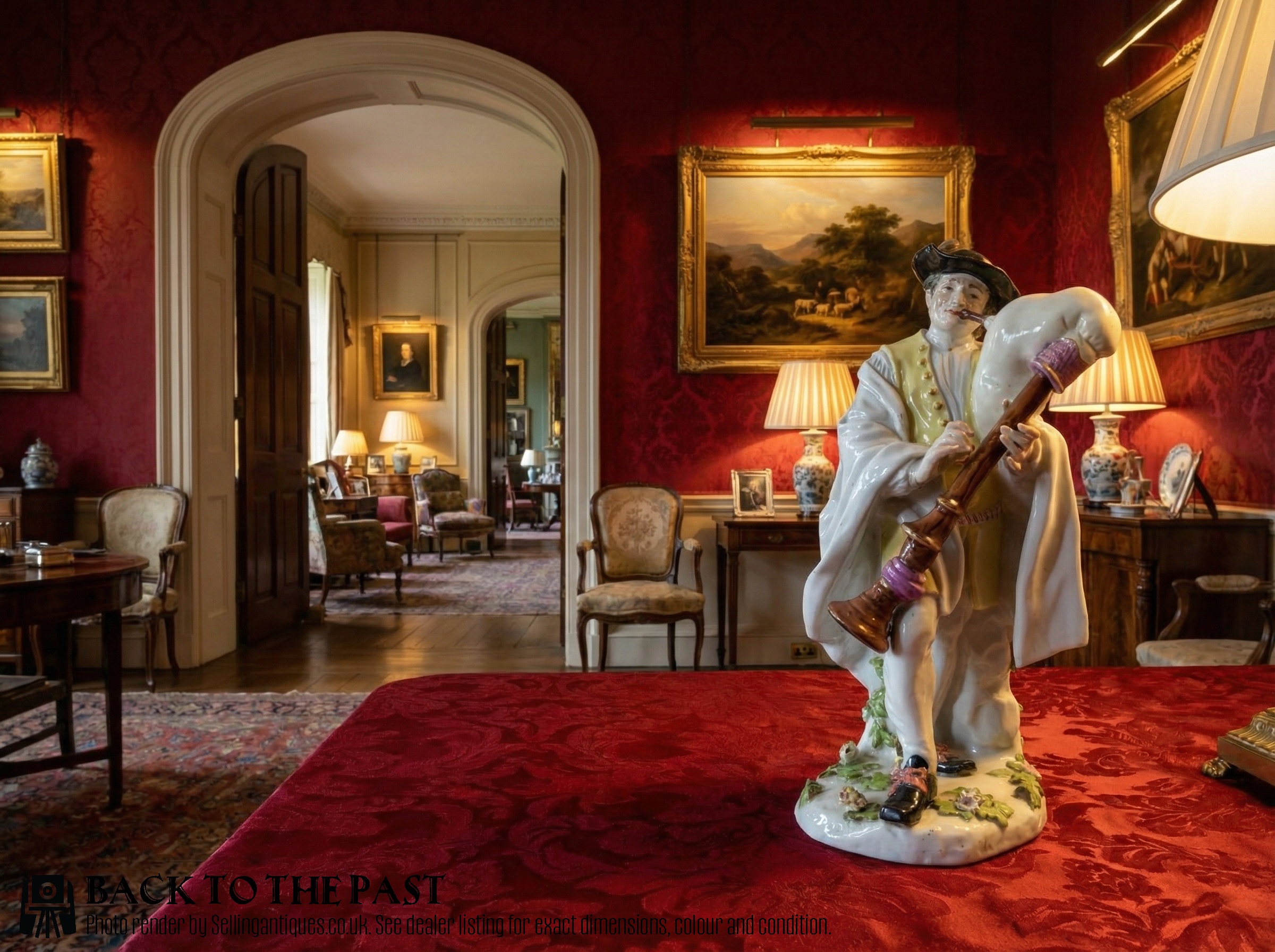
Collectors seeking antique meissen porcelain encounter a broad spectrum of decorative objects, from figurative groups and birds to tableware plates and small receptacles. Figural subjects frequently depict characters in eighteenth-century dress, street traders, cherubs, and animals such as parrots and dogs.
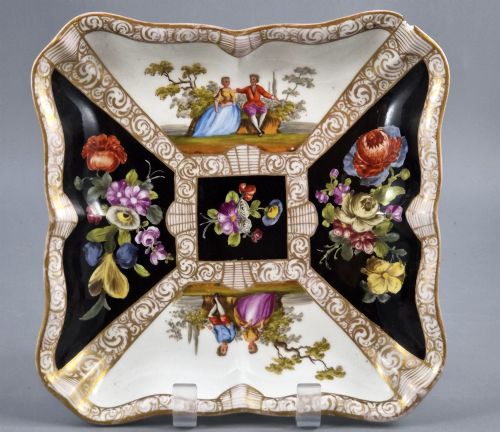
Tableware forms span square dishes, milk jugs, cups, saucers, and sweet baskets, often decorated with floral sprays or Watteau scenes. The nineteenth-century examples frequently adopt revivalist aesthetics, echoing earlier rococo designs with scrolled borders and gilt mounts.
The objects originate from multiple eras, with seventeenth- and eighteenth-century pieces sitting alongside nineteenth-century productions and early twentieth-century modernist figures. Many pieces utilise modelled hard-paste porcelain combined with hand-painted enamel and gilding.
Factors influencing quality and execution
The fidelity of the modelling determines much of the visual merit, distinguishing finely articulated facial expressions and delicate fingers from softer, less distinct contours. Crisp definition in moulded elements such as floral baskets and bird feathers separates standard production from finer output.
The execution of the painted enamel decoration dictates the refinement of the surface, with precise brushwork in floral sprays and pastoral scenes showing greater skill than rushed application. The evenness of the glaze and the durability of the gilding further differentiate the manufacturing grade.
Antique Meissen Porcelain Retail Price Guide 2026
Typical asking prices for meissen porcelain among the pieces listed under this phrase on Sellingantiques today, from the lower quarter to the upper quarter. They describe what is for sale here now, not the wider market.
A porcelain rhesus monkey holds its child in eighteenth-century ceramic form.
Edmé Samson·Paul Scheurich
The Antique Meissen Porcelain Glossary
- Hard-paste porcelain
- A dense, vitrified ceramic composition fired at high temperatures using kaolin and petuntse. This durable body forms the structural foundation for antique meissen porcelain figures and vessels.
- Enamel
- Vitrified opaque glass paste applied as pigment to the fired ceramic surface. It provides the vibrant colours found in painted scenes and floral decorations.
- Rococo Revival
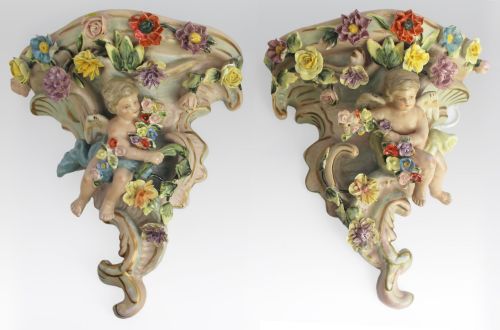
- A nineteenth-century decorative style reviving asymmetrical scrollwork, C-curves, and naturalistic motifs. It heavily influences the design of Victorian-era figurines and wall corbels.
- Gilding
- The application of gold leaf or powdered gold to ceramic surfaces and mounts. It highlights raised elements, rims, and structural details.
- Marcolini Period
- The tenure of Count Camillo Marcolini as director of the Meissen factory between 1774 and 1814. Pieces from this era often feature distinct marks and neoclassical tendencies.
Antique Meissen Porcelain: Frequently Asked Questions
What periods do these pieces span?
The available selection covers items produced from the eighteenth century through to the early twentieth century. These include eighteenth-century figures alongside nineteenth-century revival pieces and Edwardian porcelain.
Manufacturing dates range across specific eras such as the Marcolini period and late Victorian decades. Each period brings distinct stylistic characteristics to the modelled forms and painted surfaces.
How were these decorative porcelain objects used?
Many figures and groups served as decorative table ornaments, centrepieces, or mantel decorations for elite interiors. Functional items like inkwells, sweet baskets, and potpourris combined utility with sculptural display.
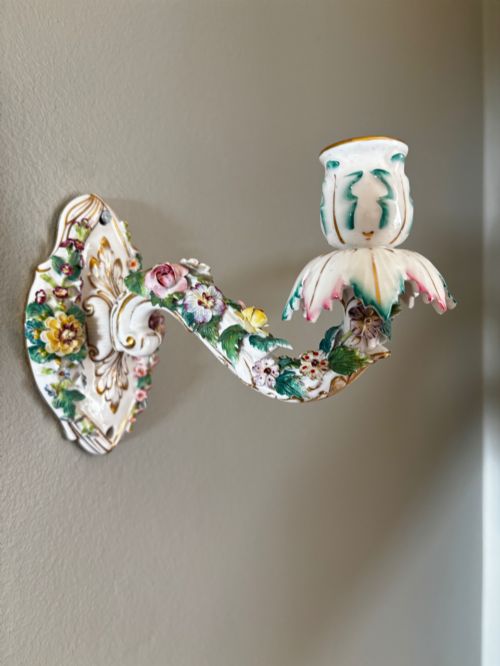
Smaller domestic vessels included cups, saucers, and square dishes designed for dining and tea service. Candlesticks and wall sconces provided illumination while acting as sculptural art objects.
How do you identify different eras?
Stylistic shifts offer primary clues, moving from eighteenth-century pastoral subjects toward nineteenth-century revivalism and early twentieth-century minimalism. Finer details in the painted enamel and modelling techniques evolve across these decades.
Underglaze factory marks, painted ciphers, and specific design numbers stamped into the hard-paste body provide direct historical context. Reference to known model numbers helps connect figures to specific design periods.
How should I care for antique porcelain?
Display the pieces away from direct sunlight to preserve the stability of the hand-painted enamel colours. Stable indoor humidity prevents potential stress on the ceramic body and any attached metal mounts.
Dust the glazed surfaces gently with a soft, dry brush to avoid scratching the delicate gilding or protruding modelled details. Handle figurines and dishes by their sturdier structural sections rather than fragile appendages.