

Polychrome Porcelain Dish
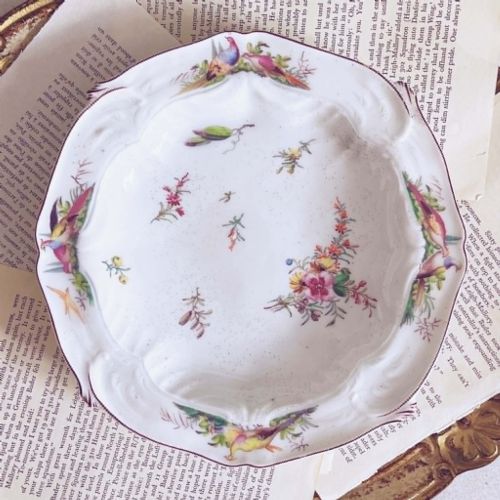
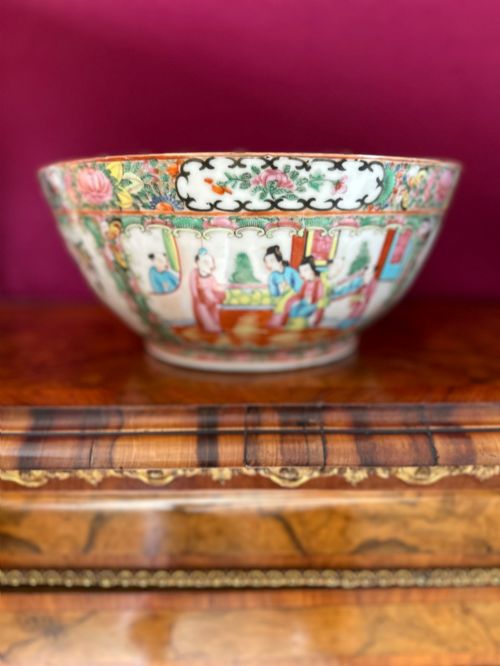
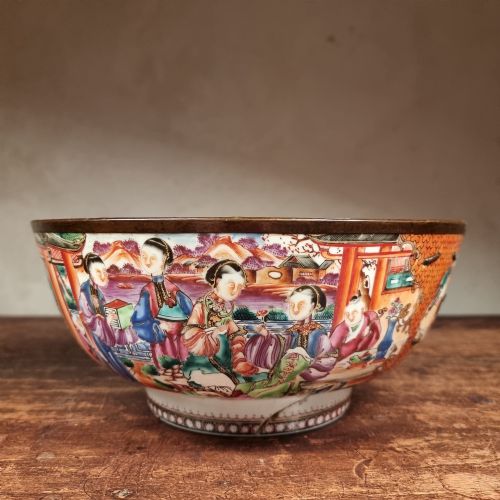
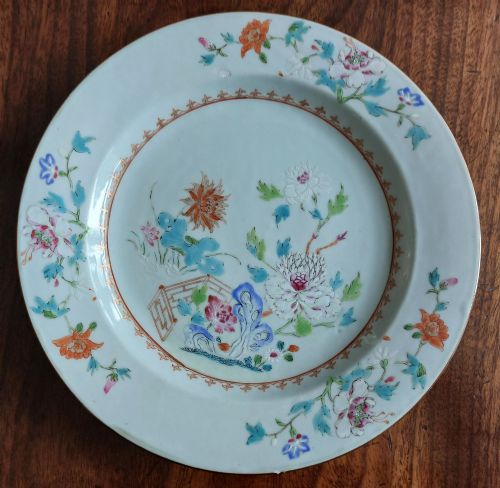
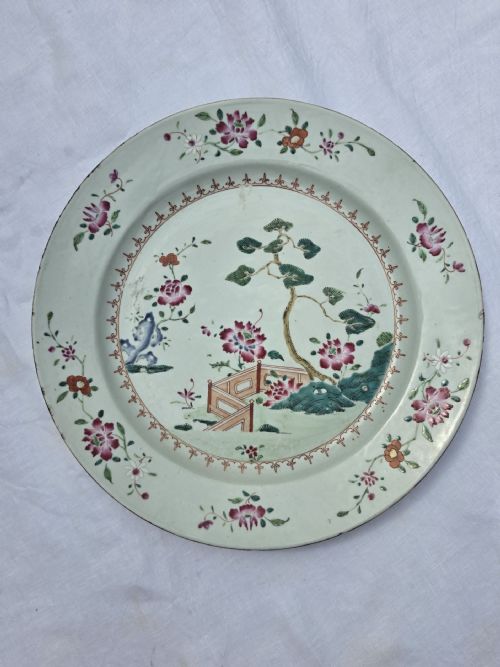
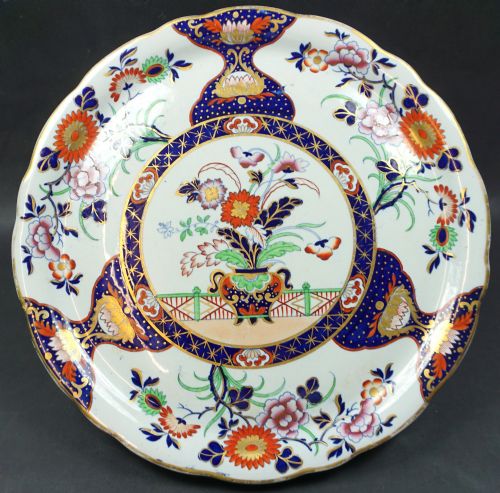
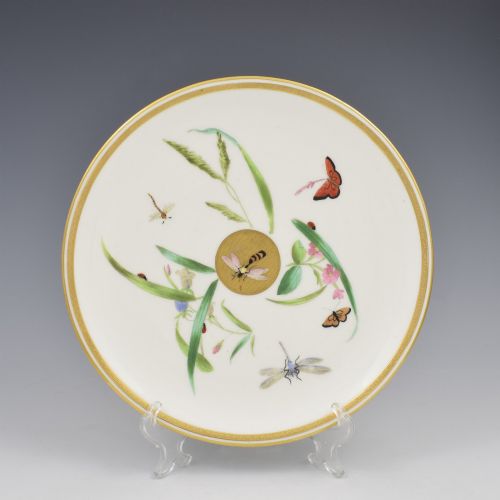
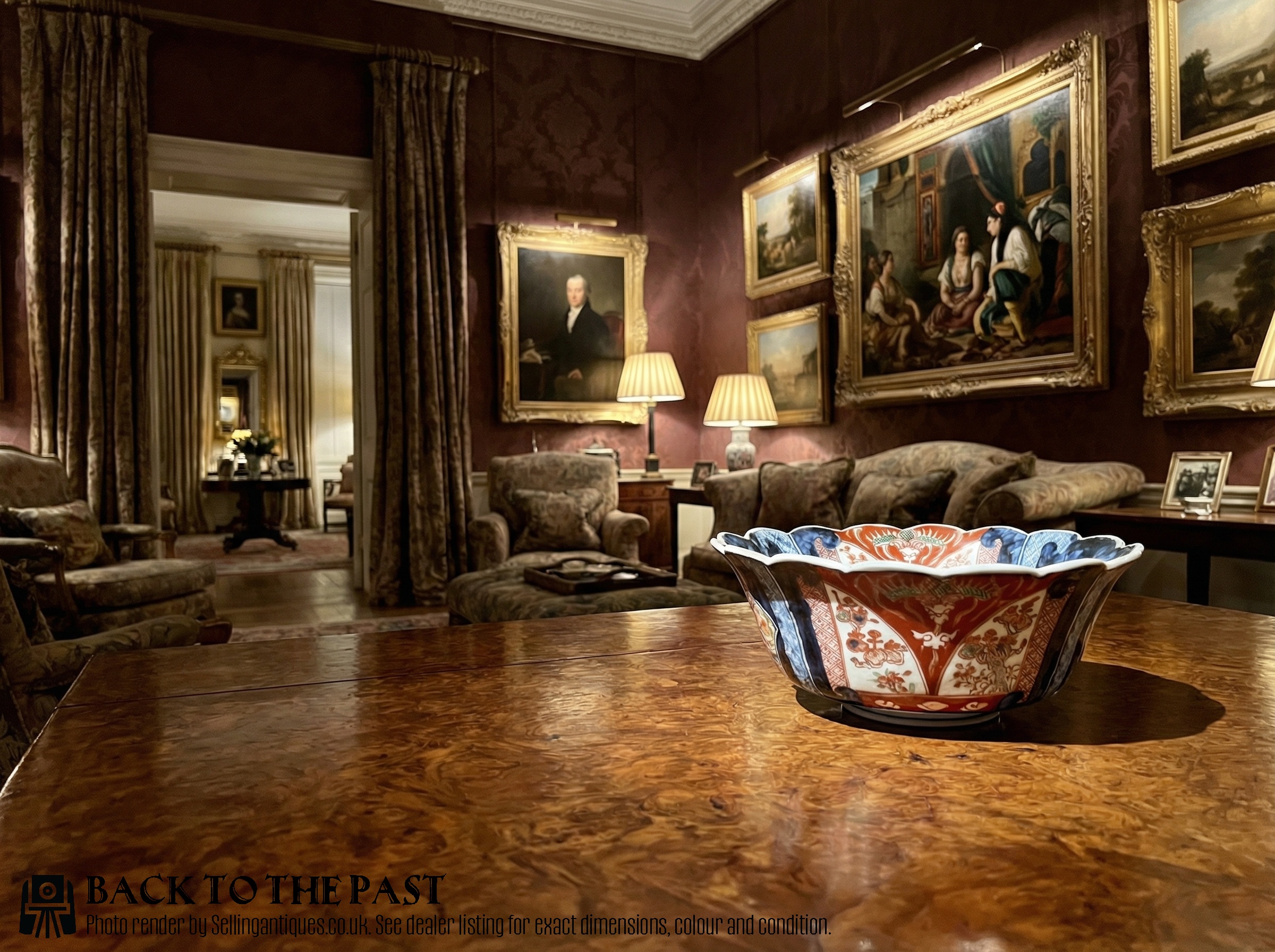
These polychrome porcelain dish examples combine vibrant hand-painted enamels and intricate glazes, offering collectors an exquisite focal point for any classical interior.
Understanding the polychrome porcelain dish
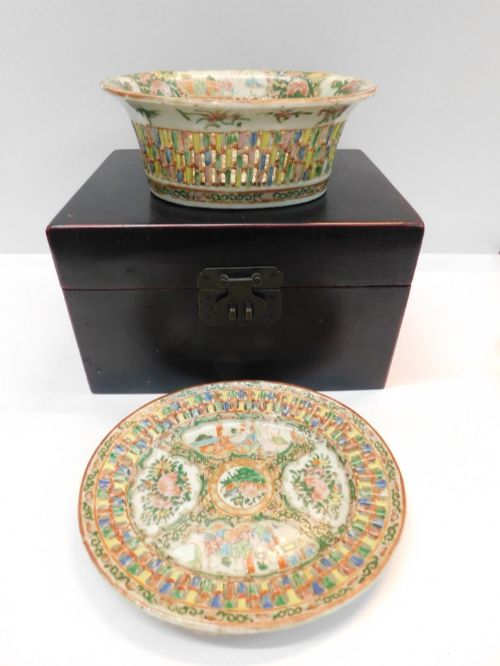
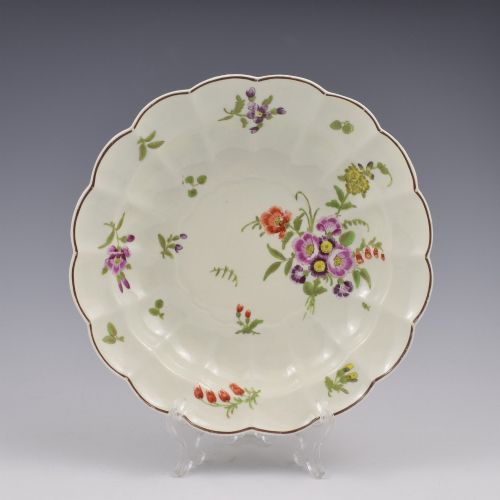
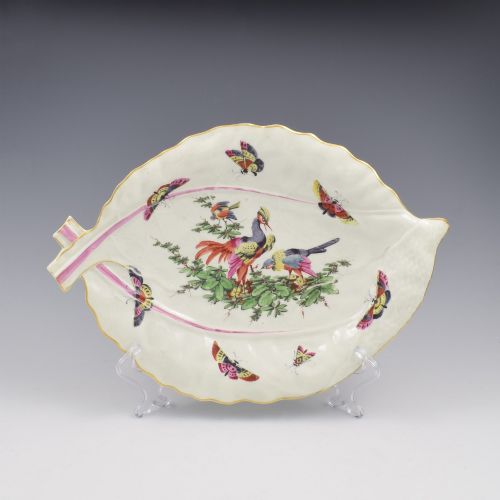
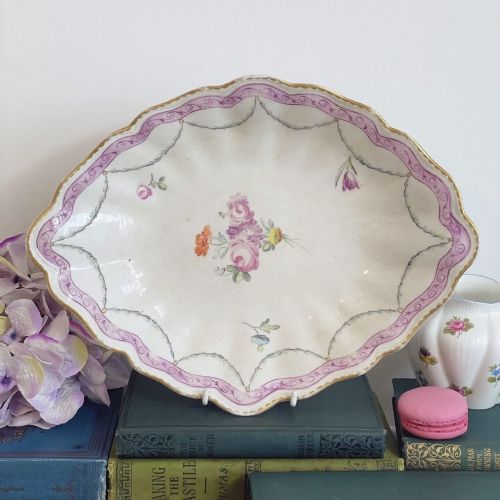
A polychrome porcelain dish brings together centuries of global ceramic traditions, ranging from Chinese Export and Qing Dynasty wares to European productions of the eighteenth and nineteenth centuries. When exploring this selection, buyers frequently encounter decorative plates, sweetmeat dishes, and lobed forms designed for both display and formal dining.
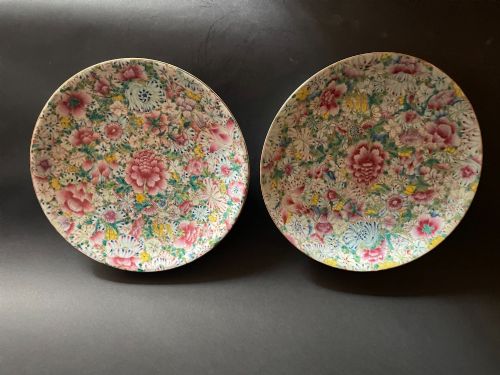
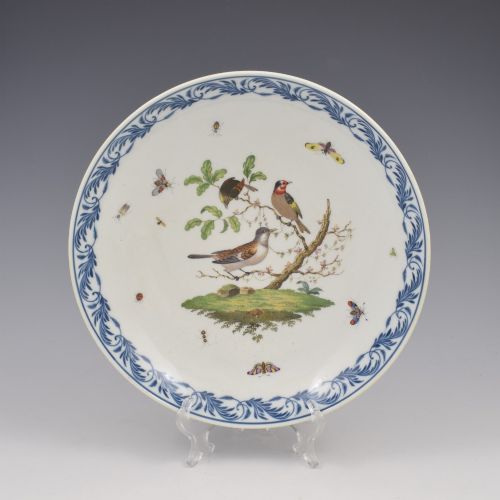
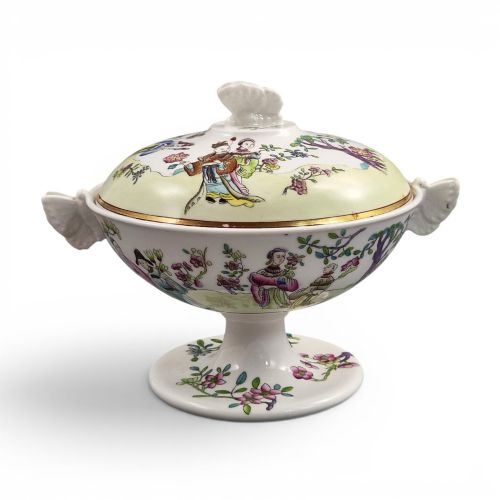
The objects span diverse cultural aesthetics, encompassing Chinese Famille Rose and Canton pieces alongside English factories like Derby and Minton, plus continental makers such as Meissen, Volkstedt, and various eighteenth-century continental workshops. Each piece reflects the distinct decorative vocabulary of its origin, whether through scalloped edges, pedestals, or figural supports.
Georgian, Regency, Rococo Revival, and Meiji period examples represent the primary stylistic eras available to collectors here. These items survive from dates including seventeen-fifty, the wider eighteenth century, the nineteenth century, and around nineteen hundred, offering tangible links to historical domestic interiors.
Materials and construction
The foundation of every piece rests upon hard-paste porcelain, soft-paste porcelain, or standard porcelain bodies, shaped into bowls, plates, and sculptural sweetmeat holders. Potters shaped these ceramic bodies before firing them to vitrify the material, creating a durable canvas for subsequent artistic intervention.
Makers applied polychrome enamel, hand-painted enamels, and protective glazes across the surfaces, frequently enhancing the design with gold leaf details. Kiln firings set these colours permanently into the glaze, securing the brilliant hues seen in Chinese export wares and European factory pieces alike.
Retail Price Guide 2026
Typical UK retail prices for polychrome porcelain dish, calculated from the Sellingantiques database of over a million retail prices indexed since 2003. This retail price guide relies exclusively on Sellingantiques data; no external sources or auction records are used, so the figures do not describe the wider market.
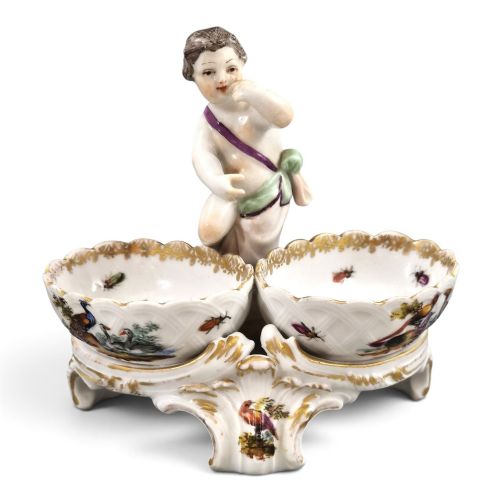
A pair of German figures holds sweetmeat bowls with the absolute dedication only eighteenth-century porcelain characters can muster.
Assessing quality and execution
The distinction between standard commercial output and superior craftsmanship lies in the precision and depth of the hand-painted enamels. Finer examples display meticulous brushwork where every botanical, figural, or abstract motif is rendered with exceptional control and fine line work.
The integration of secondary decorative elements, such as gold leaf application, pierced galleries, or sculptural figural supports, dictates the overall refinement of the piece. Superior pieces maintain crisp moulding and harmonious glaze distribution across complex forms like sweetmeat figures or lobed plates.
Derby Porcelain·Minton Porcelain·Volkstedt·Meissen
The Polychrome Porcelain Dish Glossary
- Polychrome enamel
- A decorative ceramic technique utilising multiple distinct colours fired onto the glazed surface. This method allows for vivid, multicoloured pictorial scenes and floral motifs.
- Soft-paste porcelain
- An artificial porcelain compound composed of white clay, glass frit, and other materials. Fired at lower temperatures than hard-paste porcelain, it yields a warm, slightly translucent body popular in eighteenth-century European factories.
- Sweetmeat dish
- A specialised small vessel designed for serving confections, nuts, or dried fruits during formal desserts. These often appear in ornate shapes or supported by figural bases.
- Hard-paste porcelain
- A true ceramic composition of kaolin and petuntse fired at high temperatures. It produces a dense, highly vitrified, and durable body resistant to scratching.
Frequently Asked Questions
What is a polychrome porcelain dish used for?
These dishes served both functional and decorative roles in historic households, functioning as sweetmeat holders, punch bowls, or display plates. Wealthy dining tables utilised specialised vessels for presenting confections and sweetmeats during formal courses.
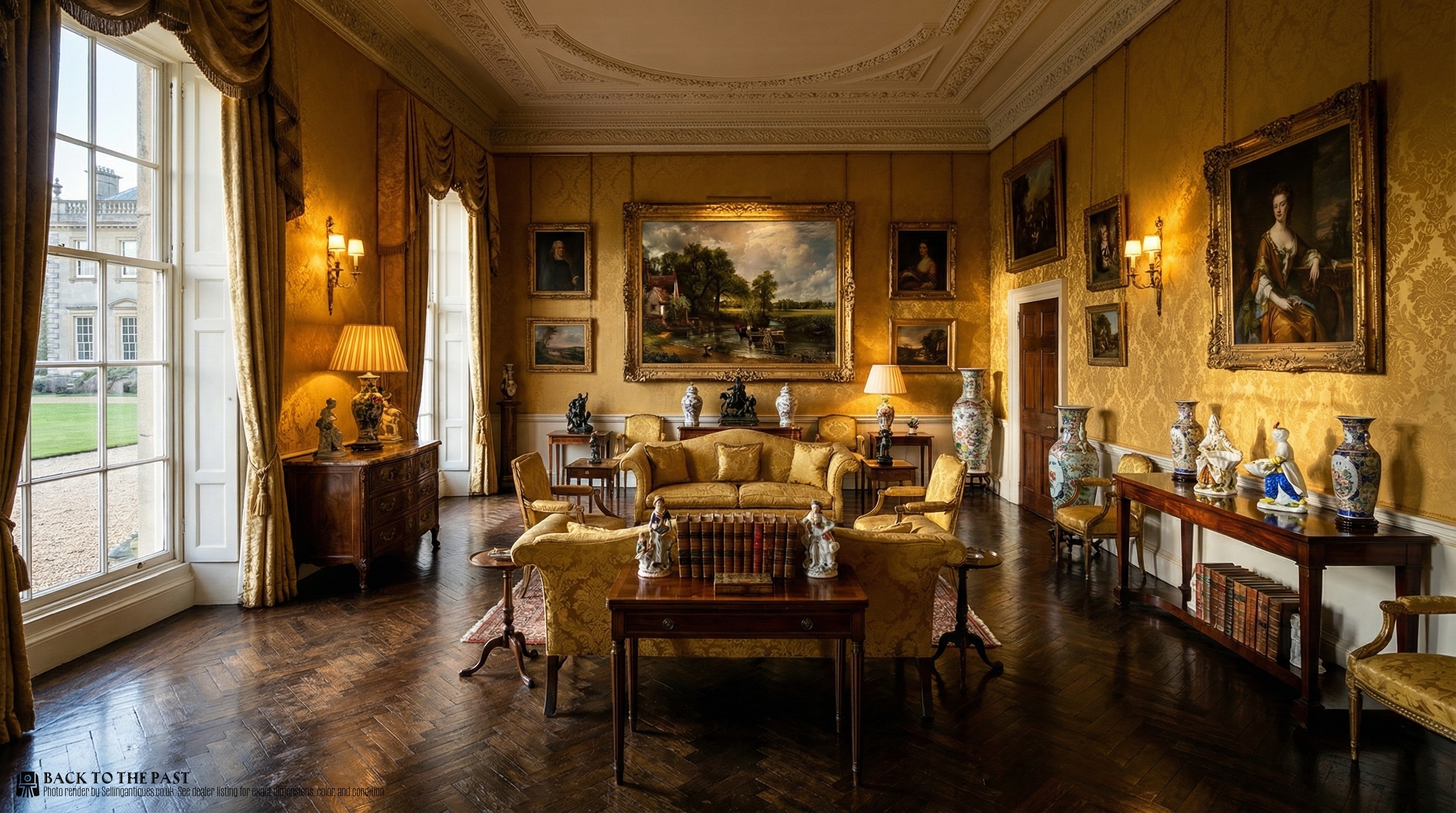
Today, collectors primarily exhibit these pieces on walls, cabinets, or sideboards to showcase their historical glazes and hand-painted artistry. Their varied forms make them striking decorative focal points in traditional and eclectic interiors alike.
How do I care for antique porcelain?
Antique porcelain requires gentle handling, ideally restricted to dusting with a soft, dry cloth rather than frequent washing. Avoid submersing pieces with delicate gold leaf or overglaze enamels in water, as harsh cleaning agents can degrade the surface.
Display the items away from direct sunlight and areas subject to sudden temperature fluctuations to protect the original glaze and enamels. Secure placement on stable surfaces prevents accidental tipping, particularly for pedestal dishes and figural sweetmeat holders.
How do I identify eighteenth-century porcelain?
Identifying eighteenth-century pieces involves examining the paste composition, glaze characteristics, and stylistic traits typical of periods like the Qianlong era or Georgian reign. Soft-paste and early hard-paste bodies often exhibit distinct weight, translucency, and surface texture under magnification.
Factory styles, such as those from Meissen, Derby, or Chinese export workshops, carry specific decorative motifs and palette choices. Comparing these stylistic markers with documented examples helps establish the correct period and origin.