

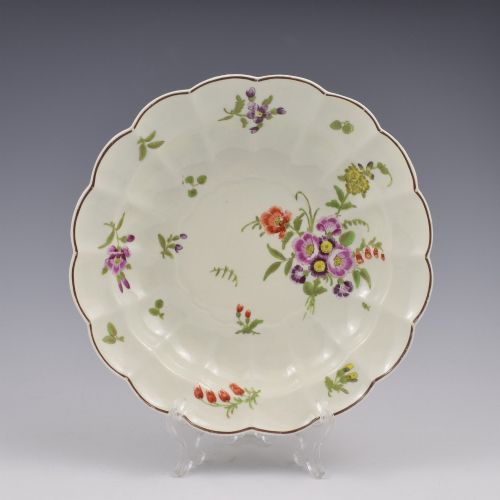
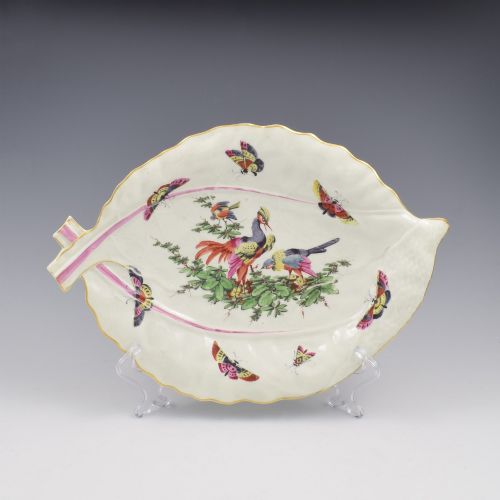

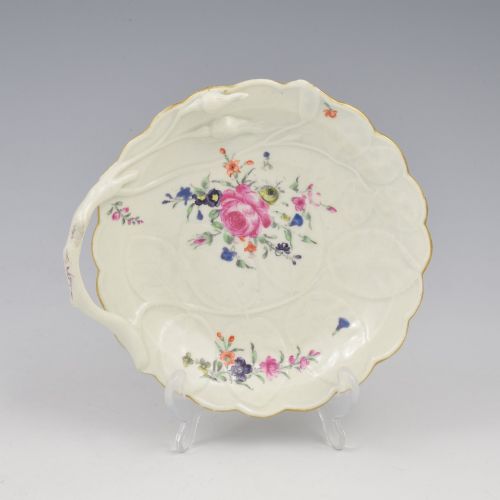

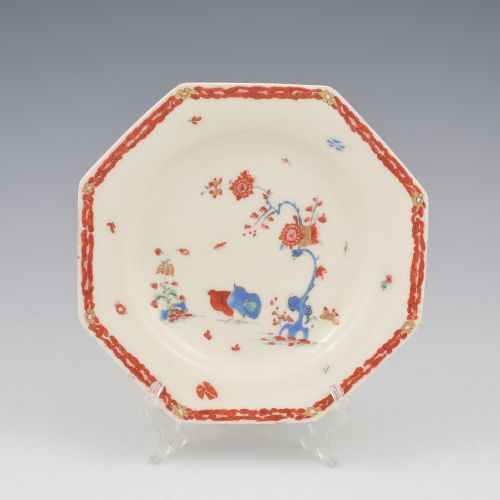

Antique Porcelain Wall Dish
An antique porcelain wall dish brings vibrant hand-painted colour and centuries of maritime trade history straight into your interior.
Identifying your antique porcelain wall dish
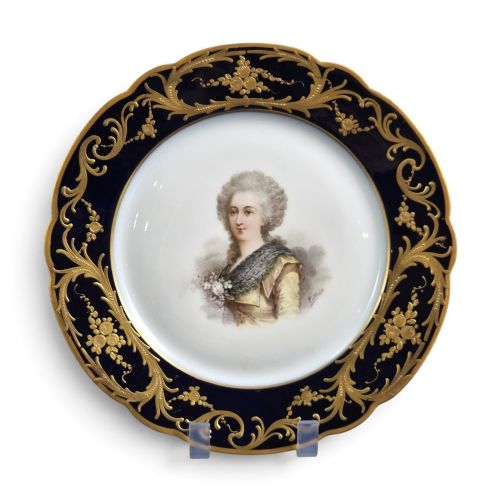
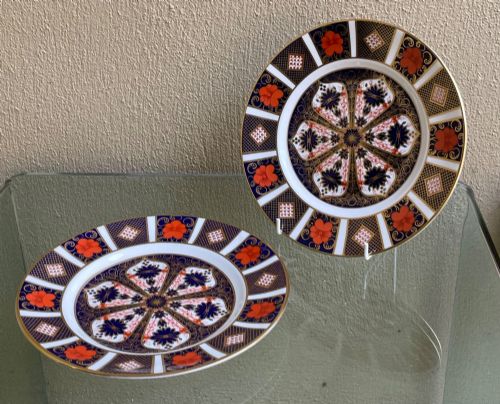
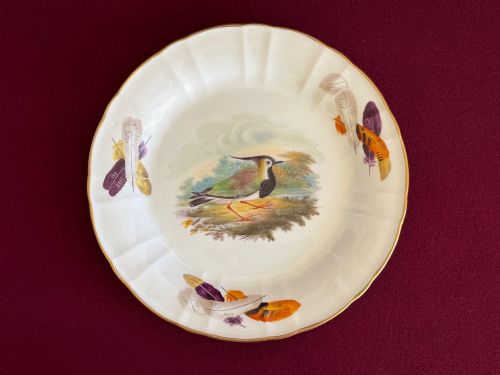
When you search for an antique porcelain wall dish, you encounter a curated mix of decorative plates, platters, and ribbon plates spanning the eighteenth century and the Georgian period. These items were originally produced for display or dining before finding a permanent home on walls through later collector suspension wire or fitted brackets.
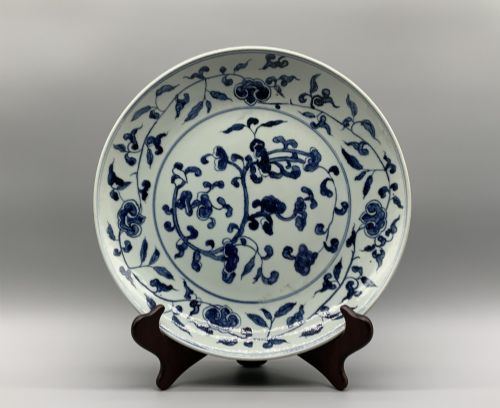
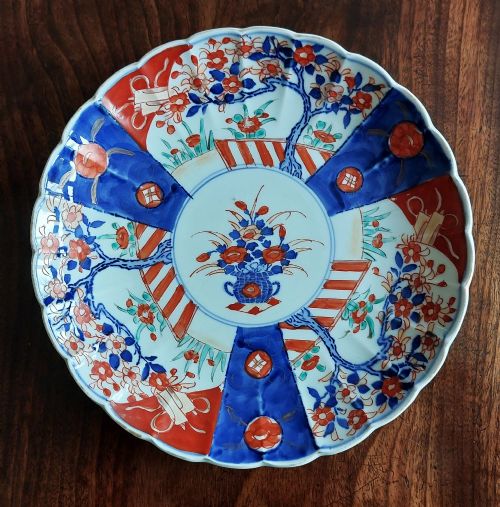
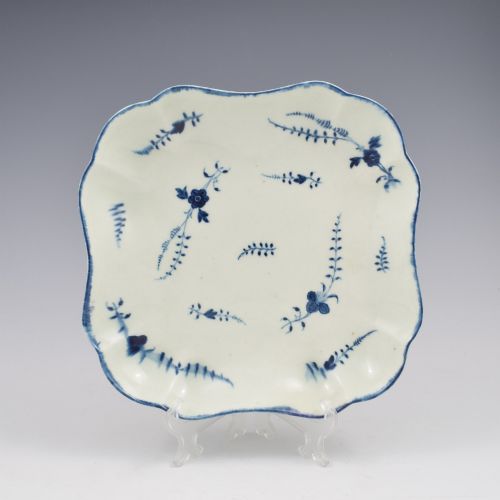
The versions you are most likely to meet on this page include Chinese Export wares alongside Japanese Imari pieces and English factory productions. They range from eighteenth-century platters to nineteen-hundred ribbon plates, each showing distinct regional aesthetics and forms.
Every antique porcelain wall dish on this page reflects a specific ceramic tradition, whether originating from East Asian kilns or classic English porcelain houses. Their survival over centuries demonstrates their enduring appeal as decorative objects.
Materials and construction
These pieces are manufactured from hard-paste porcelain and standard ceramic bodies, providing a durable foundation for intricate surface decoration. Artisans utilised cobalt pigment to create deep blue underglaze designs that contrast sharply with white ceramic grounds.
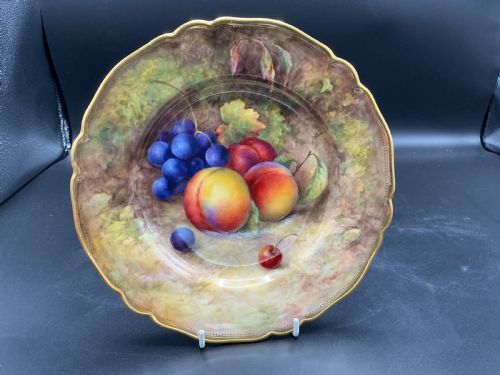
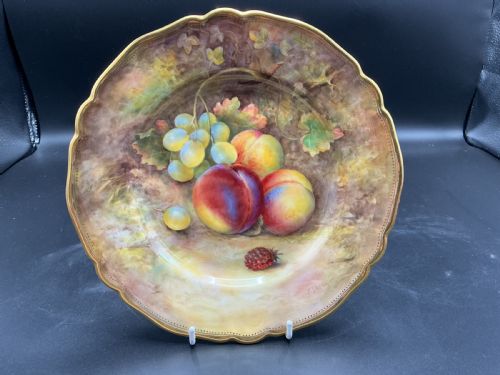
Enamel and gilt applications were frequently added over the glaze, requiring secondary firings to fuse the colourful pigments and metallic gold to the surface. This multi-stage technique produced the richly detailed armorial and pictorial compositions seen on the plates.
Assessing quality and finish
Quality in these ceramic pieces rests upon the precision of the hand-painting and the complexity of the design layout. Superior examples exhibit crisp brushwork in cobalt pigment and finely rendered armorial details that demonstrate exceptional hand-skill.
The presence of rich gilding and sophisticated enamel work elevates certain plates above simpler production pieces. Weight, translucency of the porcelain body, and the refinement of the footrim further distinguish finer examples from standard decorative wares.
Barr, Flight and Barr
The Antique Porcelain Wall Dish Glossary
- Hard-paste porcelain
- A dense, vitrified ceramic material fired at high temperatures using kaolin and petuntse. It creates a durable, translucent body resistant to scratching.
- Cobalt pigment
- A metallic oxide used under the glaze to produce deep blue decoration on ceramics. It withstands high kiln temperatures without losing intensity.
- Armorial
- A ceramic design featuring a specific family crest, coat of arms, or heraldic insignia. These bespoke commissions were popular among wealthy Georgian patrons.
- Ribbon plate
- A decorative plate featuring pierced slots along the rim designed to thread silk ribbon through for hanging. They became particularly popular around nineteen hundred.
Frequently Asked Questions
How do I hang a wall dish safely?
Use a spring-loaded brass wire hanger that grips the rim securely without scratching the porcelain body.
Ensure the wall fixing is anchored firmly into plaster or studwork to support the weight of the platter.
Can I clean my antique porcelain?
Dust the surface gently with a soft dry brush to remove everyday particles without risking the fragile enamel.
Avoid submerging pieces with overglaze gilt decoration in water, as moisture can degrade historical metallic highlights over time.
What is Chinese Export porcelain?
These are ceramic items manufactured in China specifically for the Western market during the global trade expansion. They often combine traditional Eastern manufacturing techniques with European armorial or pictorial motifs.
Merchants transported these robust hard-paste dishes across oceans, making them prized possessions in historic European homes.
How do I identify a Georgian plate?
Look for stylistic cues typical of the early nineteenth century, including classical armorial motifs and refined porcelain bodies. Pieces from this era often bear specific factory characteristics or hand-painted botanical and heraldic details.
English makers during this period refined their ceramic pastes to produce lighter, highly decorative tableware suitable for elite dining rooms.