



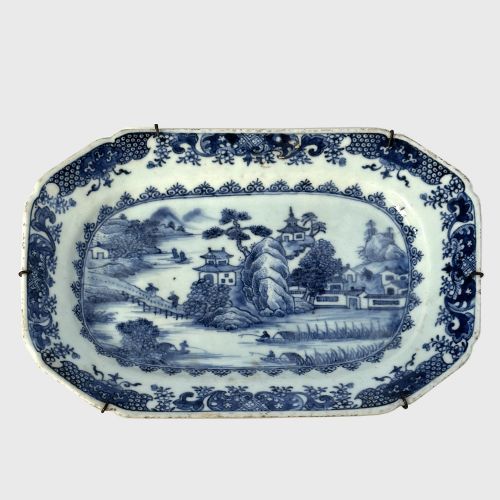
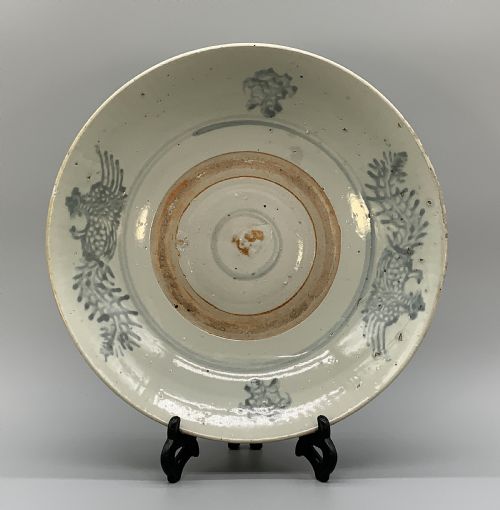
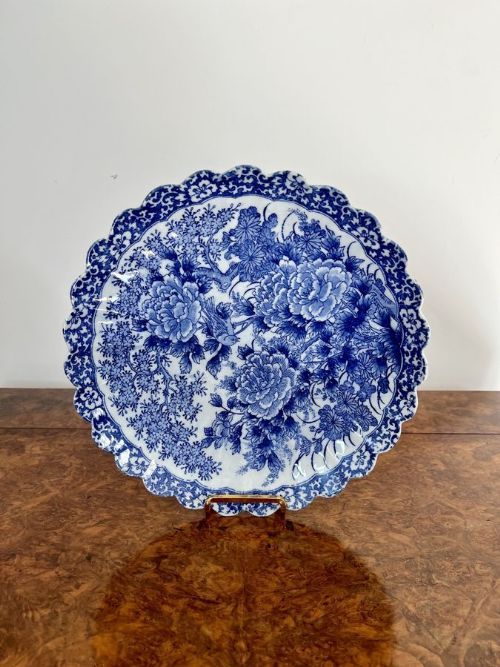


Blue White Porcelain Platter
A blue white porcelain platter brings centuries of kiln craft to the table, offering durable beauty for modern serving.
Understanding the blue white porcelain platter
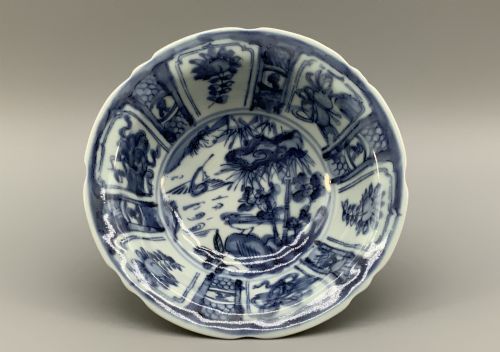
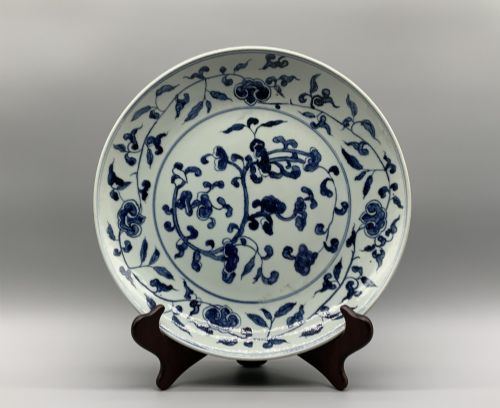
A blue white porcelain platter is a substantial serving vessel shaped for hospitality and dining. The examples gathered here span periods from the eighteenth century to around nineteen hundred, crossing Chinese export and Japanese traditions.
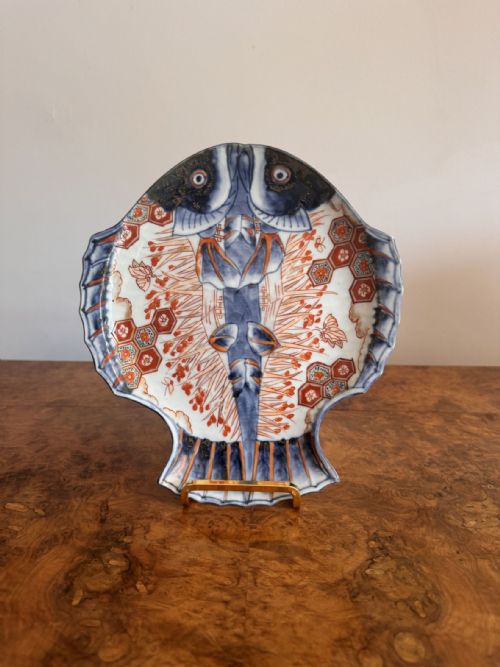
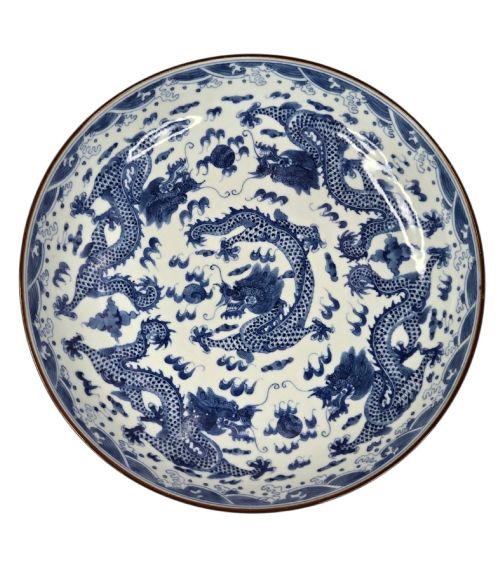
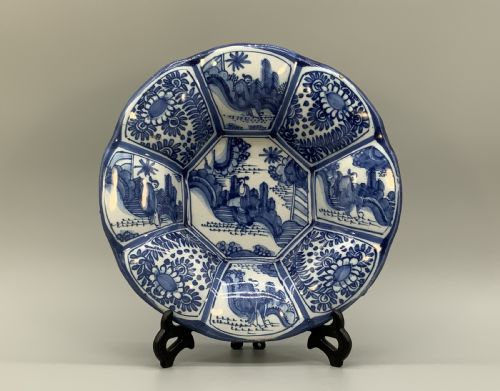
The dominant forms on this page are large serving platters and decorative chargers intended for display or heavy use. Pieces range from eighteenth-century Chinese export wares to nineteenth-century Japanese Imari dishes and Meiji period chargers.
Buyers will encounter wares originating from Chinese workshops, including Nanking and Qianlong period pieces, alongside Japanese counterparts. Each item reflects the distinctive aesthetic choices of its regional kiln.
Materials and construction
These items are constructed from hard-paste porcelain fired at high temperatures to achieve a vitrified and durable body. The surface receives a transparent glaze that seals the clay and protects the underlying pigment.
Decoration relies on cobalt pigment applied under the glaze before the final high-temperature firing. This technique fuses the blue design permanently beneath the glossy surface layer, resulting in enduring clarity.
Retail Price Guide 2026
Typical UK retail prices for blue white porcelain platter, calculated from the Sellingantiques database of over a million retail prices indexed since 2003. This retail price guide relies exclusively on Sellingantiques data; no external sources or auction records are used, so the figures do not describe the wider market.
Some nineteenth-century Japanese chargers stretch to seventy-three centimetres across, practically demanding their own postcode on the dining table.
Assessing quality and character
Quality rests in the precision of the cobalt underglaze painting and the purity of the white porcelain ground. Expert brushwork creates depth and contrast within the cobalt motifs without blurring at the edges.
The ambition of the form also dictates standing, with expansive chargers and heavy serving dishes demonstrating greater technical mastery in firing without distortion. Early export pieces show the organic nuances of manual production.
The Blue White Porcelain Platter Glossary
- Hard-paste porcelain
- A dense, vitrified ceramic material composed of kaolin and petuntse fired at high temperatures. It resists scratching and absorbs no moisture.
- Cobalt underglaze
- A blue metallic oxide pigment applied directly to the unglazed clay body before glazing and firing. This method ensures the pigment remains protected beneath the glass layer.
- Chinese Export
- Ceramics produced in China specifically for Western markets, combining traditional domestic forms with motifs appealing to European and American buyers.
- Imari
- A Japanese style of porcelain featuring cobalt blue and iron red, often accented with gold. It originated in the Hizen province and gained immense popularity in the West.
Frequently Asked Questions
Can I use these platters for serving food?
These historical serving dishes are robustly vitrified and safe for culinary use. Modern owners frequently employ them at the dining table for serving large joints or canapés.
Hand washing remains the best method for preserving the antique glaze and cobalt decoration over decades of regular handling.
How do I date an antique platter?
Dating relies on examining the characteristics of the porcelain body, the tone of the cobalt pigment, and the style of the painted decoration. Eighteenth-century pieces often display distinct potting traits compared to later Meiji period or nineteen-hundred items.
Looking closely at the foot ring and the glaze pooling can also reveal the age and manufacturing origin of the ceramic.
What is the difference between a platter and a charger?
A platter is primarily designed as a functional serving dish for presenting food at the table. Its shape accommodates roasts, fish, or large quantities of provisions.
A charger is a substantially larger decorative dish typically displayed upright on a wall or dresser rather than used for serving meals.
How should I display a charger safely?
Large chargers require secure wall mounting brackets specifically engineered for heavy ceramics. Alternatively, sturdy plate stands support the weight safely on a sideboard or table.
Placement should avoid areas of direct sunlight and high traffic where accidental knocks might occur.