

Qing Dynasty Export Porcelain
Qing dynasty export porcelain pieces are hard-paste ceramic vessels made in China for Western markets, prized for vibrant painted enamel palettes.
What qing dynasty export porcelain pieces are
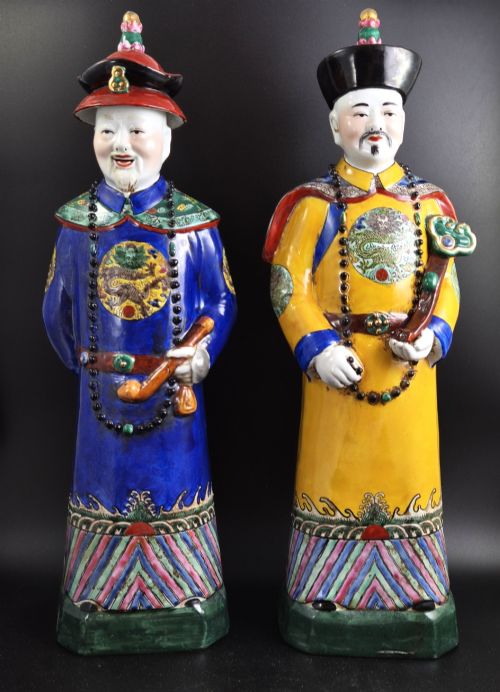
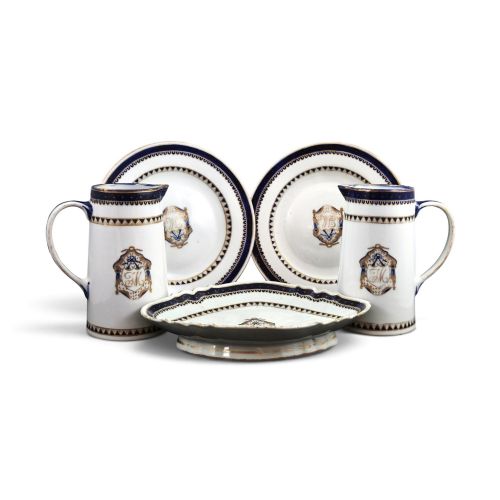
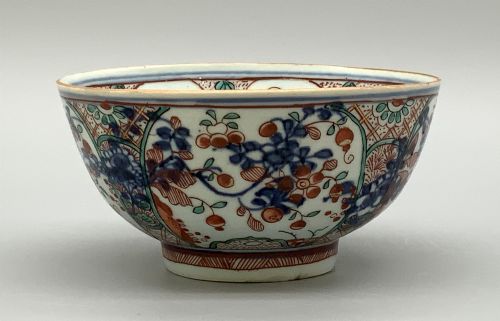
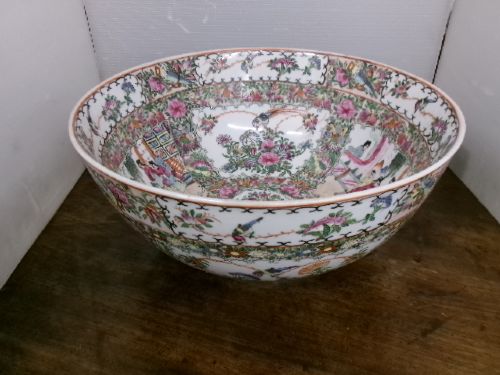
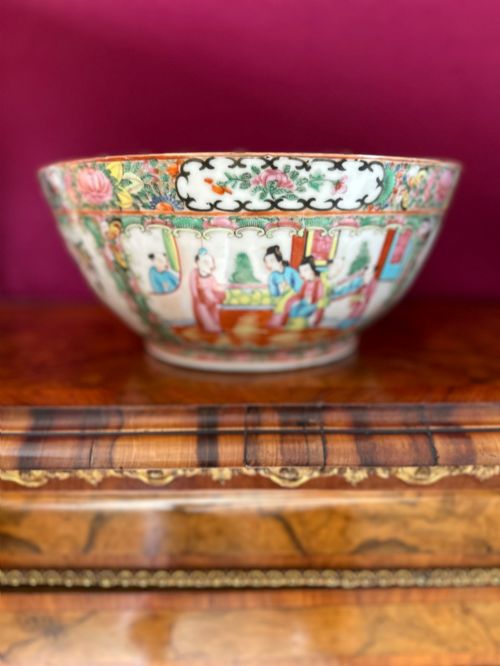
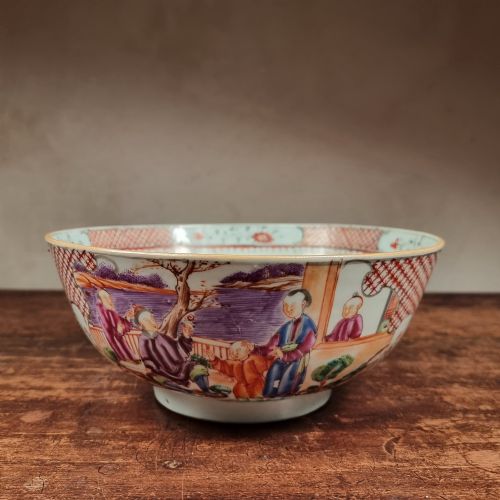
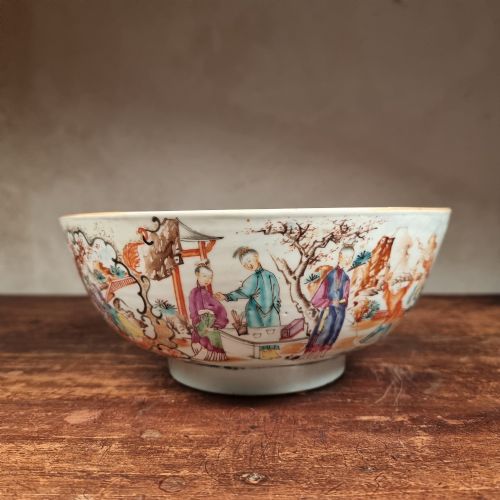
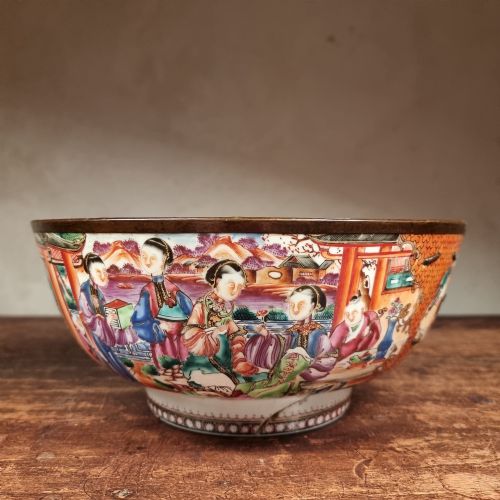
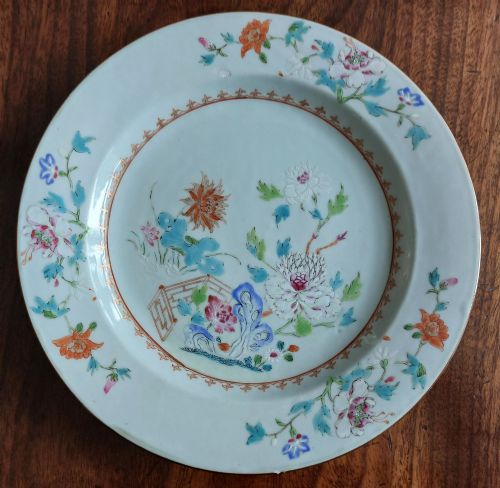
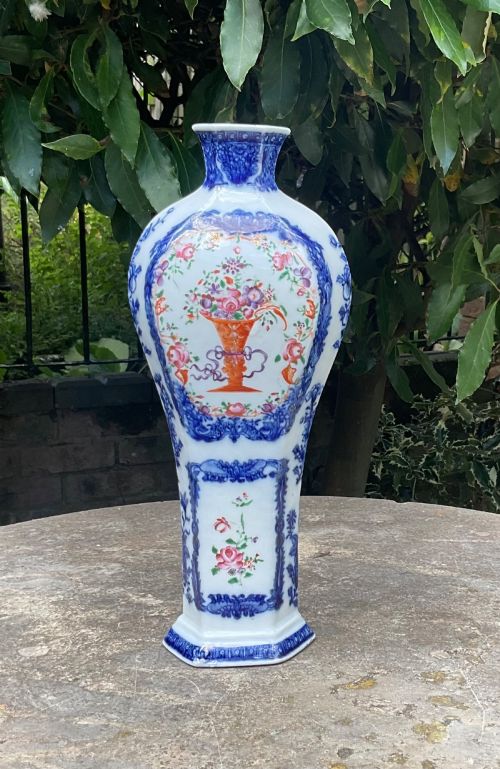
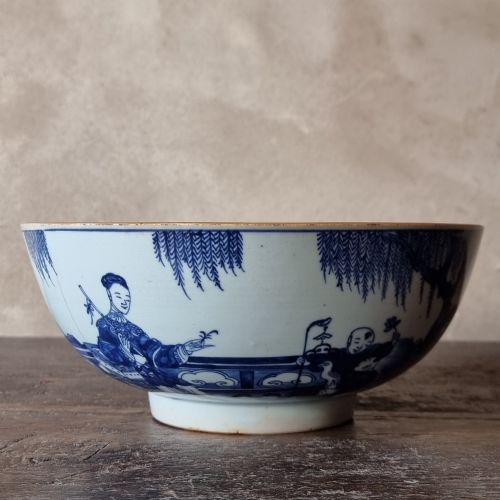
When you search for qing dynasty export porcelain, you encounter ceramic items created in China specifically for European and American households during the eighteenth and nineteenth centuries. The objects recorded here range from large punch bowls and centrepiece bowls to smaller tea bowls, jardinières, and vases.
The versions you are most likely to meet on this page are eighteenth-century Qianlong period pieces and nineteenth-century Cantonese examples. These items often combine traditional Chinese ceramic forms with decorative schemes tailored to Western tastes.
Vessels span both functional dining wares and purely ornamental objects, occasionally mounted in gilt bronze or modified later into lamps. Each piece records the long history of commercial exchange between China and the West through its specific painted motifs.
How they were made
Makers shaped these qing dynasty export porcelain items from fine white clay before applying mineral glazes and hand-painted enamels. Artisans then fired the pieces at high temperatures to vitrify the body and fix the polychrome decoration.
Selected vessels received additional surface embellishments such as gold leaf and gilding to highlight specific floral or figural panels. Certain eighteenth-century and nineteenth-century examples also incorporate cast gilt bronze mounts fitted around the finished ceramic bodies.
Retail Price Guide 2026
Typical UK retail prices for qing dynasty export porcelain, calculated from the Sellingantiques database of over a million retail prices indexed since 2003. This retail price guide relies exclusively on Sellingantiques data; no external sources or auction records are used, so the figures do not describe the wider market.
Object forms documented here include centrepiece bowls, punch bowls, tea bowls, jardinières, and vases decorated in Chinese Export, Chinoiserie, and Famille Rose styles.
What varies in quality
The refinement of the painted enamel work distinguishes superior qing dynasty export porcelain from simpler commercial output. Finer examples display precise brushwork, controlled colour blending, and carefully articulated facial expressions or botanical details.
The crispness of the porcelain body and the evenness of the glaze application also separate exceptional items from standard production. Additionally, the presence of original metalwork mounts or well-preserved gilding influences the overall sophistication of the piece.
The Qing Dynasty Export Porcelain Glossary
- Famille rose
- A palette of opaque enamel colours dominated by pink or rose tones, introduced during the Qing dynasty. This technique allowed artists to achieve delicate tonal gradations in floral and figural scenes.
- Imari
- A style of decoration featuring underglaze blue combined with iron red and gold, adopted by Chinese kilns for export wares. The style imitates Japanese porcelain designs that became popular in Europe.
- Qianlong
- The imperial reign period lasting from 1736 to 1795, associated with high technical achievement in export ceramics. Pieces from this era often show exceptional control over glaze and enamel application.
- Jardinière
- A large ornamental ceramic pot designed to hold growing plants or flowers. These vessels frequently feature heavy potting to support soil and moisture.
- Ormolu
- Cast bronze that has been finished with a gold wash or mercury gilding. It appears on selected export bowls as decorative stands or rim mounts.
Frequently Asked Questions
What is qing dynasty export porcelain?
These items are ceramic wares produced in China during the Qing dynasty for international buyers in Europe and the Americas. They combine traditional Eastern manufacturing techniques with Western decorative preferences.
The category encompasses utilitarian vessels like punch bowls and tea wares alongside purely decorative items such as vases and jardinières.
How were these export wares used?
Wealthy households utilised large punch bowls for serving mixed drinks at social gatherings and dining tables. Smaller cups and tea bowls served hot beverages during formal domestic hospitality.
Other objects functioned as interior ornaments, holding plants or simply displaying painted enamel scenes in reception rooms.
How do you tell eighteenth and nineteenth century pieces apart?
Eighteenth-century examples, particularly from the Qianlong period, typically feature restrained forms and tightly controlled enamel palettes. The porcelain body often feels crisp and the painting is precise.
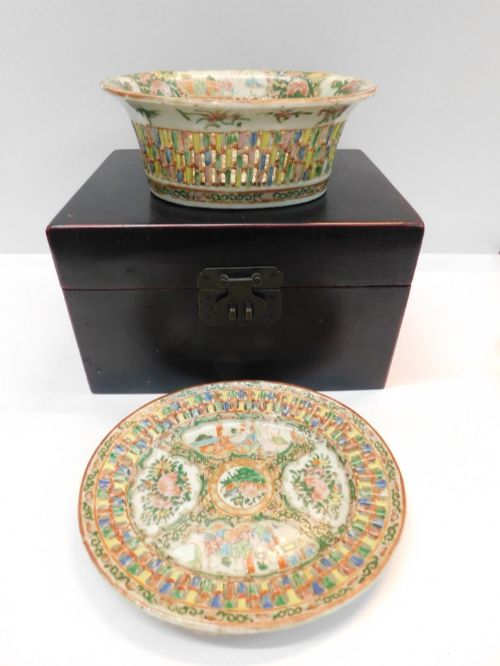
Nineteenth-century Cantonese pieces tend to display denser, more colourful decoration such as Rose medallion patterns, sometimes combined with later metal mounts or lamp fittings.
Why do some bowls have bronze mounts?
European owners occasionally took Chinese porcelain bowls to local metalworkers who added cast or gilt bronze mounts to enhance their status. These additions turned utilitarian imported vessels into grand interior ornaments for formal rooms.
Such mounts reflect the high value placed on imported ceramics during the period.