
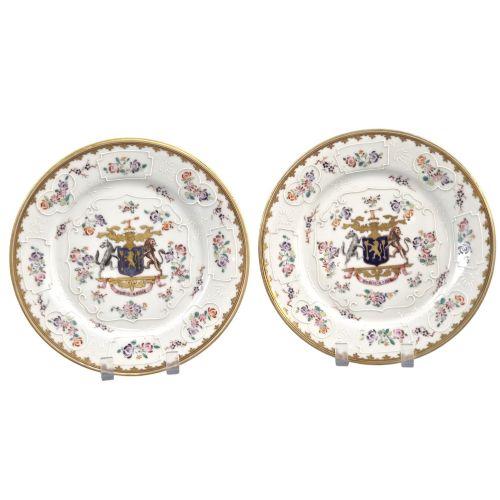
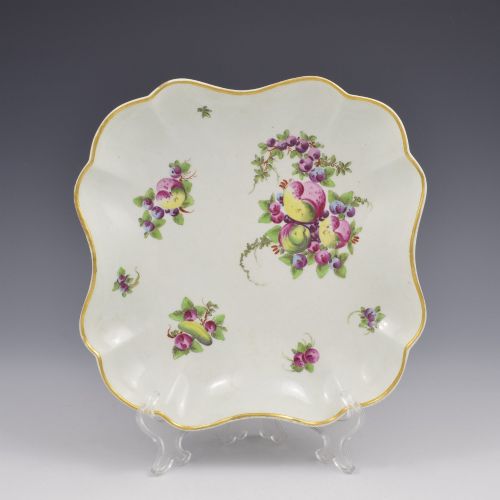
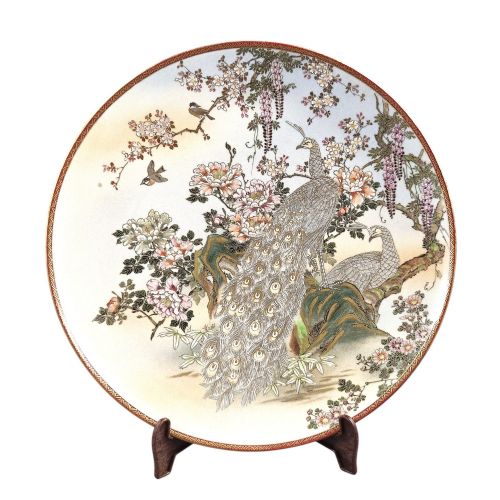

Polychrome Porcelain Plate
When you search for a polychrome porcelain plate, you find painted wares spanning European factories and Asian export kilns.
Polychrome Porcelain Plate
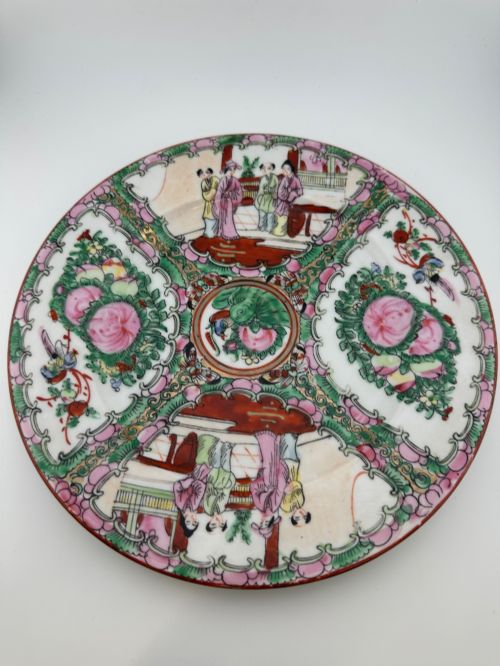
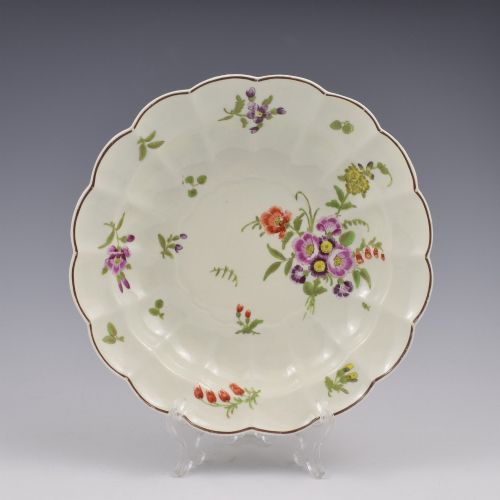
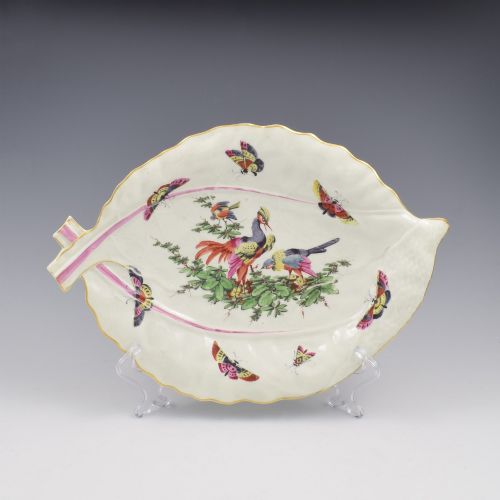
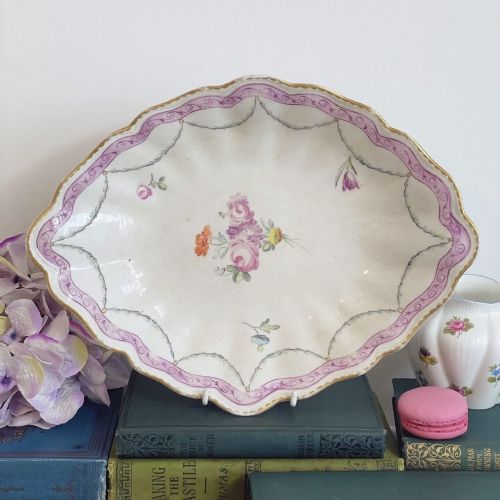
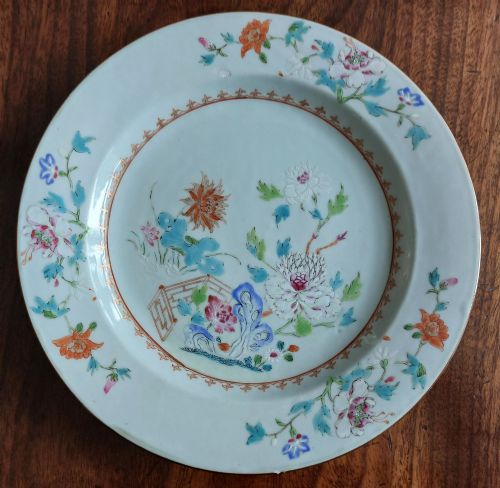
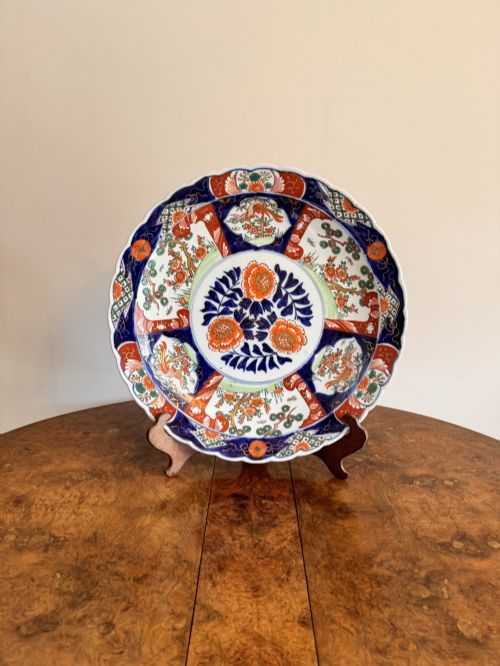
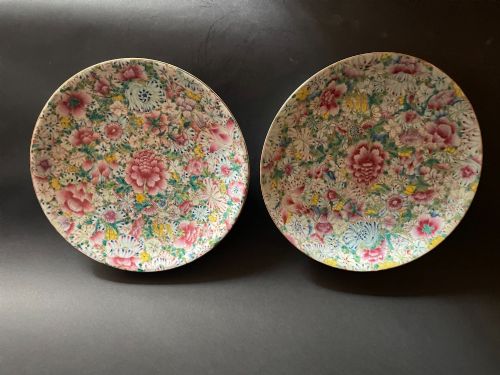
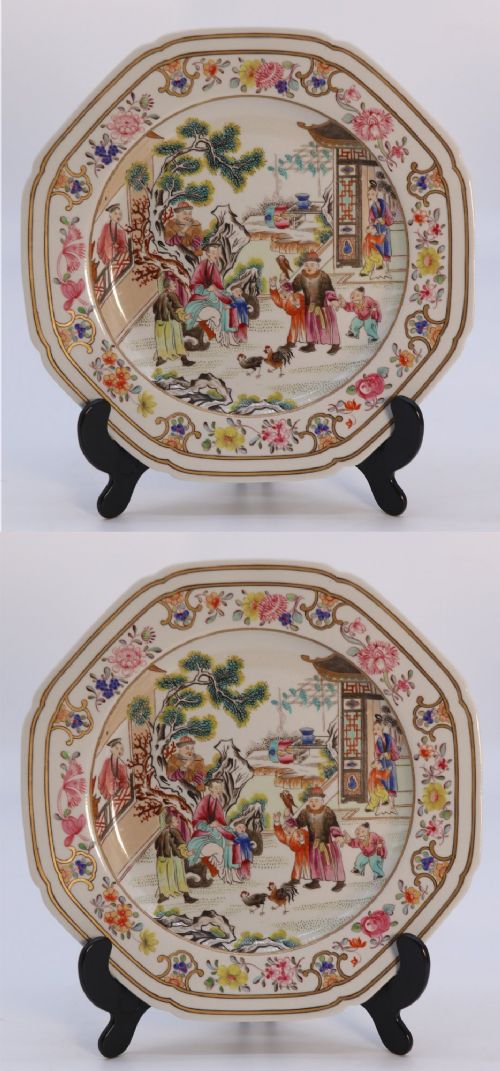
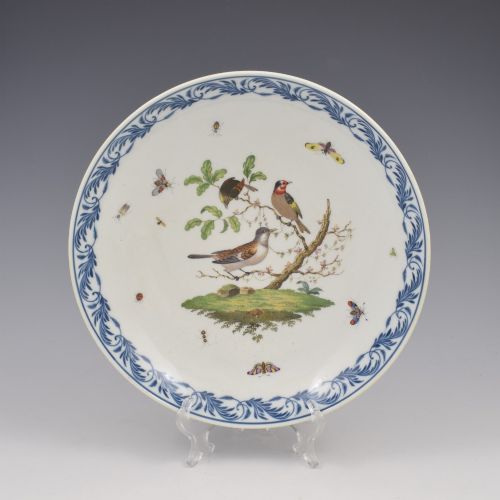
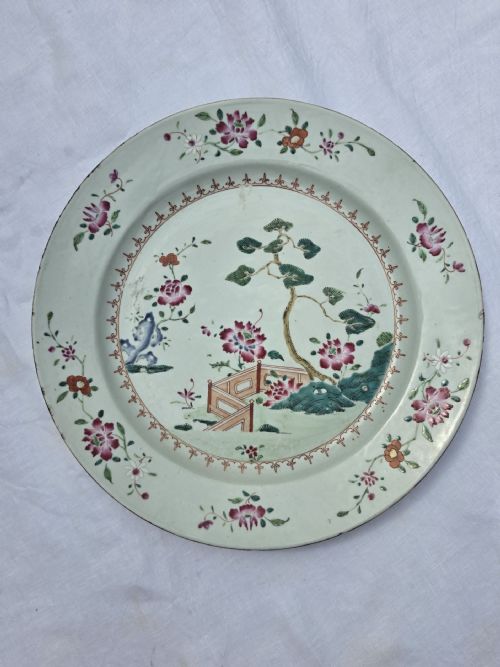
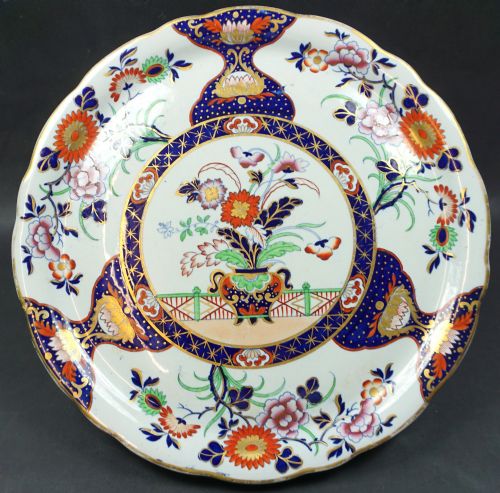
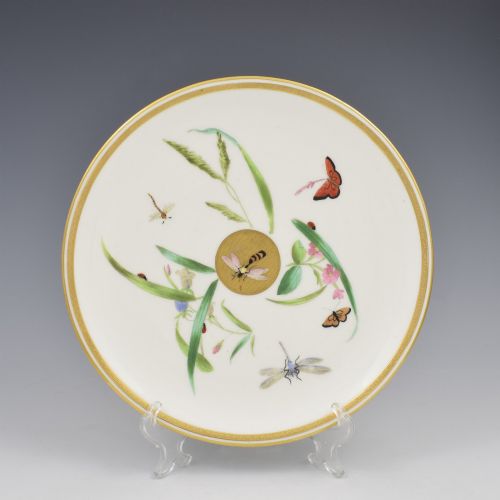
A polychrome porcelain plate brings together fired white clay and multi-coloured enamel pigments, serving as both dining ware and cabinet display. The examples on this page range from eighteenth-century English factories to nineteenth-century Japanese workshops and Chinese export kilns.
Buyers encounter forms such as dessert dishes, chargers, and octagonal cabinet plates shaped by period styles like Rococo Revival, Japanese Imari, and Chinese Export. These objects reflect centuries of cross-cultural trade and shifting European tastes for imported oriental designs.
Most entries belong to the eighteenth and nineteenth centuries, featuring hand-painted floral motifs, birds, and armorial crests. Domestic English makers sit alongside continental European manufactories and Asian producers across the listed periods.
How they were made
Potters shaped hard-paste porcelain, earthenware, or stone china before applying initial underglaze blue and subsequent overglaze enamel pigments. Artisans then fired the pieces multiple times to fuse the vibrant colours and gold leaf accents onto the ceramic body.
Painters used fine brushes to execute detailed botanical studies, exotic birds, and intricate compartment patterns by hand. Gilders added highlights of gold leaf and gilding to accentuate moulded rims and borders.
Listings feature porcelain and earthenware pieces spanning the eighteenth century through the Victorian era and early twentieth century.
What varies in quality
Quality rests upon the precision of the hand-painted brushwork and the complexity of the polychrome palette. Superior pieces display crisp enamel application, careful gilding, and balanced composition across the surface of the dish.
The reputation of the manufactory, from Dr Wall Worcester to Meissen or Japanese Imari workshops, dictates distinction. Pieces with documented patterns or identifiable factory marks command attention from collectors.
Hicks And Meigh·Helena Wolfsohn·Barr Flight And Barr
The Polychrome Porcelain Plate Glossary
- Polychrome
- Decorated in multiple colours. This term describes ceramics painted with a diverse palette of enamel pigments.
- Enamel
- Opaque glass fused to porcelain during firing. Artisans utilise these vitreous colours for bright surface decoration.
- Charger
- A large decorative plate. These wide dishes were designed primarily for display on sideboards or walls.
- Hard-paste porcelain
- A durable ceramic fired at high temperatures. It uses kaolin and petuntse to create a dense, translucent body.
- Overglaze
- Applied above the fired glaze. Pigments sit on the surface rather than sinking beneath a clear glaze layer.
Polychrome Porcelain Plate: Frequently Asked Questions
How were polychrome porcelain plates used?
These pieces served practical functions at elite dining tables for desserts, side dishes, or serving courses. Many large chargers and cabinet plates were also displayed upright on sideboards or walls to showcase wealth.
Over time, ornamental forms transitioned from functional tableware into purely decorative items collected for their artistic merit and painted scenes.
How do I identify eighteenth century pieces?
Eighteenth-century examples often feature specific body characteristics, hand-mixed enamel colours, and period-appropriate soft-paste or early hard-paste porcelain formulas. Look for period marks, characteristic potting flaws, and painting styles tied to known eighteenth-century factories.
Comparing the foot rim, glaze texture, and iron-red tones helps separate early production from later nineteenth-century revival wares and copies.
What is Japanese Imari porcelain?
Japanese Imari porcelain refers to wares made in Arita and exported through the port of Imari, defined by a distinct palette of underglaze blue, iron red, and gold. Makers applied these rich colours in dense floral and brocade patterns.
European factories frequently copied these Japanese designs during the eighteenth and nineteenth centuries, creating their own versions of the popular aesthetic.
How should I display cabinet plates?
Cabinet plates require secure wall hangers or stable plate stands designed to support the weight of the ceramic without damaging the rim. Position them away from direct sunlight and areas of heavy traffic to protect the overglaze enamels.
Rotating pieces periodically prevents uneven exposure to light and allows you to appreciate different examples from your collection.