

Georgian Porcelain Dish
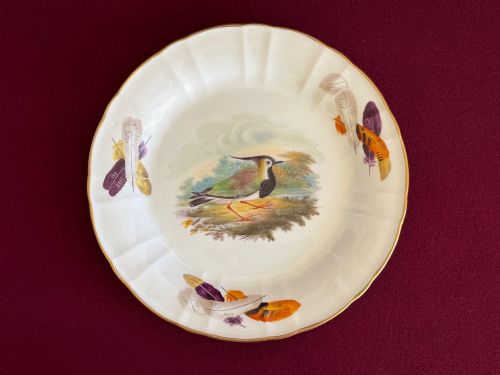
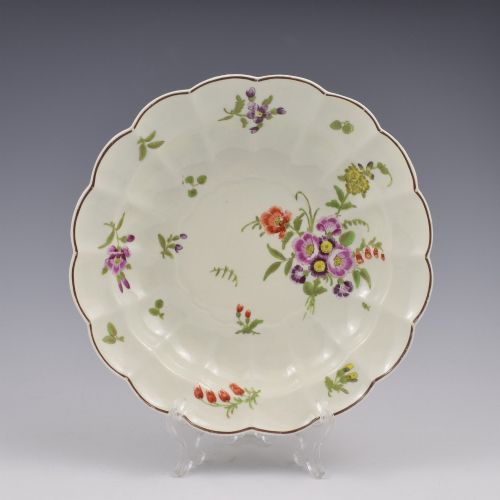
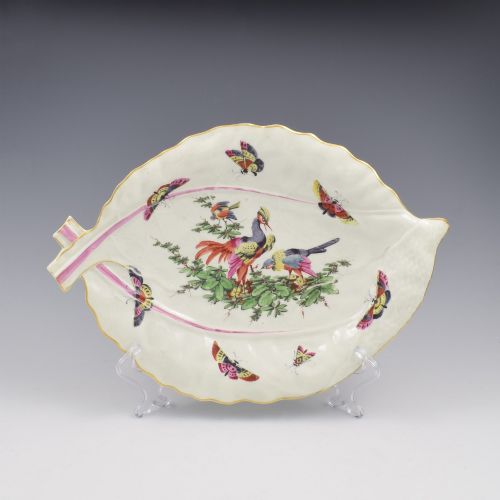
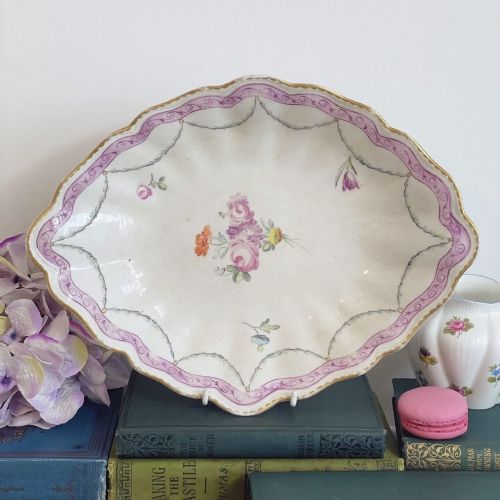
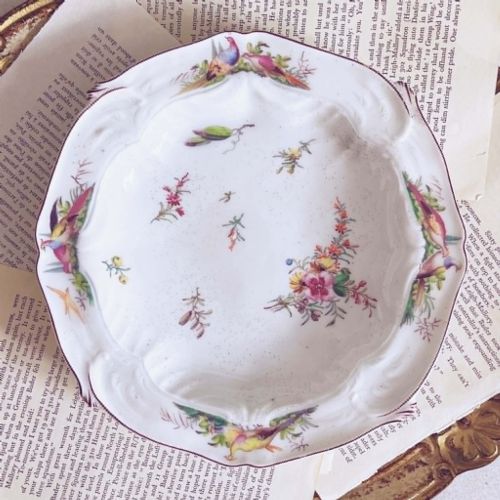
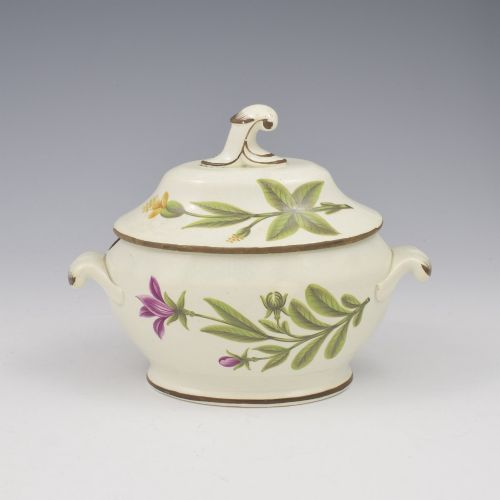
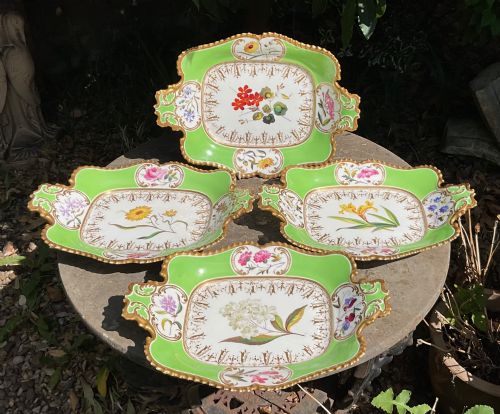
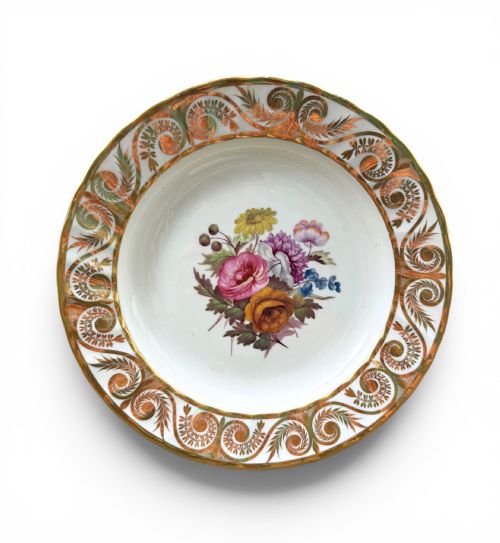
A georgian porcelain dish brings the painted birds, botanical sprays and botanical forms of the eighteenth and early nineteenth centuries straight to the table.
Georgian Porcelain Dish
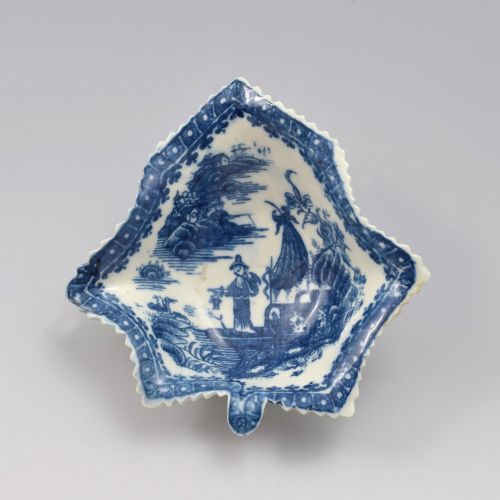
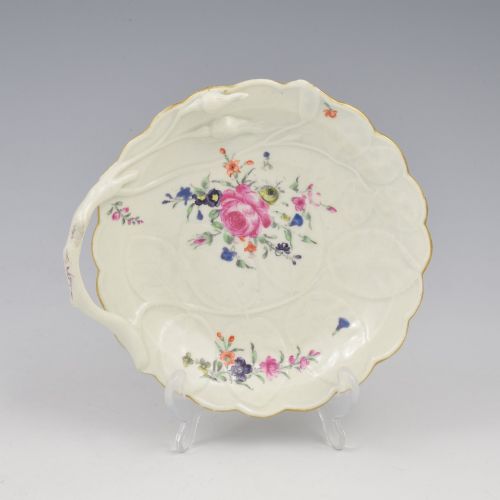
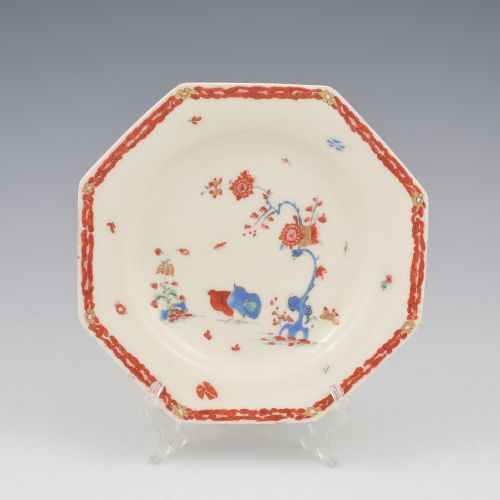
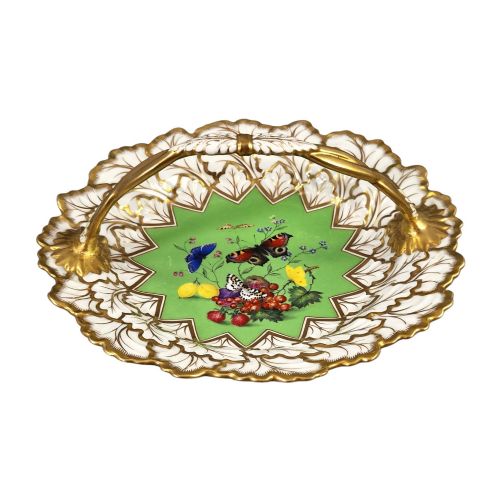
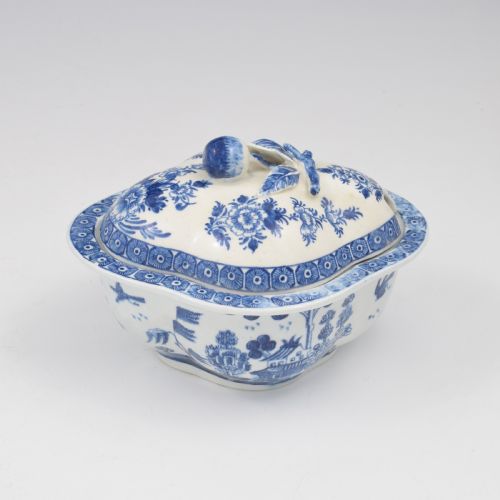
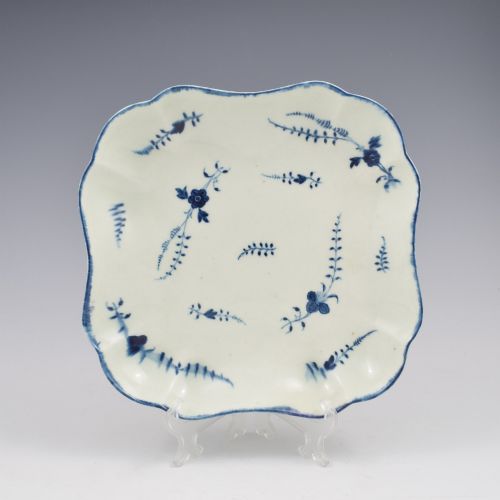
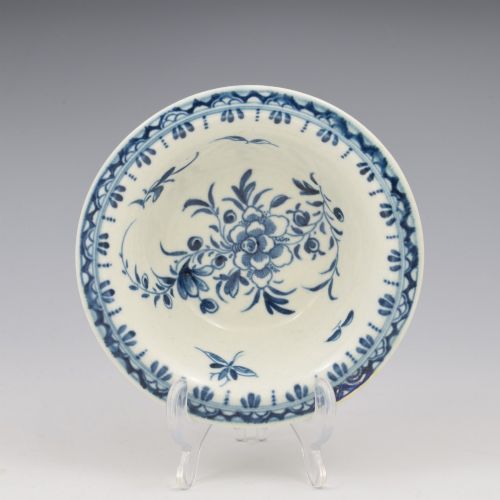
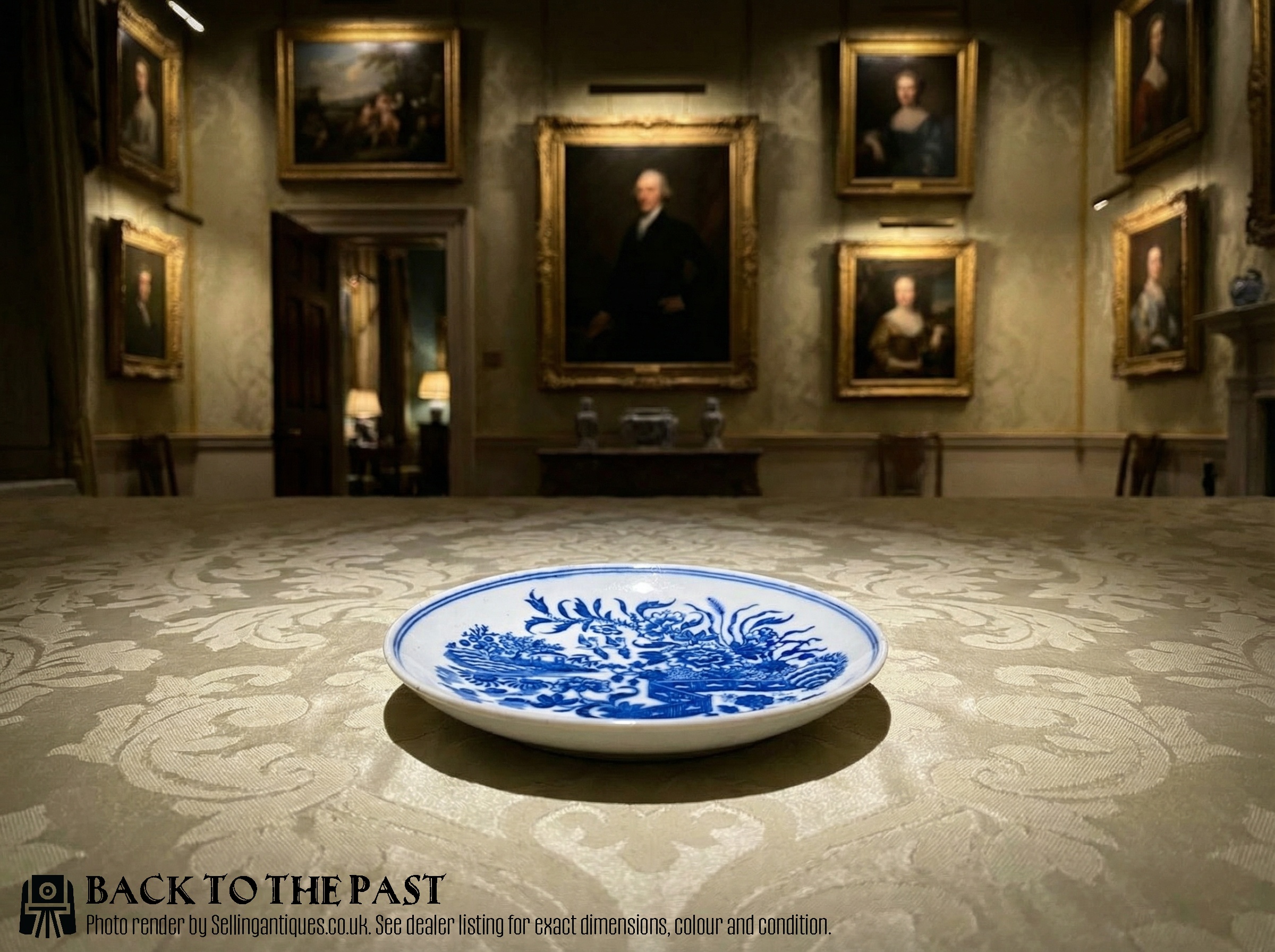
When someone searches for a georgian porcelain dish, they encounter forms shaped for the dining table, including leaf-shaped pickle dishes, circular baskets, square dessert dishes, and serving plates.
The selection on this page draws from the eighteenth century, the Regency period, and the early nineteenth century, featuring wares produced by factories such as Worcester, Derby, Bow, and Spode.
These items span functional table service and ornamental dessert pieces, rendered in soft-paste porcelain, bone china, pearlware, and ironstone with hand-painted or transfer-printed decoration.

How they were made
Potters shaped soft-paste porcelain, bone china, and ironstone either by hand on the wheel or by pressing the clay into plaster moulds to create leaf, shell, and lobed contours.
Makers applied enamel paints, cobalt blue underglaze, and gold leaf or gilding by hand before firing the ceramics in kilns to fix the colours beneath a clear glaze.
Georgian Porcelain Dish Retail Price Guide 2026
Typical asking prices for georgian porcelain dish among the pieces listed under this phrase on Sellingantiques today, from the lower quarter to the upper quarter. They describe what is for sale here now, not the wider market.
Listings feature eighteenth-century soft-paste porcelain alongside nineteenth-century ironstone, bone china, and pearlware.
What varies in quality
Quality rests in the crispness of the moulding and the skill of the hand-painting, particularly where botanical specimens, birds, or intricate Imari patterns are executed with fine brushwork.
The sophistication of the porcelain body itself, from early translucent soft-paste bodies to later refined bone china and felspar porcelain, distinguishes standard domestic wares from exceptional cabinet pieces.
Flight Barr And Barr·Chamberlains Worcester Porcelain·John Davenport Of Longport·Hicks And Meigh
The Georgian Porcelain Dish Glossary
- Soft-paste porcelain
- An artificial porcelain composition fired at lower temperatures than hard-paste, common in eighteenth-century English factories. It produces a warm creamy tone beneath the glaze.
- Imari
- A decorative style inspired by Japanese export wares, featuring iron red, cobalt blue, and gilt. It gained great popularity across English factories during the Georgian period.
- Pickle dish
- A small, often leaf-shaped vessel used for serving small relishes or condiments at the dining table. These were commonly moulded in porcelain during the eighteenth century.
- Enamel
- Opaque coloured glass fused to the surface of the ceramic during a secondary low-temperature kiln firing. This technique allowed vibrant multi-coloured painted designs.
- Pearlware
- A fine earthenware developed in the late eighteenth century with a bluish-tinted glaze designed to mimic Chinese porcelain. It frequently carried botanical and transfer-printed decoration.
Georgian Porcelain Dish: Frequently Asked Questions
How do I identify Dr Wall Worcester?
Dr Wall period Worcester porcelain, produced during the eighteenth century, typically displays soft-paste bodies with translucent qualities and delicate hand-painted blue and white floral or bird patterns.
Look for early crescent marks, disguised numerals, or square seal marks on the underside, alongside characteristic potting flaws typical of early English kilns.
What is felspar porcelain?
Felspar porcelain is an innovative ceramic body introduced during the early nineteenth century, utilised notably by Spode to create brighter and stronger tableware.
This material allowed for thicker glazes and more durable pedestal bowls and serving dishes without losing delicate translucency.
How were dessert dishes used?
Dessert dishes were utilised during the final course of grand Georgian meals to serve sweetmeats, fruits, and small confectionery.
They were arranged centrally or placed around the table in matched sets, combining functional service with decorative display.